

Guwahati, Assam | June 02, 2026, 12:00 IST
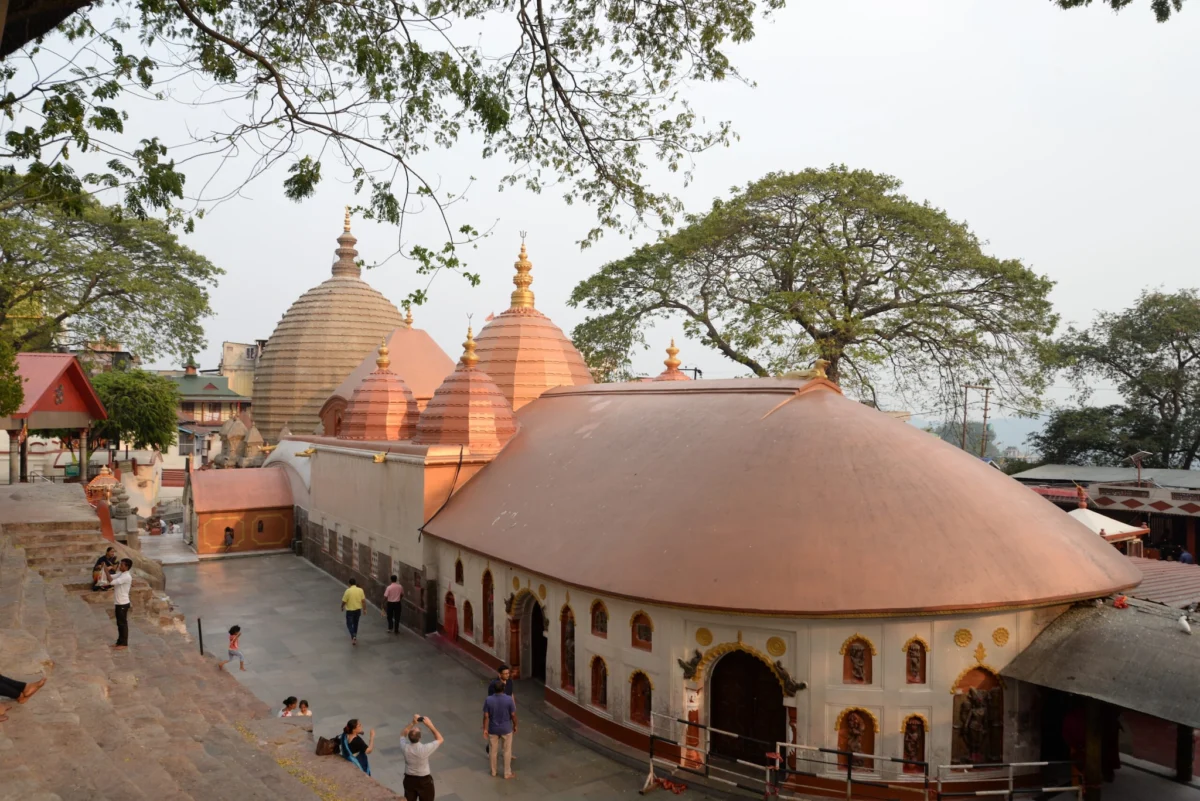
As the monsoon season begins to paint the verdant landscape of Assam with its life-giving rains, a profound and ancient spiritual event unfolds at the revered Kamakhya Temple in Guwahati. The Ambubachi Mela, a festival unlike any other in India, marks a unique celebration of feminine power, fertility, and the cyclical nature of life itself. For three days each year, this prominent Shakti shrine, nestled atop the Nilachal Hills, closes its doors, ushering in a period of introspection and reverence for the divine feminine. Far from a somber occasion, this sacred pause is a powerful testament to the reverence accorded to menstruation, viewed not as a sign of impurity, but as a sacred event that symbolizes creation and renewal.
The Essence of Ambubachi: A Celebration of the Divine Feminine
The Ambubachi Mela is intrinsically linked to the annual menstrual cycle of Goddess Kamakhya, a formidable manifestation of Shakti, the primordial cosmic energy in Hinduism. This tradition stands in stark contrast to many societal views that often associate menstruation with impurity. Here, it is elevated to a sacred phenomenon, recognized as the very source of creation and fertility. The temple’s closure for these three days signifies the Goddess’s period of rest, during which daily rituals are suspended, and devotees patiently await her return to active worship. This period is considered potent, imbued with a unique spiritual energy that draws pilgrims, ascetics, and seekers from far and wide.
A Unique Shrine: The Yoni of Kamakhya
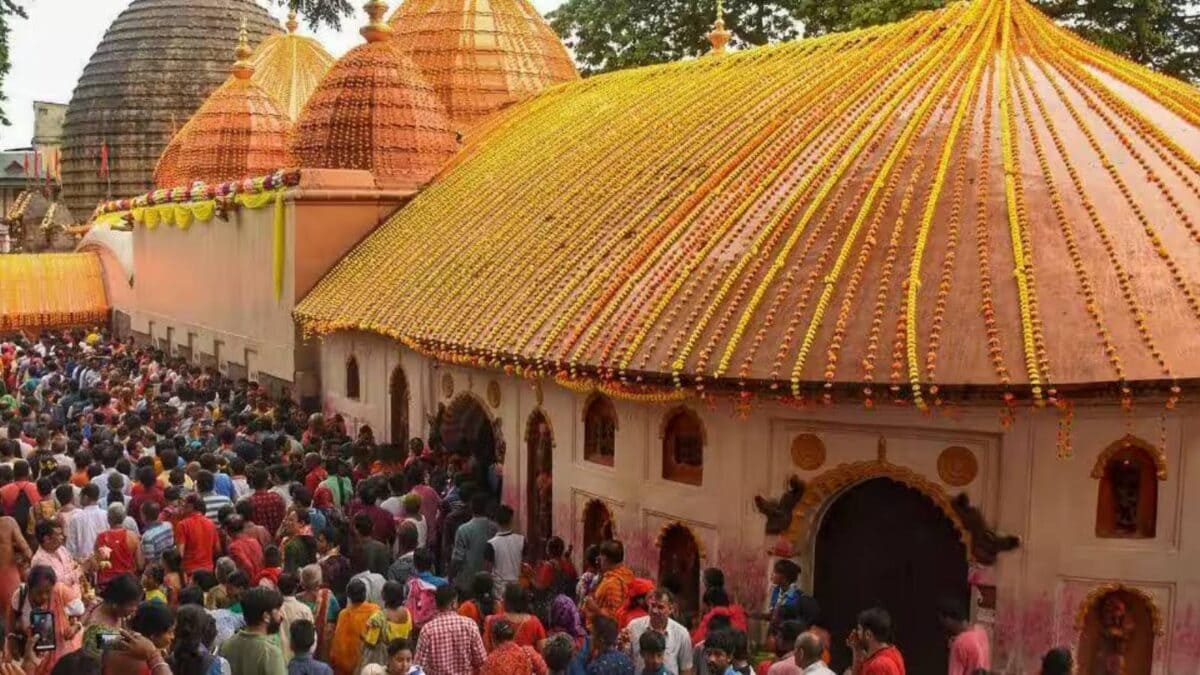
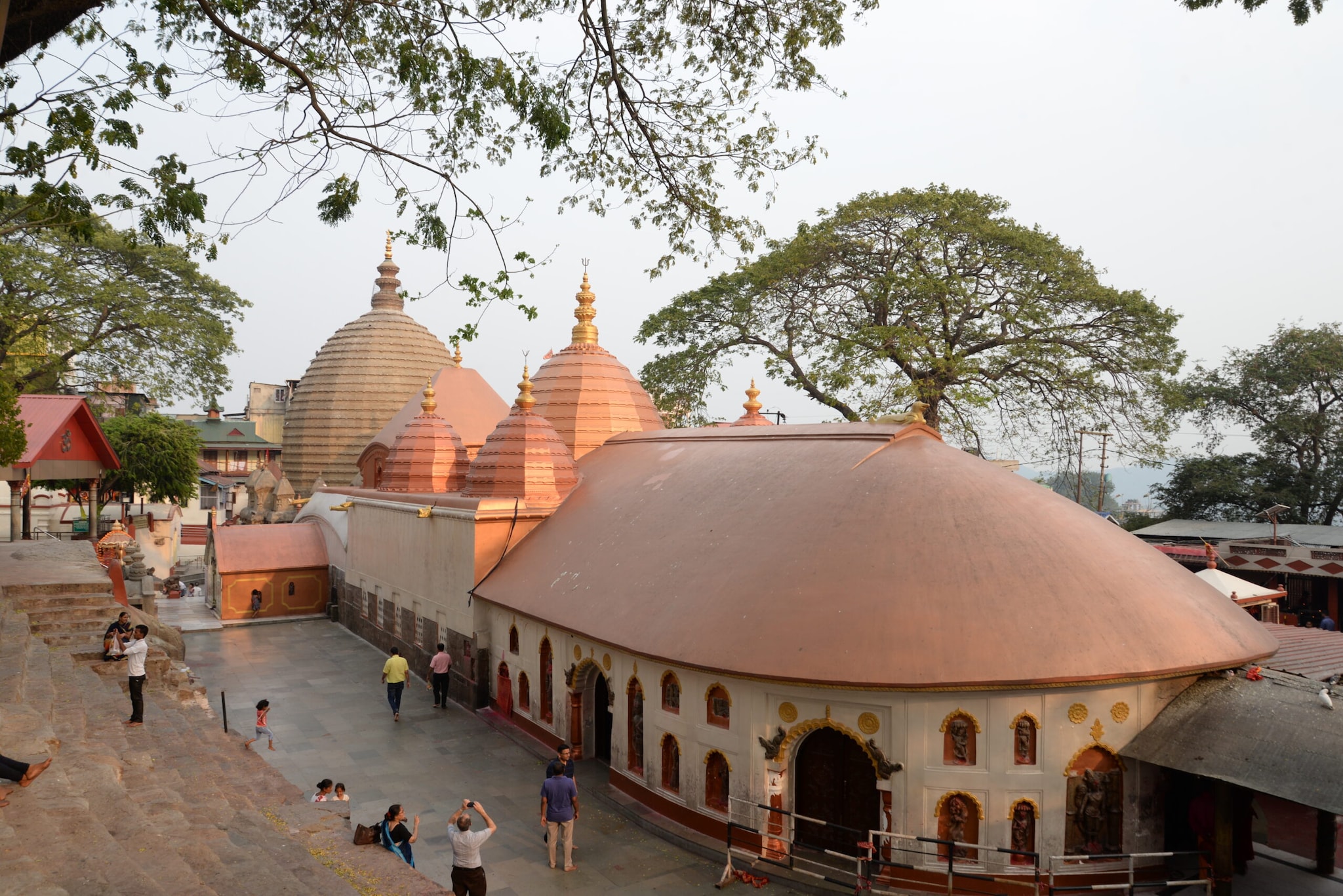
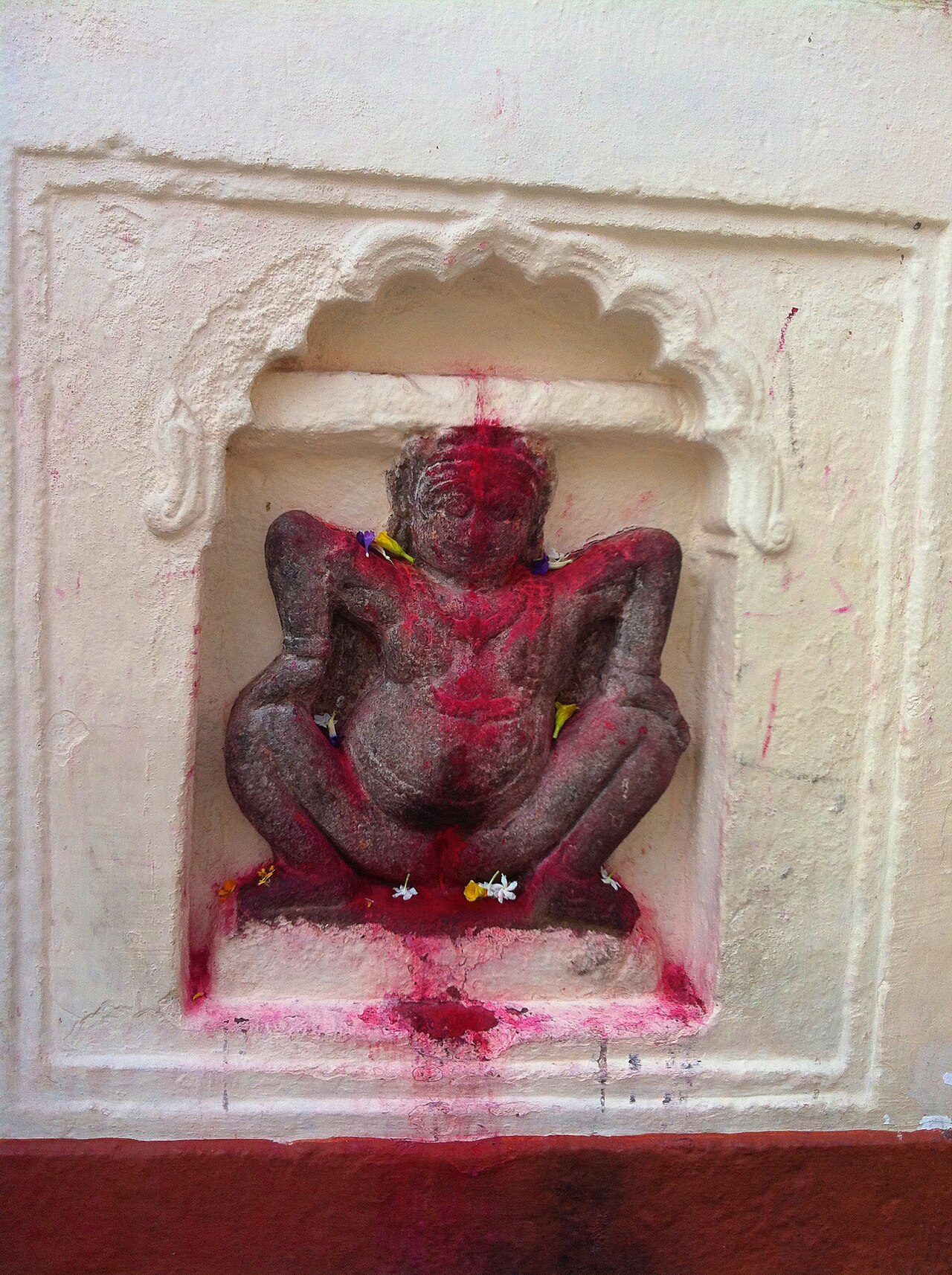
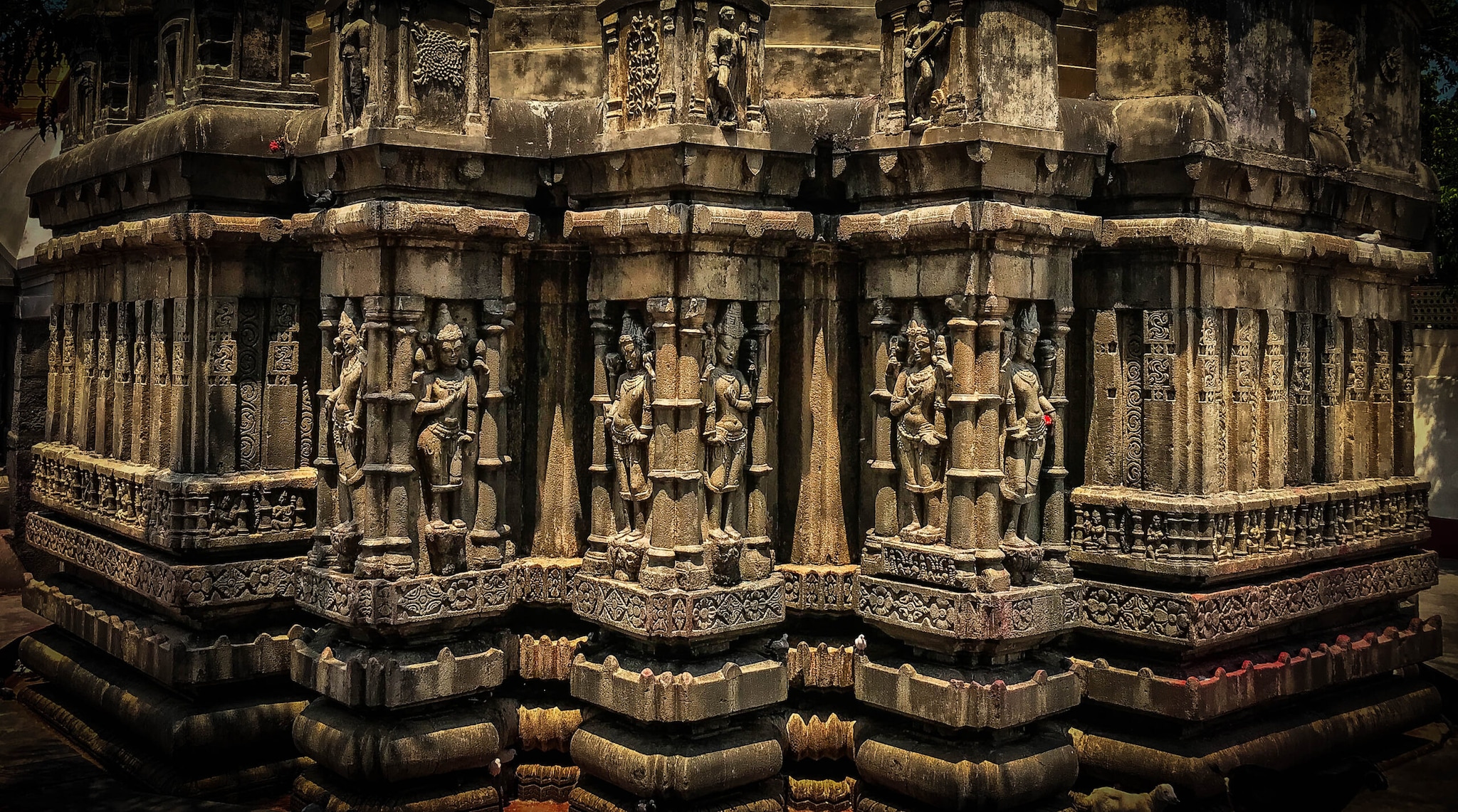
The Kamakhya Temple itself is a site of profound spiritual significance, particularly within the Shakta and Tantric traditions. It is one of the most revered Shakti Peethas, believed to be the spot where the yoni (vulva) of Goddess Sati fell. Unlike many Hindu temples that house anthropomorphic idols, Kamakhya’s sanctum sanctorum features a natural, rock-cut yoni symbol, perpetually bathed by the waters of an underground spring. This unique representation of the divine feminine, symbolizing creation and the womb of the universe, makes the Kamakhya Temple an unparalleled pilgrimage destination, attracting a massive congregation during the Ambubachi Mela. The festival is considered one of the largest and most significant religious gatherings in eastern India, drawing an estimated lakhs of pilgrims, ascetics, and spiritual seekers.
Chronology of the Sacred Pause and Reawakening
The Ambubachi Mela typically commences around the middle of June, coinciding with the onset of the monsoon. While the exact dates can vary slightly each year based on the lunar calendar, for 2026, the festival is anticipated to be observed from June 22nd to June 25th, with the temple reopening its doors on June 26th.
- Pre-Mela Preparations: In the days leading up to Ambubachi, the atmosphere around the Kamakhya Temple intensifies. Devotees begin their pilgrimage, and the surrounding areas buzz with activity as temporary shelters and markets are set up to accommodate the influx of visitors.
- The Three Days of Closure: From the onset of the mela, the main temple complex is closed to the public. During this period, the internal sanctum is believed to be undergoing a natural cleansing and rejuvenation process. While the main temple is shut, devotees often gather in the vicinity, engaging in prayer, meditation, and spiritual discourse.
- The Grand Reopening: The reopening of the temple on the fourth day is a moment of immense jubilation and devotion. Thousands of devotees queue up for darshan, eager to receive the blessings of the Goddess after her sacred repose. The atmosphere is charged with renewed spiritual energy and fervent prayers.
Supporting Data: The Cultural and Spiritual Tapestry of Ambubachi
The Ambubachi Mela is more than just a religious observance; it is a cultural phenomenon deeply interwoven with the agricultural rhythms of the region. Historically, agricultural activities were often paused during this period, reflecting an ancient understanding and respect for nature’s cyclical processes, particularly those associated with fertility and regeneration. This connection between the divine feminine and the Earth’s generative power is a recurring theme in many indigenous cultures.
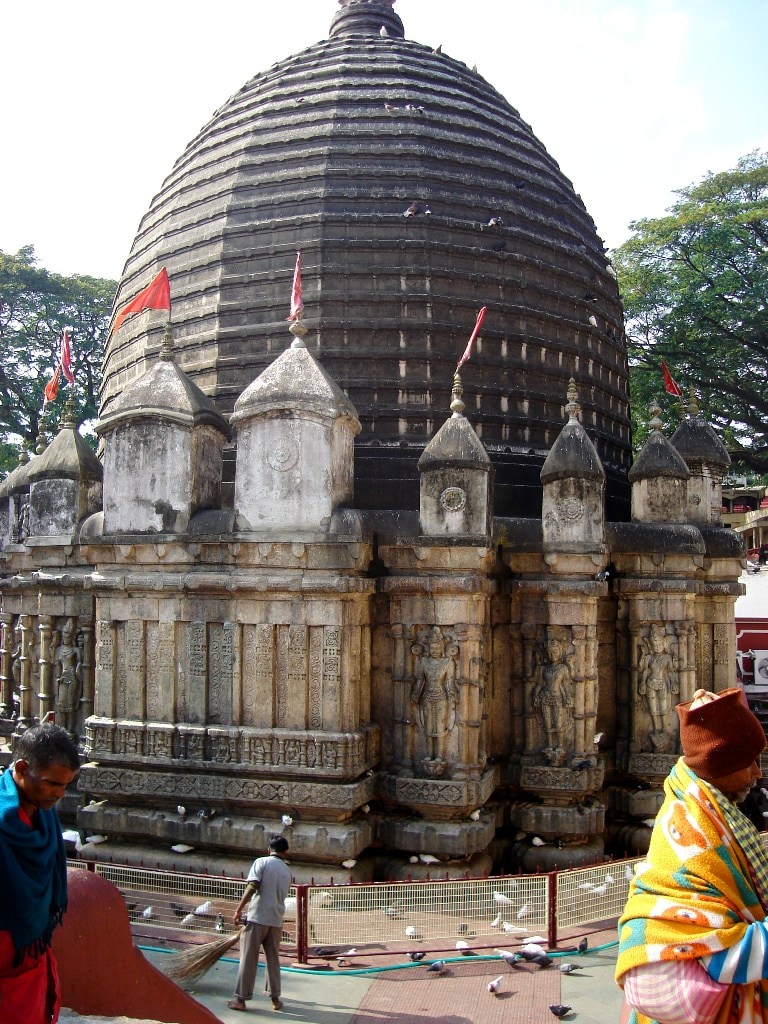
A significant aspect of the Ambubachi Mela is the presence of a diverse array of spiritual practitioners. Sadhus, ascetics, and Tantric practitioners from various traditions converge at Guwahati, adding a unique dimension to the spiritual landscape. Their presence transforms the area around the temple into a vibrant hub of chanting, rituals, and profound spiritual exploration. For travelers and cultural enthusiasts, witnessing this confluence of diverse spiritual practices offers an unparalleled glimpse into the rich tapestry of Indian spirituality.
Guwahati itself transforms into a major pilgrimage destination during this period. Temporary camps sprout across the city, providing accommodation and sustenance for the pilgrims. Food stalls offering local delicacies and religious paraphernalia do brisk business. Devotional gatherings and cultural performances further enrich the festive atmosphere, making the city a vibrant center of spiritual and cultural exchange.
Official Responses and Local Impact
The Assam government and local authorities play a crucial role in managing the immense influx of pilgrims during the Ambubachi Mela. Extensive arrangements are made for crowd control, sanitation, healthcare, and transportation to ensure the safety and comfort of the visitors. Local police and administrative bodies work in coordination to maintain order and facilitate a smooth pilgrimage experience.
- Infrastructure Development: Recognizing the economic and cultural importance of the festival, efforts are often made to improve the infrastructure around the temple and in the city, including road connectivity and public amenities.
- Cultural Preservation: The state government often supports initiatives aimed at preserving the cultural heritage associated with the Ambubachi Mela and promoting Assamese traditions.
- Tourism Promotion: The festival is also a significant driver of tourism for Assam, attracting both domestic and international visitors interested in experiencing unique cultural and spiritual traditions. Local businesses, including hotels, restaurants, and handicraft sellers, benefit considerably from the surge in visitor numbers.
Implications and Enduring Significance
The Ambubachi Mela holds profound implications, both spiritual and societal. It challenges conventional notions of purity and impurity, advocating for a holistic understanding of life’s cycles. By celebrating menstruation as a sacred act of creation, the festival elevates the status of the feminine principle, emphasizing its vital role in the universe.
- Feminist Spirituality: The festival can be seen as an embodiment of feminist spirituality, celebrating the inherent power and creative potential of women. It offers a counter-narrative to patriarchal structures that often seek to control or diminish female agency and natural bodily functions.
- Ecological Harmony: The connection between the mela and the monsoon highlights the deep-seated belief in ecological harmony and the interconnectedness of human life with natural cycles. It serves as a reminder of our dependence on and responsibility towards the environment.
- Spiritual Tourism and Cultural Exchange: The Ambubachi Mela is a testament to India’s rich spiritual heritage and its ability to attract people from diverse backgrounds. It fosters cultural exchange and promotes understanding of unique religious practices, contributing to a broader appreciation of global diversity.
- Personal Transformation: For many pilgrims, the Ambubachi Mela is a deeply personal journey of spiritual seeking and renewal. The intense spiritual atmosphere, coupled with the unique rituals and the blessings of the Goddess, offers an opportunity for introspection, purification, and a renewed connection with the divine.
In conclusion, the Ambubachi Mela at Kamakhya Temple is a captivating festival that transcends mere religious observance. It is a profound celebration of life, fertility, and the inherent power of the feminine, offering a unique spiritual experience and a valuable insight into the ancient wisdom that continues to resonate in the heart of Assam. As the monsoon arrives, the sacred pause at Kamakhya Temple serves as a powerful reminder of the cyclical beauty of nature and the enduring strength of the divine feminine.
