

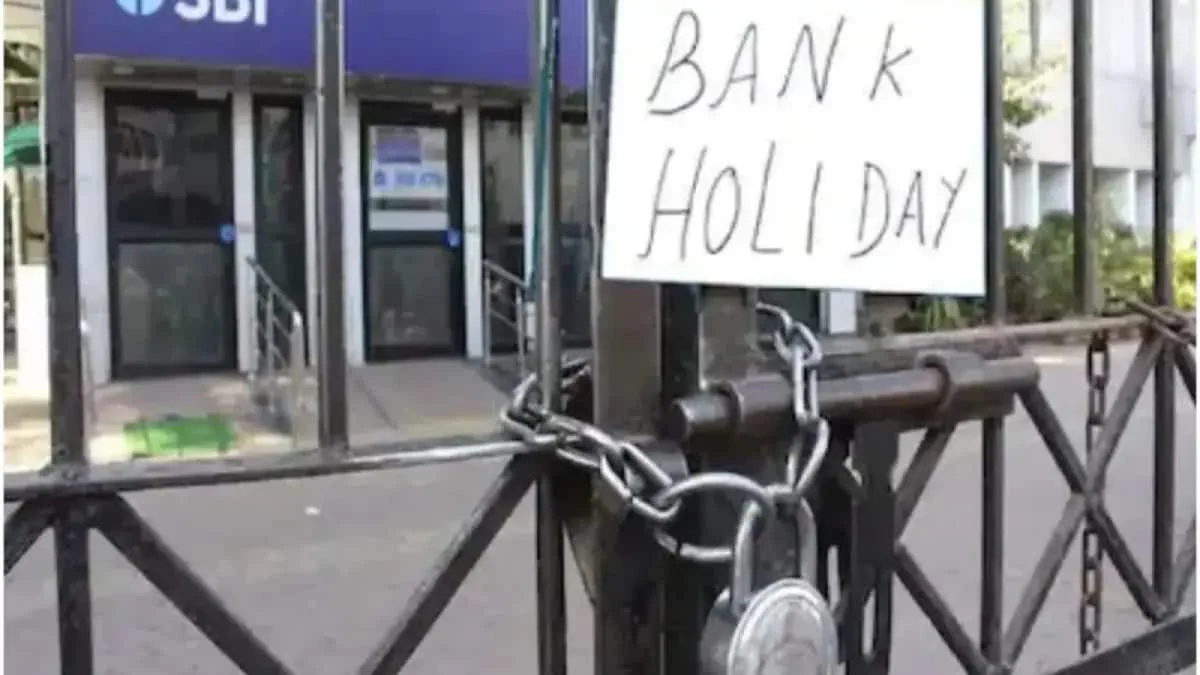
New Delhi, India – As the calendar turns to June 2026, millions of bank customers across India are advised to meticulously review their financial schedules. The Reserve Bank of India (RBI) holiday calendar indicates that banks in various states will observe closures for up to 10 days in some regions, encompassing a mix of weekly offs, regional festivals, religious observances, and local events. While physical branch operations will be impacted, the nation’s robust digital banking infrastructure is poised to ensure uninterrupted access to essential financial services.
This extensive period of closures, while a routine annual occurrence, underscores the intricate tapestry of India’s cultural and religious diversity, with different states observing distinct holidays. For instance, Aizawl is set to experience a significant number of bank holidays, combining three specific local observances with the standard weekly offs, reaching a total of nine days of non-operational branches. This article provides a comprehensive overview of the upcoming bank holidays, their implications, and how customers can navigate the altered banking landscape.
Main Facts: Navigating June’s Bank Holiday Landscape
June 2026 is marked by a series of bank closures that will significantly affect in-person banking services across India. Customers planning visits to their bank branches for transactions requiring physical presence are strongly urged to consult the official RBI holiday calendar well in advance. These closures are not uniform across the nation but are primarily dictated by state-specific festivals, religious commemorations, and local events, alongside the customary weekly holidays.
The cumulative effect of these state-specific holidays, combined with Sundays, the second Saturday, and the fourth Saturday of the month, means that some states could see their banks remaining closed for up to 10 days. This includes a maximum of nine days in certain regions, as highlighted by the situation in Aizawl, which will observe six weekly holidays in addition to three distinct local holidays. Key festivals contributing to these closures include YMA Day, Raja Sankranti, Muharram, Sant Guru Kabir Jayanti, and Remna Ni.
Despite the temporary suspension of physical branch operations, it is crucial for the public to understand that the backbone of modern banking – its digital services – will remain fully functional. Internet banking, mobile banking applications, Unified Payments Interface (UPI) transactions, ATM withdrawals, and cash deposit machines will continue to operate seamlessly, providing a vital lifeline for financial transactions during these holiday periods. This dual reality of physical closure and digital continuity is a testament to the evolving landscape of India’s banking sector.
Chronology: A Detailed Look at June 2026 Bank Holidays
The following is a detailed breakdown of the specific dates in June 2026 when banks will observe holidays, outlining the reasons for closure and the regions affected. This list is in addition to the standard weekly holidays (all Sundays, and the second and fourth Saturdays).
June 15 (Monday): YMA Day / Raja Sankranti
- YMA Day: Celebrated in Aizawl, YMA Day marks the anniversary of the Young Mizo Association, a prominent non-governmental organization in Mizoram. The YMA plays a crucial role in Mizo society, focusing on social welfare, cultural preservation, and community development. Its anniversary is a significant cultural event, warranting a public holiday in the state.
- Raja Sankranti: Observed primarily in Bhubaneswar (Odisha), Raja Sankranti is a unique three-day festival dedicated to Mother Earth and womanhood. It marks the onset of the monsoon and the agricultural season, symbolizing the menstruation period of Bhudevi (Mother Earth). The first day, known as Pahili Raja, involves women abstaining from certain work and celebrating with traditional food and games. It is a deeply cultural and agrarian festival that holds significant importance in the region.
June 25 (Thursday): Moharrum
- Moharrum: Banks will remain closed in Vijayawada for Moharrum. This is an important religious observance for the Shia Muslim community, commemorating the martyrdom of Imam Hussein, the grandson of Prophet Muhammad, at the Battle of Karbala. While the primary observance often falls on the 10th day of Muharram (Ashura), specific regional calendars may declare holidays on other associated days or for local observances related to the mourning period.
June 26 (Friday): Muharram (Yaom-e-Shahadath) / Last Day of Moharam / Ashoora
- This day marks the most widespread closure for a single event in June, impacting numerous major cities and states across India. The holiday is observed as Muharram (Yaom-e-Shahadath), Last Day of Moharam, or Ashoora, depending on regional nomenclature, all commemorating the tragic events of Karbala.
- Banks will be closed in: Agartala, Aizawl, Belapur, Bengaluru, Bhopal, Chennai, Hyderabad, Jammu, Kanpur, Kolkata, Lucknow, Mumbai, Nagpur, New Delhi, Patna, Raipur, Ranchi, and Srinagar.
- The 10th day of Muharram, known as Ashura, is a day of profound mourning and remembrance for Shia Muslims worldwide. Sunni Muslims also observe it as a day of fasting and prayer. The widespread nature of this holiday across India reflects the significant Muslim population in these regions and the cultural recognition of this solemn occasion. Parades, processions, and religious gatherings are common, especially in cities with large Shia communities, leading to public holidays to facilitate participation and ensure public order.
June 29 (Monday): Sant Guru Kabir Jayanti
- Sant Guru Kabir Jayanti: Banks will remain closed in Shimla (Himachal Pradesh) in observance of Sant Guru Kabir Jayanti. This day celebrates the birth anniversary of Sant Kabir Das, a 15th-century Indian mystic poet and saint, whose writings significantly influenced the Bhakti movement. Kabir’s verses, known for their simple yet profound philosophical insights and emphasis on universal brotherhood, are revered across various spiritual traditions. His teachings challenged orthodox religious practices and promoted a path of love, devotion, and social harmony. His birth anniversary is an important cultural and spiritual day, particularly in northern India, where his legacy is deeply ingrained.
June 30 (Tuesday): Remna Ni
- Remna Ni: Banks will remain closed in Aizawl for Remna Ni. This local holiday, unique to Mizoram, translates to "Peace Day." It commemorates the signing of the Mizo Peace Accord on June 30, 1986, which brought an end to two decades of insurgency and ushered in an era of peace and development in the state. Remna Ni is a significant day for the people of Mizoram, symbolizing reconciliation, unity, and the triumph of peace.
Cumulative Impact on Aizawl:
As noted, Aizawl stands out with a total of nine bank holidays in June 2026. This includes the three specific local holidays – YMA Day (June 15), Muharram (June 26), and Remna Ni (June 30) – in addition to the six weekly holidays (four Sundays and two Saturdays). This concentration of holidays necessitates meticulous financial planning for residents and businesses in Mizoram’s capital.
Supporting Data: The Framework of Bank Holidays and Digital Evolution
The declaration of bank holidays in India is primarily governed by the Negotiable Instruments Act, 1881. Under Section 25 of this Act, the central government, along with state governments, has the authority to declare certain days as public holidays. The RBI compiles and publishes an annual list of these holidays, categorizing them into three main types:
- Holidays under the Negotiable Instruments Act: These are national or state-specific holidays where all financial institutions are closed.
- Holidays under the Negotiable Instruments Act and Real-Time Gross Settlement (RTGS) Holiday: These days also see closure for RTGS transactions.
- Banks’ Closing of Accounts: Typically on April 1st, this is an internal closing day, but branches remain open for public transactions.
The holidays observed in June 2026 largely fall under the first category, signifying a complete closure of physical banking operations in the specified regions. This legal framework ensures uniformity in holiday observance within respective jurisdictions, providing clarity for both banks and their customers.
Historically, bank holidays could bring the financial system to a near standstill, especially for those reliant on physical transactions. However, the past two decades have witnessed a revolutionary shift with the advent and widespread adoption of digital banking services. This technological transformation has profoundly mitigated the impact of physical branch closures.
The Resilience of Digital Banking:
During these holidays, customers can seamlessly continue to use a wide array of digital services:
- Internet Banking: Online portals for account management, fund transfers (NEFT, IMPS, RTGS, though RTGS may have specific holiday limitations), bill payments, and statement access.
- Mobile Banking Applications: Feature-rich apps offering almost all services available via internet banking, optimized for smartphones.
- Unified Payments Interface (UPI): Instant real-time payment system, enabling person-to-person and person-to-merchant transactions 24/7.
- ATMs (Automated Teller Machines): Available for cash withdrawals, balance inquiries, and sometimes cash deposits.
- Cash Deposit Machines (CDMs): For depositing physical cash without teller assistance.
- NEFT (National Electronic Funds Transfer) & IMPS (Immediate Payment Service): These fund transfer mechanisms are operational 24×7, even on holidays, allowing for interbank transfers. While NEFT batches are processed at regular intervals, IMPS offers instant credit.
The availability of these services means that critical financial operations like salary transfers, utility bill payments, online purchases, and urgent fund transfers can proceed unhindered. This digital ecosystem has transformed bank holidays from potential disruptions into mere pauses in physical interactions, reflecting India’s advanced digital payment infrastructure. The RBI has been a significant proponent of this digital push, continuously enhancing payment systems and encouraging wider adoption.
Official Responses: RBI Guidelines and Bank Advisories
The Reserve Bank of India, as the central banking institution, plays a pivotal role in managing the nation’s financial calendar. Its annual holiday list is an official directive, which all scheduled and non-scheduled commercial banks, cooperative banks, and regional rural banks must adhere to. The RBI’s primary objective is to ensure the stability and efficiency of the financial system, even during periods of reduced physical operations.
While the RBI mandates the holiday list, individual banks are responsible for communicating these closures effectively to their customers. This typically involves:
- Website Announcements: Prominent display of holiday schedules on their official websites.
- Mobile App Notifications: Push notifications to users of their mobile banking applications.
- In-Branch Notices: Physical notices at branch premises.
- Social Media Updates: Disseminating information through official social media channels.
- Customer Service Channels: Informing customers through helplines and chat support.
Furthermore, banks often issue advisories encouraging customers to utilize digital channels for their transactions during holiday periods. This proactive communication strategy aims to minimize inconvenience and ensure that customers are well-informed about their banking options. There is a clear, implicit message from the RBI and the banking sector: while traditional branch services pause, the financial system itself remains robust and accessible through digital means. This approach aligns with the broader governmental push for a ‘less-cash’ economy and increased digital penetration.
Implications: Impact on Customers, Businesses, and the Economy
The bank holidays in June 2026 carry various implications for different stakeholders within the Indian economy.
For Customers:
- Advance Planning is Key: Customers requiring services that necessitate a physical branch visit – such as cheque deposits (where immediate clearance is needed), demand draft issuance, opening new accounts, updating KYC details, or accessing locker facilities – must plan their visits carefully. The widespread Muharram holiday on June 26, affecting major metropolitan areas, will be particularly critical for such planning.
- Reliance on Digital Channels: The closures reinforce the necessity for customers to be adept at using digital banking services. For many routine transactions, the shift to online platforms is not just a convenience but a necessity during holidays. This can accelerate digital adoption among segments of the population who might still prefer physical interactions.
- Potential Delays: While digital transactions are instant, certain processes like cheque clearance or large-value interbank transfers (if they involve specific RTGS limitations on holidays, though NEFT/IMPS are 24/7) might experience minor delays if they are initiated just before or during a holiday period and require manual intervention or specific bank processing.
For Businesses:
- Cash Flow Management: Businesses, especially small and medium enterprises (SMEs) that deal heavily in cash or rely on physical cheque transactions for payments and receipts, need to manage their cash flow prudently around these holidays. Delays in cheque clearance can impact immediate liquidity.
- Payroll and Vendor Payments: While most modern businesses use digital platforms for payroll and vendor payments, ensuring these are scheduled well in advance, especially for employees without immediate access to digital banking, is crucial. The 24/7 nature of NEFT and IMPS largely mitigates this, but reconciliation and accounting processes might still be affected.
- Supply Chain Disruptions (Minor): For businesses reliant on banking for immediate payments to suppliers or transporters, holidays can cause minor logistical hiccups if not anticipated. However, the prevalence of UPI and other instant payment methods significantly reduces this risk.
For the Banking Sector:
- Operational Adjustments: Banks need to make operational adjustments, including staffing for digital support teams, ensuring ATM networks are adequately stocked with cash, and maintaining the robustness of their IT infrastructure to handle increased digital transaction volumes.
- Security Vigilance: Periods of high digital activity, especially around holidays, can sometimes be targeted by cybercriminals. Banks must enhance their cybersecurity measures and customer awareness campaigns against phishing and other scams.
- Infrastructure Resilience: The sustained performance of digital platforms during physical closures serves as a crucial test of the banking sector’s technological resilience and preparedness for future shifts towards increasingly digital operations.
Economic Impact:
- Minimal Direct Impact: Unlike past decades, the direct economic impact of bank holidays is now relatively minimal due to the pervasive digital banking infrastructure. Most economic transactions can continue unhindered.
- Slight Slowdown in Specific Sectors: Sectors heavily dependent on physical cash transactions or specific banking services (e.g., real estate registrations that require physical bank presence for payments) might experience a slight slowdown during these periods. However, this is generally localized and temporary.
- Cultural and Social Value: The observance of these holidays underscores the cultural and social values of a diverse nation like India. While there’s an economic consideration, the recognition of these festivals and commemorative days contributes to social cohesion and cultural preservation.
In conclusion, June 2026 presents a typical but important reminder for bank customers across India. While the physical branches will observe closures for up to 10 days in certain regions, the overarching message is one of continuity and convenience through digital channels. The RBI’s structured calendar and the banking sector’s robust digital infrastructure ensure that India’s financial system remains dynamic and accessible, even as the nation pauses to celebrate its diverse heritage. Customers are encouraged to embrace digital solutions and plan any branch-dependent transactions judiciously to ensure a smooth financial month.
