

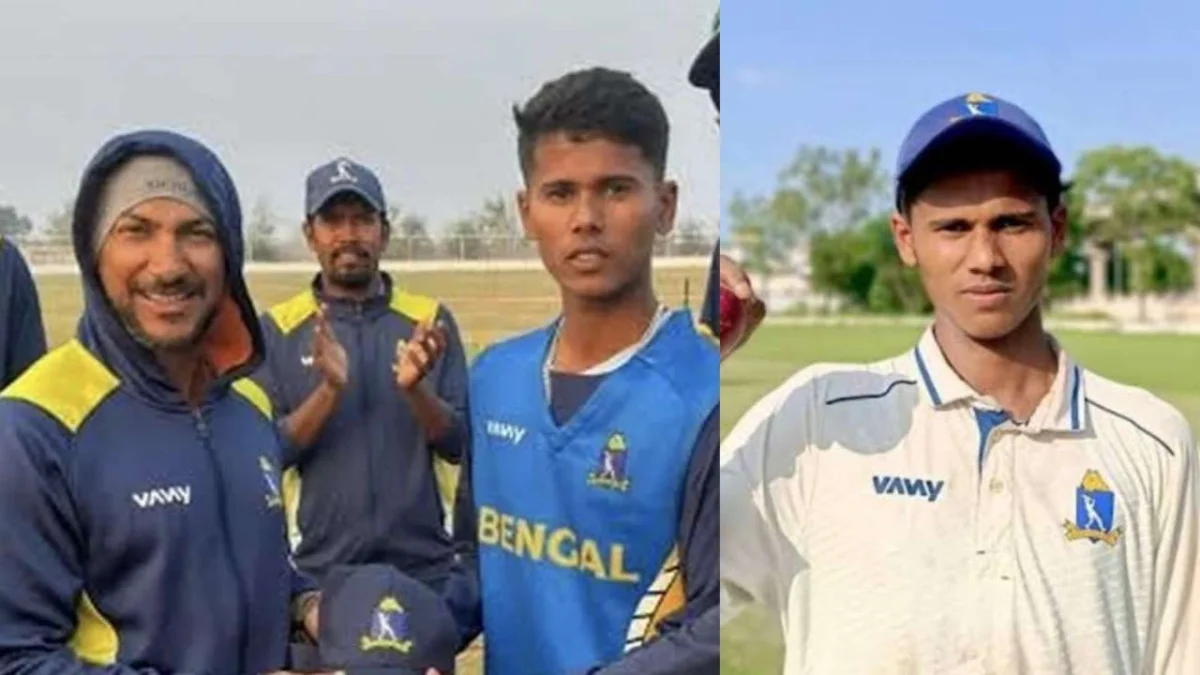
NEW DELHI, INDIA – In a decisive move underscoring its unwavering commitment to maintaining integrity in junior cricket, the Board of Control for Cricket in India (BCCI) has imposed a two-year ban on India U19 leg-spinner Rohit Yadav. The ban, effective immediately, follows an age-related discrepancy flagged by the Cricket Association of Bengal (CAB), forcing Yadav’s immediate withdrawal from the upcoming series against Australia U19. This high-profile action is part of a broader crackdown that has seen 64 other players, including former U19 World Cup winner Ravi Kumar, also face stringent penalties for similar age-related infractions.
The incident involving Rohit Yadav, a promising domestic cricketer for Bengal, has sent ripples through the age-group cricketing circuits, serving as a stark reminder of the BCCI’s zero-tolerance policy against any form of misrepresentation. Yadav, who recently participated in the India U19 tour of Sri Lanka, was deemed guilty of age fraud after a thorough review of pre-season documentation revealed a significant age discrepancy of 27 months. The immediate consequence is not only his removal from the national U19 squad but also a two-year hiatus from all BCCI-sanctioned cricket activities, effectively putting his nascent career on hold.
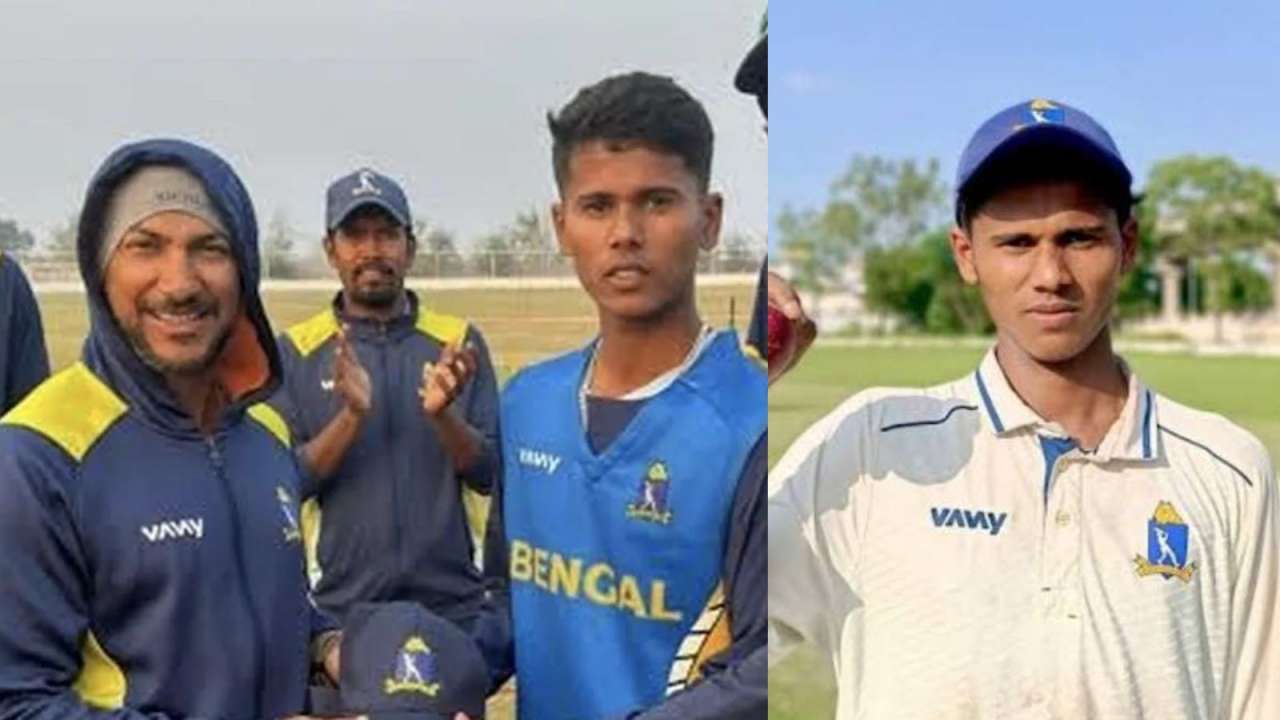
This punitive action against Yadav is not an isolated event but rather a testament to the intensified efforts by the BCCI and its state affiliates, like the CAB, to cleanse the system of age manipulation. The Cricket Association of Bengal has emerged as a proactive force in this initiative, spearheading a rigorous documentation drive that has unearthed multiple cases of age fraud within its ranks. The implications of these findings are profound, affecting the careers of dozens of young cricketers and highlighting the pervasive challenge of age falsification in Indian junior sports.
Chronology of Disclosures and Disciplinary Actions
The current wave of disciplinary actions is the culmination of a systematic verification process designed to ensure fair play and create a level playing field for all aspiring cricketers.
)
CAB’s Vigilance Uncovers Discrepancies
The genesis of these revelations can be traced back to the Cricket Association of Bengal’s meticulously conducted pre-season documentation process. In an effort to streamline player registration and verify credentials, the CAB initiated a comprehensive audit of all registered domestic cricketers, particularly those in the junior categories. This proactive approach involved cross-referencing birth certificates, educational records, and other supporting documents, often employing advanced forensic methods where discrepancies were suspected. It was during this rigorous exercise that the initial red flags concerning Rohit Yadav’s age emerged.
The Case of Rohit Yadav: A 27-Month Discrepancy
Rohit Yadav, a leg-spinner who had already represented India at the U19 level during the tour of Sri Lanka and was slated for the crucial series against Australia U19, found himself under scrutiny. The CAB’s review revealed a significant age discrepancy of 27 months, meaning his actual age was substantially higher than what was officially registered. This misrepresentation, deemed a clear case of age fraud, led to an immediate report to the BCCI. Following an internal review and confirmation of the findings, the BCCI acted swiftly, imposing the two-year ban and withdrawing him from all national U19 commitments. The BCCI has since disseminated this decision to all its affiliated state units, ensuring uniformity in enforcement and serving as a deterrent across the country.

A Wider Net: 64 Other Players Penalised by CAB
Rohit Yadav’s case, while prominent, is merely the tip of the iceberg. The CAB’s extensive documentation drive unearthed a total of 64 other players found guilty of similar age-related discrepancies. This widespread nature of the fraud underscores the systemic challenges faced by cricketing bodies in India. The sheer volume of cases highlights the pressure and temptation faced by young athletes and their families to manipulate age for perceived competitive advantages. The penalties for these 64 players range from suspensions of varying durations to invalidation of past records, depending on the severity and nature of the fraud.
Ravi Kumar’s Downfall: A U19 World Cup Winner Implicated
Among the 64 players penalised by the CAB, the inclusion of left-arm pacer Ravi Kumar has particularly resonated within the cricketing fraternity. Kumar was a vital member of India’s U19 World Cup-winning squad in 2022, a significant achievement that marked him as a bright prospect for the future. He subsequently made his senior debut for Bengal in the same year and last played in 2023. However, the CAB’s investigation revealed an age discrepancy of approximately 40 months in his documentation, a substantial manipulation that has led to severe repercussions.
)
As a consequence of this finding, Ravi Kumar has been penalised, and crucially, all his cricketing records from his senior debut until the 2025-26 season have been invalidated. This move effectively erases a significant portion of his professional career, including his participation in the U19 World Cup, from official records, a devastating blow to a player who once held the promise of national representation. The invalidation of records sends a powerful message about the retrospective consequences of age fraud, aiming to deter future perpetrators by demonstrating that even past glories achieved through deceit can be stripped away.
Supporting Data: The Rationale Behind the Crackdown
The BCCI’s intensified efforts to combat age fraud are not arbitrary; they are rooted in a deep understanding of the detrimental impact such practices have on the integrity of the sport, the fairness of competition, and the genuine development of talent.
)
The Pervasiveness and Motivation for Age Fraud
Age fraud in junior sports, particularly in a highly competitive environment like Indian cricket, is a long-standing issue. The motivations are manifold:
- Competitive Advantage: Older players often possess greater physical maturity, strength, and experience compared to their genuinely younger counterparts, giving them an unfair edge in selection and performance.
- Faster Progression: Manipulating age can accelerate a player’s journey through age-group cricket, offering more opportunities at higher levels sooner.
- Parental Pressure and Societal Expectations: The immense pressure on young athletes to succeed, often driven by parental aspirations and societal expectations of cricketing stardom, can lead to desperate measures.
- Economic Incentives: Success in cricket can lead to significant financial rewards, making the temptation to cheat on age even stronger.
Undermining Fair Play and Genuine Talent
The most insidious consequence of age fraud is its corrosive effect on fair play. When genuinely talented younger players compete against over-aged opponents, their development is stifled, their confidence eroded, and their chances of progression unfairly diminished. This creates an environment where meritocracy is undermined, and the true purpose of age-group tournaments – to identify and nurture talent within specific developmental stages – is compromised. It also leads to a situation where the national pool of talent is skewed, potentially impacting the future strength of senior teams.
)
BCCI’s Evolving Stance and Policy Reinforcements
The BCCI has been battling age fraud for several years, recognizing it as a critical threat to the foundation of Indian cricket.
- The 2020 Amnesty Scheme: In a significant policy shift, the BCCI introduced an amnesty scheme in 2020, offering players a one-time opportunity to voluntarily declare and correct any age discrepancies without facing immediate suspension. This initiative aimed to encourage self-correction and cleanse the system proactively. However, the scheme came with a clear warning: players who failed to self-report would face severe bans if later found guilty of age fraud.
- Reinforced Age Verification Process: Beyond the amnesty, the BCCI has continuously strengthened its age verification protocols. This includes mandatory submission of original birth certificates, school leaving certificates, and other relevant educational records. The board has also employed advanced techniques such as bone-ossification tests (Tanner-Whitehouse 3 method) and forensic analysis of documents to detect discrepancies. The focus is on a multi-layered verification process to leave no room for manipulation.
- Consistent Enforcement: The actions taken against Rohit Yadav, Ravi Kumar, and the 64 other players demonstrate the BCCI’s unwavering commitment to enforcing these rules. This consistency is crucial in building a deterrent effect and signaling that the board is serious about maintaining the sanctity of age-group tournaments.
Historical Context and Precedent
While specific names of past offenders beyond Yadav and Kumar are not provided in the original text, the BCCI has a history of taking action against age fraud. Over the years, numerous players across various state associations have faced bans for similar offenses. These past actions, though perhaps not always as widely publicized, have collectively contributed to the institutional knowledge and resolve to tackle this persistent problem. Each case reinforces the message that while opportunities in cricket are immense, they must be earned through legitimate means.
)
Official Responses and Institutional Commitment
While no direct quotes from BCCI or CAB officials are provided in the source article, the actions taken speak volumes about the institutional stance and commitment to eradicating age fraud.
BCCI’s Unambiguous Stance: Zero Tolerance
The immediate ban on Rohit Yadav and the communication of this decision to all state units reflect the BCCI’s unequivocal zero-tolerance policy towards age fraud. This is not merely a punitive measure but a strategic imperative to safeguard the integrity of the sport. An inferred statement from a BCCI spokesperson might articulate: "The BCCI views age fraud as a serious breach of ethical conduct and fair play. Our commitment to providing a level playing field for all young cricketers is paramount. The actions taken are a clear message that any attempt to manipulate age will be met with severe consequences, irrespective of the player’s potential or past achievements." The consistent enforcement of bans and invalidation of records underscores this resolute position.
)
CAB’s Proactive Role: A Model for State Units
The Cricket Association of Bengal’s proactive role in uncovering these discrepancies sets a commendable precedent for other state associations. Their rigorous pre-season documentation drive, which led to the identification of 65 cases including Yadav and Kumar, demonstrates effective governance and a commitment to upholding ethical standards at the grassroots level. A statement from a CAB official might emphasize: "Our recent documentation drive was an essential step in ensuring the integrity of Bengal cricket. We believe that honesty and fair play are fundamental to a player’s development. While these decisions are difficult, they are necessary to protect the aspirations of genuine young talent and foster a trustworthy cricketing environment. We are fully aligned with the BCCI’s vision for a clean and fair system." This proactive stance by a state body is vital for the BCCI’s overarching anti-fraud initiatives to succeed.
The Deterrent Effect of Strict Penalties
The severity of the penalties – a two-year ban for Yadav and the invalidation of Ravi Kumar’s records until 2025-26 – is intended to act as a powerful deterrent. The message is clear: the short-term gains of age manipulation are far outweighed by the long-term career damage, reputational harm, and the indelible stain on a player’s professional record. These actions serve as a stern warning to aspiring cricketers, their parents, and coaches that honesty in age declaration is non-negotiable.
)
Implications: Consequences and Future Outlook
The recent crackdown on age fraud carries far-reaching implications, affecting individual careers, the integrity of junior cricket, and the future trajectory of Indian cricket as a whole.
For Rohit Yadav: A Stalled Career and Reputational Damage
For Rohit Yadav, the two-year ban is a significant setback, effectively stalling his career at a crucial developmental stage. He loses two prime years of competitive cricket, opportunities for national U19 representation, and valuable exposure that could have propelled him towards senior cricket. Beyond the immediate ban, he faces the challenge of rehabilitating his image and regaining trust within the cricketing community. The reputational damage can be enduring, affecting future selection prospects even after his ban is served. It will require immense dedication and an unwavering commitment to integrity to rebuild his career.
)
For Ravi Kumar: Erased Achievements and a Lingering Shadow
Ravi Kumar’s situation is particularly poignant, given his status as a U19 World Cup winner. The invalidation of his records from his senior debut until the 2025-26 season means that a significant period of his cricketing life, including his greatest triumph, is officially erased. This consequence is arguably more severe than a mere ban, as it retroactively questions the legitimacy of past achievements. It casts a lingering shadow over his entire career, forcing a re-evaluation of his past successes. Like Yadav, he faces the daunting task of rebuilding his career from a compromised position, with the added burden of past achievements being deemed illegitimate.
For the 64 Other Players: Varied Consequences and a Harsh Lesson
The 64 other players penalised by the CAB will also face varied but significant consequences, depending on the specifics of their cases. For many, it will mean a period away from the game, loss of opportunities, and a harsh lesson about the importance of honesty. This collective action serves as a strong reminder that age fraud is not an isolated individual act but a systemic issue that impacts many aspiring cricketers.
)
For Junior Cricket in India: A Path Towards Enhanced Credibility
The most significant long-term implication is the potential for a cleaner and more credible junior cricket system in India. By demonstrating a firm hand, the BCCI is fostering an environment where:
- Meritocracy Prevails: Genuine talent will have a fairer chance to shine, unhindered by the unfair advantage of over-aged competitors.
- Increased Trust: Players, parents, and coaches can have greater trust in the selection processes and the fairness of age-group tournaments.
- Stronger Foundations: A system built on integrity will produce stronger, more ethically grounded cricketers who can contribute positively to the sport at all levels.
- Deterrence: The severe penalties will act as a powerful deterrent, discouraging future attempts at age fraud.
For BCCI’s Reputation: Upholding Global Standards
Globally, cricket bodies are increasingly focused on governance and integrity. By taking such decisive action, the BCCI reinforces its commitment to upholding ethical standards and aligns itself with best practices in sports administration. This enhances the BCCI’s reputation not just within India, but also on the international stage, demonstrating its resolve to tackle a problem that plagues many sporting disciplines worldwide.
)
Future Measures and the Road Ahead
The battle against age fraud is ongoing. While current measures are robust, future efforts might include:
- Advanced Biometric Testing: Exploring more sophisticated biometric and medical testing methods for age verification.
- Continuous Monitoring: Implementing systems for continuous monitoring and random checks throughout a player’s junior career, rather than just at initial registration.
- Education and Awareness: Launching more extensive educational campaigns for young cricketers, parents, and coaches about the ethical implications and severe consequences of age fraud.
- Whistleblower Protection: Strengthening mechanisms for reporting suspected cases of age fraud, with robust protection for whistleblowers.
In conclusion, the recent actions by the BCCI and CAB, particularly the ban on Rohit Yadav and the invalidation of Ravi Kumar’s records, mark a significant moment in Indian cricket’s fight against age fraud. These stringent measures send an unequivocal message: integrity is paramount, and deception will not be tolerated. While the immediate consequences are harsh for the individuals involved, the long-term benefits of fostering a fair, transparent, and ethical cricketing ecosystem for future generations of Indian cricketers are immeasurable. The BCCI’s commitment ensures that the dreams of aspiring young talents are built on a foundation of honesty and genuine merit, safeguarding the true spirit of the game.
