

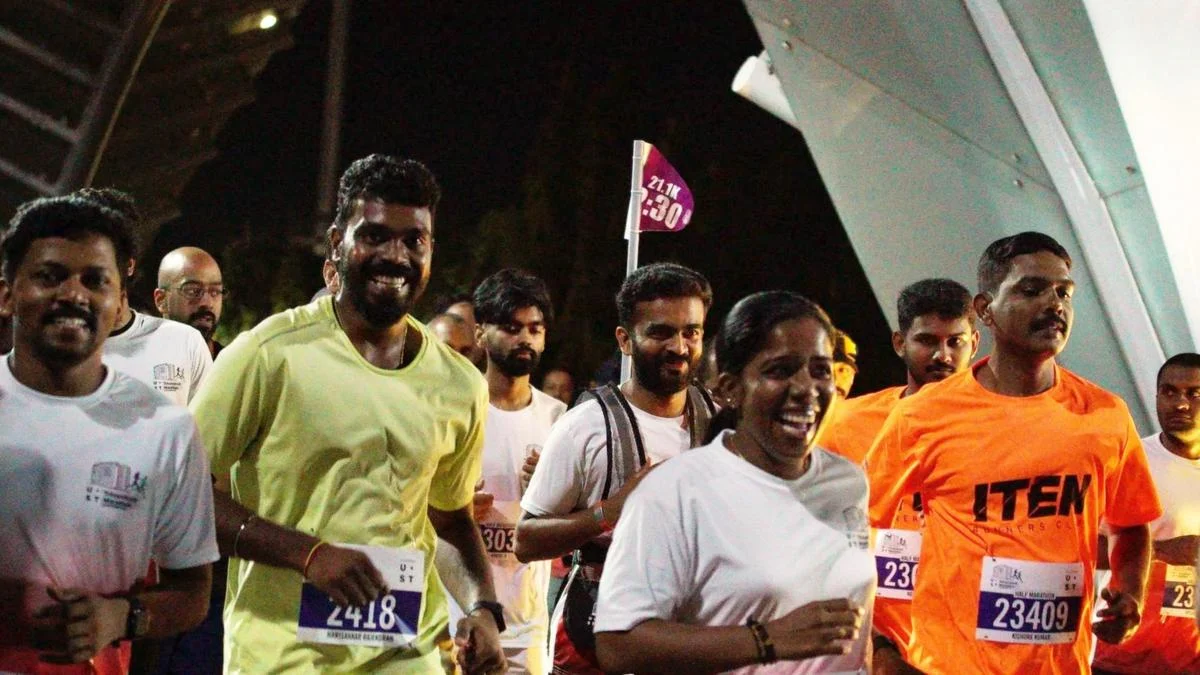
Thiruvananthapuram, Kerala – In the bustling city of Thiruvananthapuram, a quiet revolution is underway, fueled by sweat, shared miles, and the camaraderie forged on trails and pavements. Beyond the traditional avenues of social interaction, a vibrant ecosystem of run clubs and trekking communities has emerged, offering more than just physical exertion. These groups have become vital hubs for adults seeking not only to improve their fitness but also to cultivate meaningful friendships, combat loneliness, and discover a renewed sense of well-being. From seasoned marathoners to nascent enthusiasts, individuals from diverse backgrounds are finding a welcoming space to connect, grow, and thrive.
The Genesis of Connection: More Than Just a Workout
For 39-year-old Nayana LR, a speech pathologist, the decision to join the Travancore Run Club last December was a pivotal moment in her personal journey. After dedicating the better part of the last five years to the demanding, yet rewarding, role of raising her two children, Nayana recognized the pressing need to prioritize her own physical and mental well-being. "It was time to take care of myself," she states, her voice reflecting a newfound sense of self-awareness. The run club, which flagged off with a modest gathering, quickly transformed into a sanctuary for her.
"Apart from alleviating stress and improving my endurance, the group became a space where I found friends across age groups and genders," Nayana shares with a warm smile. The shared pursuit of a healthier lifestyle has dissolved traditional social barriers, fostering an environment where age, gender, and professional backgrounds become secondary to a common passion. Now, she eagerly awaits Sundays and Wednesdays, the designated running days, a testament to the profound impact these outdoor gatherings have had on her life.

This sentiment is echoed by Kanwaljeet Dhillon, a 42-year-old homemaker who relocated to Thiruvananthapuram four years ago due to her husband’s transfer with the armed forces. Originally from Chandigarh, Kanwaljeet found herself adrift in a new city, struggling to forge connections beyond the immediate circle of service members and their spouses. "It is difficult to get out of bed early in the morning when you have to run by yourself," she confesses. "But it gets easier when you know there’s someone waiting for you." Her introduction to the ITEN Runners Club in October last year marked a turning point. The shared commitment and the encouragement of fellow runners have transformed solitary early morning runs into anticipated social events. Her dedication has not gone unnoticed; she recently achieved a commendable third place in the mixed doubles category at the Hyrox competition held in Delhi last year, a feat she attributes in part to the support and motivation she receives from her running group.
Joseph Charles, the founder of Zero Fitness Performance Studio, observes this phenomenon with keen insight. "When people come together, there is more accountability among them," he explains. His studio, which boasts 260 active members, sees a significant 140 of them actively participating in group training sessions. "It becomes a third place for people to hang out," he adds, highlighting the evolution of these fitness communities into essential social ecosystems, akin to a community center or a favorite café, but with the added benefit of promoting a healthy lifestyle.
A Tapestry of Communities: Diverse Avenues for Connection
Thiruvananthapuram’s landscape is now dotted with a diverse array of run clubs and trekking communities, each offering a unique flavor of outdoor engagement and social connection. These include, but are not limited to, the Travancore Run Club, ITEN Runners Club, Project Pace, Academy for Mountaineering and Adventure Sports (AMAS), and ITREK. These organizations have collectively woven a rich tapestry of opportunities for adults to forge genuine friendships while bonding over shared outdoor pursuits.

Joel Abraham Chekkulathu, a 28-year-old who moved to Kazhakkootam over two years ago, found himself navigating the challenges of settling into a new environment. "After moving to a new city, the closest companions you initially have are your colleagues," he reflects. "But as I started exploring different communities, I found more people with common interests." His journey led him to connect with Suresh Sam Chandy, a renowned six-time Ironman winner. Under Sam’s guidance, Joel began training, and his growing fascination with nature-related activities naturally led him to ITREK, a community founded by Sam, which has since garnered a membership of an impressive 750 individuals.
Suresh Sam Chandy himself chuckles when he recounts the serendipitous nature of some connections within their group. "Many people have even found long-lost friends from school or college through our community," he jokes. ITREK, dedicated to exploring the natural beauty of the region, organizes treks twice a month, providing regular opportunities for its members to reconnect with nature and with each other.
The Academy for Mountaineering and Adventure Sports (AMAS), an NGO based in Neyyattinkara, extends its reach beyond just running, offering a spectrum of adrenaline-pumping activities such as trekking, rock climbing, and rappelling throughout the year across the state. Tomy John, the director of AMAS, notes the significant contribution of individuals from outside the city to their patron base. "Those who attend our events together often remain in touch afterwards and participate in future programmes together," he observes, underscoring the lasting bonds that are forged through shared adventures.

The Power of Accountability and Shared Goals
The principle of accountability is a recurring theme when discussing the success of these community-based fitness initiatives. Joseph Charles’ observation that "When people come together, there is more accountability among them" rings true for many participants. The commitment to meeting others for a run or a trek inherently raises the stakes, making it harder to skip a session when a friend is waiting.
This is particularly evident in the ITEN Runners Club, founded in 2016. With a diverse membership ranging from 18 to 70 years old, the club thrives on a blend of experienced runners and enthusiastic beginners. Raj Kalady, the secretary of ITEN Runners Club, elaborates on this dynamic: "The former helps others develop the habit of running. They exchange information about recovery, shoes, attire, and more." This intergenerational knowledge transfer fosters a supportive learning environment where everyone can progress at their own pace. The club is also looking towards the future, gearing up to organize the Trivandrum Heritage Run 2026 on August 9th, a 10K race designed to showcase the city’s rich landmarks, further solidifying their connection to the local community.
Project Pace, a newer entrant to the Thiruvananthapuram running scene, co-founded by Saahil Rahman, a second-year mechanical engineering student at Government Engineering College Barton Hill, embodies the spirit of grassroots growth. "The group was a collection of amateurs who were trying to grow," Saahil explains. "That mindset has helped them improve without any added pressure." He proudly points to the tangible progress of their members, noting that individuals who once took 45 minutes to complete five kilometers now achieve the same distance in a remarkable 28 minutes. This dramatic improvement is a testament to the power of collective effort and shared aspirations.

The Travancore Run Club, initiated by Sree Vighnesh, also exemplifies the organic growth of these communities. Initially a solo runner preparing for marathons, Sree’s initiative to create an Instagram page and extend an invitation for others to join was met with an overwhelming response. "One person showed up after our first invite. Now, we have around 3,000 people in our WhatsApp community," he exclaims. This exponential growth highlights the latent demand for such social fitness outlets in the city.
Fostering Inclusivity and Belonging
A significant aspect of these communities is their inherent inclusivity, particularly for women. Nayana’s observation that "Many women find it difficult to participate in such activities because they worry about whether the group will be male-dominated or whether they will be able to make friends" is a valid concern in many social settings. However, the deliberate cultivation of a welcoming atmosphere within these outdoor groups has proven to be a powerful antidote to such anxieties.
"After running, we spend time together and introduce ourselves to the group," Sree Vighnesh explains, detailing the post-run rituals of the Travancore Run Club. "We divide participants into teams and play games. Conversations range from politics to poetry." This structured social interaction ensures that everyone has an opportunity to connect and feel integrated. The fact that 60% of the Travancore Run Club’s members are from outside Thiruvananthapuram further underscores its broad appeal and its ability to draw individuals seeking a sense of belonging. Nayana’s experience is a powerful testament to this, as she now finds immense joy in being part of a group, and her children have even expressed a desire to join her on her runs, signifying a generational embrace of this healthy and social pursuit.

The Broader Implications: Health, Happiness, and Community Resilience
The rise of these run clubs and trekking communities in Thiruvananthapuram signifies a broader shift in how individuals are approaching health and well-being. They are moving beyond the confines of traditional gyms and solitary exercise routines to embrace activities that offer a holistic approach, encompassing physical fitness, mental rejuvenation, and robust social connection.
The implications of this trend are far-reaching. In an increasingly digitized and often isolating world, these groups provide crucial opportunities for face-to-face interaction and the formation of genuine human bonds. This can have a significant positive impact on mental health, combating loneliness and reducing stress. Furthermore, by encouraging regular physical activity, these communities contribute to the overall health and well-being of the city’s population, potentially leading to reduced healthcare costs in the long run.
The shared experiences of overcoming physical challenges, celebrating personal milestones, and supporting each other through difficult times foster a strong sense of community resilience. These groups are not just about individual improvement; they are about building a collective spirit of support and encouragement that can extend beyond the trails and pavements into other aspects of life. As more individuals discover the transformative power of these outdoor communities, Thiruvananthapuram is emerging as a city where physical activity is not just a personal pursuit, but a shared journey towards a healthier, happier, and more connected future. The echoes of running shoes and the camaraderie of trekkers are becoming the soundtrack to a thriving urban landscape, proving that sometimes, the most profound connections are forged when we step outside and explore together.
