

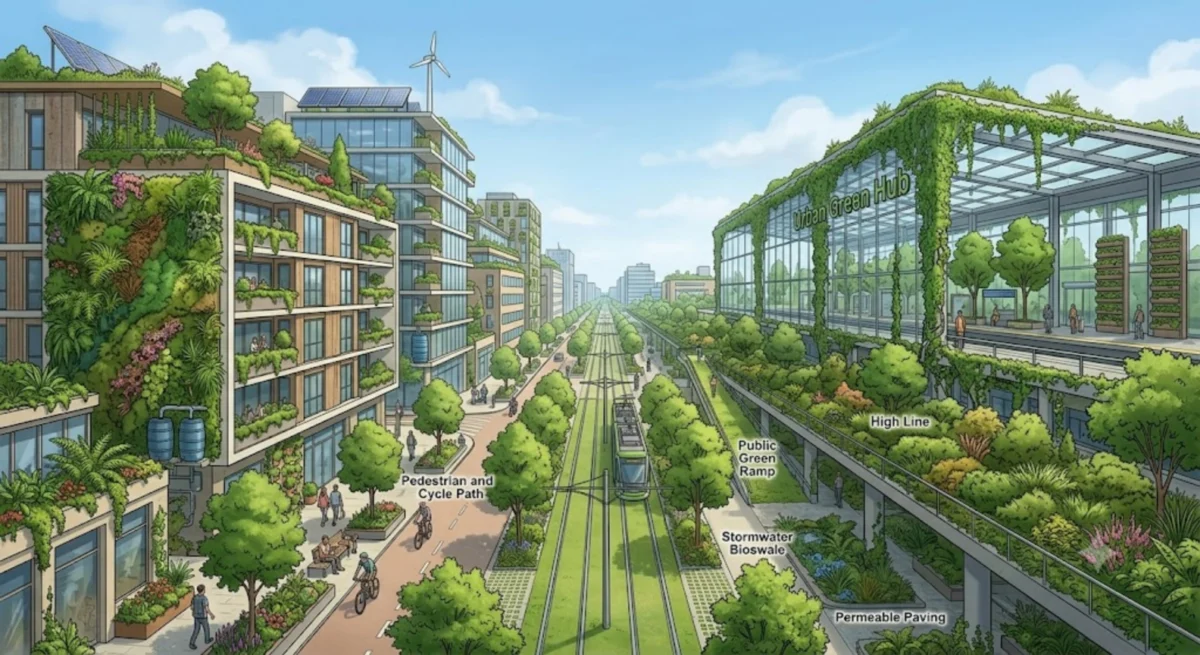
New Delhi, India – As India’s urban centers bake under increasingly intense heatwaves and relentlessly rising temperatures, a singular solution has often dominated public discourse and policy: planting more trees. While undeniably crucial, a growing consensus among environmental experts suggests that this approach, while well-intentioned, may be insufficient to adequately cool our sprawling cities. The key, they argue, lies not just in the quantity of trees, but in the strategic integration of a diverse urban green infrastructure, encompassing shrubs, ground cover, and even vertical gardens, to create a more resilient and effective cooling system.
This nuanced perspective is being championed by prominent environmentalists like Jasmit Singh Arora, affectionately known as the "Gutliman of India" for his deep-rooted commitment to urban greenery. Arora emphasizes that viewing urban vegetation as a monolithic entity – solely focused on tree planting – overlooks the synergistic benefits of a multi-layered approach. "Urban vegetation is essentially a city’s green infrastructure," Arora explained in a recent interview. "It includes trees, shrubs, grass, and even plants on roofs and walls. As cities get hotter, this greenery acts like a natural air conditioner, helping reduce dangerous heat stress."
The stark reality of India’s urban heat islands is undeniable. Metropolises like Delhi, Ahmedabad, and Kolkata are experiencing record-breaking temperatures, impacting public health, economic productivity, and the overall quality of life for millions. While the image of a newly planted sapling offers a hopeful vision, the scientific understanding of how to effectively combat urban heat demands a more sophisticated strategy.
The Science of Urban Cooling: Shading and Evapotranspiration
The cooling prowess of urban vegetation stems from two fundamental natural processes: shading and evapotranspiration. Understanding these mechanisms is vital to appreciating why a diverse green landscape is superior to a monoculture of trees.
Shading: The Primary Shield Against Solar Radiation
"Shading is the primary cooling mechanism," Arora stated, highlighting its immediate and significant impact. A mature tree canopy acts as a formidable barrier against the sun’s relentless assault. Research indicates that trees can intercept up to an astonishing 97% of incoming solar radiation. This direct blockage of sunlight prevents surfaces like roads, pavements, and buildings from absorbing and re-radiating heat, effectively lowering ambient temperatures. The impact is substantial, with studies showing that tree cover alone can reduce surface temperatures by anywhere from 2 to 12 degrees Celsius.
This reduction in surface temperature translates directly into a more comfortable environment for pedestrians. Arora noted that in certain conditions, trees have been observed to reduce the air temperature experienced by people on the ground by as much as 12 degrees Celsius. This difference can be the crucial factor between a sweltering, unbearable walk and a relatively pleasant stroll.
Evapotranspiration: Nature’s Own Air Conditioning
The second critical cooling process is evapotranspiration. This is the biological function by which plants release water vapor from their leaves into the atmosphere. Arora draws a clear analogy: "It’s similar to how sweating cools the human body." As water evaporates from the plant’s surface, it absorbs heat from the surrounding air, thereby lowering its temperature. This process, while perhaps less dramatic than direct shading, contributes significantly to the overall cooling effect. Evapotranspiration can reduce surrounding air temperatures by an estimated 0.5 to 5.8 degrees Celsius, a substantial difference when experienced across an entire urban landscape.
The Synergistic Power of Layered Greenery
While trees undoubtedly form the backbone of urban cooling strategies due to their extensive canopy and significant evapotranspiration capacity, experts like Arora are increasingly advocating for a more integrated approach. The growing body of research points towards a layered vegetation strategy as being significantly more effective than relying on trees alone.
"Trees alone are not always enough," Arora asserted. "When trees are combined with shrubs and ground cover, the cooling benefits can more than double compared to single-layer planting." This amplified effect arises from the complementary roles each layer of vegetation plays in mitigating urban heat.
A Cascade of Shade and Heat Mitigation
The concept is akin to a multi-tiered defense system against heat. The dense canopy of mature trees provides the first line of defense, blocking direct overhead sunlight. Below this canopy, shrubs and smaller trees create a secondary layer of shade, further reducing the amount of solar radiation reaching the ground. Finally, ground cover, such as grasses, low-lying plants, and even living mulches, plays a vital role in preventing heat from radiating upwards from the surfaces they cover.
"Think of it as a cascade of shade," Arora explained. "The upper layer protects against direct sunlight, while the lower layers stop heat from building up at ground level." This comprehensive shading prevents the ground itself – including pavements, roads, and barren soil – from becoming a heat reservoir, which is a major contributor to the urban heat island effect.
Reducing Heat Absorption and Nocturnal Heat Release
Beyond direct shading, the presence of diverse vegetation layers significantly impacts heat absorption. Paved surfaces and exposed soil absorb vast amounts of solar energy during the day and then slowly release this stored heat into the surrounding atmosphere throughout the night. This phenomenon keeps urban areas significantly warmer at night than surrounding rural landscapes, a characteristic feature of urban heat islands.
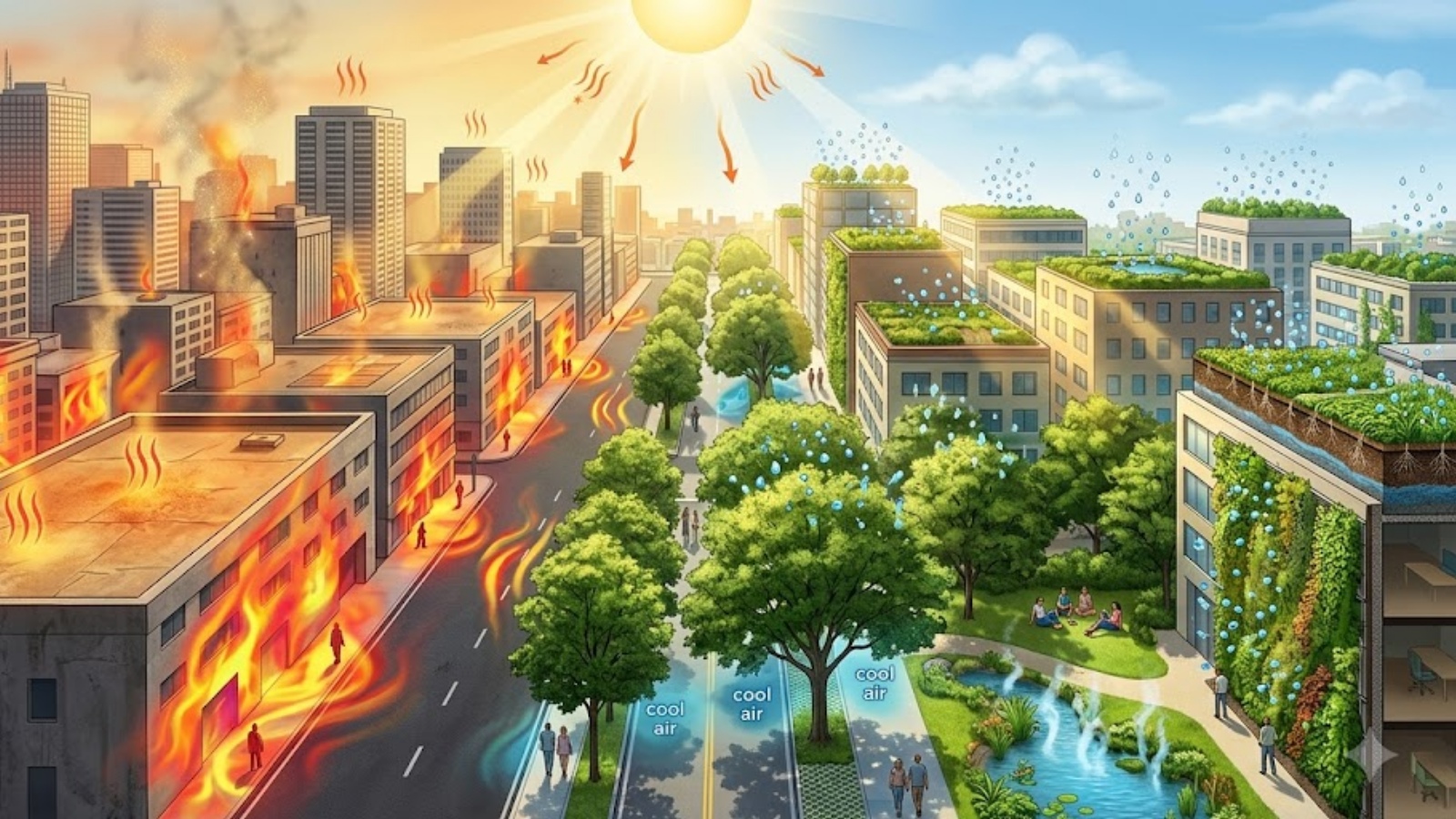
"Ground cover and understory plants prevent soil and pavement from absorbing heat during the day and releasing it later at night," Arora elaborated. This continuous absorption and release cycle is disrupted by a well-vegetated landscape. By covering these heat-absorbing surfaces, shrubs and ground cover reduce the overall heat load that the city has to dissipate. Consequently, this helps to lower nighttime temperatures, providing much-needed respite from the oppressive heat that often lingers after sunset. This reduction in nocturnal heat is critical for human health, allowing bodies to recover from the day’s heat exposure.
Case Studies: India’s Cities Embracing Green Solutions
The principles of urban vegetation are not merely theoretical; they are being implemented, albeit with varying degrees of success, across India’s major urban centers. These initiatives, often driven by local authorities and urban planners, offer tangible evidence of the benefits of strategic greening.
Delhi: Parks as Urban Oases
In the national capital, Delhi, which frequently experiences some of the highest temperatures in the country, the impact of shaded parks is palpable. Arora notes that "shaded parks can be five to seven degrees cooler than nearby concrete-dominated areas." This stark contrast highlights the immediate cooling effect that well-maintained green spaces can provide. Beyond parks, the broader impact of tree cover in Delhi has been shown to reduce surface temperatures by a significant 3.8°C to 8.4°C, offering a crucial buffer against extreme heat.
Ahmedabad: Rethinking Pavement for Plants
Ahmedabad, often cited as one of India’s hottest major cities, is making proactive strides in integrating vegetation into its urban planning. Recognizing the heat-trapping nature of its extensive paved infrastructure, the city is actively engaged in replacing pavement with plants. Arora points out that this initiative is underway at "more than 100 junctions," demonstrating a commitment to a more permeable and vegetated urban fabric. This shift away from heat-absorbing surfaces towards cooling greenery is a crucial step in combating the city’s rising temperatures.
Kolkata and Guwahati: Localized Cooling Effects
The benefits of urban vegetation are also evident in other major cities. In Kolkata, urban parks consistently register temperatures one to two degrees cooler than their surrounding neighborhoods. While this might seem a modest difference, across a densely populated city, it translates to more comfortable microclimates for residents. Further east, in Guwahati, vegetated areas have been observed to be up to five degrees Celsius cooler than nearby built-up zones, showcasing the localized yet significant cooling impact of green spaces.
Moving Beyond Tree Counts: A Call for Comprehensive Metrics
Despite the growing recognition of urban greenery’s importance, Arora cautions against a continued overemphasis on simply counting the number of trees planted. While large-scale tree plantation drives are commendable and visually impactful, they can sometimes overshadow the more intricate aspects of effective urban greening.
"Cities should move beyond measuring success through tree numbers alone," he urged. "The arrangement, density, and type of vegetation matter just as much as canopy cover." This call for a more holistic approach suggests that urban planners and policymakers need to adopt a broader set of metrics that evaluate the functional performance of green infrastructure, not just its quantitative presence.
This includes considering:
- Species Diversity: Selecting native and climate-resilient plant species that can thrive in urban conditions and offer maximum cooling benefits.
- Vegetation Structure: Prioritizing multi-layered designs that incorporate trees, shrubs, and ground cover to maximize shading and evapotranspiration.
- Spatial Distribution: Strategically placing green spaces and corridors to optimize cooling effects across the urban landscape, particularly in heat-vulnerable areas.
- Maintenance and Health: Ensuring that planted vegetation is well-maintained and healthy, as stressed or dying plants offer significantly reduced cooling benefits.
Arora reiterates the power of a well-designed green infrastructure: "Layered vegetation can reduce afternoon heat stress by up to eight degrees Celsius compared to open spaces." This substantial reduction underscores the potential of a comprehensive, science-backed approach to urban cooling.
Implications for Urban Planning and Policy
The insights provided by experts like Jasmit Singh Arora carry significant implications for how India’s cities approach urban planning and climate resilience. The findings suggest a paradigm shift is needed, moving from a singular focus on tree planting to a more integrated strategy that views urban vegetation as a critical component of a city’s essential infrastructure, akin to water supply or transportation networks.
Policy Recommendations:
- Develop Comprehensive Urban Greening Master Plans: These plans should go beyond simple tree planting targets and incorporate strategies for developing multi-layered green spaces, including parks, urban forests, green roofs, vertical gardens, and vegetated streetscapes.
- Incentivize Green Infrastructure Development: Local governments should explore incentives for developers to incorporate green infrastructure into new projects and for existing buildings to adopt green roofs and vertical gardens.
- Promote Research and Data Collection: Continued research into the specific cooling benefits of different types of urban vegetation in various Indian urban contexts is crucial for informed decision-making. This includes monitoring temperature differentials and evaluating the impact on public health.
- Community Engagement and Education: Raising public awareness about the importance of diverse urban vegetation and encouraging community participation in greening initiatives can foster a sense of ownership and long-term sustainability.
- Integrate Green Infrastructure into Disaster Management Plans: As heatwaves become more frequent and intense, urban green infrastructure should be recognized as a vital tool in disaster preparedness and response strategies.
The escalating heat crisis in India’s cities demands innovative and effective solutions. While planting trees remains a vital part of the puzzle, the wisdom of a layered, diverse, and strategically integrated approach to urban green infrastructure offers a more potent and sustainable path towards building cooler, more resilient cities for the future. The "Gutliman of India" and his ilk are not just planting trees; they are cultivating a vision for a greener, cooler urban landscape that can withstand the mounting pressures of a warming planet.
Disclaimer: This article is based on information from the public domain and/or the experts we spoke to.
