

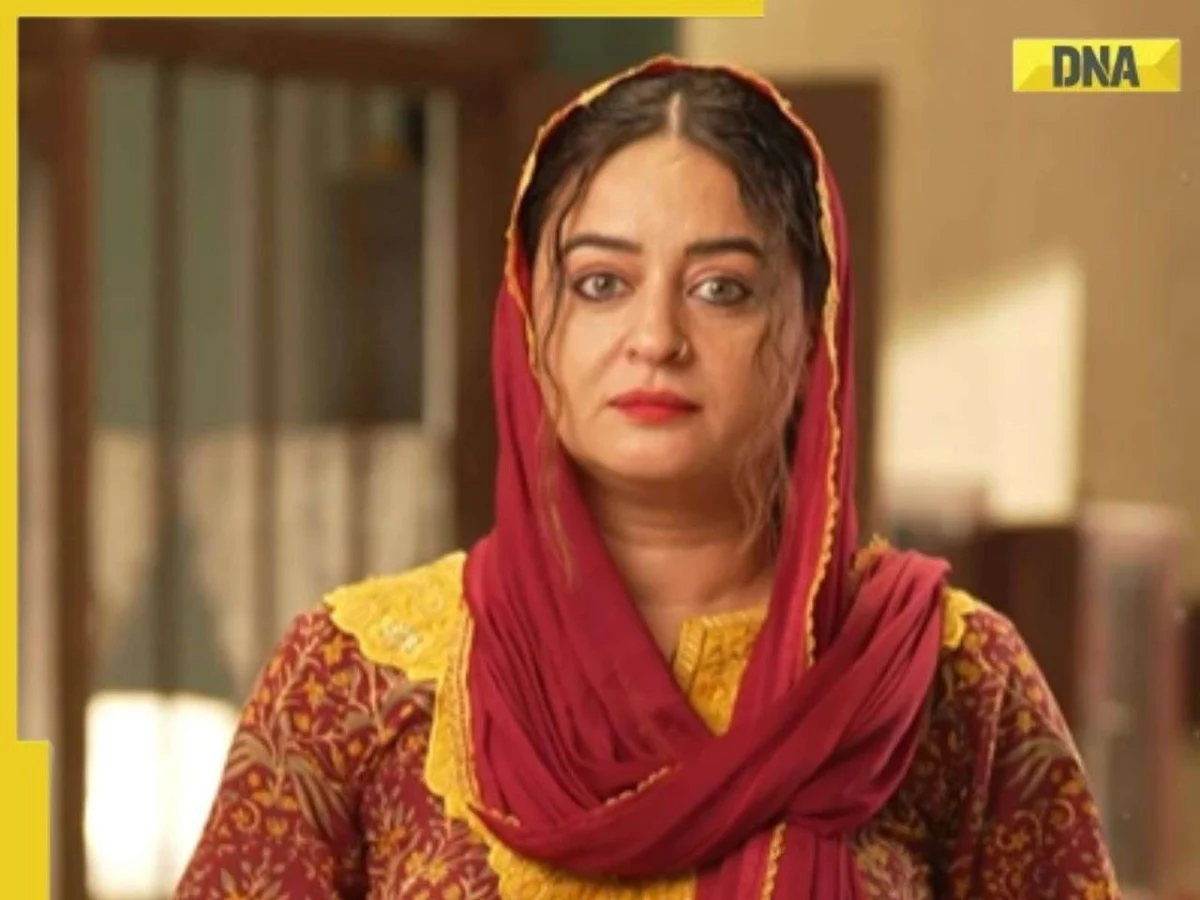
Mumbai, India – May 20, 2026 – In the wake of deeply distressing incidents of alleged dowry deaths that have sent shockwaves across the nation, actress Mahhi Vij has amplified a critical discourse on the persistent vulnerability of women in India. Currently captivating audiences with her powerful portrayal of Kausar in the television drama "Seher Hone Ko Hai," Vij is using her platform to shed light on the pervasive issues of marital abuse, emotional trauma, and domestic violence. Her performance, lauded for its raw honesty and emotional depth, has resonated profoundly, particularly in its depiction of a woman’s arduous journey from silent suffering to defiant resilience.
Vij’s character, Kausar, embodies the struggles of countless women who endure years of mental and physical torment, often in silence. The series, which tackles these uncomfortable yet vital themes, has found an even greater resonance with viewers in light of recent tragedies, serving as a stark reminder that the fight for women’s safety remains far from over, extending from the most remote villages to the bustling metropolises.
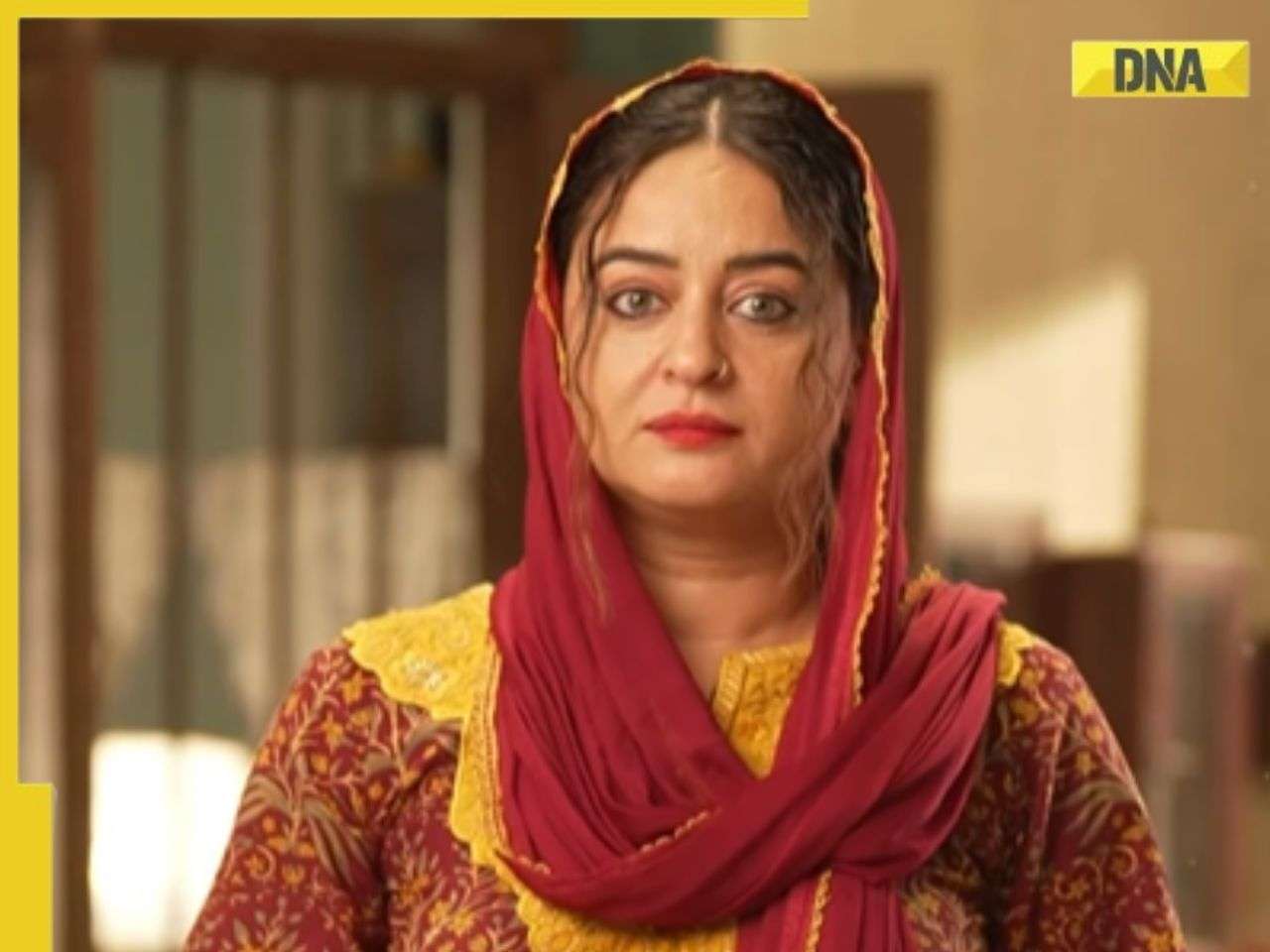
A Character Forged in Pain, Dedicated to Survivors
"Seher Hone Ko Hai" delves into the grim realities faced by women within domestic spheres, exploring the psychological and physical toll of abuse. Kausar’s narrative arc, which culminates in her confronting her abuser after years of enduring unimaginable pain, has struck a chord with the public. This journey of reclaiming agency is a central theme that Vij felt compelled to champion.
One particularly poignant moment in the series features Kausar experiencing an intense emotional breakdown, a cathartic release of deeply suppressed trauma. This scene has been widely praised for Vij’s ability to convey the profound pain and vulnerability of her character with unflinching authenticity. For Vij, however, Kausar is more than just a role; she represents a collective experience.
)
"This character is also dedicated to every woman who has suffered mental or physical abuse – whether at the hands of a spouse or any family member," Vij shared in a candid conversation about her role. "Even today, in many parts of India, both rural and urban, women are still not safe. They continue to face mental and physical torment in silence. This episode is for all those women."
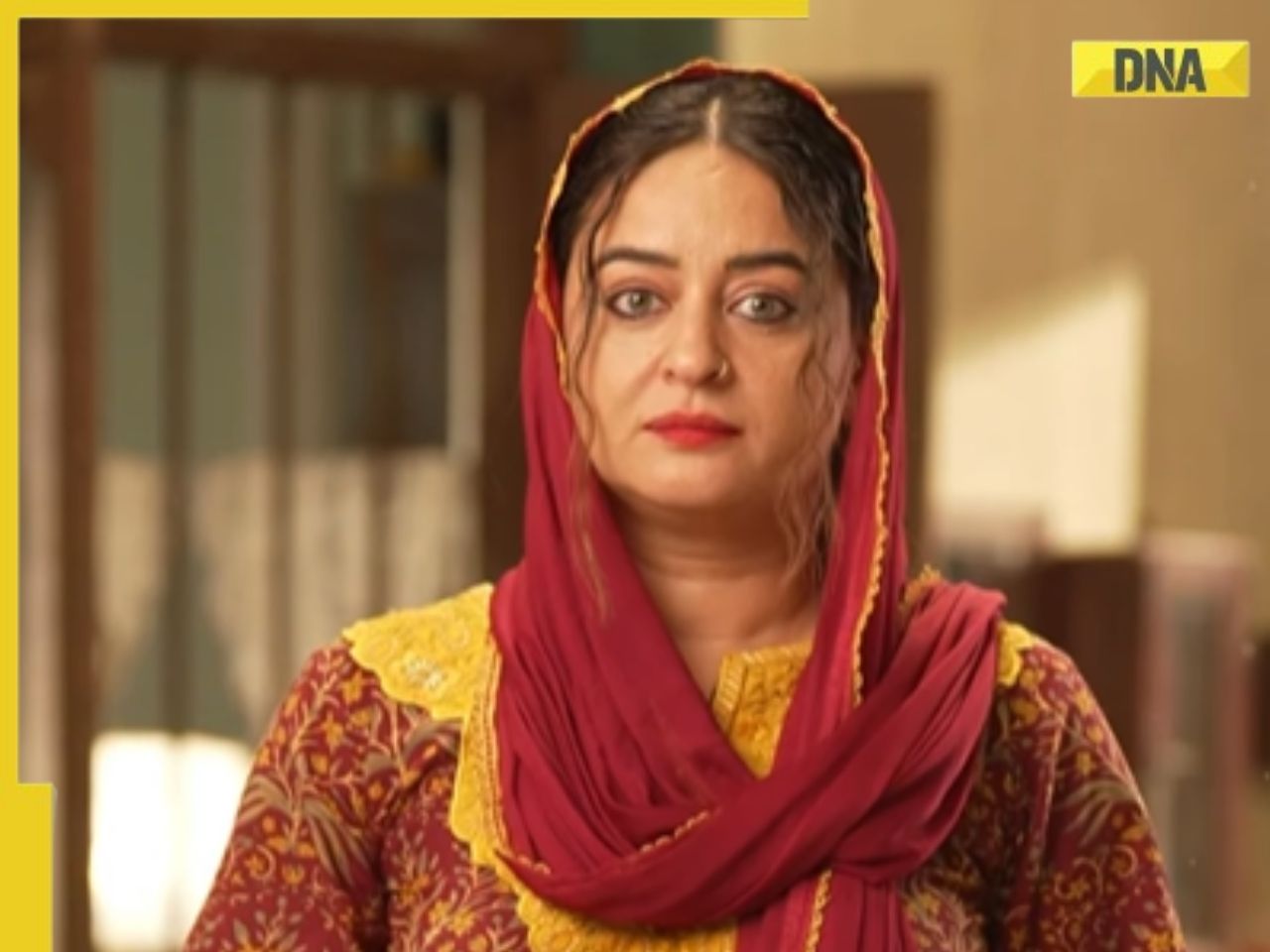
Vij further elaborated on the personal connection she feels with Kausar, particularly through the character’s fierce maternal instinct to protect her child. "As a mother myself, Kausar’s unwavering drive to safeguard her daughter has deeply resonated with me," she explained. "This connection has undoubtedly made it one of the most personal and emotionally demanding performances of my career to date." This personal investment has clearly translated into a performance that transcends mere acting, offering a voice to the voiceless.
)
The Unfolding Narrative: From Silence to Strength
The narrative of "Seher Hone Ko Hai" meticulously chronicles Kausar’s descent into despair under the weight of abuse. Initially, the character is portrayed as a woman trapped by circumstance, her spirit slowly eroding under relentless emotional and physical onslaught. The show does not shy away from depicting the subtle yet devastating ways in which abuse can manifest, from constant belittling and manipulation to outright physical violence.
Early Stages of Kausar’s Struggle:
The initial episodes likely focused on establishing Kausar’s domestic environment, subtly hinting at the underlying tensions and the power imbalance within her relationship. Viewers would have witnessed her quiet endurance, her attempts to maintain a semblance of normalcy for her family, and the growing internal conflict between her desire for peace and the escalating reality of her suffering. This period would have been crucial in building empathy for Kausar, allowing the audience to understand the immense pressure she was under.

The Breaking Point and Emotional Release:
The pivotal scene of Kausar’s emotional breakdown marks a significant turning point. This sequence, as highlighted, is not merely a dramatic outburst but a manifestation of years of pent-up pain, fear, and humiliation. Vij’s portrayal of this moment would have been critical in conveying the sheer weight of Kausar’s ordeal. The raw emotion, the tears, the fragmented words – all would have served to illustrate the profound psychological impact of sustained abuse. This scene is not just about Kausar’s suffering but also about the human capacity to reach a breaking point, a point where the pain becomes so unbearable that it demands an outlet.
The Emergence of Resilience:
Following this emotional catharsis, the narrative would shift towards Kausar’s gradual awakening and the resurgence of her inner strength. This phase is often the most challenging for victims of abuse, as they navigate the complex path of self-discovery and empowerment. Kausar’s journey would involve reclaiming her voice, challenging her abuser, and making conscious decisions to prioritize her well-being and that of her child. This transformation, as depicted by Vij, is likely to be a slow and arduous process, punctuated by moments of doubt and fear, but ultimately driven by an unyielding spirit.
)
Confrontation and Reclamation:
The climax of Kausar’s arc, as described, involves her directly confronting her abuser. This act of defiance is symbolic of her complete reclamation of her agency and her refusal to be a victim any longer. The show’s depiction of this confrontation would be crucial in showcasing the courage it takes to stand up against those who have caused immense harm. It is a testament to the resilience of the human spirit and the power of self-love and determination.
Societal Echoes: The Unsafe Reality for Women
The timeliness of "Seher Hone Ko Hai" and Mahhi Vij’s powerful portrayal cannot be overstated. The recent tragic incidents involving Twisha Sharma and Deepika Nagar have brought the issue of dowry deaths and the broader spectrum of violence against women to the forefront of national consciousness. These events serve as grim reminders that despite advancements, women in India continue to face significant threats to their safety and dignity.
)
The Shadow of Dowry Deaths:
Dowry, a deeply entrenched social evil, continues to plague Indian society. Despite being illegal, the practice persists, leading to immense pressure on brides and their families, often culminating in horrific violence. The cases of Twisha Sharma and Deepika Nagar are stark examples of the devastating consequences of this archaic custom, highlighting the urgent need for societal introspection and stringent enforcement of laws.
Beyond Dowry: A Spectrum of Abuse:
While dowry deaths represent a particularly egregious form of violence, they are symptomatic of a larger problem. Women across India face a multifaceted array of abuses, including:
)
- Marital Abuse: This encompasses physical, emotional, sexual, and economic abuse within marriage. It is often characterized by a pattern of coercive control, where one partner dominates and subjugates the other.
- Domestic Violence: This is a broader term that includes any form of abuse within a domestic setting, not limited to marriage. It can occur in various familial relationships and often involves intimidation, harassment, and physical harm.
- Emotional and Mental Abuse: This form of abuse is often insidious and can be as damaging as physical violence. It involves tactics such as manipulation, gaslighting, constant criticism, humiliation, and isolation, aimed at eroding a victim’s self-esteem and mental well-being.
- Stalking and Harassment: Women are frequently subjected to unwanted attention, surveillance, and harassment, which can create a climate of fear and insecurity.
- Sexual Violence: This remains a pervasive and deeply disturbing issue, with women facing the threat of assault in public and private spaces.
The Silence of the Victims:
A significant factor contributing to the perpetuation of abuse is the societal pressure on women to remain silent. Fear of social stigma, economic dependency, cultural norms that prioritize family honor over individual safety, and a lack of faith in the justice system often compel women to endure abuse in silence. This silence, however, comes at a devastating cost, both to the individual and to society as a whole.
Mahhi Vij’s Stand: A Voice for the Unheard
Mahhi Vij’s decision to dedicate her character Kausar to victims of abuse is a powerful act of solidarity. By openly acknowledging the ongoing struggles of women and using her platform to amplify their voices, she contributes to a much-needed societal dialogue.
)
Personal Resonance as a Catalyst:
Vij’s own experiences as a mother likely provide her with a profound understanding of Kausar’s protective instincts and the deep-seated desire to shield one’s child from harm. This personal connection allows her to imbue the character with an authentic emotional depth that resonates with audiences on a visceral level. It is this ability to connect with the character’s emotional landscape that makes her portrayal so impactful.
Challenging Societal Norms:
By taking on such a challenging role and speaking out about the realities of abuse, Vij is actively challenging societal norms that often trivialize or dismiss the experiences of victims. She is sending a clear message that silence is not an option and that speaking out against injustice is a sign of strength, not weakness.
)
Advocacy Beyond the Screen:
Vij’s advocacy extends beyond her on-screen performance. Her statements highlight the broader societal implications of the issues explored in "Seher Hone Ko Hai." By drawing parallels between Kausar’s fictional journey and the real-life struggles of women, she urges viewers to confront the uncomfortable truths about violence and inequality that persist in their own communities.
The Broader Implications: Towards a Safer Society
"Seher Hone Ko Hai," with Mahhi Vij’s compelling performance at its heart, serves as more than just entertainment; it is a catalyst for social change. The show’s willingness to tackle sensitive subjects and its dedication to highlighting the plight of abused women carry significant implications for how society perceives and addresses these issues.
)
Raising Awareness and Fostering Empathy:
By bringing the realities of marital abuse and emotional trauma into mainstream television, the show has the power to raise awareness among a vast audience. It can foster empathy and understanding for victims, encouraging viewers to recognize the signs of abuse and to offer support to those who may be suffering in silence.
Challenging the Stigma of Abuse:
The narrative of Kausar’s journey from victim to survivor actively challenges the stigma often associated with abuse. By showcasing her strength and resilience, the show empowers other women to believe in their own capacity to overcome adversity and to seek help without shame.
)
Encouraging Dialogue and Action:
The conversations sparked by "Seher Hone Ko Hai" and Mahhi Vij’s public statements are crucial. They encourage open dialogue within families, communities, and across the nation about the unacceptable prevalence of violence against women. This dialogue can, in turn, lead to concrete actions, such as increased support for helplines, stronger legal protections, and greater societal accountability.
Supporting Legal and Social Reforms:
The persistent issues depicted in the show, such as dowry-related violence and domestic abuse, underscore the ongoing need for robust legal frameworks and effective implementation of existing laws. The show can serve as a reminder to policymakers and law enforcement agencies of the urgent need to strengthen measures aimed at protecting women and prosecuting perpetrators.
)
Empowering Future Generations:
By portraying stories of resilience and survival, "Seher Hone Ko Hai" can inspire younger generations of women to understand their rights, to value their self-worth, and to reject any form of abuse. It provides them with role models who demonstrate that it is possible to overcome even the most challenging circumstances.
"Seher Hone Ko Hai" is currently available for streaming on Colors and JioHotstar, offering viewers an opportunity to witness Mahhi Vij’s impactful performance and to engage with a narrative that is both artistically compelling and socially significant. The show also features a talented ensemble cast, including Rishita Kothari, Parth Samthaan, Vaquar Shaikh, Apurva Agnihotri, Deepak Qazir, Mahima Joshii, Falak Khan, Ritvik Choudhary, Shriya Tiwari, Khalida Jan, and Kanika Maheshwari, all contributing to the authentic portrayal of the complex human dramas at play. Mahhi Vij’s commitment to her role and her willingness to use her voice to advocate for women’s safety have undoubtedly elevated "Seher Hone Ko Hai" beyond a mere television program, positioning it as a vital platform for societal reflection and positive change.
