

On the occasion of World Photography Day, five visual storytellers share their most cherished Chennai frames, revealing the narratives, memories, and emotions etched within each image. These photographs transcend mere snapshots, offering profound insights into the city’s enduring spirit, its hidden struggles, and its vibrant cultural tapestry.
Chennai, a sprawling metropolis pulsating with relentless energy, is a city of ceaseless motion. Yet, beneath its bustling exterior, in the intricate details of its colonial architecture and the rhythmic ebb and flow of its shorelines, lie a multitude of stories waiting to be discovered. These narratives, both whispered and untold, reveal themselves to those who take the time to pause, observe, and truly see. This World Photography Day, five photographers delve into their personal archives, presenting images that encapsulate their unique connection to Chennai, offering a compelling glimpse into the heart of this dynamic South Indian capital.
H2: Framing the Echoes of History: Colonial Grandeur in Early Morning Light
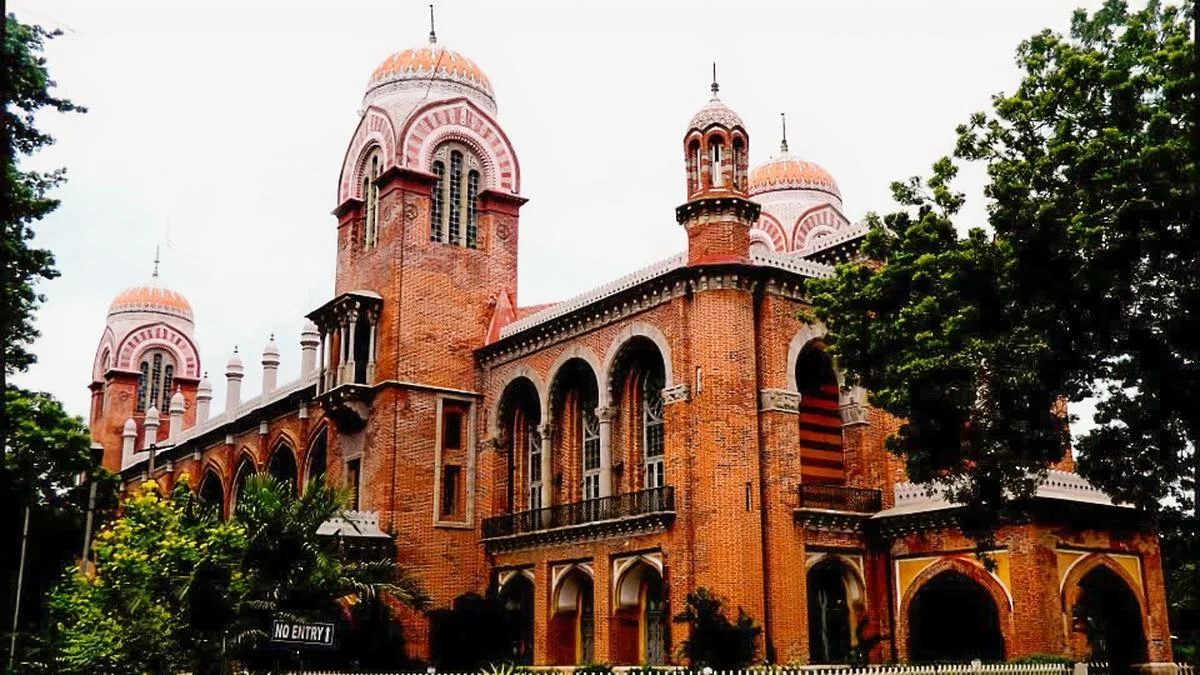
Kiran Sa’s photographic journey with Chennai is deeply rooted in its architectural heritage. He finds a particular magic in the city’s colonial-era buildings, believing that the "early morning light" is unparalleled for capturing their grandeur. Between 5:30 AM and 7:00 AM, especially under a "cloudy sky," he explains, is the prime time to witness these structures come alive.
His chosen frame, the Senate House of the University of Madras, stands as a testament to this philosophy. Bathed in the soft, diffused light of dawn, its ornate arches and majestic domes evoke the city’s rich colonial past. For Kiran, these buildings are more than just historical relics; they are “informal classrooms” that shaped his early career. He spent countless hours honing his skills in understanding light, exposure, and framing by capturing these architectural marvels.

"Chennai is rich in such beautiful architectural buildings, designed in a way that allows natural light to fall beautifully on them," he observes. This innate architectural brilliance, he feels, makes Chennai a photographer’s paradise. While he has a deep appreciation for many of the city’s historical edifices, photographing the iconic Chepauk Palace remains a cherished dream, a testament to his enduring fascination with Chennai’s storied past.
H2: Unveiling the Unseen: Documenting Livelihoods and Resilience in North Chennai
While historical structures offer one perspective, photographer Noor Nisha turns her lens towards the often-overlooked realities of North Chennai. Her work focuses on the lesser-documented corners of the region, bringing to light the lives and struggles of its communities. Her most impactful photograph, taken near the Ennore Creek estuary along the Kosasthalaiyar River, captures a woman from the Irular tribal community engaged in the arduous task of catching prawns.
This image is more than a depiction of a livelihood; it is a poignant portrayal of the "struggles of women." Noor explains, "Catching prawns is their only means of livelihood. Although the river is polluted, they have no option but to depend on it." This stark reality underscores the environmental challenges faced by these communities and their dependence on a compromised ecosystem for survival.
As a woman hailing from North Chennai herself, Noor feels a profound connection to both the region and its inhabitants. Her photography serves as a powerful tool to "challenge the stereotypes attached to the region." She observes, "North Chennai is often portrayed in a negative light. I want to show the other side of it, beyond the stereotypes." Through her lens, she aims to offer a more nuanced and empathetic understanding of a part of the city that often remains on the periphery of public consciousness.

H2: The Spirit of Unity: Resilience Amidst Adversity
Chennai’s character is not solely defined by its history or its everyday struggles; it is equally shaped by the remarkable unity and resilience of its people, a spirit captured vividly by Kabilan AP. His unforgettable photograph, taken at Elliot’s Beach in 2012, immortalizes a moment of extraordinary courage during Cyclone Nilam, which drove the oil tanker MT Pratibha aground.
Kabilan recounts the unfolding drama with palpable emotion: "We all stood helpless, but suddenly, a cheer erupted. A fisherman’s boat was speeding into the waters. When they finally managed to rescue the drowning crew, the whole crowd went wild." He details the perilous journey of the fishing boat, which braved "strong waves and winds," returning to the treacherous waters twice to save the stranded crew. This act of selfless bravery, performed by ordinary fishermen, resonated deeply with the onlookers, transforming a scene of potential tragedy into a testament to human courage and compassion.
This powerful incident cemented Kabilan’s belief that "The heart of Chennai is the people in it." His ambition as a photographer is to continue documenting the lives of the city’s inhabitants, recognizing their stories as the true essence of Chennai. His photograph serves as a potent reminder that in times of crisis, the city’s greatest strength lies in the unwavering spirit and collective action of its people.
H2: The Unsung Heroes: Portraits of Strength in Everyday Life
The resilience and strength of Chennai are not confined to moments of extraordinary crisis; they are also woven into the fabric of everyday existence, a sentiment beautifully captured by Neha Samuel. Her striking portrait of a flower vendor in Perambur encapsulates this quiet strength.

The photograph depicts a woman carrying a stool on her head as she navigates the bustling street to sell her flowers. The "morning light made her shadow appear bigger," Neha observes, adding a symbolic dimension to the image. "She was just an ordinary woman carrying a stool on her head, but when I looked at her shadow, it felt like she was carrying something much bigger – her struggles and her dreams." This visual metaphor highlights the immense burdens and aspirations that ordinary individuals carry with grace and determination.
For Neha, the act of documenting people’s lives is a deeply personal calling. She finds a profound resonance between the flower vendor’s posture and her own journey as a photographer. "She could have carried the stool in her hands, but she chose to carry it on her head. For her, it is the stool; for me, it is my camera bag. As a photographer, I also carry my own dreams and struggles," she reflects. This shared experience of carrying one’s tools of trade, which are also repositories of dreams and challenges, creates a powerful connection between the photographer and her subject, and indeed, with the spirit of Chennai itself.
H2: The Cinematic Canvas: Evolution of Film Publicity in Chennai
Chennai’s identity is inextricably linked to its vibrant film industry, a legacy that has shaped the city’s cultural landscape for generations. G Venket Ram, a seasoned photographer with three decades of experience, offers a compelling perspective on the evolution of film publicity in the city, a transformation he has witnessed firsthand.
He vividly recalls the era of "hand-painted hoardings," which were once a ubiquitous sight, especially along Mount Road, then known as Madras. These massive, artfully crafted billboards were the primary medium for film advertising. However, with the advent of the digital age in the late 1990s and early 2000s, "digital prints and flex hoardings changed the way films were advertised." This shift marked a significant departure from traditional artistic methods to more contemporary, mass-produced visual campaigns.

Venket Ram’s photograph of the poster for the 2003 Tamil film Boys serves as an emblem of this transition. He remembers the poster shoot fondly, describing the "visually vibrant images" as having "created considerable attention at the time." He notes, "The pictures were colourful and visually striking, and they created a lot of attention. It was a turning point in film publicity during that period."
In an era before the pervasive influence of social media, film promotions relied heavily on tangible mediums like billboards, posters, and print advertisements. Venket Ram explains the process: "We would shoot different pictures – a romantic shot, an action shot or just an expression – and these were used for flex hoardings, CD covers, posters and newspaper advertisements." This multi-faceted approach ensured maximum reach and impact for film campaigns.
He also fondly remembers the talented artists who were the backbone of the hand-painted hoarding era. "There were many talented painters doing this work, but change is inevitable. Unfortunately, we lost out on many of those artists," he laments, acknowledging the bittersweet nature of progress and the loss of traditional craftsmanship. His reflections offer a poignant reminder of how art, technology, and commerce intersect to shape a city’s visual identity.
Conclusion: Chennai’s Enduring Narrative
Through the discerning eyes of these five photographers, Chennai unfolds as a city of profound depth and complexity. From the timeless elegance of its colonial architecture to the gritty resilience of its working-class communities, from the inspiring acts of collective courage to the quiet dignity of everyday lives, each photograph is a portal into the soul of Chennai. These visual narratives, captured on World Photography Day, serve as a powerful reminder of the enduring human spirit and the captivating stories that continue to shape this dynamic metropolis. They invite us to look beyond the surface, to appreciate the subtle nuances, and to recognize the true essence of Chennai – its people, their struggles, their dreams, and their unwavering spirit.
