

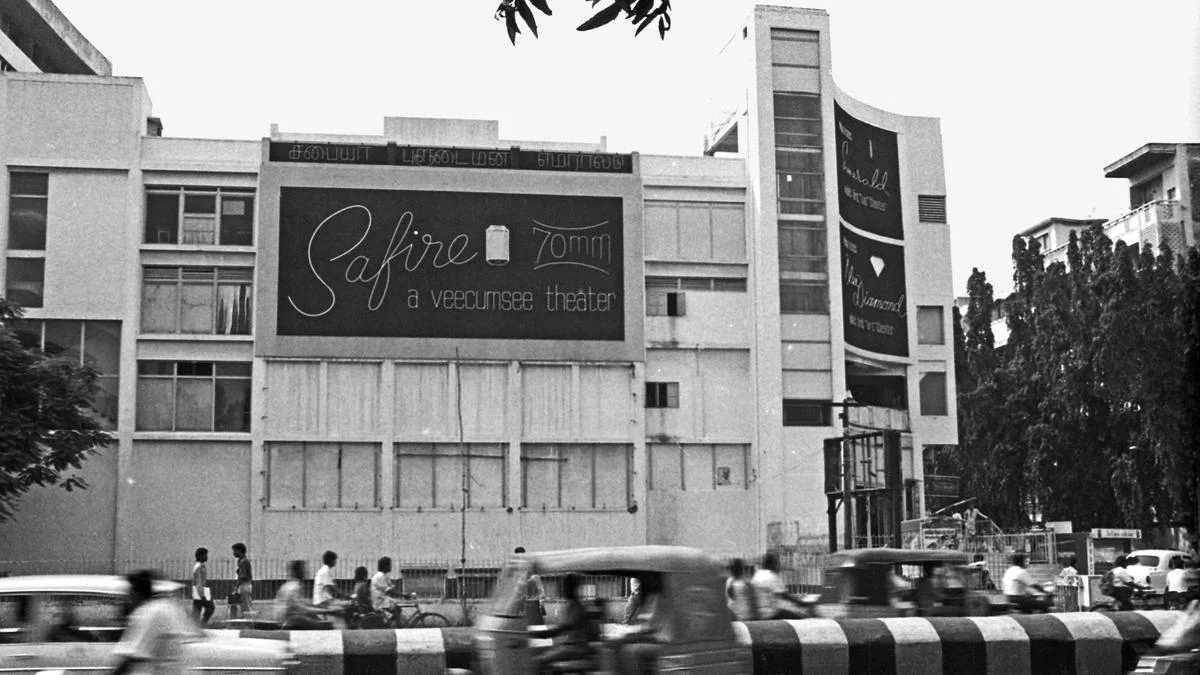
Chennai, India – August 21, 2026 – For generations of Chennai residents, the name Safire Theatre Complex evokes a potent blend of nostalgia, cinematic grandeur, and a bygone era of entertainment. Once a towering beacon on the bustling Mount Road (now Anna Salai), Safire was more than just a cinema; it was an institution, a pioneer in showcasing the magic of the silver screen in ways previously unimagined for the city. From introducing the revolutionary 70mm format to pioneering the multiplex concept in India, Safire etched its name indelibly into the cultural fabric of Chennai. Today, as the city navigates a rapidly evolving entertainment landscape, the memory of Safire serves as a poignant reminder of its pioneering spirit and the enduring power of collective cinematic experience.
A Grand Entrance: The Dawn of a New Era in Chennai Cinema
The story of Safire Theatre Complex begins in 1964, a year that marked a significant leap forward for cinema in Madras (now Chennai). The arrival of the colossal Safire Theatre Complex on Mount Road was an event that could not be missed. Its grand opening featured the visually spectacular widescreen premiere of Cleopatra, a film that immediately set a new benchmark for cinematic presentation in the city. Known as Veecumsee’s Safire, it boldly introduced the 70mm film screening to Madras, a technological marvel that promised an immersive and breathtaking viewing experience, unlike anything audiences had encountered before.
The vision behind this ambitious undertaking belonged to Yeshwant Veecumsee, a prominent diamond merchant. His foresight led to the creation of one of India’s earliest multiplex cinema complexes. The Safire Theatre Complex was not merely a single entity but a sophisticated ensemble designed to cater to diverse cinematic tastes. It comprised three distinct theatres: Safire, Blue Diamond, and Emerald. This innovative multi-screen approach, a rarity in India at the time, allowed for a broader selection of films to be shown simultaneously, catering to a wider audience.
The Pillars of Safire: Safire, Blue Diamond, and Emerald
Each of the three theatres within the complex held its unique appeal and served a specific purpose in the cinematic ecosystem of Chennai.
Safire: The Grand Dame of 70mm Cinema
The flagship theatre, Safire, was designed to house approximately 1,000 patrons, making it a substantial venue for its time. Its primary claim to fame was its dedication to showcasing grand, epic Hollywood productions, particularly those presented in the awe-inspiring 70mm format. This was where Chennai audiences first experienced the panoramic vistas and immersive soundscapes that defined the golden age of blockbuster filmmaking. Films like My Fair Lady (1964), The Sound of Music (1965), and Poseidon Adventure (1972) became iconic screenings at Safire, etching themselves into the memories of those who witnessed them. For many, Safire was the very first introduction to the magic of English-language cinema, a gateway to a world of international storytelling.
One poignant recollection comes from Ramesh, now 65, who vividly remembers watching The Poseidon Adventure at Safire. He recounts: "I had watched The Poseidon Adventure when it was showing in the city. Watching it with a friend in Safire, we had planned the whole day around it. The movie traumatized me, and then we came out of the theatre to pouring rain in Chennai. We were so scared and at the same time so thrilled for the experience." This anecdote beautifully captures the emotional impact and the immersive power of the Safire experience, where a film’s narrative extended beyond the screen and into the audience’s real-world emotions and perceptions.
Blue Diamond: Pioneering Continuous Screenings
The Blue Diamond theatre introduced a revolutionary concept to Indian cinema: continuous screenings. As reported by The Hindu, this innovative approach allowed moviegoers the unprecedented freedom to “stroll in and stroll out whenever and spend the whole day there” for a nominal ticket price of ₹2.50. This model transformed the cinema experience from a fixed-time event into a more flexible and leisurely pursuit, catering to those who wished to immerse themselves in film without the constraints of a rigid schedule. The Blue Diamond primarily focused on screening “oldies” and second-run films, offering a nostalgic journey for seasoned cinephiles and an affordable entertainment option for a wider demographic. This continuous screening model was a bold departure from the norm and demonstrated Safire’s commitment to evolving audience expectations.
Emerald: A Hub for Regional Flavors
The medium-sized Emerald theatre served a crucial role in catering to the local audience by screening Hindi and Tamil films. This ensured that Safire Theatre Complex was not solely an outpost for Hollywood blockbusters but also a vibrant space for regional cinematic expression. By offering a diverse slate of films, Emerald broadened Safire’s appeal, making it a comprehensive entertainment destination for all segments of Chennai’s population.

Beyond the Screen: Nine Gems and Navaratna
The Safire Theatre Complex extended its entertainment offerings beyond the silver screen. In the basement, a lively disco and restaurant named Nine Gems operated, later rebranded as Navaratna. This subterranean space provided a vibrant social hub, allowing patrons to extend their evening of entertainment, enjoy music, and dine. This integrated approach to entertainment, combining cinematic experiences with nightlife and dining, further solidified Safire’s position as a premier destination for leisure and social gatherings in Chennai.
A Golden Age and the Inevitable Decline
For over two decades, Safire Theatre Complex was synonymous with the defining cinematic experiences of Chennai. It was the place where generations discovered their favourite films, where first dates unfolded, and where families created lasting memories. However, as the 1980s dawned, the landscape of home entertainment began to shift dramatically. The advent and proliferation of Cable Television brought a new wave of competition, offering viewers the convenience of watching a vast array of content from the comfort of their homes.
An article from The Hindu Archives by historian S. Muthiah in 2003 poignantly captured this transition: “After ruling the world of cinema-goers in Chennai, Safire began to show signs of cracking, by the 1980s. With Cable TV keeping viewers at home, the crowds dwindled to almost nothing, and the Veecumsees closed down the complex.” The once-bustling halls grew emptier, and the magic that had drawn thousands began to fade. The economic viability of such a large complex became increasingly challenging in the face of this seismic shift in media consumption.
The Demise of a Landmark
The year 1994 marked a significant turning point in the physical history of the Safire Theatre Complex. It was sold to the AIADMK, a prominent political party in Tamil Nadu. However, the complex remained in a state of limbo for the next decade. It was neither demolished nor actively utilized for its original purpose, standing as a silent, decaying monument to its glorious past, gathering dust and slowly succumbing to the ravages of time. The once-vibrant landmark on Mount Road, a symbol of cinematic innovation and public enjoyment, became a dilapidated structure, a stark contrast to its former glory.
The final chapter of the physical Safire Theatre Complex unfolded in 2003 when the dilapidated building was finally demolished. Today, the site where this iconic entertainment hub once stood is a vacant plot of land on the busy Anna Salai, a quiet testament to the impermanence of even the most beloved urban landmarks.
The Enduring Echoes of Safire
Despite its physical disappearance, the legacy of Safire Theatre Complex continues to resonate within the collective memory of Chennai. It represents a period when the cinema hall was the primary locus of shared entertainment and cultural discourse. The introduction of 70mm films, the pioneering multiplex model, and the innovative continuous screening concept at Safire were not just technological advancements; they were catalysts that shaped the way Chennai experienced cinema and entertainment.
The stories of individuals like Ramesh, who recall the profound emotional impact of films watched at Safire, underscore the deep connection audiences had with the venue. It was a place that facilitated shared experiences, fostered community, and offered an escape into worlds of imagination. In an era increasingly dominated by individualistic digital consumption, the communal magic of Safire serves as a powerful reminder of the value of shared cultural spaces.
The story of Safire is a microcosm of the broader evolution of the entertainment industry, illustrating the impact of technological change on traditional business models. While the physical structure is gone, the spirit of innovation and the profound human connection forged through the shared experience of cinema at Safire Theatre Complex remain indelible in the heart of Chennai. It stands as a cherished memory, a symbol of a golden age of cinema, and a timeless reminder of the enduring power of storytelling on the grandest scale.
