

New Delhi, India – In a significant move to promote nutritional awareness across the nation, the Food Safety and Standards Authority of India (FSSAI), the country’s apex food regulator, has ignited a crucial conversation about the composition of a healthy adult’s plate. Through a recent post on the social media platform X (formerly Twitter), FSSAI posed a direct question to the public: "Do you know which food group should occupy the largest portion of a healthy adult’s plate?" This inquiry underscores the fundamental principle that the proportion of different foods on our plates plays an indispensable role in maintaining a balanced diet and, consequently, overall well-being.
The FSSAI’s initiative, amplified by the hashtags #EatRightIndia, #FSSAIQuiz, and #EatRightQuiz, aims to demystify the concept of a healthy meal and empower individuals to make informed dietary choices. This timely intervention comes amidst a rising tide of lifestyle-related illnesses, making the promotion of balanced nutrition a paramount public health concern.
The Foundation of a Healthy Plate: Vegetables and Fruits Take Center Stage
Dr. Sushila Kataria, Vice Chairman of Internal Medicine at Medanta Gurugram, a leading healthcare institution, emphasizes the profound utility of the "healthy plate" concept. She elaborates, "The healthy plate model serves as one of the most accessible and effective strategies for promoting balanced nutrition and crucially, for preventing the onset and progression of lifestyle-related illnesses such as diabetes, hypertension, and cardiovascular diseases."
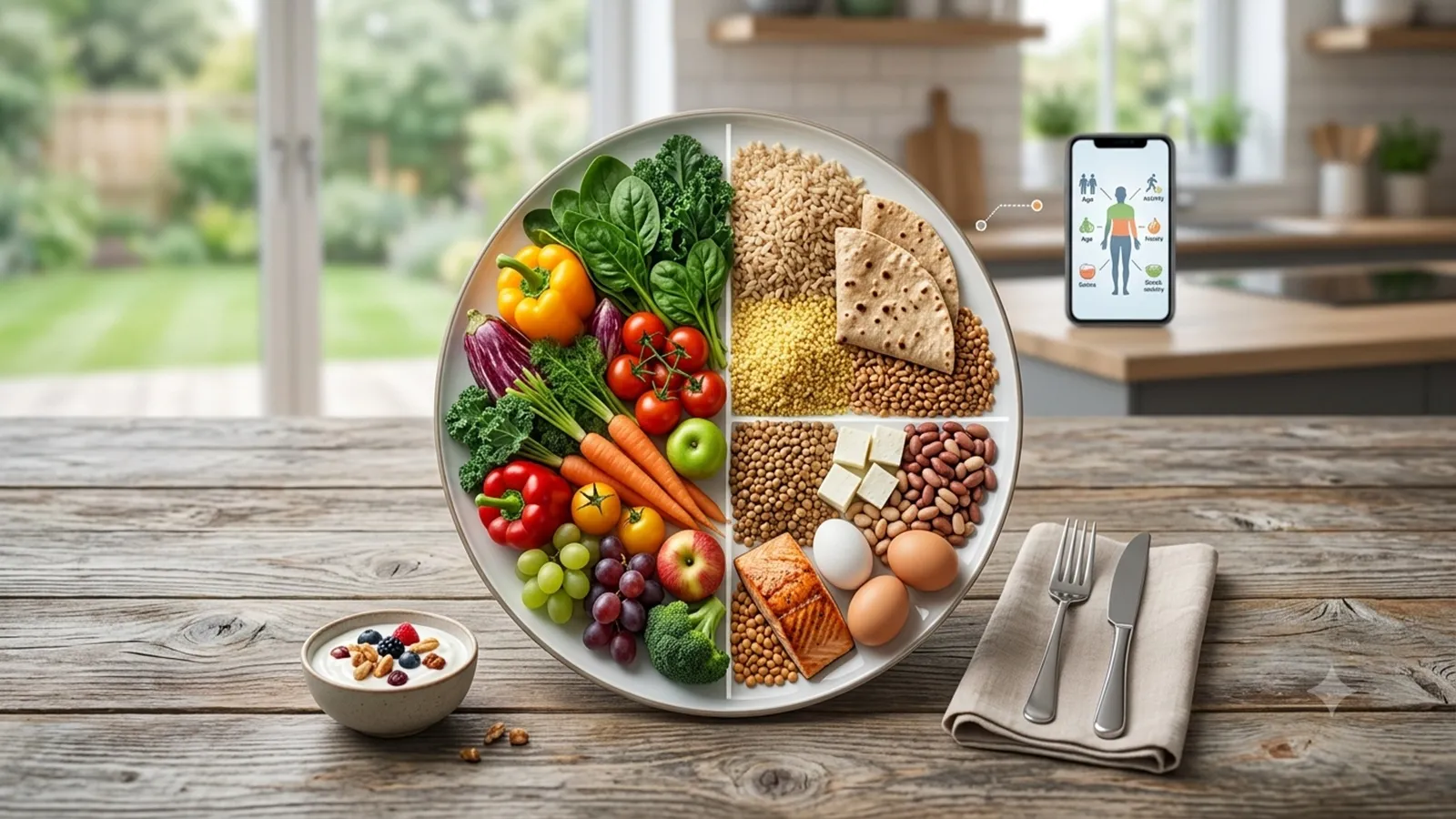
In direct response to FSSAI’s interrogative prompt, Dr. Kataria unequivocally states, "Vegetables must form the major component of the plate, with the inclusion of fruits being ideal in healthy adult individuals." This assertion is rooted in the rich nutritional profile of these food groups. "Vegetables and fruits are brimming with vital components such as dietary fiber, essential vitamins, crucial minerals, and potent antioxidants," she explains. "These elements are not merely beneficial; they are indispensable for promoting optimal digestion, bolstering the body’s natural defenses, and strengthening the immune system, thereby enhancing our resilience against infections and chronic diseases."
The visual representation of this dietary advice often depicts a plate where roughly half is dedicated to a vibrant assortment of vegetables and fruits. This generous allocation acknowledges their role in providing satiety, essential micronutrients, and protective phytochemicals with minimal caloric impact, making them the cornerstone of a healthy eating pattern. The variety within these categories is also key, encouraging the consumption of a rainbow of colors to ensure a broad spectrum of nutrients.
The Supporting Pillars: Whole Grains and Proteins
While vegetables and fruits form the largest segment of the healthy plate, the remaining half is strategically divided to incorporate other essential food groups. Dr. Kataria identifies whole grains and proteins as the next crucial components.
Whole grains, which encompass foods like millets, whole wheat, oats, and brown rice, are highlighted for their role as sustained energy providers. Unlike refined grains, whole grains retain their bran and germ, which are rich in fiber, B vitamins, and minerals. This composition allows for a slower release of glucose into the bloodstream, preventing sharp spikes and crashes in energy levels and contributing to better blood sugar control. "Whole grains offer sustained energy sources, ensuring that our bodies have a steady supply of fuel throughout the day, which is vital for both physical and cognitive functions," Dr. Kataria notes.
Complementing the energy-providing grains are proteins. Dr. Kataria outlines a diverse range of protein sources, including "beans, lentils, milk products, eggs, fish, or lean meats." Proteins are the building blocks of our bodies, essential for a multitude of physiological processes. "Proteins are indispensable for maintaining good muscle tone, facilitating cellular repair, and supporting overall metabolic health," she asserts. The inclusion of lean protein sources helps in muscle synthesis and repair, crucial for maintaining a healthy metabolism and supporting physical activity. Furthermore, protein contributes to satiety, helping individuals feel fuller for longer, which can be beneficial for weight management.
The recommended proportion for these two groups, whole grains and proteins, typically occupies the remaining half of the plate, often divided roughly equally, or with a slight emphasis on whole grains depending on individual needs and activity levels.
The Broader Implications: Beyond the Plate’s Contents
Dr. Kataria’s insights extend beyond the mere composition of food items, emphasizing that healthy eating is a holistic concept encompassing quantity and preparation methods. She observes a concerning trend: "We are witnessing an increasing number of patients suffering from conditions like obesity, diabetes, hypertension, and cardiovascular diseases, and a significant majority of these ailments are directly linked to poor eating habits." This underscores the critical need for public health interventions that promote healthier dietary practices.
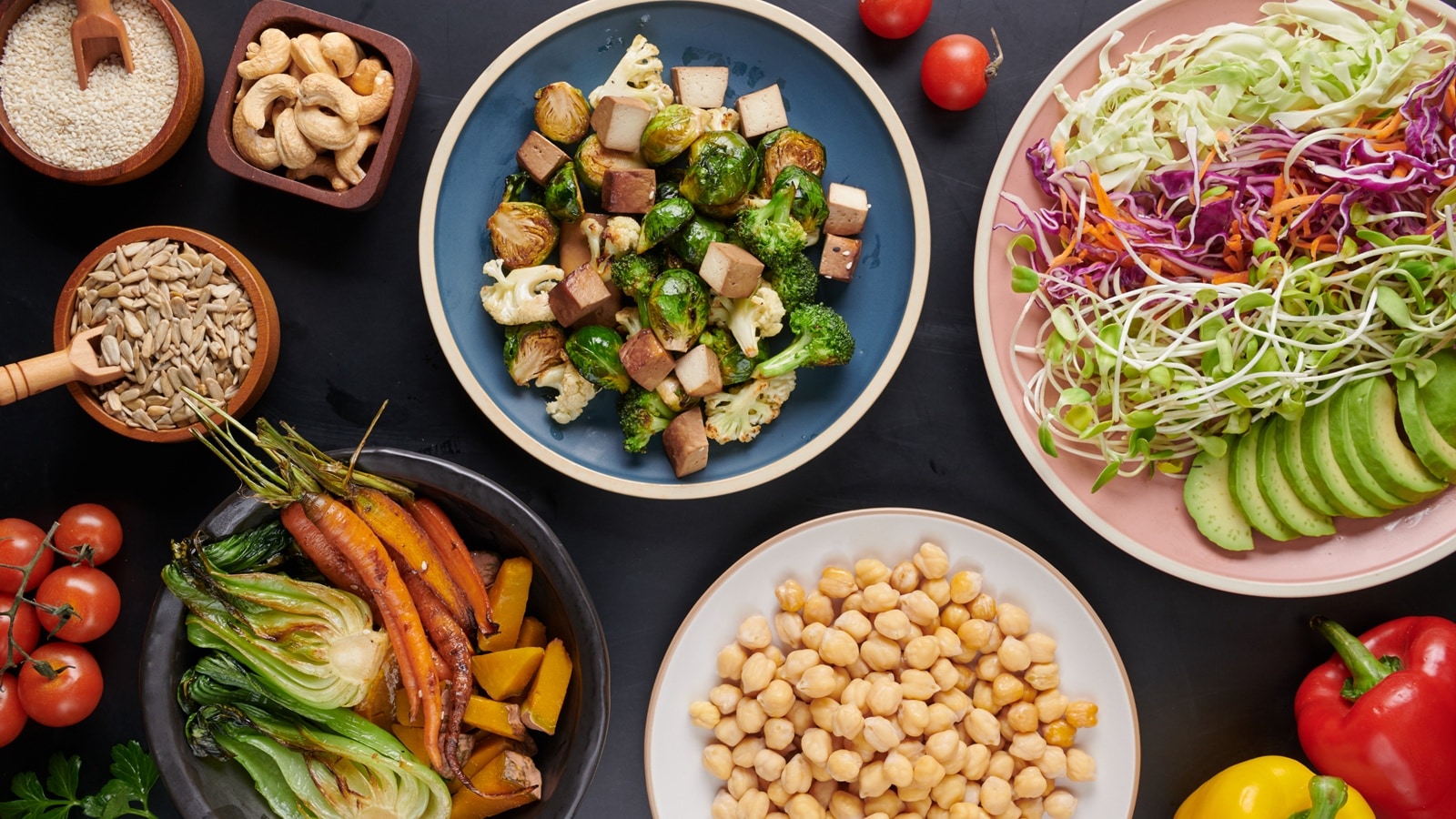
The choice of foods, their preparation, and portion control are all integral to achieving optimal health. "The selection of foods that are fresh and minimally processed, coupled with effective portion control, can significantly contribute to an individual’s future health status," Dr. Kataria advises. Minimally processed foods retain more of their natural nutrients and fiber, while portion control helps in managing calorie intake and preventing overconsumption.
The FSSAI’s "Eat Right India" movement, which this quiz is a part of, actively advocates for these principles, encouraging consumers to choose healthier food options, reduce consumption of processed and unhealthy foods, and practice safe food handling.
Navigating Individual Nutritional Needs: The "One Size Fits All" Fallacy
While the healthy plate model provides a valuable and easily digestible framework, it is crucial to acknowledge that nutritional requirements are not uniform. "Nutritional needs vary considerably from person to person, influenced by factors such as their lifestyle, age, and activity levels," Dr. Kataria clarifies. This personalized approach is essential for effective health management.
For instance, an individual engaged in physically demanding work will naturally have higher caloric requirements than someone with a sedentary desk job. Their macronutrient distribution – the balance of carbohydrates, proteins, and fats – might also differ to support their energy expenditure and recovery needs.
Similarly, dietary requirements evolve with age. "Younger individuals may be able to utilize and metabolize carbohydrates more efficiently," Dr. Kataria explains. "Conversely, older adults often require a greater intake of protein to help preserve muscle mass and combat age-related muscle loss, a condition known as sarcopenia." This highlights the dynamic nature of nutritional science and the need for adaptive dietary strategies throughout the lifespan.
Therefore, while the healthy plate serves as an excellent starting point and a general guide, it should not be interpreted as a rigid prescription. "The concept of the healthy plate should be viewed as a general guide rather than a rigid prescription," she concludes. "Dietary habits should be personalized to align with an individual’s specific physiological requirements and lifestyle."
The Future of Food Regulation and Public Health
The FSSAI’s proactive approach through social media engagement and educational initiatives signifies a commitment to fostering a healthier India. By posing direct questions and providing expert-backed answers, the authority aims to bridge the knowledge gap and empower citizens to make informed decisions about their food.
The implications of this focus on balanced nutrition are far-reaching. By reducing the incidence of lifestyle diseases, India can alleviate the burden on its healthcare system, improve the quality of life for its citizens, and enhance overall productivity. The "healthy plate" model, when understood and adopted, can be a powerful tool in this endeavor.
The accompanying image, often generated by AI for illustrative purposes, visually reinforces the principle of prioritizing vegetables and fruits. Such visual aids are crucial for public understanding and retention of dietary guidelines.
Disclaimer: This article is based on information derived from the public domain and insights from expert consultations. It is imperative for individuals to consult with their healthcare practitioner or a registered dietitian before initiating any new dietary regimen or making significant changes to their eating habits. Personal health conditions, allergies, and specific nutritional needs should always guide dietary choices. The information provided here serves as general guidance and should not be considered a substitute for professional medical advice.
