

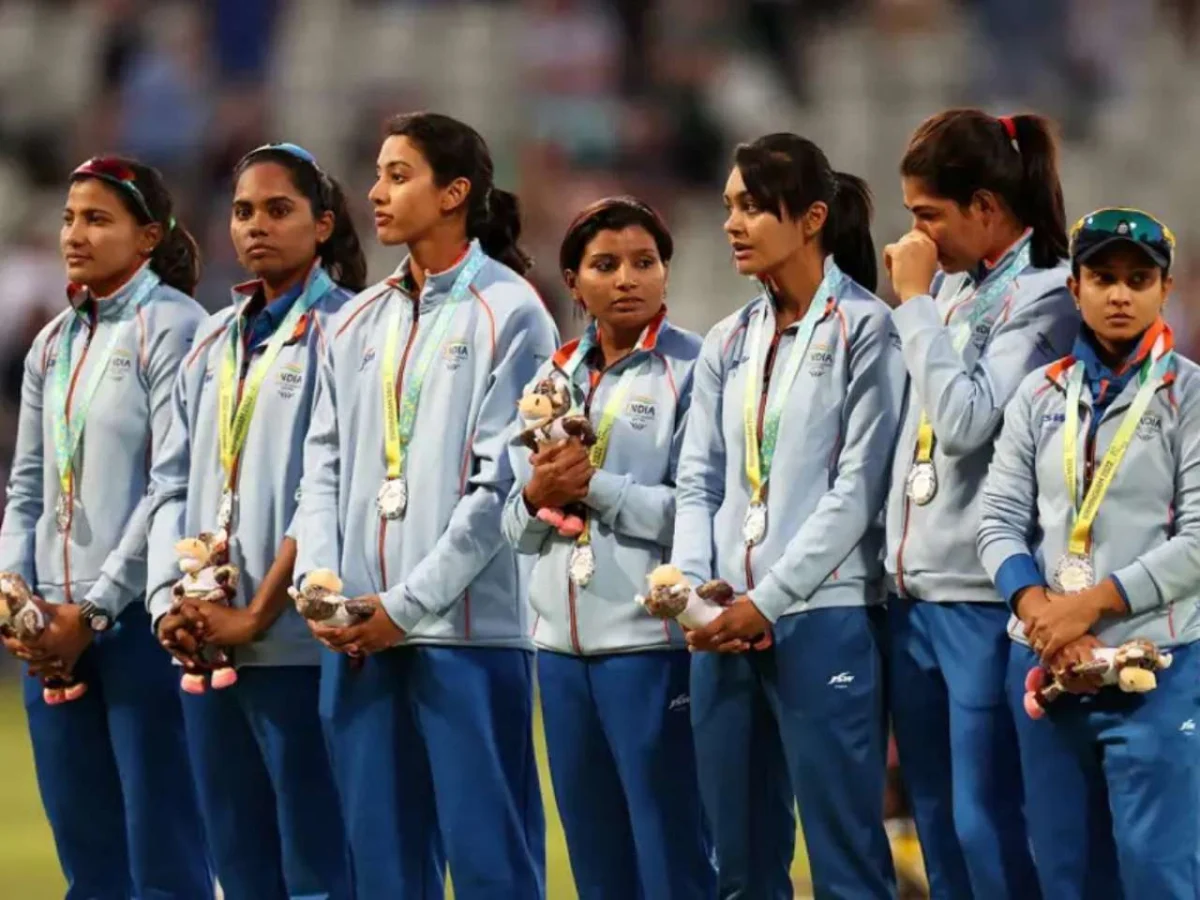
GLASGOW, Scotland – After a triumphant return to the Commonwealth Games in Birmingham 2022, where it captivated audiences and saw India’s women’s team secure a silver medal, cricket is set to vanish from the quadrennial multi-sport event in 2026. The sport, which made its highly anticipated comeback after a 24-year hiatus, will not feature in the Glasgow Games, a decision stemming from a confluence of financial constraints, logistical challenges, and a dramatic change in host city.
The Commonwealth Games Federation (CGF) and local organisers in Glasgow have been compelled to drastically trim the sports programme to reduce costs and streamline the event, prioritising a smaller list of core disciplines that can be accommodated within existing infrastructure and a significantly tighter budget. This pragmatic, albeit disappointing, decision highlights the growing economic pressures faced by host cities for major international sporting events.
Main Facts: A Swift Reversal of Fortunes
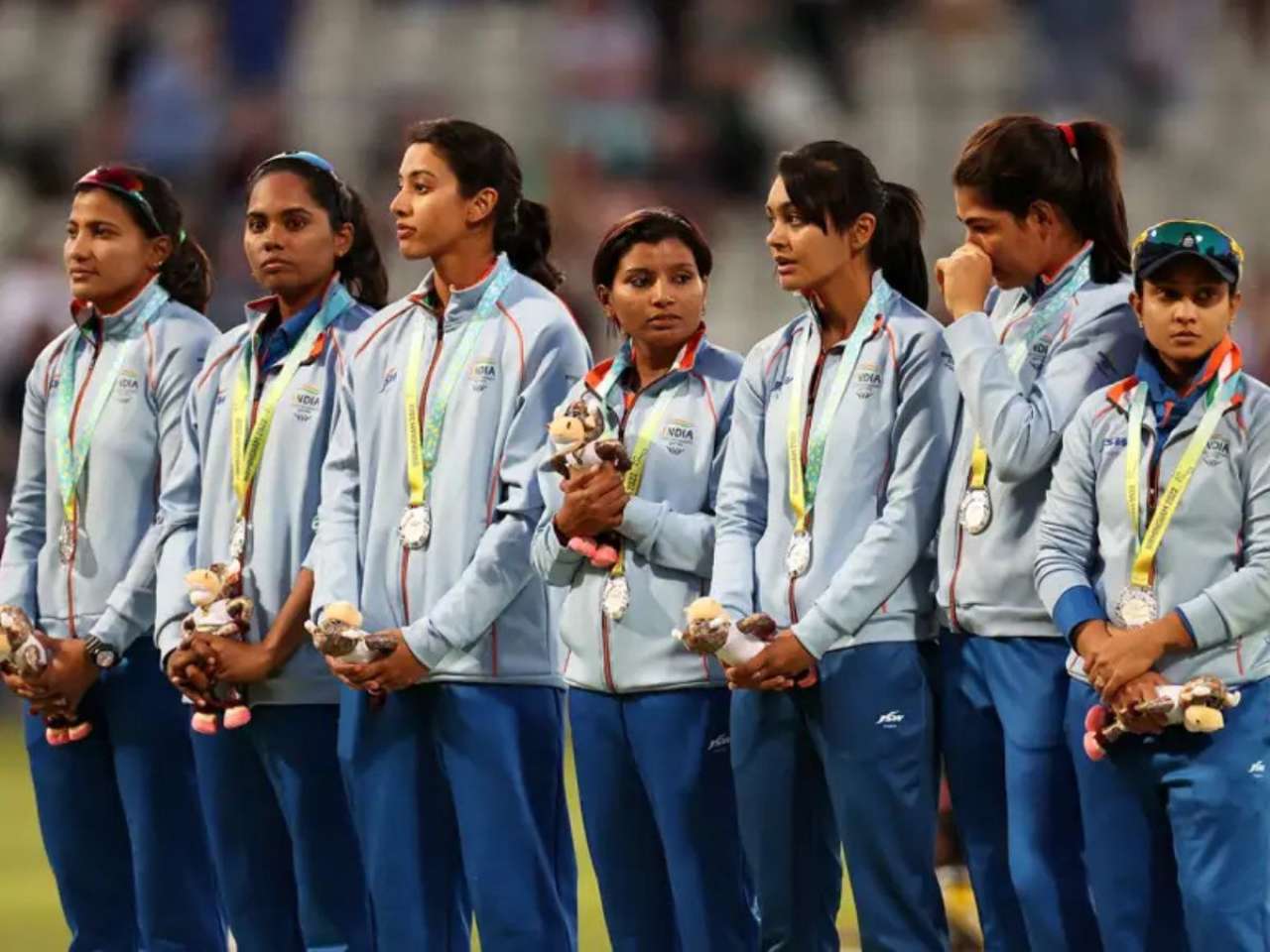
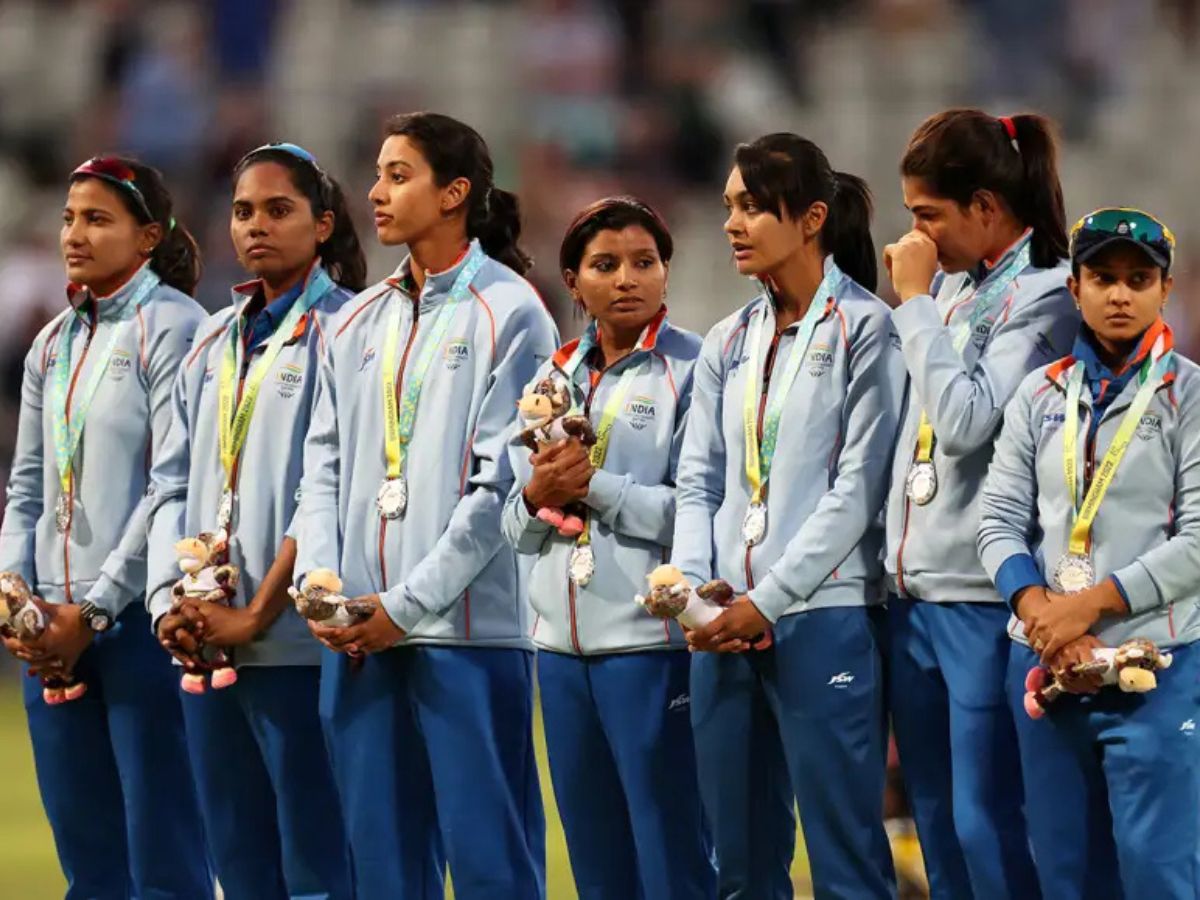
Cricket’s journey within the Commonwealth Games has been marked by sporadic appearances and long periods of absence. Its inclusion in Birmingham 2022, featuring a vibrant women’s T20 tournament, was widely lauded as a significant step towards globalizing the sport and enhancing its profile within the multi-sport ecosystem. The tournament was a resounding success, drawing large crowds and high television viewership, particularly in the Indian subcontinent and among cricket-loving diaspora communities. India’s impressive run to the final, where they narrowly lost to Australia, underscored the sport’s competitive appeal and the passion it ignites.
However, the euphoria of 2022 has been short-lived. The 2026 Commonwealth Games, initially awarded to Victoria, Australia, faced an unforeseen crisis when the host state abruptly withdrew in July 2023 due to escalating cost projections. This left the CGF scrambling to find a replacement, with Glasgow, Scotland, stepping in on an emergency basis. The eleventh-hour nature of Glasgow’s hosting responsibilities, coupled with a commitment to deliver a fiscally responsible event, necessitated a radical overhaul of the sporting schedule.
)
The decision to exclude cricket, alongside other popular disciplines like hockey, badminton, table tennis, wrestling, and rugby sevens, was primarily driven by financial and logistical considerations. Cricket, with its requirement for dedicated venues, extensive ground maintenance, and large squad sizes, was deemed too resource-intensive for the pared-down 2026 programme, which now focuses on events that can predominantly utilise existing indoor arenas and standard athletic tracks.
Chronology: A Tumultuous Path to 2026
The narrative of cricket’s inclusion and subsequent exclusion from the Commonwealth Games 2026 is a tale of ambition, unforeseen challenges, and difficult compromises.

1998 Kuala Lumpur: Cricket’s Inaugural Appearance
Cricket first featured in the Commonwealth Games at the 1998 edition in Kuala Lumpur, Malaysia. This was a men’s 50-over tournament, with South Africa famously winning the gold medal, defeating Australia in the final. Despite its historic significance, cricket then disappeared from the Games programme for over two decades.
2019: Birmingham 2022 Confirmed with Cricket
After years of lobbying by the International Cricket Council (ICC) and various national boards, cricket was officially confirmed for the Birmingham 2022 Commonwealth Games. Crucially, it was decided that a women’s T20 tournament would be contested, marking a significant step for women’s cricket on the global stage. This decision was met with widespread enthusiasm, particularly from nations where cricket enjoys immense popularity.
)
July-August 2022: A Resounding Success in Birmingham
The women’s T20 tournament at Edgbaston, Birmingham, proved to be a major highlight of the 2022 Games. Eight teams competed, delivering thrilling matches and showcasing the growing talent and professionalism in women’s cricket. The final between Australia and India was a nail-biting affair, with Australia ultimately triumphing by nine runs to claim the gold. India’s silver medal performance was celebrated across the nation, further solidifying the sport’s appeal and its potential to thrive in a multi-sport environment. The success of Birmingham 2022 fueled optimism that cricket would become a regular fixture in future Games.
July 2023: Victoria’s Shock Withdrawal
The first major disruption to the 2026 Games came in July 2023 when the Victorian government in Australia, the original host, announced its decision to withdraw. Premier Daniel Andrews cited an alarming escalation in the projected costs, which had ballooned from an initial estimate of AUD 2.6 billion to an astronomical AUD 6-7 billion (approximately USD 4-5 billion). Andrews stated that these funds could not be justified and would be better spent on essential public services, describing the cost increase as "well and truly too much for a 12-day sporting event." This withdrawal sent shockwaves through the Commonwealth sporting community and left the CGF in an unprecedented predicament.
)
Late 2023 – Early 2024: The Scramble for a Replacement Host
Following Victoria’s withdrawal, the CGF embarked on an urgent and challenging search for a new host. Several nations were approached, but the short timeline and the financial commitments involved made finding a suitable replacement incredibly difficult. The CGF’s reputation and the very future of the Games were at stake.
April 2024: Glasgow Steps In – A Scaled-Back Vision
In a move that underscored the severity of the crisis, Glasgow, Scotland, which had successfully hosted the Games in 2014, stepped forward as a last-minute replacement. However, it was immediately clear that Glasgow’s hosting would be fundamentally different. The Scottish government and Glasgow organisers committed to delivering a "reimagined" and "cost-effective" Games, almost entirely reliant on public funding. This necessitated a drastic reduction in the scale and scope of the event.
)
The most significant consequence of this financial prudence was the severe trimming of the sports programme. From the original 19 sports planned for Victoria, the Glasgow Games would feature only 10 core disciplines. This focused approach aimed to leverage existing facilities in and around Glasgow and minimise new construction or extensive venue modifications. Unfortunately for cricket and several other major team sports, this meant exclusion. Neither men’s nor women’s cricket would be on the schedule for 2026.
Supporting Data: The Economics and Logistics of Exclusion
The decision to omit cricket from Glasgow 2026 is not an isolated incident but rather a symptom of broader trends affecting major multi-sport events globally. The escalating costs of hosting, coupled with the increasing complexity of logistics, are forcing organisers to make difficult choices.
)
The Financial Burden of Hosting:
The primary driver behind Victoria’s withdrawal and Glasgow’s streamlined approach is the immense financial outlay required to host events of this magnitude.
- Venue Infrastructure: Cricket requires dedicated pitches, practice nets, spectator stands, and associated facilities that are often not readily available or easily convertible from other sports venues. Establishing and maintaining these to international standards is costly. In contrast, many of the selected core sports for Glasgow 2026 (e.g., athletics, swimming, gymnastics) can utilise existing stadia and indoor arenas that require less bespoke adaptation.
- Operational Costs: Beyond infrastructure, the operational costs for cricket are substantial. Large squads (typically 15-18 players per team, plus support staff) mean higher accommodation, travel, and catering expenses compared to individual sports or smaller team formats. Security, broadcasting, and event management for multiple matches over several days also add to the budget.
- Public Funding Reliance: With Glasgow 2026 relying solely on public funding, every expenditure is scrutinised. Diverting significant portions of the budget to a single sport, especially one requiring extensive setup, became untenable given the overall financial constraints.
Logistical Complexity:
)
- Venue Availability: While Scotland has a rich sporting heritage, suitable international-standard cricket grounds capable of hosting a multi-team tournament are limited. Converting a football or rugby stadium for cricket is a complex and expensive undertaking, often involving temporary pitches and extensive ground preparation.
- Scheduling: Integrating a multi-day, multi-match cricket tournament into an already compressed Games schedule, especially with the limited venues, presents significant logistical hurdles. The Games’ duration is often fixed, and cricket’s format can be demanding on time.
- Comparison to Core Sports: The 10 sports selected for Glasgow 2026 generally fall into categories that are either historically central to the Games (athletics, swimming) or require less specialised infrastructure (e.g., boxing, netball, cycling, triathlon). These sports often have established facilities that can be quickly adapted or are already fit for purpose.
Historical Context of Cricket’s Multi-Sport Ambitions:
Cricket’s re-entry into the Commonwealth Games in 2022 was seen as a crucial step in the ICC’s broader ambition to include the sport in the Olympic Games. The success in Birmingham demonstrated cricket’s ability to integrate into a multi-sport festival, attract new audiences, and deliver high-quality competition. The format chosen – women’s T20 – was specifically designed to be compact and appealing for such events. The absence from Glasgow 2026, therefore, represents a setback, forcing the sport to re-evaluate its strategy for gaining wider multi-sport acceptance.
It’s also important to note that cricket was not the only high-profile sport to be cut. The exclusion of sports like hockey, badminton, table tennis, wrestling, and rugby sevens underscores the severity of the budget cuts and the organisers’ commitment to a truly streamlined event. These sports, while popular in many Commonwealth nations, also come with their own venue and logistical demands that proved incompatible with Glasgow’s revised vision.
)
Official Responses: Navigating the Crisis
The unfolding drama surrounding the 2026 Commonwealth Games has prompted various official statements, reflecting the challenges and difficult decisions made.
Commonwealth Games Federation (CGF):
Following Victoria’s withdrawal, the CGF expressed "deep disappointment" but acknowledged the state’s difficult position. In subsequent statements regarding Glasgow, the CGF emphasised the unprecedented nature of the situation and the necessity for a flexible, adaptable approach. "The CGF is fully committed to delivering a Games in 2026 that is sustainable, cost-effective, and truly aligned with the core values of the Commonwealth sport movement," stated a spokesperson, underscoring the shift towards fiscal prudence. They highlighted the importance of a "right-sized" event that focuses on community engagement and existing infrastructure. While expressing understanding for the disappointment of excluded sports, the CGF reiterated that the primary goal was to ensure the Games could proceed under challenging circumstances.
)
Victorian Government (Australia):
Premier Daniel Andrews was unequivocal in his justification for withdrawal. "We’re not going to spend six to seven billion dollars on a 12-day sporting event," he declared. "We’ve made a difficult decision. We’ve done it in the best interests of every Victorian." The government highlighted its priority to invest in housing, healthcare, and education rather than inflated sporting event costs, thereby setting a precedent for other potential host cities grappling with similar budgetary pressures.
Glasgow Organisers / Scottish Government:
Upon accepting the hosting duties, officials in Glasgow and the Scottish government framed their role as a commitment to the Commonwealth family. They acknowledged the need for a pragmatic approach. "We are stepping up to deliver a Games that is innovative, sustainable, and delivers real benefit to our communities," said a representative of the organising committee. "This means making tough choices about the sports programme, focusing on what is achievable within our existing world-class facilities and a responsible budget." They emphasised that the selected 10 sports would still provide a "vibrant and competitive" spectacle, albeit a more compact one.
)
International Cricket Council (ICC):
The ICC, which has actively championed cricket’s inclusion in multi-sport events, expressed its disappointment at the exclusion from Glasgow 2026. However, its statements also reflected an understanding of the extenuating circumstances. "While we are naturally disappointed that cricket will not be part of the 2026 Commonwealth Games, we fully appreciate the unprecedented challenges faced by the organisers in Glasgow," an ICC official noted. "Our focus remains on promoting cricket’s place in multi-sport events, including our strong bid for the Olympic Games, and we will continue to work closely with federations to explore future opportunities." The ICC reiterated its belief in the value cricket brings to such events, particularly in terms of global reach and diversity.
Implications: A Glimpse into the Future
The exclusion of cricket from the Commonwealth Games 2026 carries significant implications for both the sport itself and the future trajectory of the Commonwealth Games as a whole.
)
For Cricket’s Olympic Ambitions:
The Birmingham 2022 Games were widely viewed as a crucial audition for cricket’s bid to be included in the Los Angeles 2028 Olympic Games. The successful staging of the women’s T20 tournament provided valuable evidence that cricket could seamlessly integrate into a multi-sport format, attract diverse audiences, and deliver compelling competition. Its absence from Glasgow 2026, while due to exceptional circumstances, removes a potential second consecutive showcase.
This setback underscores the challenges cricket faces in proving its adaptability and cost-effectiveness for major multi-sport events. The ICC will need to redouble its efforts to demonstrate that T20 cricket, particularly in its condensed format, can be a valuable, rather than burdensome, addition. The focus will now intensify on the LA28 bid, where the arguments for minimal infrastructure requirements and strong global viewership will be paramount.
)
For the Future of the Commonwealth Games:
The events leading up to Glasgow 2026 raise profound questions about the long-term viability and format of the Commonwealth Games. The withdrawal of a major host like Victoria due to cost overruns is a stark warning. The CGF has openly acknowledged the need for reform, with discussions ongoing about a more flexible hosting model, potentially involving multiple cities or regions, or a rotating "hub" system to reduce the financial burden on a single host.
The decision to drastically cut the sports programme in Glasgow signals a shift towards a more sustainable, perhaps smaller-scale, event. This could mean a permanent move away from the traditional, expansive Games model, focusing instead on a core set of sports that are both economically feasible and aligned with the historical spirit of the Games. While this might ensure the Games’ survival, it could also diminish its prestige and appeal to a wider range of athletes and sports.
)
Impact on Participating Nations, Especially India:
For nations like India, where cricket is a national obsession, its exclusion represents a lost opportunity. The silver medal in Birmingham was a moment of national pride and provided invaluable exposure for women’s cricket. The absence from Glasgow means that promising young cricketers will miss out on the unique experience of competing in a multi-sport event, interacting with athletes from other disciplines, and representing their nation on such a prominent stage. While India continues to excel in other sports – for instance, Lovlina Borgohain’s assured boxing bronze, as mentioned in the original report, provides some good news – the absence of cricket leaves a significant gap in potential medal tallies and national interest.
The broader implications also touch upon the criteria for sports inclusion. The Glasgow scenario highlights that while popularity and global reach are important, the practicalities of venue, cost, and logistics often take precedence. This forces federations of popular sports to be more innovative in proposing formats that are conducive to the multi-sport environment.
)
In conclusion, cricket’s absence from the Commonwealth Games 2026 is a complex outcome of unprecedented circumstances. While disappointing for fans and athletes alike, it underscores the evolving economic realities of hosting major international sporting events. For cricket, it serves as a reminder that its journey into multi-sport events will continue to be challenging, requiring persistent adaptation and strategic advocacy. For the Commonwealth Games, it heralds a period of necessary introspection and potential transformation, as it seeks to redefine its future in an increasingly cost-conscious world.
