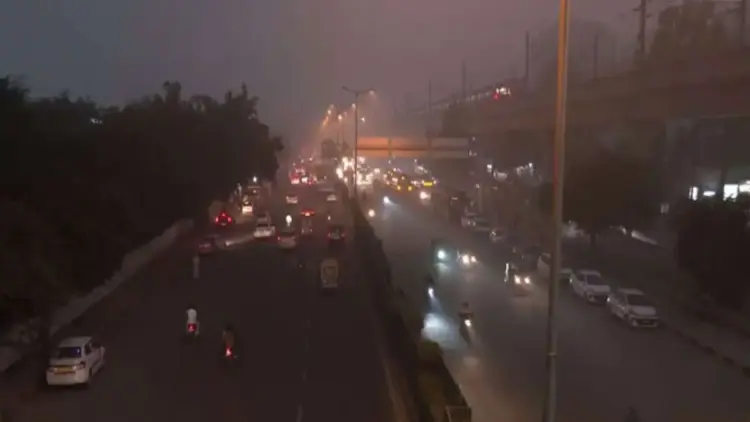
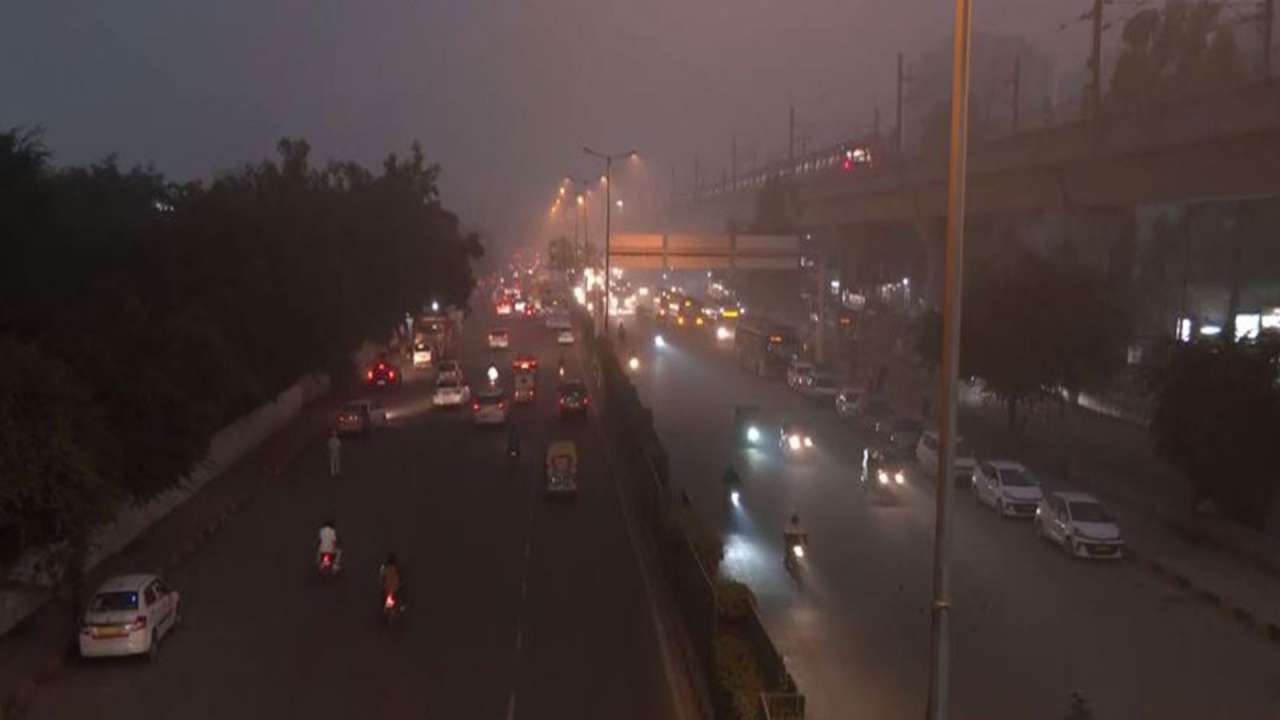
New Delhi, November 6, 2026 – The national capital, Delhi, is once again gasping for breath as its air quality plummets into the ‘Very Poor’ category, with the Air Quality Index (AQI) reaching a concerning 389 as of 8 AM today, according to the Central Pollution Control Board (CPCB). The situation is even more dire in specific localities, with Rohini and IIT Delhi registering a ‘Severe’ AQI of 474, painting a grim picture of the ongoing environmental crisis. In response to the escalating pollution levels and the persistent row over stubble burning in neighbouring states, authorities have enforced Stage-II of the Graded Response Action Plan (GRAP-II), a set of emergency measures aimed at curbing air pollution.
The Grim Reality: Widespread Air Pollution Across the Capital
The latest data from the CPCB paints a stark picture of the pervasive pollution engulfing Delhi. Beyond the city-wide average of 389, several prominent areas are experiencing ‘Severe’ air quality, posing immediate health risks to residents. IIT Delhi and Rohini, both critical hubs for education and research, recorded an alarming AQI of 474. This is closely followed by Punjabi Bagh at 465, RK Puram at 443, ITO at 422, Firoz Shah Road at 420, and India Gate at 403. These figures indicate an unhealthy environment where even short-term exposure can lead to respiratory problems and other health complications.

Areas like Anand Vihar and Akshardham, while not yet in the ‘Severe’ category, are still languishing in the ‘Very Poor’ bracket with an AQI of 359. The Indira Gandhi International (IGI) Airport Terminal 3 recorded an AQI of 385, highlighting the widespread nature of the problem. Further exacerbating the concern, Aya Nagar registered an AQI of 393 and Chandni Chowk, a densely populated historical area, stood at 391, both teetering on the edge of the ‘Severe’ category.
GRAP-II Enforcement: A Desperate Measure Amidst Smog and Stubble Burning
The enforcement of GRAP-II signifies a critical escalation in the government’s response to the deteriorating air quality. This stage of GRAP is typically invoked when the AQI is predicted to remain in the ‘Very Poor’ category for more than 48 hours, or when it crosses into the ‘Severe’ category. The measures under GRAP-II include a ban on the operation of diesel generator sets (except for essential services), increased frequency of water sprinkling on roads to suppress dust, and the deployment of special enforcement teams to monitor compliance with anti-pollution norms. Municipal authorities have been observed deploying truck-mounted water sprinklers in areas like India Gate, a visible, albeit often insufficient, attempt to mitigate the impact of airborne particulate matter.

The GRAP framework, developed by the Indian Institute of Tropical Meteorology (IITM) and the Ministry of Environment, Forest and Climate Change (MoEFCC), operates in four stages, each corresponding to different levels of AQI and triggering a specific set of actions. The current enforcement of GRAP-II underscores the severity of the situation and the urgent need for decisive action.

The Human Toll: Residents Speak Out Against the Choking Air
The tangible impact of this severe air pollution is being acutely felt by the citizens of Delhi. Sarvesh, a local resident, described the debilitating effects of the smog. "It’s causing a lot of problems," he stated, his voice tinged with frustration. "As you can see, it’s morning, and there isn’t much traffic, but because of the pollution, it’s hard to breathe, and I’m feeling anxious. There’s a lot of smog, making it feel like the middle of January. So, there are a lot of issues, like a burning sensation in the eyes." His words reflect the daily struggle of millions who are forced to endure compromised air quality, leading to physical discomfort and psychological distress.

Another resident, Nemichand Sharma, a 71-year-old long-time Delhi dweller, expressed a sense of weary resignation, viewing the current crisis as a predictable outcome of unchecked urbanisation and administrative inertia. "I am seventy-one years old now. And ever since Delhi has developed, the progress and development in the name of development has brought about a huge increase in pollution," he lamented. "They have been given a free pass: wherever dirt is going to spread, just let it spread. Do whatever you want. And every day, instead of showing the pollution from Akshardham and solving the problem, governments are doing nothing with all their machinery except making money in the name of pollution. There is no ground-level work to end pollution." His sentiments highlight a deep-seated frustration with the perceived lack of effective, long-term solutions from governing bodies.

The Stubble Burning Row: A Political Impasse Amidst Environmental Crisis
The persistent issue of stubble burning in the agrarian states of Punjab and Haryana continues to be a major contributor to Delhi’s air pollution, particularly during the post-monsoon and winter months. This year, the political discourse surrounding stubble burning has intensified, with accusations and counter-accusations flying between the governments of Delhi and neighbouring states.

Delhi Environment Minister Manjinder Singh Sirsa recently engaged in a public spat with Punjab Chief Minister Bhagwant Mann, challenging Mann’s claims regarding the extent of paddy harvesting and stubble burning in Punjab. Sirsa asserted that Mann had provided misleading information and that stubble burning was indeed severely impacting Delhi’s air quality. Addressing the media, Sirsa pointed to data allegedly provided by the Punjab government itself, claiming that "77 per cent of the stubble (parali) has already been burnt." This direct accusation suggests a significant disconnect between official statements and on-ground realities, further complicating efforts to address the root cause of the pollution.

The recurring blame game between states often overshadows the urgent need for collaborative and concrete action. While the Central government plays a role in mediating such disputes, the onus of implementation and enforcement ultimately lies with the state governments. The reliance on punitive measures and reactive strategies, rather than proactive, sustainable agricultural practices, continues to perpetuate the cycle of air pollution.

Meteorological Factors: A Complex Interplay
The meteorological conditions prevailing in Delhi also play a crucial role in the accumulation and dispersal of pollutants. The India Meteorological Department (IMD) reported a morning temperature of 17.8°C for Delhi, with skies remaining mainly clear. However, the IMD has forecast shallow fog over the next four days, transitioning to early morning fog or mist on November 10-11. While fog can sometimes help in dispersing pollutants by trapping them closer to the ground, it can also lead to a build-up of particulate matter, especially when coupled with stagnant wind conditions. The absence of strong winds during this period further exacerbates the problem, preventing the dissipation of pollutants and leading to their accumulation in the lower atmosphere.

The interplay of meteorological factors with the continuous influx of pollutants from various sources – industrial emissions, vehicular exhaust, construction dust, and agricultural burning – creates a perfect storm for severe air pollution episodes in Delhi.

Implications of Prolonged Exposure to Poor Air Quality
The consistent exposure to air quality in the ‘Very Poor’ and ‘Severe’ categories has profound implications for public health and the overall well-being of Delhi’s residents. Medical professionals have repeatedly warned about the increased incidence of respiratory illnesses such as asthma, bronchitis, and pneumonia, particularly among children and the elderly. Cardiovascular diseases are also linked to prolonged exposure to fine particulate matter (PM2.5), which can penetrate deep into the lungs and enter the bloodstream.

Beyond immediate health concerns, the chronic pollution is also impacting the cognitive development of children and contributing to a reduced life expectancy. The economic burden of treating pollution-related illnesses is substantial, placing a strain on healthcare infrastructure and individual finances. Furthermore, the persistent smog affects daily life, disrupting outdoor activities, impacting tourism, and diminishing the overall quality of life in the capital.

The long-term environmental consequences are equally alarming. The deposition of pollutants can damage ecosystems, affect agricultural productivity in surrounding regions, and contribute to climate change. The cycle of environmental degradation and its impact on human health and well-being poses a significant challenge to sustainable development in the region.

The Path Forward: Beyond Reactive Measures
While GRAP-II represents a necessary emergency response, it is clear that a more comprehensive and sustainable approach is required to tackle Delhi’s air pollution crisis. This necessitates a multi-pronged strategy involving:

- Addressing Stubble Burning: Implementing effective and financially viable alternatives for farmers to manage crop residue, coupled with strict enforcement and awareness campaigns. Promoting crop diversification and supporting research into sustainable agricultural practices are crucial.
- Controlling Industrial and Vehicular Emissions: Stricter emission norms for industries and vehicles, coupled with the promotion of public transportation, electric vehicles, and cleaner fuel alternatives. The expansion of metro networks and improved last-mile connectivity are vital.
- Managing Construction Dust: Ensuring strict adherence to dust control measures at construction sites, including regular water sprinkling, covering of materials, and proper waste management.
- Urban Planning and Green Cover: Investing in green infrastructure, increasing tree plantation drives, and adopting sustainable urban planning practices that prioritize air quality.
- Public Awareness and Behavioral Change: Educating citizens about the health risks associated with air pollution and encouraging individual actions to reduce their carbon footprint.
The current situation in Delhi serves as a stark reminder of the urgent need for concerted action from all stakeholders – governments, industries, farmers, and citizens. Only through a sustained and collaborative effort can the national capital hope to breathe freely again. The enforcement of GRAP-II is a signal of the escalating crisis, but the long-term solution lies in addressing the root causes and fostering a culture of environmental responsibility.