

NEW DELHI, May 9, 2026 – A significant controversy surrounding West Bengal’s electoral rolls has deepened, raising serious questions about the transparency and efficacy of the state’s voter registration process, particularly the contentious "Special Integrated Revision" (SIR) exercise. Just a day before polling concluded in the state, official data indicated that 1,607 appeals from individuals whose names were controversially deleted from the voter list had been approved by Appellate Tribunals, reinstating them to the electoral roll. However, an investigation by The Indian Express has uncovered a striking discrepancy: a single tribunal, headed by the recently resigned Justice (Retd) T.S. Sivagnanam, independently cleared a staggering 1,717 appeals between April 5 and April 27. This revelation casts a long shadow over the entire process, prompting urgent questions about the total number of appeals cleared by the remaining 18 tribunals and the true extent of voter re-enfranchisement ahead of the elections.
The findings suggest a potential underreporting of reinstated voters by the Chief Electoral Officer’s (CEO) office, or at the very least, a significant lack of comprehensive and timely aggregation of data from all tribunals. With only one of the nineteen tribunals reportedly approving more individuals than the official state-wide tally, the integrity of the electoral roll management and the transparency of the appeal mechanism are now under intense scrutiny.
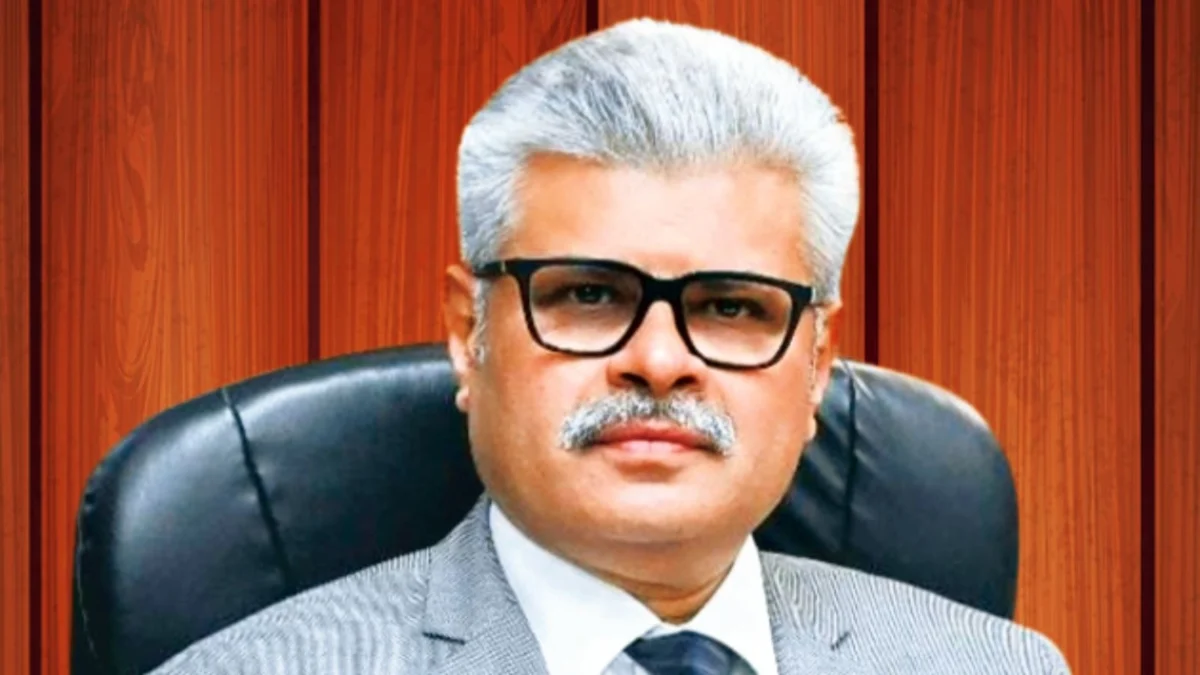
Justice Sivagnanam, whose tribunal’s actions are at the heart of this new development, resigned from his post on Thursday, citing "personal reasons" when contacted by The Indian Express. His abrupt departure, coupled with the glaring inconsistencies in data, adds another layer of complexity to an already fraught electoral landscape in West Bengal. Neither the Election Commission (EC) nor West Bengal CEO Manoj Agarwal has responded to requests for comment, further fueling concerns about accountability and transparency in a process that directly impacts the fundamental right to vote for millions.
The Contested SIR Exercise and Mass Deletions
The genesis of this controversy lies in the "Special Integrated Revision" (SIR) exercise, an initiative by the Election Commission designed to identify and rectify "logical discrepancies" in the electoral rolls. While ostensibly aimed at purifying the voter lists, the implementation of the SIR exercise in West Bengal proved highly contentious. Utilizing a centralised algorithm, the EC initially flagged over 60.06 lakh electors for potential discrepancies. Following adjudication by over 700 judicial officers – a measure ordered by the Supreme Court – a staggering 27.16 lakh names were deemed ineligible and subsequently deleted from the rolls, just days before the commencement of polling.
This mass deletion sparked widespread alarm and protests from various political parties and civil society groups, who argued that many legitimate voters were being disenfranchised due to technicalities, errors, or insufficient verification. The sheer scale of the deletions, representing a significant portion of the state’s electorate, ignited a fierce debate about the accuracy of the process and its potential impact on democratic participation. Critics pointed to a lack of due process and inadequate opportunities for affected citizens to present their cases before their names were struck off the list. The arbitrary nature of some deletions, as later revealed in specific tribunal findings, further eroded public confidence.
Chronology of an Electoral Crisis: From Trust Deficit to Judicial Intervention
The electoral saga in West Bengal has been marked by an unprecedented level of judicial intervention, underscoring a deep-seated "trust deficit" between the Election Commission of India and the state government, as explicitly noted by the Supreme Court.
February 2026: Supreme Court Steps In
In a landmark and unprecedented move in February 2026, the Supreme Court of India intervened directly in the electoral process of West Bengal. Recognizing the severe lack of trust and the high stakes involved, the apex court ordered judicial officers, specifically those of the rank of district judge and additional district judge, to adjudicate on the eligibility of electors. This directive was a direct response to the escalating disputes and allegations surrounding the electoral roll purification process. The court’s order effectively bypassed the usual administrative channels, entrusting the judiciary with a critical role typically managed by electoral authorities.
March 20, 2026: Appellate Tribunals Established
Following the Supreme Court’s mandate and recommendations from Calcutta High Court Chief Justice Sujoy Paul, the Election Commission on March 20 notified the establishment of 19 appellate tribunals. These tribunals, comprising retired judges of the High Court, including former Chief Justice T.S. Sivagnanam, were tasked with considering appeals filed by citizens against the decisions of the judicial officers to delete or include names. This mechanism was intended to provide a final avenue for redressal for those who felt their names had been wrongly removed from the voter lists.
April 2026: SC Orders Supplementary Lists and Voting Deadlines
As the polling dates drew near, the Supreme Court, invoking its extraordinary powers under Article 142 of the Constitution, issued further directives. It ordered the Election Commission to publish supplementary lists to accommodate those individuals whose appeals were cleared by the tribunals. Crucially, the court set strict deadlines: names cleared by tribunals until April 21 would be eligible to vote in the first phase of polls on April 23, and those cleared until April 27 would be allowed to vote in the second phase on April 29. This intervention highlighted the urgency and the court’s commitment to ensuring that legitimate voters were not disenfranchised due to procedural delays. The directive placed immense pressure on the tribunals to process appeals swiftly and on the EC to update the rolls in real-time.
Polling Phases and Discrepant Reporting
On the day before the first phase of polls, West Bengal CEO Manoj Agarwal informed The Indian Express that the supplementary lists published that day contained only 139 names. A day before the second phase, the CEO’s office reported that 1,468 names had been added back to the rolls. This brought the official tally of reinstated voters to a total of 1,607 names across both phases. However, this official figure now stands in stark contrast to the revelations concerning Justice Sivagnanam’s tribunal.
Supporting Data: A Deep Dive into Discrepancies and Judicial Rulings
The core of the deepening controversy lies in the numbers, particularly the disparity between officially reported figures and the actual work done by at least one tribunal.
Justice Sivagnanam’s Tribunal: An Outlier
Justice (Retd) T.S. Sivagnanam’s tribunal was initially assigned constituencies in North 24 Parganas and Kolkata, as per the EC’s March 20 notification. However, his jurisdiction was later expanded to include specific cases from Birbhum district, notably to provide "out-of-turn hearings" to certain individuals, including family members of the renowned artist Nandalal Bose, whose appeals against deletion had reached the Supreme Court.
Between April 5 and April 27, Justice Sivagnanam’s tribunal disposed of a total of 1,777 appeals. Crucially, out of these, he approved a remarkable 1,717 appeals filed by citizens challenging their deletion from the electoral roll. In contrast, he rejected only 60 appeals that had been filed by the Election Commission itself, challenging inclusions in Birbhum district. The approval rate of over 96% for citizen appeals handled by Justice Sivagnanam’s tribunal is exceptionally high and stands out significantly against the backdrop of the overall mass deletions.
Case Studies: Vindication for the Disenfranchised
The tribunal’s work, particularly under Justice Sivagnanam, provided critical relief to several individuals, some of whom were high-profile cases that highlighted the flaws in the initial deletion process.
-
Motab Shaikh, Farakka Candidate: In a notable instance, Justice Sivagnanam’s tribunal granted an out-of-turn hearing to Motab Shaikh, the Congress candidate from Farakka, whose name had also been deleted. The tribunal’s inquiry found that Shaikh possessed a valid passport and other relevant documents unequivocally establishing his eligibility and identity as an elector. In its official order, Justice Sivagnanam’s tribunal pointedly noted: "The above records appear to have not been taken note of during the adjudication process." This statement is a damning indictment of the initial verification and deletion process, suggesting a failure to properly consider readily available evidence. Shaikh’s name was promptly added back to the rolls, allowing him to successfully file his nomination as a candidate. He subsequently won the election from Farakka, underscoring the critical impact of the tribunal’s decision on both his individual rights and the democratic outcome.
-
Nandalal Bose’s Family: The Supreme Court’s directive for out-of-turn hearings for the family members of artist Nandalal Bose also fell under Justice Sivagnanam’s purview. While specific details of their case are not fully elaborated in the provided information, their inclusion highlights the tribunal’s role in correcting errors for citizens from diverse backgrounds, including those with significant cultural heritage.
The Wider Discrepancy
The critical point of contention now is the comparison between Justice Sivagnanam’s 1,717 approvals and the 1,607 names officially reported by the CEO’s office as being added back across the entire state. If one tribunal alone cleared more names than the total statewide figure, it implies several alarming possibilities:
- Underreporting by CEO: The CEO’s office may have significantly underreported the total number of reinstated voters.
- Delayed Aggregation: There might be a severe lag in collecting and aggregating data from all 19 tribunals, leading to an incomplete picture.
- Varying Tribunal Performance: Other tribunals may have cleared very few appeals, or perhaps none, making Justice Sivagnanam’s tribunal an extreme outlier in terms of efficiency or interpretation of eligibility criteria. This, however, seems less likely given the vast number of appeals filed statewide.
The Supreme Court had noted on April 13 that approximately 34 lakh appeals had been filed against both exclusions and inclusions during the adjudication process. When contrasted with the mere 1,607 names officially added back, the scale of disenfranchisement remains immense. Over 27 lakh electors who were deleted ultimately could not vote, highlighting the limited impact of the appeal process in reversing the mass deletions.
Official Responses: A Wall of Silence
The gravity of the situation is compounded by the conspicuous silence from the key authorities.
- Election Commission: Despite repeated requests for comment from The Indian Express, the Election Commission of India has not issued any statement regarding the discrepancies, the overall appeal process, or the resignation of Justice Sivagnanam. This lack of communication from the highest electoral body further erodes public confidence and leaves crucial questions unanswered.
- West Bengal CEO: Manoj Agarwal, the Chief Electoral Officer of West Bengal, also could not be reached for comment. His office’s official figures are now directly challenged by the investigation, making his silence particularly concerning.
- Justice (Retd) T.S. Sivagnanam: While he confirmed his resignation to The Indian Express, he attributed it to "personal reasons" and subsequently could not be reached for further comment. His swift departure in the midst of these revelations adds an element of mystery and prevents further insight into the tribunal’s operations or the broader challenges faced.
The absence of official explanations in the face of such significant allegations of discrepancies and procedural failures is a serious matter, impacting the credibility of the entire electoral administration.
Implications: Erosion of Trust and Democratic Integrity
The revelations surrounding the West Bengal electoral roll controversy carry profound implications for the state’s democratic health and the broader electoral process in India.
1. Erosion of Trust in Electoral Institutions: The primary casualty of this controversy is the public’s trust in the Election Commission and the state’s electoral machinery. The mass deletions, followed by a seemingly opaque and discrepant appeal process, contribute to a perception that the electoral rolls are not managed with complete fairness or transparency. When official data from the CEO’s office is contradicted by an investigation into a single tribunal’s work, it creates deep skepticism about the integrity of the figures and the processes behind them.
2. Disenfranchisement on a Grand Scale: Despite the establishment of appellate tribunals and Supreme Court interventions, the vast majority of the 27.16 lakh deleted voters remained disenfranchised. The 1,607 (or even 1,717 from one tribunal) names added back represent a minuscule fraction of those removed. This raises fundamental questions about the effectiveness of the appeal mechanism and whether it genuinely provided a remedy for the scale of deletions. The right to vote is a cornerstone of democracy, and its arbitrary curtailment for millions is a severe blow to democratic participation.
3. Accountability Deficit: The lack of official responses from the Election Commission and the West Bengal CEO highlights a significant accountability deficit. When serious discrepancies emerge, and a key judicial officer resigns citing "personal reasons," the public expects clear explanations and assurances. The silence fosters an environment where allegations of mismanagement or deliberate obfuscation can thrive. Who is accountable for the initial errors leading to mass deletions, for the discrepancies in reporting appeal outcomes, and for ensuring that all legitimate voters are on the rolls?
4. The Role of Judicial Intervention: A Double-Edged Sword? The Supreme Court’s unprecedented intervention, ordering judicial officers to adjudicate and establishing judicial tribunals, was intended to restore trust. While it did provide an avenue for redressal and reinstated crucial individuals like Motab Shaikh, the current revelations suggest that even this robust judicial oversight might have been insufficient or perhaps inadvertently highlighted further systemic issues. The "trust deficit" noted by the SC might have been addressed in part, but new questions about the overall transparency and efficiency of the system have now emerged.
5. Potential for Political Fallout: In a politically charged state like West Bengal, such controversies inevitably become fodder for political contention. Opposition parties are likely to seize upon these discrepancies to question the fairness of the elections and allege manipulation of voter lists. This could further polarize the political landscape and deepen divisions, potentially leading to challenges to election results or calls for independent investigations.
6. Need for Systemic Reforms: This episode underscores the urgent need for comprehensive systemic reforms in electoral roll management. Future "purification" exercises must be conducted with far greater transparency, robust mechanisms for citizen verification, and clear, accessible, and timely appeal processes. The aggregation and reporting of data from tribunals and other electoral bodies must be meticulously accurate and made publicly available to prevent such discrepancies from undermining confidence.
In conclusion, the emerging data from West Bengal’s electoral roll appeals paints a troubling picture. The significant disparity between the official count of reinstated voters and the impressive output of a single tribunal, coupled with the resignation of a key judicial figure and the silence of electoral authorities, demands immediate and thorough investigation. The integrity of democratic processes hinges on transparent, fair, and accurate voter registration, and the current situation in West Bengal raises serious concerns that resonate far beyond the state’s borders. The fundamental right to vote for millions of citizens remains at the heart of this unfolding controversy, necessitating swift and decisive action to restore faith in the electoral system.
