

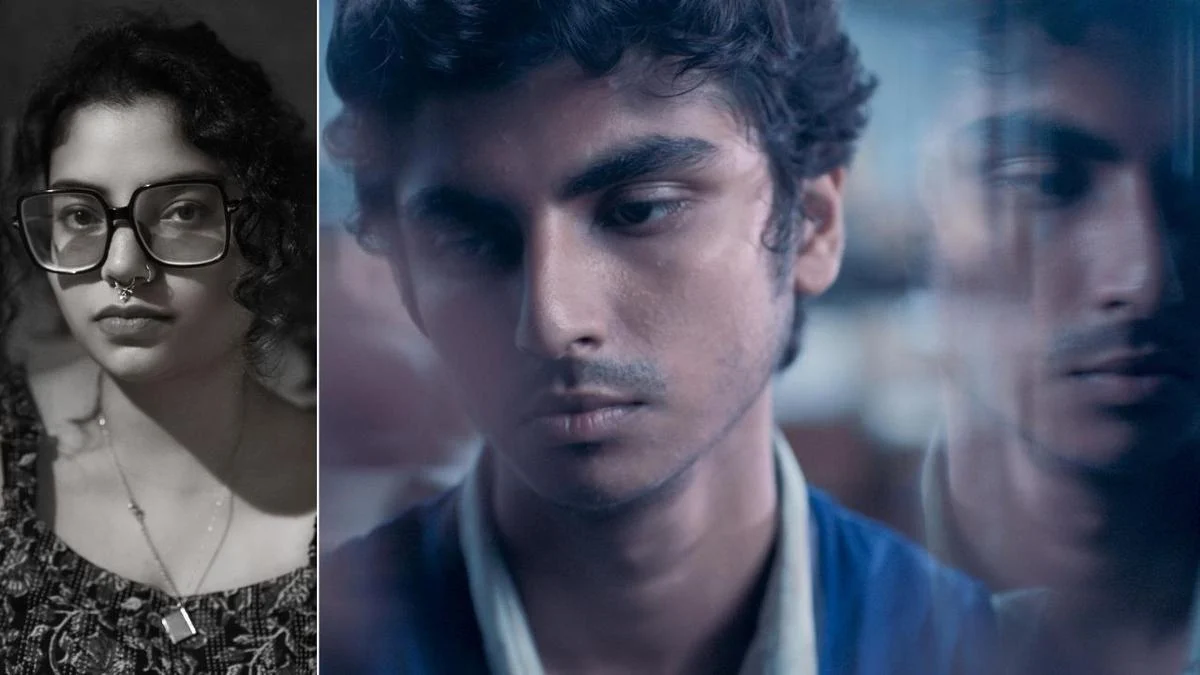
In a significant achievement for Indian cinema, 26-year-old Mehar Malhotra’s Punjabi short film, Parchaave Massiah Raatan De (Shadows of the Moonless Nights), has secured a coveted spot in the La Cinef competition at the 2026 Cannes Film Festival. The film, one of only 14 live-action and 5 animated entries selected from a staggering 2,750 global submissions, marks the sole Indian representation in this prestigious category. This accomplishment not only highlights Malhotra’s burgeoning directorial talent but also underscores the Film and Television Institute of India (FTII)’s continued success on the international stage.
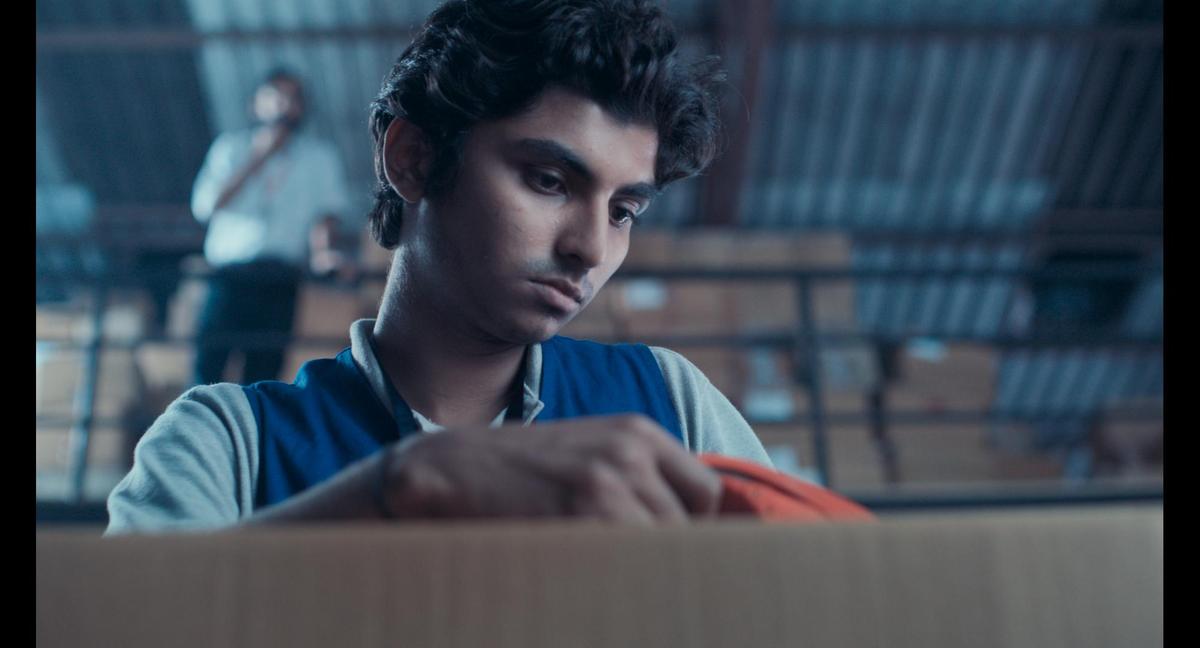
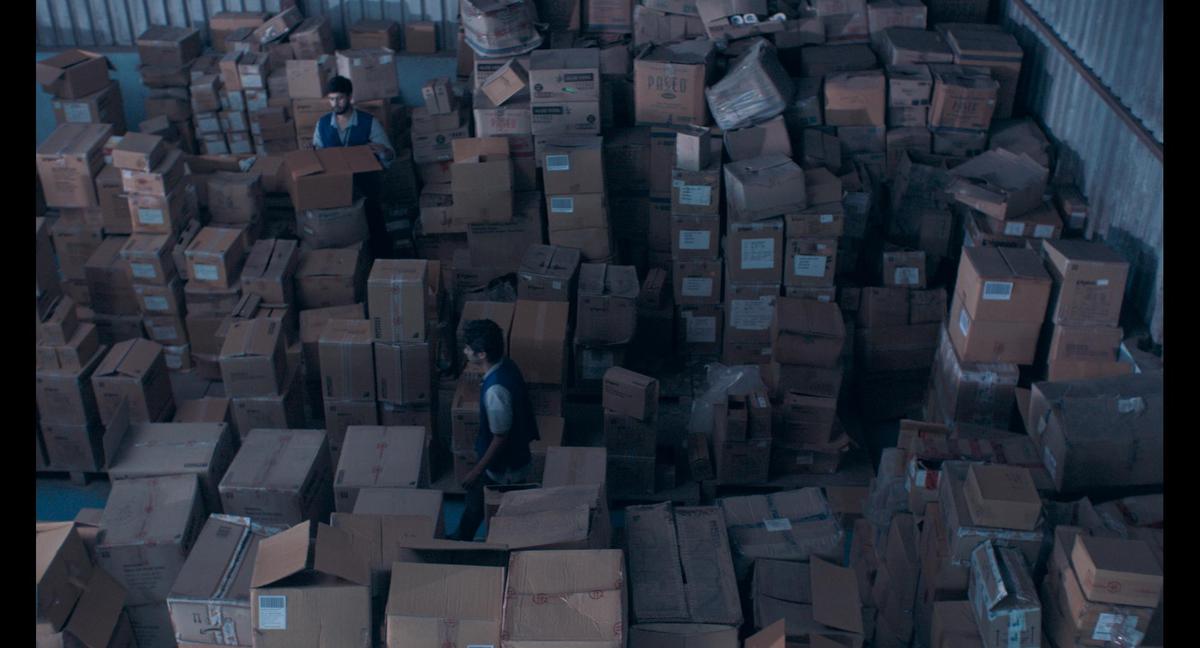
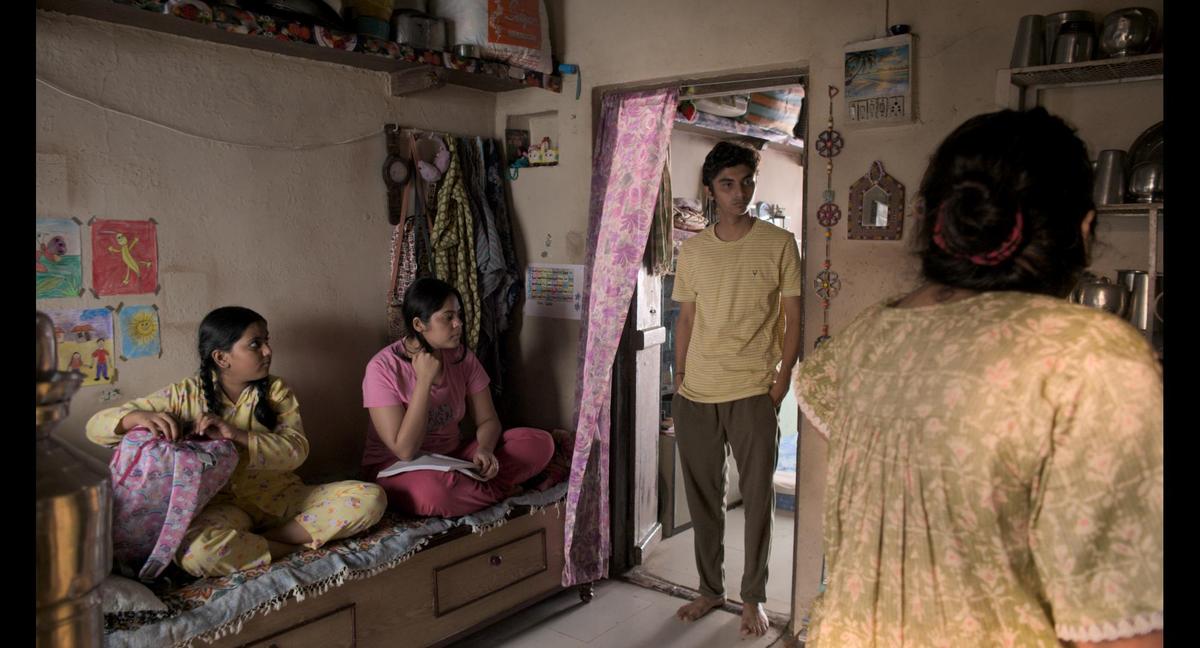
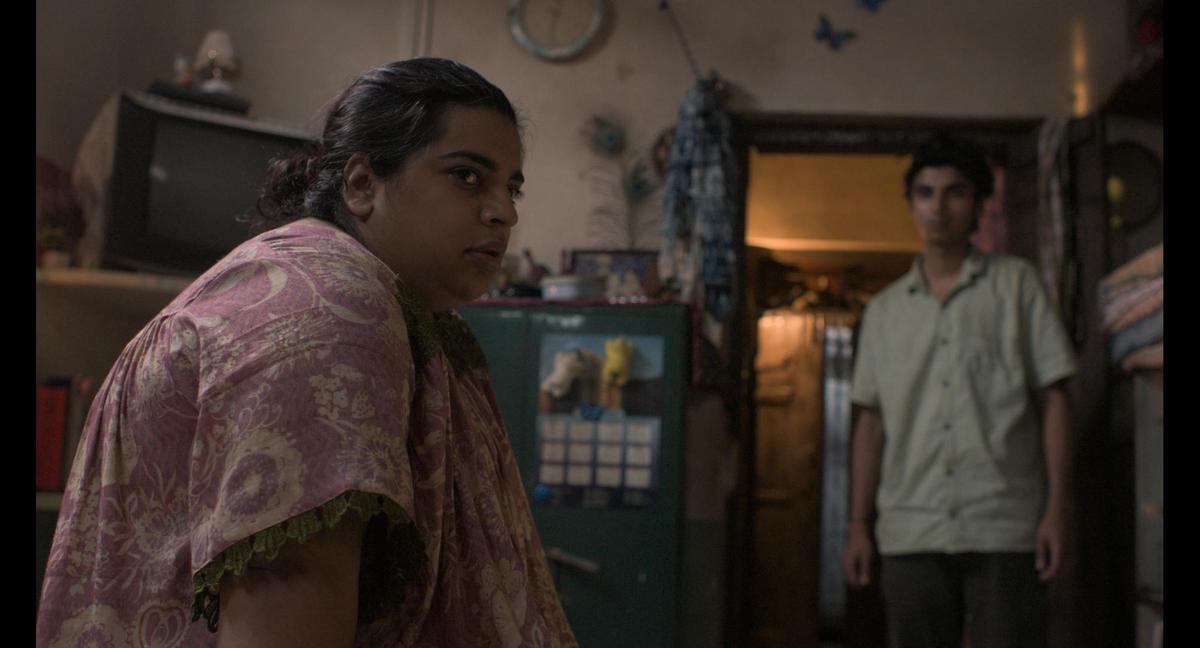
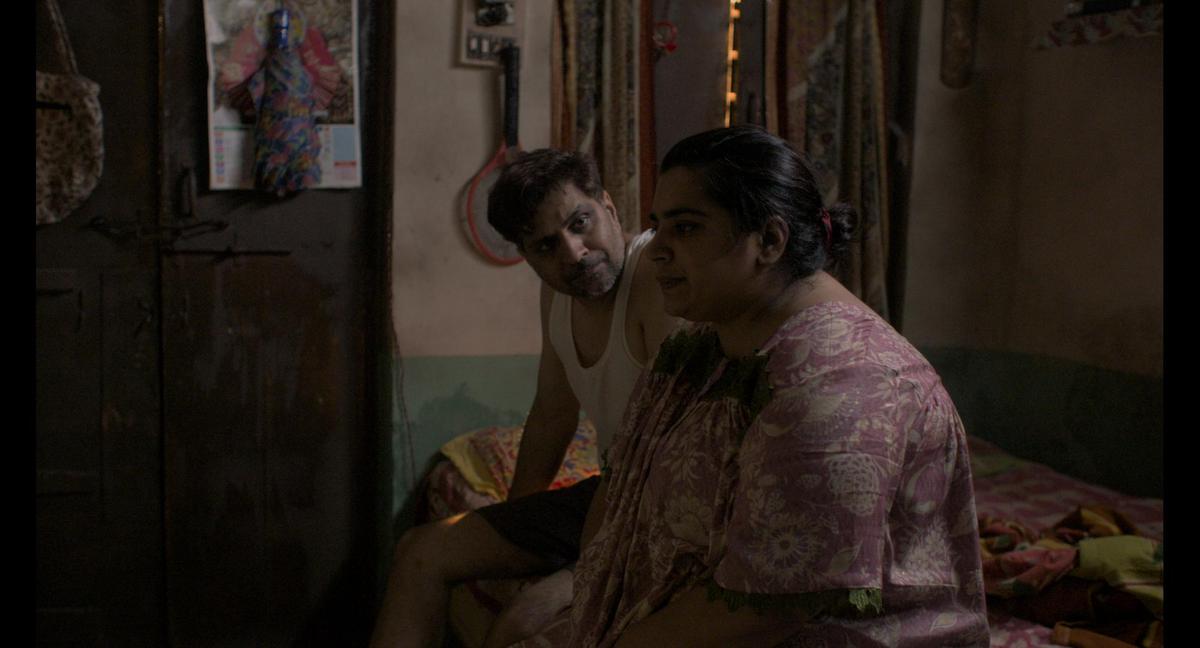
The 24-minute film delves into the profound human struggle for rest and dignity amidst the harsh realities of a capitalist society. It tells the story of Rajan, an impecunious and displaced Punjabi man living with his sister’s family in urban Pune. Toiling through arduous night shifts at a factory, Rajan is caught in a relentless cycle of exhaustion, his days punctuated by familial responsibilities and the deafening noise of a crowded household. His sole, unattainable desire is a night of uninterrupted sleep, a luxury that remains perpetually out of reach.
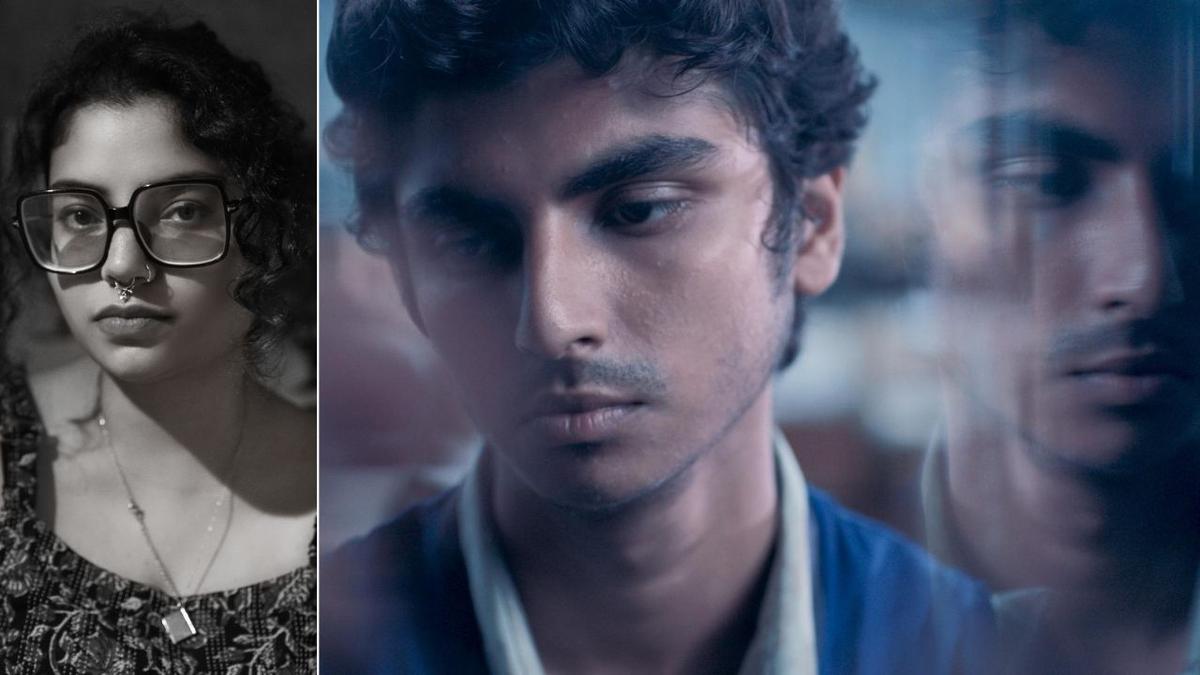
Malhotra, who embraces the moniker "neurospicy" to describe her neurodivergent identity, finds a therapeutic outlet in filmmaking. "On the set, she isn’t impulsive," the article notes, suggesting a focused and channeled energy when immersed in the creative process. This creative endeavor provides the "dopamine boost she seeks on most days," transforming her internal experiences into compelling cinematic narratives. The selection for Cannes is not just a personal triumph but also a testament to her ability to translate complex personal realities into universally resonant stories.
A Legacy of Excellence: FTII’s Cannes Connection
The Film and Television Institute of India (FTII) has a distinguished history at the Cannes Film Festival, particularly within the La Cinef section. Previous student films from FTII have garnered international acclaim, including Ashmita Guha-Neogi’s CatDog in 2020 and Chidananda S. Naik’s Sunflowers were the First Ones to Know in 2024. The anticipation is palpable for whether FTII can achieve a remarkable "three-peat" with Malhotra’s film.

Malhotra, however, remains grounded amidst the mounting expectations. "There’s pressure, but I never expected this to happen," she shares. "The selection is already a win for me. I have never been bothered about outcomes in my life." Her journey to this point has been a varied one, beginning at Delhi’s Vivekananda Institute of Professional Studies before her tenure at FTII. Post-graduation, she gained practical experience in Mumbai, working at an advertisement firm and as an assistant director on Sudhanshu Saria’s Sanaa (2022). This diverse background has evidently shaped her distinctive cinematic vision.
The Weight of Un-rest: Unpacking Rajan’s Struggle
The original title of the film, Massiah, derived from the Punjabi word for "moonless night" (amavasya), aptly sets the stage for the film’s thematic core. The narrative of Parchaave Massiah Raatan De is deeply rooted in Malhotra’s personal observations and experiences. She draws inspiration from her maternal aunt (maasi), who once lived with her family and worked night shifts at a call center.
"She used to be so irritated in the mornings because it is a loud, noisy Punjabi household, and I had to go to school, Papa would get ready for office," Malhotra recalls. "Even if she wanted to sleep, she couldn’t. She was always sleep-deprived and had breakdowns." This poignant memory resonates with Malhotra’s own early experiences in Mumbai. "I had a very noisy roommate in my PG, and one day, I went and slept on the stairs of my building. When I woke up, my bag, everything was gone. I called my mother and kept crying that I want to sleep," she recounts, highlighting the universal and primal need for rest.
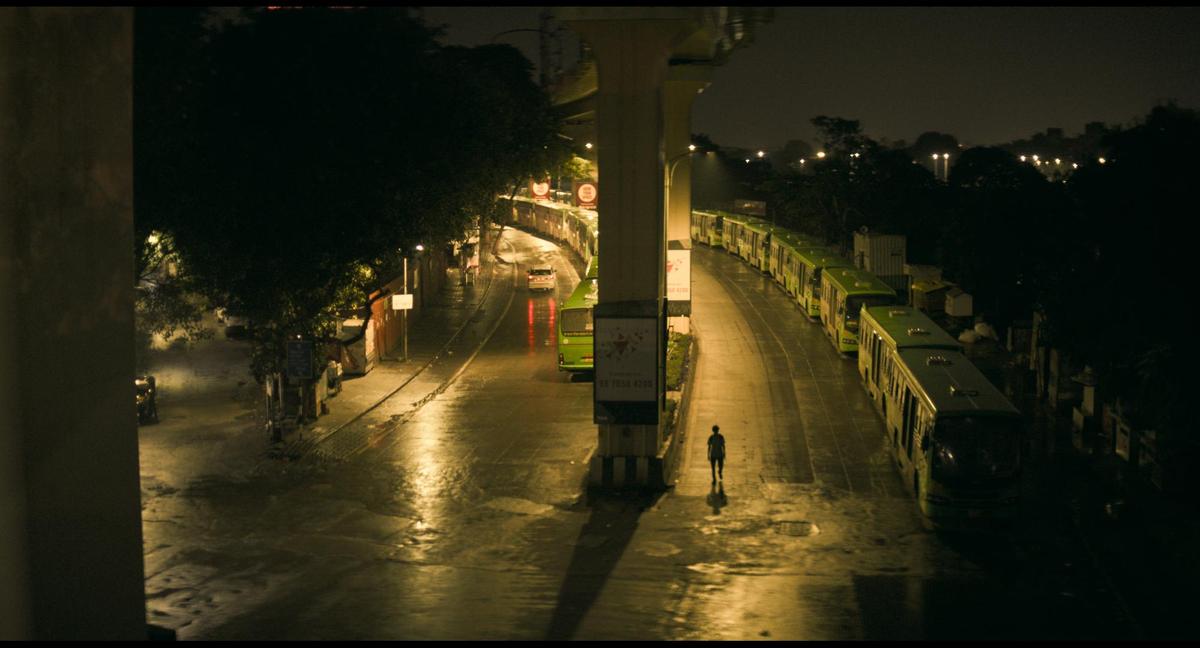
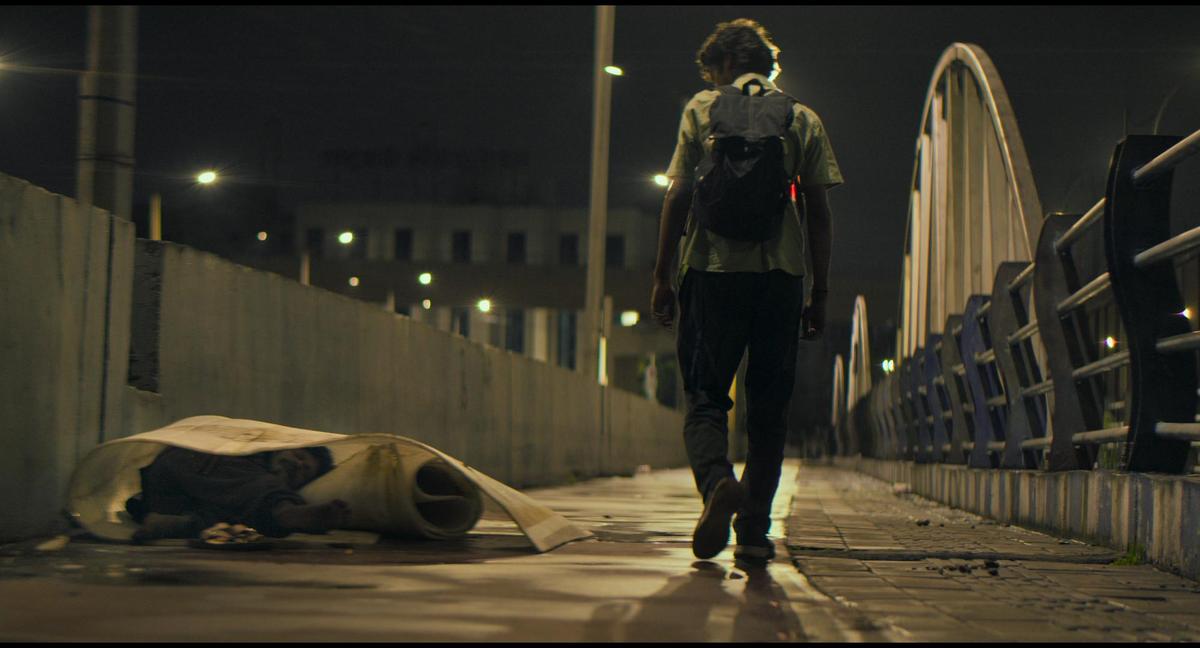
Through Rajan’s plight, Malhotra artfully illustrates how sleep, a fundamental human necessity, becomes a scarce commodity in a capitalist society, particularly for the working class. The initial visual concept for the film was that of a factory worker engaged in night shifts, perpetually denied sleep. This evolved into a haunting montage of individuals attempting to find solace in slumber under the vast, indifferent sky – street vendors on their carts, watchmen in their chairs, and others seeking refuge in underpasses and under bridges, all while Rajan himself remains in a state of profound unrest. This particular scene holds special significance for Malhotra, serving as a powerful visual metaphor for the film’s central themes.
Cinematic Echoes: Sleep Deprivation in Film
The theme of sleep deprivation, whether stemming from insomnia, demanding work, or societal pressures, has been a recurring motif in cinema, explored by filmmakers like Martin Scorsese, The Safdie brothers, and the Coen brothers. In Malhotra’s short film, Rajan is not merely an insomniac; he is actively "chasing sleep."
Malhotra elaborates on the multifaceted layers of her narrative. "The familial tensions and treatment of the working class. The socio-economic aspect of how this displaced family lives in a small, cramped household, in a place which is so culturally and linguistically different. The lack of privacy in their own home. And even if it’s a loving family, how the cracks can widen because of this person doing the night shift [and drinking alcohol]," she explains. Her intention was to create a character like Rajan, who is denied "any release, rest or escape from his situation. It’s just an illusion of escape, of choice."
The Art of Refinement: Mentorship and Narrative Focus
The development of Parchaave Massiah Raatan De benefited significantly from the guidance of FTII mentor Ganesh Gaikwad. Gaikwad played a crucial role in refining the film’s script, particularly in trimming its initial draft. He suggested a pivotal four-minute-long single-take scene focusing on Rajan and his fellow factory mate, Kedar bhau, sharing a drink. This directorial choice, as opposed to depicting multiple workers mocking Rajan, aimed to avoid excessive drama and maintain narrative clarity.
"A singular character will introduce more intimacy, and a personal moment," Gaikwad advised Malhotra. "And, one gets a more intimate glimpse of another character in the factory, besides Rajan, instead of generalizing." This emphasis on intimate character portrayal, rather than broad strokes, proved instrumental in shaping the film’s emotional impact.
Maintaining Authenticity: A Camera at Eye Level
Despite drawing inspiration from her own life and observations, Malhotra remains acutely aware of the potential for her perspective to be perceived as privileged. "I always go through that dilemma," she admits. "I understand the privilege that I come from when writing stories which are not my lived experiences." She acknowledges the difference between her own experience of sleep deprivation and Rajan’s, which is intertwined with systemic disadvantages.
"There is always a fear of putting myself on a pedestal and then looking down on my own characters as somebody who are victims and need help. I am always aware that I should not do that," Malhotra states. She believes that such an approach would be discernible in the filmmaking itself. "Besides, if you do it, your camera and your script will show that, it will reflect in the frame, in the way you position your camera, and whether it is looking down at the characters." In Parchaave Massiah Raatan De, the camera is deliberately positioned at the characters’ eye level, fostering a sense of empathy and equality.
"Simple Films, Complicated Characters": Malhotra’s Cinematic Pantheon
Mehar Malhotra expresses a preference for "simplistic narratives with morally ambiguous characters." Her cinematic influences include renowned directors such as John Cassavetes, whose A Woman Under the Influence (1974) is cited, as well as Rainer Werner Fassbinder’s Fox and His Friends (1975). She also draws inspiration from the works of Lynne Ramsay, particularly Morvern Callar (2002), and Andrea Arnold’s Red Road (2006) and American Honey (2016). These filmmakers are celebrated for their ability to delve into the complexities of human psychology and explore characters operating within nuanced moral landscapes.
Imperfect Images and Evocative Soundscapes
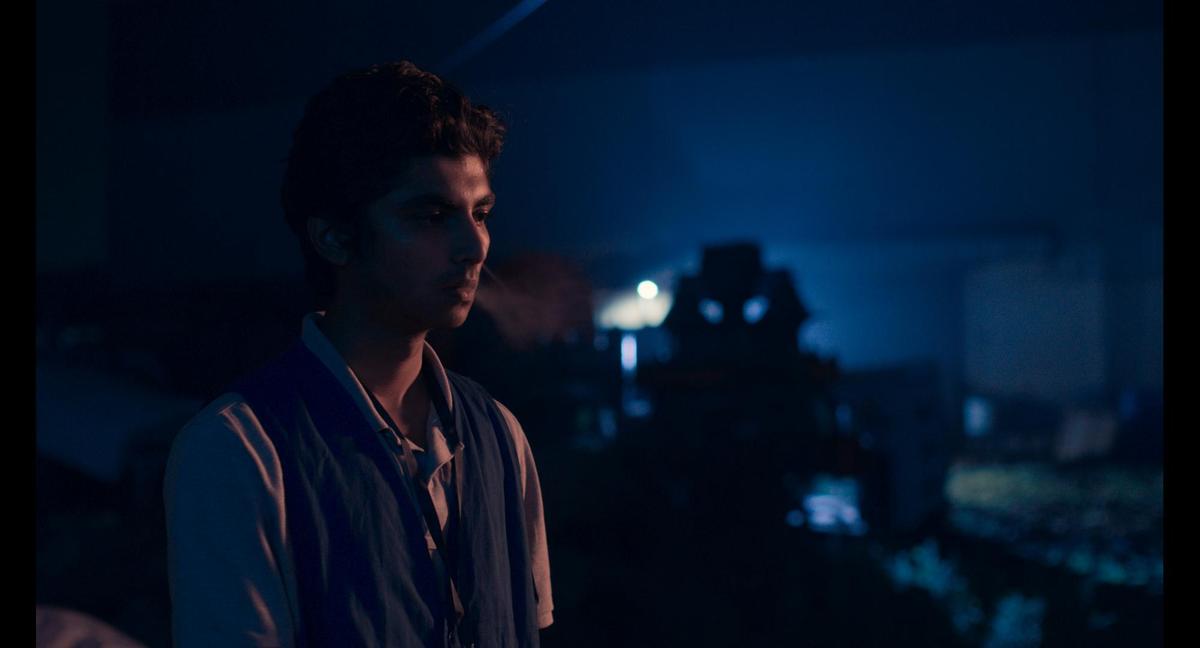
The haunting portrayal of Rajan’s "deadpan exhaustion" by actor Prayrak Mehta leaves a lasting impression on the viewer. Cinematographer Digannt Surti, while utilizing the advanced Sony Venice 2 camera, aimed to achieve a distinct "film effect." The camera’s inherent sharpness was softened through the use of high-speed lenses, creating a subtle anamorphic quality. The visual composition intentionally eschews perfect symmetry, often featuring less headroom, mirroring the "imperfect images in cinema" that Malhotra finds most evocative of life itself.
The sound design of Parchaave Massiah Raatan De plays an equally crucial role in conveying Rajan’s internal turmoil. The piercing sound of whistling, a constant irritant, amplifies his desire for sleep while simultaneously frustrating it. The violent crashing of waves against rocks serves as an auditory externalization of Rajan’s internal unrest, suggesting that no external landscape can truly assuage his deep-seated anxieties.
Malhotra emphasizes the significance of incorporating sound into the scriptwriting process, drawing inspiration from Lucrecia Martel’s The Swamp (2001). "There are so many off-screen sounds that we hear in that film which are not part of the frame, but it builds the atmosphere and adds a bit of mystery," she explains. This approach acknowledges that "it’s not always necessary to actually hear whatever is in the frame, especially in a country like India, there’s noise everywhere." The film embraces the ambient sounds of life, allowing them to organically contribute to the narrative. The soundscape, including the clanking of utensils, was meticulously written alongside the script, creating a rich and immersive auditory experience.
The Emotional Resonance of Punjabi Cinema
The decision to make the film in Punjabi was a natural and deliberate choice for Malhotra. "In FTII, we’ve always been taught to find our own voice and to go back to our roots," she states. As a Delhi resident with maternal roots in Ludhiana, Punjab, embracing the language felt like a homecoming. A teacher’s encouragement to learn Gurmukhi and explore her mother’s native region further solidified this direction.
Malhotra is now determined to expand her cinematic aspirations by creating a longer, feature-length film in Punjabi. "I find the language very emotional and sweet," she observes. Inspired by filmmakers like Gurvinder Singh, she aims to leverage the language to tell stories that authentically represent the reality of Punjab and its people. "That’s very powerful," she concludes, her voice filled with conviction.
The journey of Parchaave Massiah Raatan De from a personal vision to an international cinematic platform is a testament to Mehar Malhotra’s artistic vision, her commitment to authentic storytelling, and the enduring power of cinema to illuminate the human condition, even in its most challenging aspects. Her presence at the Cannes Film Festival is not just a victory for her, but a significant moment for Indian independent cinema on the global stage.
