

New Delhi, India – In an era increasingly defined by environmental consciousness, the story of Satyam Dixit emerges as a beacon of hope and a testament to the power of individual action. Coinciding with World Nature Conservation Day, Zee Media’s "My Earth, My Duty" campaign shines a spotlight on this remarkable young Indian who, against all odds, has transformed his personal journey of hardship into a formidable, citizen-led environmental movement. What began as a response to the unprecedented challenges of the COVID-19 pandemic has blossomed into an initiative spanning over 200 cities, fostering a profound sense of ownership and responsibility for the planet.
Satyam Dixit’s narrative is deeply rooted in resilience and a profound understanding of societal challenges. Raised in humble circumstances, his early life was marked by financial constraints and a deep sense of duty towards his family. The son of a dedicated pedal rickshaw puller who later transitioned to a watchman, Satyam experienced firsthand the realities of a rented home and the necessity of contributing to household income from a young age. His entrepreneurial spirit ignited while still in school, selling momos to supplement his family’s needs. This was followed by work as a delivery executive during his college years, a period that further honed his responsibility and instilled a lifelong commitment to service. These formative experiences, far from being hindrances, laid the bedrock for his future endeavors, imbuing him with empathy and a unique perspective on community needs.
The Pandemic Pivot: A Catalyst for Change
The year 2020, globally synonymous with the COVID-19 pandemic, proved to be a watershed moment in Satyam Dixit’s life. Like many of his peers, he had harbored aspirations of cracking the UPSC examinations, a path often seen as a gateway to public service and societal impact. However, the unfolding crisis presented a different calling. Instead of immersing himself in academic pursuits, Satyam felt an undeniable pull to contribute directly to the well-being of his community. The pandemic’s disruption exposed existing vulnerabilities and created new ones, prompting him to redirect his energy towards immediate, tangible assistance for those most affected.
This period of intense community engagement, characterized by a spirit of selfless service, gradually evolved. As the immediate crisis began to subside, Satyam’s focus shifted towards a more sustainable and long-term form of societal betterment. He recognized that while immediate relief was crucial, addressing systemic issues like environmental degradation was equally vital for the future prosperity and health of communities. It was during this transformative phase that the seeds of his citizen-led environmental initiative were sown. This pivot was not merely a change in plans; it was a profound redefinition of his purpose, a conscious decision to channel his drive for service into the critical domain of environmental stewardship.
)
From Humble Beginnings to a Nationwide Movement: The Genesis of "My Earth, My Duty"
The environmental initiative spearheaded by Satyam Dixit, aptly encapsulated by the ethos of "My Earth, My Duty," began with a modest group of like-minded individuals. Driven by a shared concern for the deteriorating state of public spaces and natural resources, they embarked on their mission with determination and a clear objective: to foster cleanliness, promote effective waste management, and raise public awareness about environmental issues.
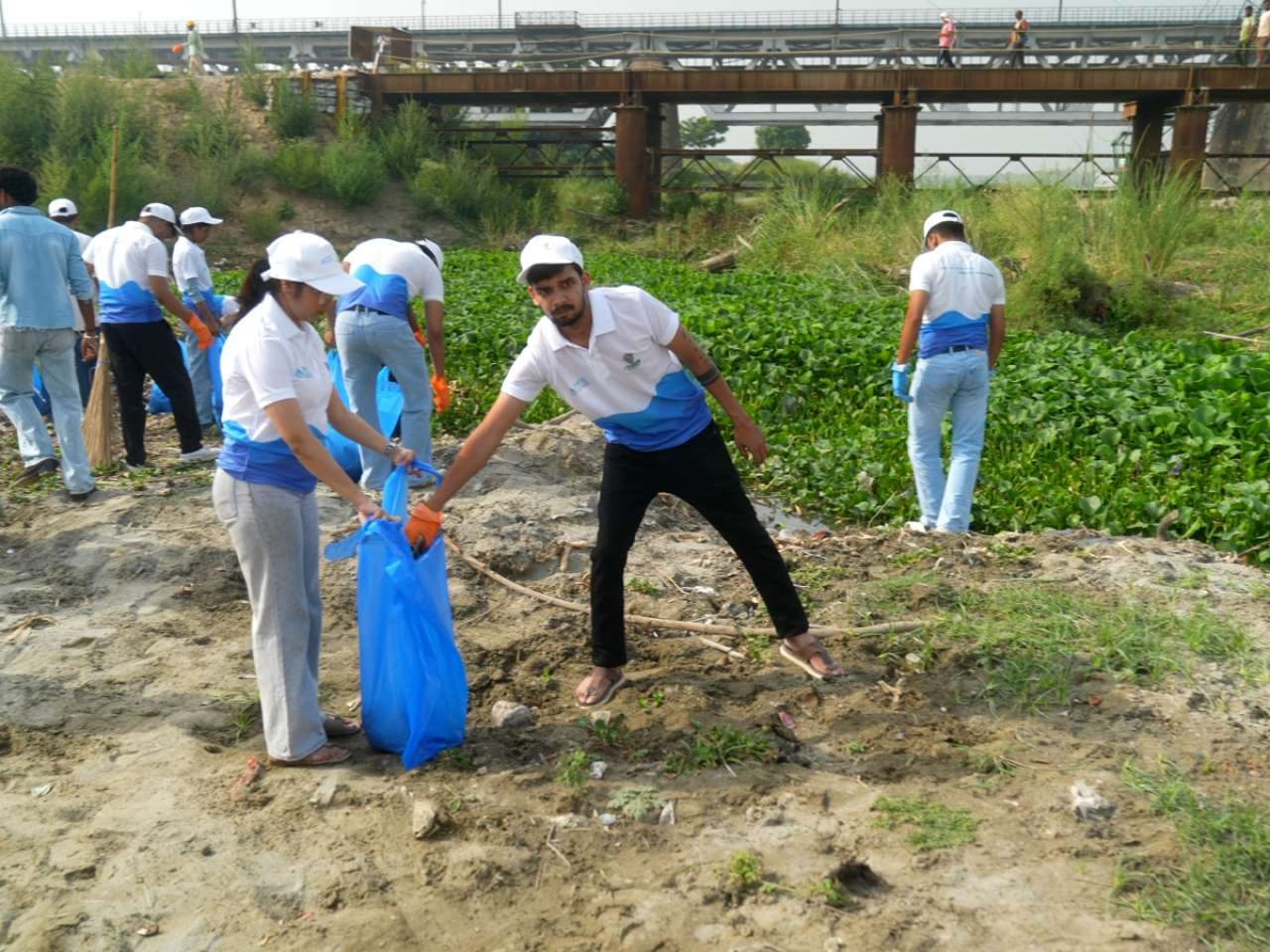
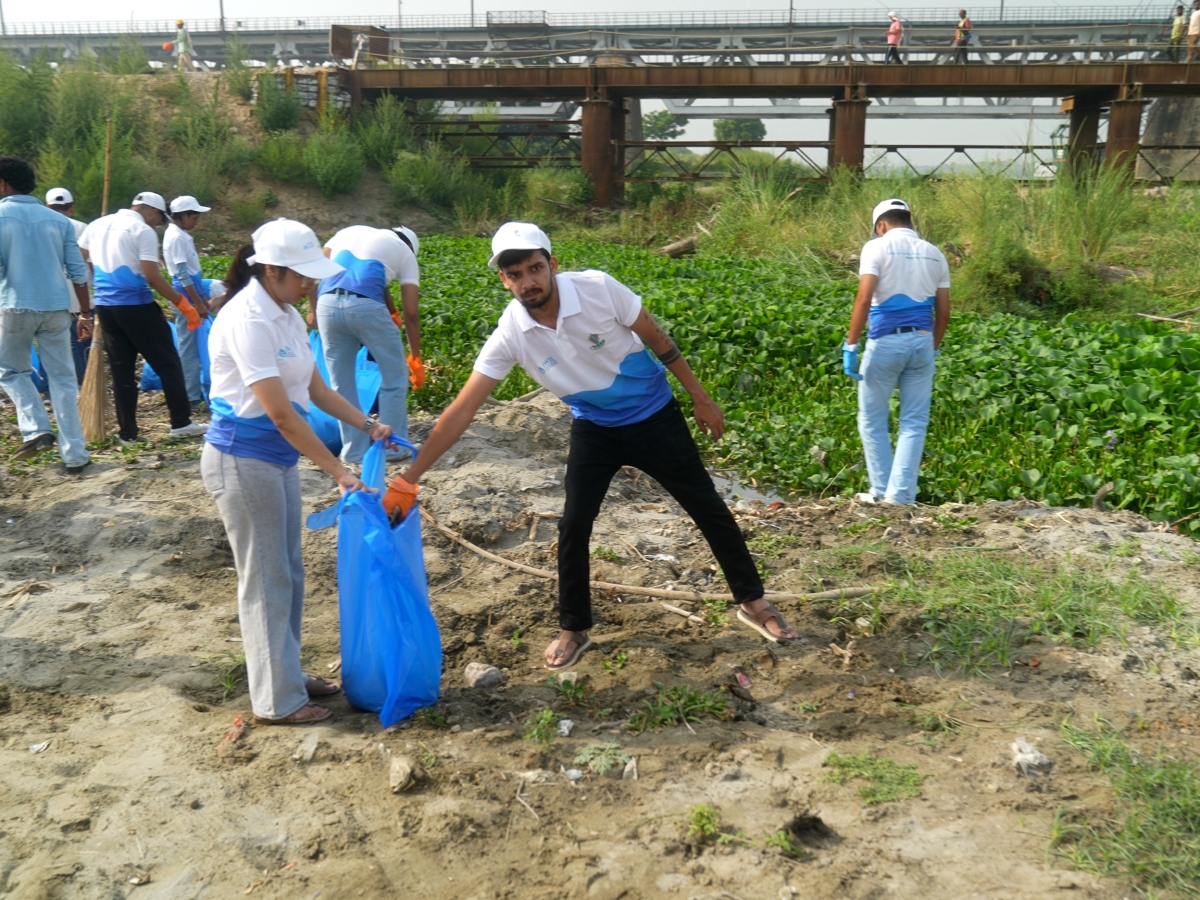
What started as a small-scale endeavor in his local vicinity soon gained traction, fueled by Satyam’s unwavering commitment and the tangible impact of their efforts. The initiative’s core activities revolved around organizing regular cleanup drives. These were not haphazard cleanups but strategically planned events targeting public spaces, parks, and, crucially, riverbanks – arteries of life that often bear the brunt of human neglect. The visual evidence of their hard work – the removal of staggering quantities of accumulated waste – served as a powerful catalyst, attracting more volunteers and garnering wider community support.

The scope of the initiative quickly expanded beyond mere waste removal. Recognizing the multifaceted nature of environmental challenges, Satyam and his team began to integrate more sustainable practices into their operations. This included a strong emphasis on promoting recycling, educating communities about the responsible disposal of various waste streams, including the often-problematic plastic and religious waste, and advocating for the adoption of eco-friendly alternatives. Their approach was not just about cleaning up the mess but about preventing it from happening in the first place, fostering a culture of long-term environmental responsibility.
The "My Earth, My Duty" Philosophy: Empowering Citizens, Inspiring Action
The true strength of Satyam Dixit’s initiative lies in its profound understanding of human behavior and its power to inspire collective action. Beyond the physical act of cleaning, the movement is deeply invested in a paradigm shift in public consciousness. The core philosophy of "My Earth, My Duty" is built on the principle that environmental responsibility is not solely the domain of governments or large organizations, but a shared obligation for every citizen.
)
Awareness campaigns form a critical pillar of their strategy. These campaigns are designed to go beyond simply highlighting environmental problems; they aim to empower individuals with knowledge and inspire them to take ownership of their immediate surroundings. Through community participation, workshops, and interactive sessions, the initiative fosters a sense of belonging and collective responsibility. This approach encourages citizens to see their local environment not as a passive entity but as an extension of their own lives, something to be cherished and protected.
The success of "My Earth, My Duty" can be gauged by its remarkable growth. From its nascent stages, it has burgeoned into a nationwide movement, with dedicated volunteers and active chapters in over 200 cities across India. This widespread adoption underscores the resonance of its message and the urgent need for such grassroots initiatives. The initiative has become a powerful platform for ordinary people to contribute meaningfully to environmental conservation, demonstrating that impactful change can indeed begin with individuals making a conscious choice to take responsibility for the world around them.
)
Supporting Data and Impact: Quantifying the Green Revolution
While specific, aggregated data for the entirety of Satyam Dixit’s initiative across all 200+ cities is not readily available in the provided text, the qualitative impact is undeniably significant. The narrative highlights the organization of "regular cleanup drives at public spaces and riverbanks," which implies a consistent and sustained effort. The phrase "helping remove large quantities of waste" suggests a substantial volume of material being diverted from landfills and natural ecosystems.
To further contextualize the impact, one can draw upon general statistics related to waste generation and environmental pollution in India. According to the Central Pollution Control Board (CPCB), India generates millions of tonnes of municipal solid waste annually, a significant portion of which is plastic. River pollution, particularly in major waterways like the Ganges, is a critical issue, with studies indicating the presence of high levels of pollutants from both industrial and domestic sources.
)
The efforts of initiatives like "My Earth, My Duty" directly address these critical issues. By focusing on:
- Waste Reduction and Management: The cleanup drives directly tackle existing waste accumulation, preventing further environmental damage. The promotion of recycling and responsible disposal contributes to a more circular economy, reducing the burden on landfills and minimizing resource depletion.
- Public Awareness and Behavioral Change: The campaigns aim to shift public perception and behavior, leading to a long-term reduction in waste generation and a greater respect for the environment. This is arguably the most crucial aspect, as sustained change requires a fundamental alteration in societal habits.
- Community Empowerment: By encouraging citizen participation, the initiative builds social capital and fosters a sense of collective efficacy. When people see tangible results from their collective efforts, it strengthens their resolve and encourages further engagement.
While precise figures for the amount of waste collected or the number of people directly impacted by awareness campaigns are not detailed, the sheer scale of the movement – operating in over 200 cities – suggests a widespread and significant positive impact on local environments and community engagement. The narrative of "My Earth, My Duty" serves as a powerful case study for the potential of grassroots environmental action to create substantial, measurable change.
)
Official Responses and Recognition: Acknowledging the Power of People
While the provided text doesn’t explicitly detail official responses or specific awards received by Satyam Dixit or his initiative, the very fact that Zee Media’s "My Earth, My Duty" campaign is highlighting his story signifies a level of official and media recognition. Campaigns by major media houses often involve collaboration with or at least endorsement from governmental bodies and environmental organizations.
The "My Earth, My Duty" campaign itself suggests a broader societal recognition of the importance of environmental action. By dedicating a platform to individual changemakers, Zee Media is acknowledging the vital role that citizens play in addressing environmental challenges. Such media attention often serves as a catalyst for further support, attracting potential partnerships with NGOs, corporate social responsibility (CSR) initiatives, and even government agencies.
)
In the broader context of environmental activism in India, individuals and grassroots organizations often receive commendations and support from:
- Ministry of Environment, Forest and Climate Change (MoEFCC): The central government’s nodal agency for environmental policy and implementation.
- State Pollution Control Boards (SPCBs): Responsible for environmental regulation at the state level.
- Local Municipal Corporations and Panchayats: Directly involved in waste management and public space maintenance.
- Environmental NGOs and Foundations: Organizations like Greenpeace India, World Wide Fund for Nature (WWF) India, and numerous local trusts often collaborate with and support grassroots movements.
The success of "My Earth, My Duty" in expanding to over 200 cities strongly implies that its model is effective and scalable, making it attractive for potential official partnerships and endorsements. The narrative itself is a testament to the growing recognition that environmental solutions are not solely top-down but are significantly driven by the dedication and innovation of ordinary citizens.
)
Implications for the Future: A Blueprint for Sustainable Change
Satyam Dixit’s journey and the phenomenal growth of the "My Earth, My Duty" initiative carry profound implications for the future of environmental conservation and societal development in India and beyond. His story serves as a powerful blueprint for how individuals, particularly those from humble backgrounds, can become agents of transformative change.
Key Implications:
)
- Decentralization of Environmental Action: The success of "My Earth, My Duty" demonstrates that effective environmental stewardship can thrive at the grassroots level. It shifts the focus from solely relying on governmental policies to empowering local communities to take ownership and implement solutions tailored to their specific contexts.
- The Power of Citizen-Led Movements: The initiative highlights the immense potential of citizen-led movements to achieve widespread impact. By mobilizing volunteers and fostering a sense of collective responsibility, these movements can achieve what often seems insurmountable for single entities.
- Inspiration for Youth and Marginalized Communities: Satyam Dixit’s personal journey, from a challenging economic background to leading a national movement, offers powerful inspiration. It proves that one’s circumstances do not define their capacity for positive impact, encouraging young people and individuals from marginalized communities to believe in their ability to make a difference.
- A Model for Sustainable Development: The initiative’s integrated approach – encompassing cleanup, waste management, recycling, and awareness – provides a holistic model for sustainable development. It underscores the interconnectedness of environmental health, community well-being, and individual responsibility.
- Catalyst for Policy and Behavioral Change: The widespread visibility and tangible results of "My Earth, My Duty" can influence public policy and encourage broader societal behavioral shifts. As more people are inspired to act, it can create a critical mass for sustained environmental consciousness.
- Economic Opportunities: While not explicitly stated, the expansion of such initiatives can also create local economic opportunities through waste management, recycling enterprises, and the promotion of sustainable products and practices.
In essence, Satyam Dixit’s "My Earth, My Duty" is more than just an environmental initiative; it is a socio-environmental revolution in the making. It is a powerful reminder that the most profound changes often begin with a single individual’s unwavering commitment, a compassionate heart, and the belief that "My Earth, My Duty" is not just a slogan, but a call to action for all. As the world grapples with escalating environmental crises, stories like Satyam’s offer a vital dose of optimism and a practical roadmap towards a greener, more sustainable future.
