

Introduction
In a remarkable turn of events that has captivated the global film industry, a Chinese animated feature, initially lambasted as the "worst animated movie ever," has transcended its critical reception to become an unprecedented box office phenomenon. "Niu Lai," a film produced on an almost negligible budget, has defied all odds, transforming from a critical pariah into a multi-million dollar success story. This unlikely triumph is a testament to the unpredictable power of internet culture, the viral spread of memes, and the inherent human curiosity that can be sparked by even the most unconventional of artistic endeavors.
The Unlikely Genesis: A Mother-Son Duo’s Audacious Vision
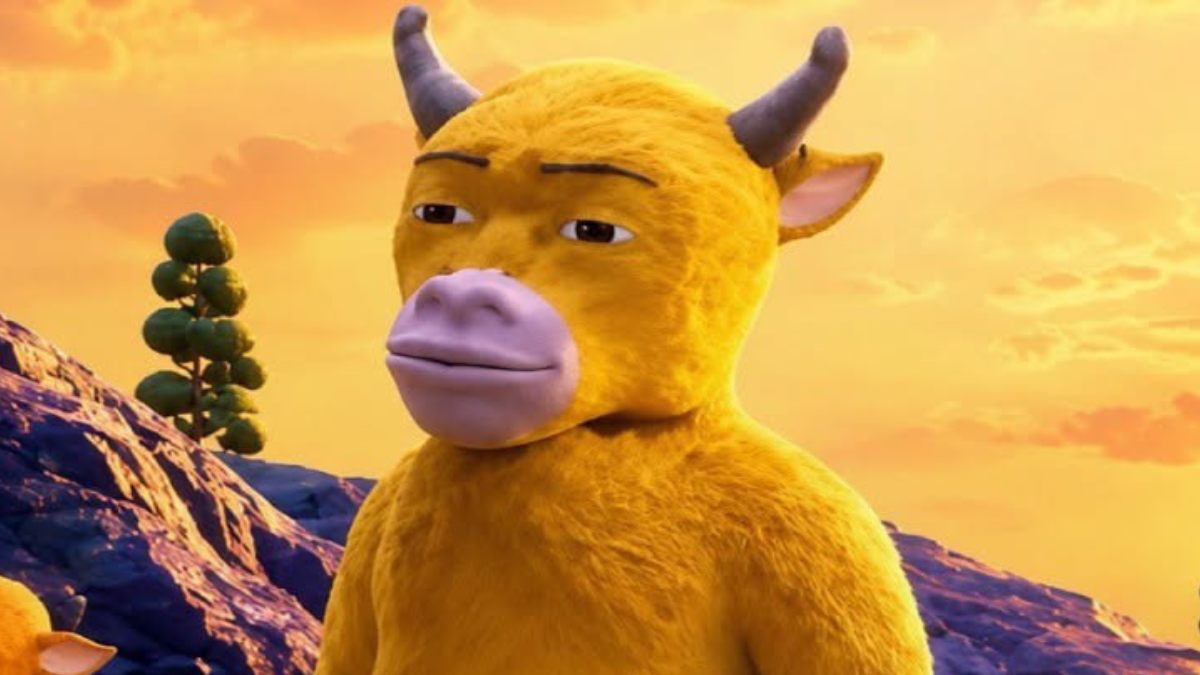
The story of "Niu Lai" is as fascinating as its box office trajectory. Developed over several years by a dedicated mother-son duo, the film’s creators poured their passion into a project that, by all visual accounts, fell drastically short of contemporary animation standards. The animation style, characterized by its rudimentary visuals and simplistic character designs, quickly became a focal point of online discussion. Instead of eliciting widespread praise, "Niu Lai" found itself the subject of widespread ridicule, becoming a breeding ground for internet memes and online commentary that questioned its very existence as a cinematic release.
However, what began as a torrent of negative attention inadvertently sowed the seeds of its eventual success. The sheer audacity of its perceived low quality, coupled with the persistent online buzz, piqued the interest of a curious audience. This intrigue, fueled by social media platforms and the inherent desire to witness something truly "bad," created a counter-narrative to the critical consensus. The very elements that rendered the film a critical failure—its awkward animation and unpolished presentation—became its unexpected marketing engine.
Chronology of a Phenomenon: From Obscurity to Riches
The initial release of "Niu Lai" on August 5th was met with a deafening silence at the box office. Reports indicate that in its first ten days, the film garnered a mere RMB 7,700 (approximately $1,000 USD), with fewer than 300 tickets sold. This dismal performance cemented its status as a commercial disaster, reinforcing the negative online sentiment.
However, a seismic shift began to occur. The continuous online discourse, the proliferation of memes, and the sheer novelty of a film so widely panned began to attract a different kind of audience – one driven by curiosity and a desire to experience the "worst" for themselves. This wave of interest translated into a dramatic surge in ticket sales. Within a remarkably short period, the film’s earnings skyrocketed.
According to various media reports, "Niu Lai" has now surpassed RMB 29 million (approximately $4.3 million USD) in China. This astounding turnaround transformed the film from a financial black hole into a highly profitable venture, especially when considering its minuscule production costs.
Supporting Data: The Economics of Unconventional Success
The financial success of "Niu Lai" is, by all accounts, staggering when viewed through the lens of its budget. Reports consistently place the film’s production cost at under $200 USD. This figure, if accurate, renders "Niu Lai" not just a profitable film, but one of the most profitable animated features of all time, at least in terms of return on investment.
The film’s earnings of approximately $4.3 million USD represent a return of over 2050% on its initial investment. This level of profitability is rarely seen even in Hollywood blockbusters with multi-million dollar marketing campaigns. "Niu Lai’s" success story is a potent illustration of how the digital age has democratized visibility and how unconventional narratives can find an audience independent of traditional critical gatekeepers. The power of social media, in this instance, proved to be a more potent marketing tool than any conventional advertising campaign could have achieved.
Official Responses and Industry Reactions
While no official statements from the filmmakers or distributors regarding the film’s unexpected success have been widely publicized, the industry has undoubtedly taken notice. The phenomenon of "Niu Lai" presents a fascinating case study for animation studios and content creators worldwide. It challenges conventional wisdom regarding the importance of high production values and critical acclaim in achieving commercial success.
Industry analysts are likely dissecting the "Niu Lai" model to understand the dynamics of virality and audience engagement in the digital era. The film’s trajectory suggests that in an age saturated with content, perceived flaws can, paradoxically, become a source of appeal. The narrative of "so bad it’s good" has a long history in entertainment, but "Niu Lai" has elevated it to an unprecedented financial level within the animation sphere.
Some may view this as a cautionary tale about the subjective nature of art and the power of online trends. Others might see it as an inspiration, proving that passion and a unique story can resonate with audiences, regardless of technical polish. The film’s success raises questions about the future of independent animation and the potential for niche content to find unexpected mainstream appeal.
Implications for the Future of Animation and Content Creation
The "Niu Lai" phenomenon carries significant implications for the future of animation and the broader landscape of content creation:
-
The Power of Virality and Meme Culture: "Niu Lai" is a stark reminder that in the digital age, what goes viral can translate directly into commercial success. The film’s journey underscores the importance of understanding and potentially leveraging internet culture, even if it initially appears negative. This could lead to more experimental approaches in marketing and content creation, embracing the unpredictable nature of online discourse.
-
Redefining "Quality" and Audience Appeal: The film challenges traditional notions of what constitutes "quality" in animation. While technically unimpressive, its narrative and the inherent curiosity it generated resonated deeply with a segment of the audience. This suggests that compelling storytelling and a unique premise can sometimes outweigh technical sophistication, especially when amplified by social media.
-
The Rise of the "Anti-Hero" Product: "Niu Lai" exemplifies the "anti-hero" product – something that gains traction precisely because of its perceived flaws. This could inspire creators to embrace their unique voices and styles, even if they deviate from established norms. The fear of being "too different" might diminish, opening doors for more unconventional artistic expressions.
-
Democratization of Visibility: The film’s success demonstrates that even with limited resources, content can achieve widespread visibility through organic online sharing. This could empower independent creators and small studios to compete on a more even playing field, relying on ingenuity and audience engagement rather than massive marketing budgets.
-
The Nuances of Critical Reception vs. Commercial Success: "Niu Lai" highlights the growing disconnect between critical reception and commercial success. While critics and a significant portion of the audience may have dismissed the film, its ability to capture the public’s imagination and generate substantial revenue is undeniable. This will likely lead to a re-evaluation of how success is measured in the entertainment industry.
Conclusion
"Niu Lai" stands as a remarkable anomaly in the annals of cinema. Its journey from being labeled the "worst animated movie ever" to becoming a multi-million dollar profit sensation is a testament to the unpredictable and often counter-intuitive forces that shape the entertainment industry today. It is a story that will be told and retold, not just for its financial success, but for its profound implications on how we perceive quality, the power of internet culture, and the ever-evolving definition of a box office hit. The timid calf’s journey through a dream, facing dangers and finding courage, has mirrored its own improbable rise, proving that sometimes, the most unlikely stories can achieve the most extraordinary endings.
