

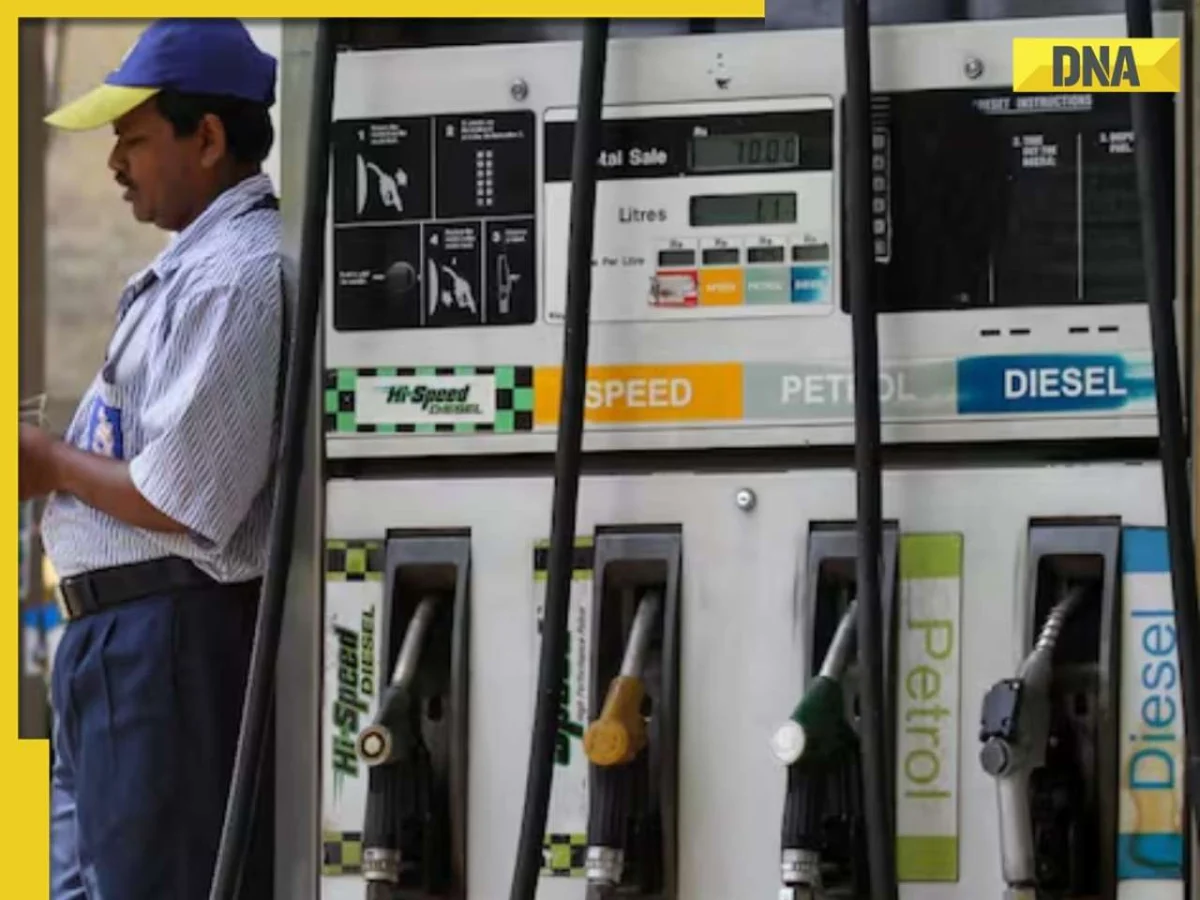
Mumbai, India – May 28, 2026 – India’s fuel markets continue to exhibit remarkable stability, with Mumbai registering a marginal dip in petrol prices to Rs 111.18 per litre on May 28, 2026. Diesel prices, however, held steady at Rs 97.83 per litre. This localized adjustment comes as a broader trend of price equilibrium persists across the nation, largely insulating consumers from the often-turbulent fluctuations in international crude oil prices and currency exchange rates.
The slight reduction in Mumbai’s petrol price, a mere Rs 0.03 from the previous day, underscores the calibrated approach adopted by India’s public sector oil marketing companies (OMCs). Despite the dynamic global energy landscape, these companies, under government oversight, have largely succeeded in buffering domestic consumers from sharp price swings, a strategy that has become a cornerstone of India’s energy policy.
Main Facts: A Glimpse into India’s Fuel Market Dynamics
On Wednesday, May 28, 2026, Mumbai’s residents saw petrol priced at Rs 111.18 per litre, a minor decrease from its previous day’s rate. Diesel, a critical fuel for the nation’s logistics and transportation sectors, maintained its price point at Rs 97.83 per litre. This stability in diesel is particularly significant given its profound impact on supply chains and inflation.
Across the vast geographical expanse of India, fuel prices present a mosaic of rates, reflecting varying state-level taxes, transportation costs, and local dealer commissions. Currently, petrol prices nationwide span a range of approximately Rs 88 to Rs 118 per litre, while diesel prices fluctuate between Rs 84 and Rs 105 per litre. This disparity is a direct consequence of the federal structure of taxation, where both central and state governments levy duties on petroleum products.
)
The underlying factors influencing these retail prices are a complex interplay of global crude oil benchmarks, the volatile rupee-US dollar exchange rate, and domestic taxation policies. Despite periods of significant turbulence in international energy markets, India’s OMCs have prioritized price stability, a move often perceived as a delicate balance between consumer welfare, government revenue generation, and the financial health of the oil companies themselves. India’s fuel prices, however, remain notably higher than those in several neighbouring countries, primarily due to the substantial tax components imposed by both central and state administrations, which form a significant portion of the final retail price.
Chronology: Tracing the Path of Fuel Price Evolution
The recent slight adjustment in Mumbai’s petrol price is not an isolated event but part of a continuous, though often subtle, fluctuation in India’s fuel market. Over the past ten days, petrol prices in the financial capital have demonstrated a narrow band of movement, ranging from Rs 107.59 to Rs 111.21 per litre. Similarly, diesel prices in Mumbai have varied between Rs 94.08 and Rs 97.83 per litre during the same period. These micro-fluctuations are a direct result of the daily pricing mechanism adopted by OMCs, which came into effect in June 2017, replacing the erstwhile fortnightly revision system.

The Shift to Daily Pricing
Before June 2017, fuel prices were revised every fortnight, leading to larger, more noticeable changes. The shift to daily price revisions was aimed at better aligning domestic prices with global crude oil movements and the rupee-dollar exchange rate, thereby minimizing the shock of large price changes and allowing for a more gradual transmission of international price signals. While this system theoretically allows for real-time adjustments, OMCs often exercise discretion, particularly during periods of extreme volatility, to prevent sharp increases that could trigger public discontent or economic strain.
Historical Context of Price Volatility and Stability
Looking back further, India’s fuel price history is punctuated by periods of significant volatility, particularly during global crude oil crises or major geopolitical events. However, there have also been extended periods of relative stability, often influenced by government interventions or a global environment of moderate oil prices. For instance, the years preceding the COVID-19 pandemic saw a gradual upward trend, while the pandemic-induced demand shock temporarily drove global crude prices down, offering some respite to consumers. Post-pandemic recovery and the Russia-Ukraine conflict, however, reintroduced considerable uncertainty, pushing crude prices to multi-year highs. It is against this backdrop of persistent global flux that India’s current domestic price stability stands out. The government and OMCs have often absorbed portions of international price hikes, either by adjusting excise duties or by OMCs moderating their marketing margins, to shield consumers.
)
Supporting Data: Unpacking the Numbers and Influences
Understanding India’s fuel pricing mechanism requires a deeper dive into the myriad data points and economic indicators that shape it.
Nationwide Price Disparities
The national average for petrol and diesel prices masks significant regional variations. As noted, petrol can range from Rs 88 to Rs 118, and diesel from Rs 84 to Rs 105. This wide spread is primarily attributable to:
)
- State Value Added Tax (VAT): Each state levies its own VAT, which varies significantly. States with higher VAT rates naturally have higher retail fuel prices.
- Local Taxes and Cess: Some municipalities or local bodies may impose additional cesses or taxes.
- Freight Charges: The cost of transporting fuel from refineries to distribution points and then to retail outlets contributes to the final price, with remote areas often incurring higher freight costs.
- Dealer Commissions: Petrol pump dealers receive a commission per litre, which is standardized but adds to the retail price.
Among major cities, Hyderabad and Thiruvananthapuram consistently record some of the highest petrol prices, often due to higher state taxes and logistical challenges. Conversely, regions like the Andaman and Nicobar Islands, which benefit from specific government policies and lower tax structures, maintain comparatively lower fuel prices, offering a stark contrast to mainland rates.
India’s Thirst for Energy
India’s energy consumption figures underscore the critical importance of fuel price stability. In 2023, the nation consumed approximately 220 million metric tonnes of crude oil and petroleum products. This figure highlights India’s position as the world’s third-largest oil consumer and importer, with fuel demand steadily rising in both urban and rural areas. This growth is driven by increasing vehicle ownership, expanding industrial activity, and a burgeoning transportation sector.
)
Diesel, in particular, remains the lifeblood of India’s logistics and transportation sector. It accounts for a major share of commercial fuel consumption nationwide, powering trucks, buses, railway locomotives, and agricultural machinery. Therefore, any significant fluctuation in diesel prices has immediate and widespread implications for freight costs, agricultural production expenses, and ultimately, inflation across various goods and services.
Global Crude Oil and Exchange Rate Dynamics
The price of India’s fuel is inherently linked to international crude oil benchmarks like Brent Crude and WTI (West Texas Intermediate). Factors influencing these global prices include:
)
- OPEC+ Decisions: The Organization of the Petroleum Exporting Countries (OPEC) and its allies (OPEC+) frequently adjust production quotas, directly impacting global supply.
- Geopolitical Tensions: Conflicts in oil-producing regions (e.g., Middle East, Eastern Europe) or major shipping routes can disrupt supply and trigger price spikes.
- Global Demand-Supply Balance: Economic growth forecasts, industrial activity, and travel patterns worldwide dictate demand, which, in conjunction with supply, sets the price.
- Strategic Reserves: Releases from strategic petroleum reserves by major economies can temporarily increase supply.
Equally crucial is the Rupee-US Dollar exchange rate. Since international crude oil is traded in US dollars, a depreciation of the Indian Rupee against the dollar makes crude imports more expensive in local currency terms, even if global dollar prices remain stable. Over the past year, the Rupee has experienced periods of both stability and slight depreciation against the dollar, directly influencing the landed cost of crude for Indian refiners.
The Tax Burden
A significant component of the retail fuel price in India comprises taxes. Both the Central government (through excise duty) and state governments (through VAT) levy substantial taxes. While these taxes are crucial revenue streams for both levels of government, they also contribute to India’s comparatively higher fuel prices when juxtaposed with nations like Sri Lanka or Bangladesh, where tax structures might be different or where subsidies might be more prevalent. The interplay of these taxes means that even a moderate international crude price can translate into a relatively high retail price for the Indian consumer.
)
Official Responses: Strategies for Price Stability
The relative stability of fuel prices in India, particularly amidst a volatile global market, is not accidental. It is the result of a deliberate and calibrated strategy involving India’s public sector OMCs and government oversight.
Role of Oil Marketing Companies (OMCs)
Indian OMCs, primarily Indian Oil Corporation (IOC), Bharat Petroleum Corporation Limited (BPCL), and Hindustan Petroleum Corporation Limited (HPCL), play a pivotal role. They absorb a portion of the international price volatility by adjusting their marketing margins. This "calibrated pricing strategy" involves:
)
- Cross-Subsidization: During periods of high global crude prices, OMCs may operate on thinner margins or even losses on certain fuels, offsetting these with gains during periods of lower crude prices.
- Government Directives/Guidance: While fuel pricing is technically deregulated, OMCs often receive informal guidance from the government regarding price revisions, especially to maintain stability during economically sensitive times.
- Inventory Management: Strategic inventory management helps OMCs mitigate the impact of sudden price surges in the short term.
Government Oversight and Tax Adjustments
The Indian government, both at the Centre and in the states, exercises significant influence over fuel prices, primarily through its taxation policies.
- Central Excise Duty: The Central government can increase or decrease excise duty on petrol and diesel. Historically, during periods of high crude prices, the Centre has sometimes cut excise duty to ease the burden on consumers. Conversely, when crude prices are low, duties have been raised to bolster government revenues.
- State VAT: State governments adjust their VAT rates periodically. These adjustments are often driven by state-specific revenue needs or electoral considerations.
- Balancing Act: The government’s stance is often a delicate balancing act – ensuring adequate revenue for public expenditure, supporting the financial health of OMCs, and protecting consumers from excessive price hikes. This balance is critical, as fuel taxes are a major contributor to the national exchequer.
The deregulation of petrol and diesel prices in 2010 and 2014, respectively, theoretically handed over pricing power to OMCs, allowing them to align retail prices with market rates. However, in practice, the government retains significant indirect control, especially through tax policies and the expectation of OMCs to maintain price stability, reflecting a commitment to managing inflation and public sentiment. This "managed deregulation" approach seeks to combine market efficiency with social welfare considerations.
)
Implications: Far-Reaching Economic and Social Impact
The stability, or lack thereof, in fuel prices has profound implications across the Indian economy and society, affecting everything from household budgets to national economic indicators.
Impact on Inflation and Household Budgets
Fuel is a critical input cost for almost all goods and services. Therefore, stable fuel prices contribute directly to moderating inflationary pressures, as reflected in the Consumer Price Index (CPI) and Wholesale Price Index (WPI). When fuel prices rise, transportation costs for food, manufactured goods, and services increase, leading to higher retail prices for consumers. Conversely, stability in fuel prices helps keep these costs in check, preserving the purchasing power of the common man and easing the burden on household budgets. For average Indian families, fuel expenses represent a significant portion of their monthly outgoings, especially for those commuting daily or relying on personal vehicles.
)
Effect on Logistics and Transportation Sector
Diesel, as the primary fuel for commercial vehicles, dictates the operational costs of India’s vast logistics and transportation sector. Stable diesel prices ensure predictable freight costs, which is crucial for supply chain efficiency and planning. Any sharp increase can lead to:
- Higher Freight Charges: Translating to increased costs for manufacturers, retailers, and eventually, consumers.
- Reduced Profit Margins: For transporters and logistics companies.
- Disruptions: In supply chains if costs become unsustainable for smaller operators.
- Increased Passenger Fares: For bus and taxi services.
Agricultural Sector Costs
The agricultural sector is heavily reliant on diesel for tractors, irrigation pumps, and harvesting machinery. Stable diesel prices are vital for farmers, directly impacting their input costs. High fuel prices can increase the cost of cultivation, potentially reducing farmers’ incomes and contributing to food inflation.
)
Broader Economic Impact
Beyond specific sectors, fuel prices influence broader economic health:
- Industrial Production: Manufacturing units rely on fuel for power generation, transportation of raw materials, and finished goods. Stable prices support industrial growth.
- GDP Growth: Excessive fuel price volatility can act as a drag on economic growth by increasing operational costs across industries and dampening consumer spending.
- Fiscal Health: Fuel taxes are a significant source of government revenue. While necessary, over-reliance on these taxes can make the economy vulnerable to global oil price shocks.
Future Outlook: Potential for Price Revisions
While public sector OMCs are currently maintaining price stability, the future of fuel prices in India remains contingent on several dynamic global and domestic factors.
)
- Sharp Increase in Global Crude Oil Prices: Any sustained surge in international crude prices, perhaps driven by renewed demand or significant supply cuts by OPEC+, would exert immense pressure on OMCs to revise retail prices upwards.
- Geopolitical Tensions: Escalation of conflicts in major oil-producing regions (e.g., Middle East, Eastern Europe) or disruption of critical shipping lanes could trigger supply shocks and rapid price hikes.
- Supply Disruptions: Natural disasters affecting oil infrastructure or major refinery outages could also lead to temporary but significant price increases.
- Weakening of the Rupee: A substantial depreciation of the Indian Rupee against the US dollar would make crude imports more expensive, necessitating an upward adjustment in domestic retail prices to cover import costs.
In such scenarios, the Indian government might once again face the difficult choice of either allowing prices to rise, absorbing some of the impact through tax cuts, or directing OMCs to continue operating on reduced margins, potentially impacting their profitability. The long-term trend, however, suggests a gradual shift towards greater energy independence, increased adoption of electric vehicles (EVs), and diversification into alternative fuels, which could eventually reduce India’s vulnerability to global crude oil price shocks. This transition, while slow, represents a strategic imperative for India’s energy security and economic stability.
Find your daily dose of All Latest News including Sports News, Entertainment News, Lifestyle News, explainers & more. Stay updated, Stay informed – Follow DNA on WhatsApp.
