

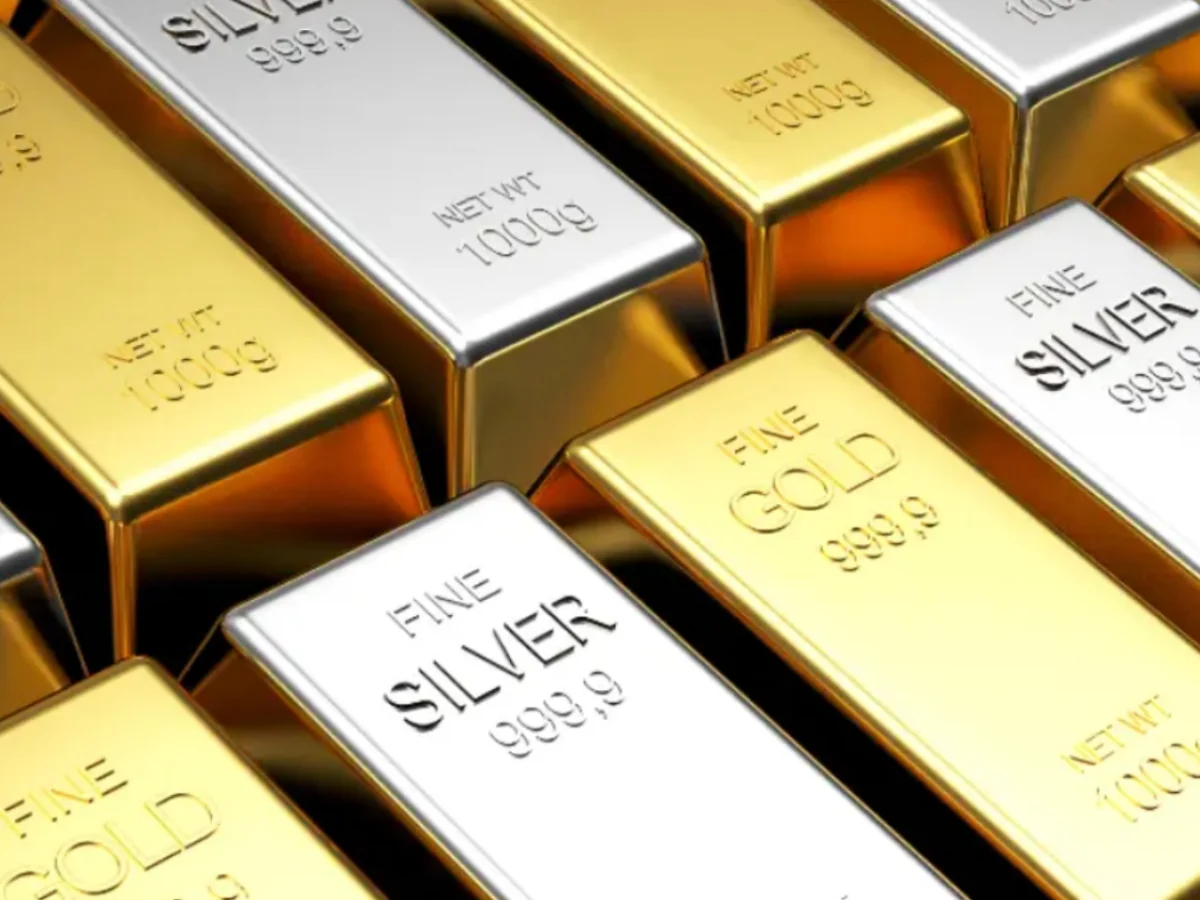
Mumbai, India – August 3, 2026 – India’s vibrant precious metals market continues its intricate dance with global economic forces, local consumer sentiment, and the ever-shifting sands of currency exchange rates. As of August 3, 2026, gold and silver prices reflect a nuanced interplay of these factors, with a slight upward trend noted in gold driven by persistent inflationary pressures and sustained global demand. This daily snapshot provides an essential guide for investors, consumers, and industry stakeholders tracking the pulse of these vital commodities.
Main Facts: India’s Precious Metals at a Glance (August 3, 2026)
Today, the Indian bullion market presents a mixed picture of stability with a slight inflationary edge for gold, while silver maintains a robust position, buoyed by both investment and industrial demand. The fundamental drivers – global market trends, domestic demand, and currency valuations – remain the bedrock influencing these precious assets.
Gold Prices:
Nationally, 24-carat gold (999 purity) is priced at approximately ₹14,421 per gram, while 22-carat gold (91.67% purity), the preferred choice for jewellery, stands at ₹13,219 per gram. These figures represent a marginal increase, indicative of underlying global inflationary concerns and the enduring safe-haven appeal of gold. Regional variations are noticeable, influenced by local taxes and specific demand dynamics.
Silver Prices:
Silver, often referred to as "poor man’s gold" but equally critical for its industrial applications, is commanding approximately ₹2,34,900 per kilogram for 999 purity. Sterling silver (925 purity) is valued at ₹2,34,000 per kilogram. Silver prices across major Indian cities show remarkable uniformity today, reflecting strong national and international market integration.
)
The market’s current state is a testament to the resilience of precious metals in a global economy grappling with post-pandemic recovery complexities, evolving geopolitical landscapes, and the constant balancing act of monetary policies worldwide. Indian consumers, deeply rooted in cultural traditions that revere gold and silver, continue to contribute significantly to these dynamics, especially as the nation approaches its festive season.
Chronology: A Trajectory Towards August 2026
The current pricing structure on August 3, 2026, is not an isolated event but rather the culmination of several key market developments and trends observed over the preceding months and even years. Understanding this chronology is crucial for appreciating the present scenario.

The Post-Pandemic Bull Run and Subsequent Consolidation (2020-2023):
The initial years following the global pandemic saw an unprecedented surge in precious metal prices. Gold, in particular, benefited immensely from its safe-haven status amidst economic uncertainty, unprecedented monetary easing by central banks globally, and fears of runaway inflation. Silver, too, rode this wave, bolstered by both investment demand and a nascent recovery in industrial activity. However, as global economies began to stabilize and central banks, notably the U.S. Federal Reserve, initiated aggressive interest rate hikes in 2022-2023 to combat inflation, precious metals experienced a period of consolidation. Higher interest rates increased the opportunity cost of holding non-yielding assets like gold and silver, leading to some price corrections.
Navigating Geopolitical Tensions and Inflationary Pressures (Late 2023 – Early 2025):
The period spanning late 2023 through early 2025 was characterized by a resurgence of geopolitical tensions in various parts of the world, alongside persistent, albeit moderating, inflationary pressures. These factors reignited investor interest in gold as a hedge against uncertainty. Central banks globally, including those in emerging economies, continued to accumulate gold reserves, signaling a strategic shift away from over-reliance on a single reserve currency. For India, a steady depreciation of the Rupee against the U.S. Dollar during parts of this period further amplified the cost of imported gold in local currency terms, contributing to higher domestic prices.
)
The Run-up to August 2026: Demand and Currency Dynamics:
In the immediate months leading up to August 2026, the global economic narrative has been dominated by cautious optimism about a soft landing for major economies, yet lingering concerns about inflation have kept central banks on alert. While some central banks have hinted at potential rate cuts in late 2026, the current environment still supports gold as an inflation hedge. Domestically, India’s robust economic growth has fueled consumer confidence, translating into consistent demand for gold and silver, particularly ahead of the major festival and wedding seasons that typically commence in the latter half of the year. The Indian Rupee, while showing periods of stability, has generally remained under pressure against the dollar, directly impacting the landed cost of precious metals. This consistent interplay of global and domestic factors has meticulously shaped the price points observed today.
Supporting Data: A Deep Dive into Market Mechanics
The current gold and silver prices across India are the outcome of a complex interplay of several factors, each contributing to the market’s daily fluctuations. A detailed examination of these drivers provides crucial context for understanding today’s rates.
)
Gold Prices on August 3, 2026 – City-Wise Breakdown:
The national average price for 24K gold stands at ₹14,421 per gram, and 22K gold at ₹13,219 per gram. However, slight variations are observed across major metropolitan areas:
- Gold prices in Delhi:
- 24K Gold: ₹14,436 per gram
- 22K Gold: ₹13,224 per gram
- Analysis: Delhi, a major consumption hub and political capital, often sees slightly higher prices due to robust demand and logistical considerations.
- Gold prices in Mumbai:
- 24K Gold: ₹14,421 per gram
- 22K Gold: ₹13,219 per gram
- Analysis: Mumbai, India’s financial capital and a key port for gold imports, often reflects the national average or international benchmarks closely, serving as a primary pricing reference point.
- Gold prices in Kolkata:
- 24K Gold: ₹14,421 per gram
- 22K Gold: ₹13,219 per gram
- Analysis: Similar to Mumbai, Kolkata’s prices align with the national average, showcasing the integrated nature of the Indian bullion market.
- Gold prices in Chennai:
- 24K Gold: ₹14,460 per gram
- 22K Gold: ₹13,255 per gram
- Analysis: Chennai, and indeed South India as a whole, exhibits some of the highest gold consumption rates in the country, especially for traditional jewellery. This consistently high demand, coupled with local market dynamics, can lead to marginally higher prices compared to other regions.
These city-wise differences, though often minor, underscore the localized impact of demand, supply chain efficiencies, and state-specific taxes.
)
Silver Prices on August 3, 2026 – City-Wise Breakdown:
The price of 999 purity silver is ₹2349 per 10 grams across all major cities, demonstrating a more uniform pricing structure today compared to gold.
- Silver price in Delhi today: ₹2349 per 10 grams (999 purity)
- Silver price in Mumbai today: ₹2349 per 10 grams (999 purity)
- Silver price in Kolkata today: ₹2349 per 10 grams (999 purity)
- Silver price in Chennai today: ₹2349 per 10 grams (999 purity)
- Analysis: The uniformity in silver prices across these major hubs suggests a highly efficient national distribution network and a market less prone to immediate localized demand-supply imbalances for smaller quantities, or perhaps that the industrial demand which often drives silver prices is more centrally determined.
Key Influencing Factors for Gold:
)
- Global Market Trends: The international spot price of gold, primarily dictated by trading on exchanges like COMEX and the London Bullion Market Association (LBMA), serves as the global benchmark. Factors such as U.S. economic data, global interest rate expectations, and the strength of the U.S. Dollar heavily influence these international prices. Today’s slight increase is linked to persistent inflationary concerns in major economies, reinforcing gold’s appeal as a hedge.
- Currency Exchange Rate (USD-INR): India imports almost all its gold. Therefore, the exchange rate between the U.S. Dollar and the Indian Rupee is a critical determinant. A weaker Rupee makes gold more expensive in India, even if international dollar prices remain stable. The Rupee’s performance has been a key variable over the past year, contributing to domestic price fluctuations.
- Inflationary Pressures: Gold is traditionally considered a hedge against inflation. When inflation rises, the purchasing power of fiat currencies erodes, making tangible assets like gold more attractive. The current global economic environment, marked by ongoing supply chain adjustments and fiscal stimuli, continues to fuel moderate inflationary pressures, supporting gold prices.
- Interest Rates: Higher interest rates generally increase the opportunity cost of holding non-yielding assets like gold, as investors can earn better returns from bonds or fixed deposits. Conversely, expectations of lower interest rates tend to boost gold prices. The market is currently balancing expectations of future rate cuts with the reality of current policy rates.
- Geopolitical Stability: Global conflicts, political instability, and economic crises often lead to a "flight to safety," with investors flocking to gold. While no major new conflicts have erupted recently, ongoing regional tensions contribute to a baseline level of safe-haven demand.
- Domestic Jewellery Demand: India is one of the world’s largest consumers of gold jewellery, driven by cultural significance, weddings, and festivals. The upcoming festive season (starting typically around September-October) often sees an uptick in demand, providing a floor to domestic prices.
- Government Policies: Import duties on gold and Goods and Services Tax (GST) significantly impact the final price for consumers. Changes in these policies can lead to immediate price adjustments.
Key Influencing Factors for Silver:
- Industrial Demand: Unlike gold, silver has significant industrial applications, used extensively in electronics, solar panels, electric vehicles, and medical technology. Global economic growth, particularly in manufacturing and technology sectors, directly impacts silver’s industrial demand and, consequently, its price. The increasing adoption of green technologies continues to be a major tailwind for silver.
- Investment Demand: Silver also serves as an investment vehicle, often viewed as a more volatile and affordable alternative to gold. It benefits from similar safe-haven characteristics during economic uncertainty but can also experience sharper swings due to its industrial ties.
- Gold-Silver Ratio: This ratio, which indicates how many ounces of silver are needed to buy one ounce of gold, is a key metric for investors. A fluctuating ratio can signal whether one metal is undervalued relative to the other, influencing investment decisions.
- Supply Dynamics: Silver supply is primarily a byproduct of mining other metals like copper, lead, and zinc. Fluctuations in the production of these base metals can therefore impact silver supply.
- Global Market Trends and Currency: Similar to gold, international silver prices are influenced by the U.S. Dollar’s strength and broader commodity market trends. The USD-INR exchange rate also plays a crucial role in determining domestic silver prices.
Data for these prices is widely sourced from reputable agencies such as Good Returns, the Indian Bullion and Jewellers Association (IBJA), and commodity exchanges like the Multi Commodity Exchange (MCX).
)
Official Responses: Expert Views and Industry Insights
The current state of the precious metals market elicits diverse perspectives from market analysts, industry experts, and consumer bodies. Their insights provide valuable context and forward-looking projections.
Market Analysts’ Outlook:
"The slight uptick in gold prices today, despite global economic headwinds, underscores its enduring appeal as an inflation hedge and a safe haven," remarks Dr. Ananya Sharma, Chief Economist at Zenith Financial Services. "While central banks are carefully navigating monetary policy, the underlying inflationary pressures from supply chain recalibrations and geopolitical risks keep gold buoyant. We foresee gold maintaining its strong position through the latter half of 2026, especially if global growth remains moderate and inflation proves stickier than anticipated."
)
Regarding silver, Mr. Rajesh Mehta, a Senior Commodities Analyst at Capital Dynamics, notes, "Silver’s dual nature as both a precious and an industrial metal makes its trajectory fascinating. The sustained demand from the solar energy sector and the burgeoning electric vehicle industry is providing a robust floor for silver prices. While more volatile than gold, its industrial utility offers a unique downside protection and upside potential. We expect silver to track gold’s general direction but with amplified movements, potentially outperforming if industrial demand accelerates further."
Jewellery Industry Perspectives:
The Indian jewellery industry, a significant consumer of both gold and silver, remains cautiously optimistic. Mr. Ashish Parekh, President of the All India Gem and Jewellery Domestic Council (GJC), stated, "As we approach the festive season, consumer sentiment is generally positive. While prices are on the higher side, gold and silver remain integral to Indian traditions. Consumers are adapting by purchasing lighter jewellery or exploring alternative designs. We anticipate a healthy demand period, especially for 22K gold jewellery, though price sensitivity will be a key factor."
)
He further added, "The uniform silver prices across cities are a good sign for retailers, as it simplifies pricing and allows for smoother inventory management. We are also seeing a renewed interest in silver ornaments in certain regional markets, driven by affordability and contemporary designs."
Government and Regulatory Context (Indirect Impact):
While direct official responses on daily price movements are rare, the Reserve Bank of India’s (RBI) monetary policy decisions significantly influence the market. The RBI’s stance on interest rates and its management of the Indian Rupee against the U.S. Dollar are critical. Any signals regarding future interest rate adjustments or interventions in the forex market can trigger immediate reactions in bullion prices. Furthermore, government policies on import duties and GST on precious metals are continuously monitored by the industry, as they directly impact the cost structure and consumer prices. No immediate changes to these policies were announced on August 3, 2026, suggesting a continuation of the existing framework.
)
Implications: Impact and Future Outlook
The current pricing trends for gold and silver on August 3, 2026, carry significant implications for various stakeholders, from individual consumers to the broader Indian economy, and offer insights into potential future trajectories.
For Consumers:
The sustained high prices of gold, especially 24K and 22K, mean that consumers planning purchases for weddings or festivals will need to budget accordingly. The slight increase reflects a global trend, but a strong Rupee could offer some relief, which is not currently the case. Many consumers may opt for lighter jewellery designs or consider buying silver as an alternative, particularly given its comparatively stable pricing across cities today. For those looking to invest, current prices suggest gold remains a valuable asset for wealth preservation, though entry points should be carefully considered based on individual risk appetites and investment horizons. The uniformity in silver prices makes it a more predictable purchase for both jewellery and investment purposes today.
)
For Investors:
Gold and silver continue to serve as crucial components for portfolio diversification. In an environment marked by persistent inflation, geopolitical uncertainties, and fluctuating equity markets, precious metals offer a hedge. Long-term investors may view current prices as a reasonable entry point, considering the historical appreciation of these assets. Short-term traders, however, will need to remain agile, responding to daily global economic data releases and currency movements. The industrial demand narrative for silver makes it an attractive proposition for those bullish on global technological advancement and green energy transitions.
For the Jewellery Industry:
Price volatility poses challenges for jewellers in terms of inventory management, hedging, and maintaining profit margins. While high prices can deter some discretionary buying, the cultural significance of gold ensures a baseline demand. The industry will likely focus on innovative designs, marketing campaigns emphasizing craftsmanship, and offering flexible purchase schemes to sustain sales. The stability in silver prices provides a more predictable environment for manufacturers and retailers of silver jewellery and artifacts, potentially driving growth in this segment.
)
Economic Implications:
India’s substantial gold imports contribute significantly to its import bill, impacting the nation’s current account deficit. High and rising gold prices can exacerbate this, placing pressure on the Rupee. Conversely, a strong domestic demand for precious metals reflects underlying economic health and consumer confidence. The continued growth in industrial demand for silver globally could also benefit India, particularly if the country expands its manufacturing capabilities in sectors like solar panels and electronics.
Future Trends and Outlook:
Looking ahead, several factors will likely shape the trajectory of gold and silver prices for the remainder of 2026 and into 2027:
)
- Global Monetary Policy: The pace and extent of interest rate adjustments by major central banks will be paramount. Any indication of aggressive rate cuts could significantly boost gold and silver.
- Inflation Trajectory: Whether global inflation cools down or remains stubbornly high will dictate the safe-haven demand for gold.
- U.S. Dollar Strength: The performance of the U.S. Dollar against major currencies, including the Indian Rupee, will directly influence the landed cost of imports in India.
- Geopolitical Landscape: Any escalation or de-escalation of existing conflicts or emergence of new geopolitical flashpoints will invariably impact safe-haven flows into precious metals.
- Industrial Growth: The sustained growth of technology sectors, particularly those reliant on silver (e.g., AI hardware, renewable energy infrastructure), will be critical for silver’s price appreciation.
- Indian Domestic Demand: The strength of the Indian economy and consumer spending patterns, especially during the peak festive and wedding seasons, will continue to provide a significant underpinning to local prices.
In conclusion, the gold and silver markets on August 3, 2026, reflect a resilient yet dynamic environment. While global forces set the overarching direction, India’s unique demand characteristics and currency dynamics add layers of complexity, making the precious metals market a fascinating and ever-evolving space for all stakeholders.
