

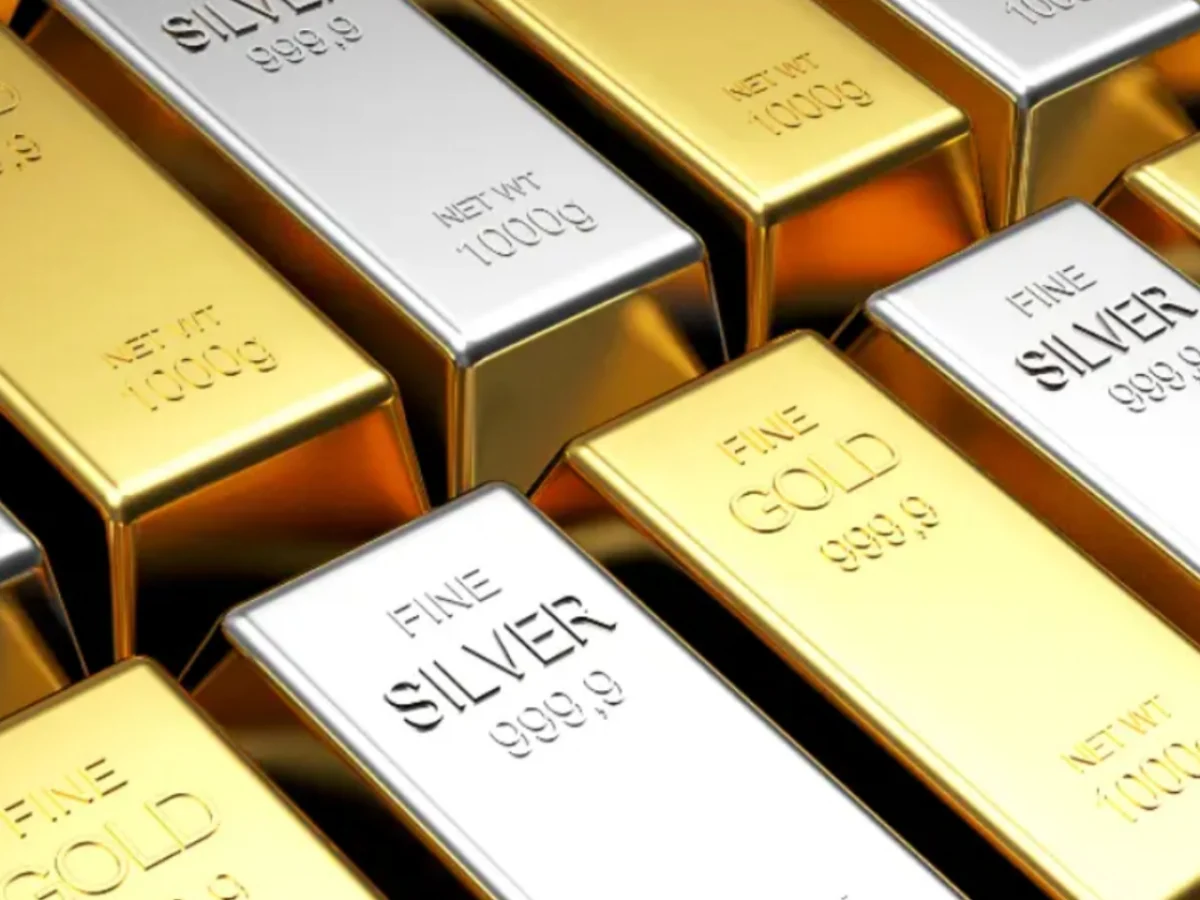
BUSINESS – As of August 11, 2026, the venerable markets for gold and silver in India continue their intricate dance, swayed by a complex interplay of global economic trends, robust domestic demand, and the ever-shifting sands of currency exchange rates. Today’s figures reveal a nuanced picture, with gold experiencing a marginal uptick, primarily driven by persistent inflationary pressures and a global flight to safety, while silver maintains its position as a dual-purpose metal, influenced by both investment and burgeoning industrial applications.
The precious metals sector in India, a cornerstone of its cultural heritage and economic fabric, remains a critical indicator of both consumer sentiment and broader financial health. The resilience of these markets, even amidst fluctuating international conditions, underscores their intrinsic value and deep-rooted significance to millions across the subcontinent.
Main Facts: A Snapshot of Today’s Precious Metal Valuations
On this day, August 11, 2026, the price of 24-carat gold, revered for its purity and known as 999 pure gold, stands at ₹15,196 per gram. Its slightly less pure counterpart, 22-carat gold, which contains 91.67% pure gold and is the preferred choice for exquisite jewellery, is priced at ₹13,929 per gram. This marginal increase in gold prices reflects a broader trend of investors seeking tangible assets in a period marked by global economic uncertainty and a perceived erosion of purchasing power.
Silver, often considered the ‘poor man’s gold’ but a powerhouse in its own right, has also seen its valuation settle. The benchmark price for 999 pure silver is approximately ₹2,44,900 per kilogram, while Silver 925, or sterling silver, commands a rate of ₹2,44,000 per kilogram. These figures, while seemingly stable, are the culmination of dynamic forces acting upon the market, from international commodity exchanges to the bustling local bazaars.
)
Chronology: A Historical Tapestry and Recent Volatility
India’s relationship with gold and silver is etched deep into its history, predating modern financial systems. For millennia, these metals have served not only as symbols of wealth and status but also as practical forms of savings, dowry, and collateral. This profound cultural and economic significance ensures that price movements in these commodities resonate across all strata of Indian society.
India’s Enduring Affinity for Precious Metals
From ancient Vedic texts extolling the virtues of ‘hiranya’ (gold) to the elaborate jewellery adorning deities and brides, gold has always held a sacred and economic place. Silver, too, with its more accessible price point, has played a crucial role in daily life, coinage, and traditional craftsmanship. This enduring demand, driven by religious festivals, weddings, and a cultural predilection for physical assets, forms the bedrock of India’s precious metals market. Understanding today’s prices requires acknowledging this deep-seated historical context, where gold and silver are more than mere commodities; they are heirlooms, investments, and cultural touchstones.

Navigating the Peaks and Troughs: Price Movements Leading to August 2026
The period leading up to August 11, 2026, has been characterized by a blend of cautious optimism and persistent global challenges. Following a phase of post-pandemic (hypothetically, referring to a global health crisis that might have occurred prior to 2026) economic recovery, the global economy has grappled with elevated inflation rates across major economies. Central banks, including the US Federal Reserve and the European Central Bank, have been navigating a delicate balance between curbing inflation and avoiding economic stagnation.
Geopolitical tensions, particularly in Eastern Europe and parts of Asia, have also contributed to market unease throughout late 2025 and early 2026. Such uncertainties historically bolster the appeal of safe-haven assets like gold. Furthermore, sustained demand from global central banks, which have been increasing their gold reserves as a hedge against currency volatility and geopolitical risks, has provided a consistent floor for international gold prices.
)
For silver, the narrative has been slightly different, with its price trajectory heavily influenced by both investment flows and the health of the industrial sector. The acceleration of green energy initiatives, particularly solar power, and advancements in 5G technology and electric vehicles, have fueled a steady increase in industrial demand for silver over the past year. This dual demand profile makes silver’s price movements particularly dynamic, reacting to both economic sentiment and technological progress.
Supporting Data: Unpacking the Multifaceted Price Drivers
The current prices of gold and silver in India are not isolated figures but rather the result of a confluence of intricate factors, ranging from macroeconomic forces to localized market dynamics. A deeper dive into these influences reveals the complexity inherent in forecasting and understanding precious metal valuations.
)
The Global Economic Barometer: International Gold Prices
The international price of gold, typically benchmarked against the London Bullion Market Association (LBMA) spot price or COMEX futures, forms the primary determinant for Indian prices. This global price is, in turn, influenced by:
- Interest Rate Expectations: The monetary policy stance of major central banks, particularly the US Federal Reserve, is crucial. Higher interest rates generally increase the opportunity cost of holding non-yielding assets like gold, potentially dampening demand. However, if inflation outpaces interest rate hikes, gold’s appeal as an inflation hedge can intensify.
- US Dollar Strength: Gold is priced in US dollars globally. A stronger dollar makes gold more expensive for holders of other currencies, potentially reducing demand, and vice-versa. The Dollar Index (DXY) remains a key metric for gold investors.
- Geopolitical Stability: Periods of global political instability, conflicts, or economic crises often lead investors to seek the perceived safety of gold, driving prices up. Events like the hypothetical ongoing regional conflicts or trade disputes (as might be relevant in 2026) significantly contribute to this safe-haven demand.
- Commodity Market Sentiment: Broader trends in the commodity supercycle, driven by global growth forecasts and supply-demand imbalances across various raw materials, also spill over into precious metals.
India’s Domestic Pulse: Demand Dynamics
While global factors set the baseline, India’s unique domestic market significantly shapes local prices.
)
- Cultural and Festive Demand: India’s calendar is dotted with festivals and wedding seasons. Festivals like Diwali, Akshaya Tritiya, Dhanteras, and the extensive wedding season see a significant surge in demand for gold jewellery and coins. This traditional buying, often viewed as auspicious, creates seasonal price pressures.
- Investment Demand: Gold is deeply ingrained as a traditional investment vehicle. Many households view it as a hedge against inflation and economic uncertainty, a readily liquid asset, and a store of generational wealth. Government initiatives like Sovereign Gold Bonds (SGBs) and various digital gold platforms have also diversified investment avenues, attracting a new generation of buyers.
- Rural vs. Urban Demand: A substantial portion of India’s gold demand originates from rural areas, where it often serves as the primary form of savings and financial security, especially after good monsoon seasons and strong agricultural yields. Urban demand tends to be more sophisticated, with a mix of jewellery, investment bars, and modern financial products.
The Currency Conundrum: INR-USD Exchange Rate
The exchange rate between the Indian Rupee (INR) and the US Dollar (USD) is another critical determinant. Since India imports a significant portion of its gold, a depreciation of the Rupee against the Dollar makes gold more expensive in local currency terms, even if the international dollar price remains stable. Conversely, a stronger Rupee can make imports cheaper. The Reserve Bank of India’s (RBI) interventions and broader macroeconomic policies play a crucial role in managing currency volatility.
Inflationary Headwinds: Gold as a Safe Haven
The current global economic environment, characterized by persistent inflation across major economies, has reinforced gold’s appeal as an inflation hedge. When the purchasing power of fiat currencies erodes, investors often flock to assets like gold, which historically retain their value or even appreciate during inflationary periods. The slight increase in gold prices today directly reflects this underlying sentiment of seeking refuge from rising costs of living.
)
Silver’s Dual Persona: Industrial Uptake and Investment Appeal
Silver’s price dynamics are more complex due to its dual role as both a precious metal and a critical industrial commodity.
- Industrial Demand: Silver is indispensable in numerous high-tech applications. Its exceptional electrical and thermal conductivity make it vital for electronics, solar panels (photovoltaics), 5G technology, electric vehicles (EVs), medical devices, and photography. Growth in these sectors directly translates to increased industrial demand for silver, pushing prices upwards.
- Investment and Jewellery Demand: Like gold, silver is also bought for investment (bars, coins) and jewellery, especially in regions where silver ornaments are more prevalent. Its lower price point makes it more accessible to a broader segment of the population for both savings and adornment.
Government Policies and Import Duties
Government policies, particularly regarding import duties on gold and silver, can significantly influence local prices. Any changes in these duties, aimed at managing the current account deficit or regulating demand, directly impact the landed cost of these metals in India. Similarly, regulations concerning hallmarking and the sale of precious metals contribute to market transparency and consumer confidence.
)
City-Wise Price Variations: A Microcosm of Market Forces
The slight variations in gold and silver prices across major Indian cities like Delhi, Mumbai, Chennai, and Kolkata are attributable to several factors:
- Logistics and Transportation Costs: Moving precious metals across the vast geography of India incurs costs, which can vary by region.
- Local Taxes and Levies: State-specific taxes and local levies can introduce marginal differences in the final consumer price.
- Regional Demand Patterns: Certain cities or regions might experience higher demand due to specific cultural events, a concentration of jewellery manufacturers, or different investment preferences, leading to localized price adjustments.
Gold Prices on August 11, 2026 (per gram):
)
| City | 24K Gold (₹) | 22K Gold (₹) |
|---|---|---|
| Mumbai | 15,196 | 13,929 |
| Kolkata | 15,196 | 13,929 |
| Delhi | 15,211 | 13,944 |
| Chennai | 15,217 | 13,949 |
Silver Prices on August 11, 2026 (per 10 grams):
| City | Silver 999 (₹) |
|---|---|
| Delhi | 2,449 |
| Mumbai | 2,449 |
| Kolkata | 2,449 |
| Chennai | 2,499 |
(Source: Good Returns, August 11, 2026)
)
Official Responses and Expert Outlook
The current stability, coupled with a slight upward trend in gold, has elicited varied responses from market analysts and industry stakeholders, who are closely monitoring both global cues and domestic consumption patterns.
Voices from the Industry: Analysts and Jewelers Weigh In
"The marginal uptick in gold prices today is largely a reflection of persistent global inflation concerns and the ongoing flight to quality," states Mr. Alok Sharma, a Senior Commodity Analyst at Capital Markets India. "Investors are increasingly seeking the stability of precious metals amidst continued volatility in equity markets and uncertainty surrounding global growth trajectories. We’re seeing a steady accumulation by institutional players and central banks, which provides a strong underlying support for gold."
)
Echoing this sentiment, Mr. Rajesh Mehta, President of the All India Gem and Jewellery Domestic Council (GJC), observes, "Despite the current price levels, we anticipate robust demand for gold and silver as we approach the festive season later this year. Gold remains an indispensable part of Indian celebrations, particularly weddings and major festivals. Consumers may be price-sensitive, but the cultural imperative to buy gold is deeply ingrained, often leading to purchases even at higher rates, albeit sometimes in smaller quantities."
On silver, Ms. Priya Singh, a metals specialist at Quantum Research, notes, "Silver’s performance is uniquely tied to both economic sentiment and industrial output. The accelerating global push towards renewable energy, particularly solar power, and advancements in 5G infrastructure are creating significant demand. While gold reacts primarily to fear and inflation, silver benefits from genuine industrial growth, giving it a distinct bullish driver beyond its precious metal status."
)
Navigating the Future: Forecasts and Projections
Analysts generally project that gold prices will remain elevated in the short to medium term, primarily due to continued inflationary pressures, potential geopolitical flare-ups, and sustained central bank buying. The trajectory of interest rate hikes by the US Federal Reserve will be a key factor to watch; any pause or pivot could send gold prices higher.
For silver, the outlook is cautiously optimistic. While it often mirrors gold’s movements, its industrial demand component provides an additional layer of support. Experts suggest that a global economic recovery, coupled with increased investment in green technologies, could see silver outperform gold in certain periods. However, a significant global economic slowdown could dampen industrial demand, making silver more volatile.
)
Advice for Investors and Consumers
For investors, experts advise maintaining a diversified portfolio, with precious metals serving as a hedge against market volatility and inflation. Dollar-cost averaging (investing a fixed amount regularly) can help mitigate risks associated with price fluctuations. Consumers planning purchases for festive seasons or weddings are advised to monitor market trends closely, consider booking prices in advance if offered by jewelers, and always prioritize hallmarked jewellery for purity assurance.
Implications: Ripple Effects Across the Indian Landscape
The prices of gold and silver are not merely numbers; they carry profound implications that ripple through various facets of the Indian economy and society.
)
Impact on the Common Consumer and Festive Spending
For millions of Indian households, gold and silver purchases represent significant financial decisions. Higher prices mean that families planning weddings or festive celebrations may need to adjust their budgets, potentially opting for lighter jewellery or postponing purchases. This can affect the emotional and cultural significance associated with these events, which traditionally involve substantial precious metal gifts. Conversely, for those who already own gold, rising prices can represent an appreciation of their household savings.
Implications for Investors: Portfolio Diversification
For investors, both retail and institutional, gold and silver continue to serve as crucial instruments for portfolio diversification. In times of economic uncertainty, they provide a safe haven, offering stability when other asset classes like equities might be under pressure. The ongoing appeal of Sovereign Gold Bonds (SGBs) and gold ETFs highlights a growing sophistication in how Indians invest in precious metals, moving beyond purely physical forms.
)
The Jewellery Sector’s Dynamics
The jewellery sector, a significant employer and contributor to India’s GDP, is directly impacted by price movements. Higher prices can lead to reduced sales volumes, affecting manufacturers, wholesalers, and local artisans. Jewelers must carefully manage their inventory, hedge against price risks, and innovate with designs that cater to evolving consumer preferences and budgets. The current price levels necessitate agile business strategies, focusing on value and craftsmanship.
Macroeconomic Ramifications: Trade Balance and Forex Reserves
India is one of the largest importers of gold globally. Fluctuations in gold prices, combined with domestic demand, have a direct bearing on the country’s import bill and, consequently, its current account deficit. A surge in gold imports, especially at higher international prices, can put pressure on India’s foreign exchange reserves. The government closely monitors these trends and occasionally adjusts import duties to manage the trade balance.
)
The Road Ahead: Long-Term Trends and Emerging Opportunities
Looking beyond 2026, the long-term outlook for precious metals in India remains robust, albeit with evolving dynamics. The younger generation’s interest in digital gold and other financial instruments may grow, but the cultural significance of physical gold is unlikely to diminish entirely. As India’s economy continues to grow and household incomes rise, the inherent demand for gold and silver as forms of savings and adornment will likely persist. Furthermore, global trends in inflation, interest rates, and geopolitical stability will continue to dictate international prices, which will invariably transmit to the Indian market. New technologies and industrial applications could further boost silver’s appeal, cementing its dual role in the future economy.
In conclusion, the prices of gold and silver on August 11, 2026, are a testament to the intricate interplay of global forces and deeply rooted domestic factors. While external economic conditions provide the broader context, it is India’s enduring cultural affinity, robust consumer demand, and evolving investment landscape that truly shape the destiny of these precious metals within the nation’s borders. The market remains a fascinating blend of tradition and modernity, constantly adapting to new realities while preserving its timeless allure.
