

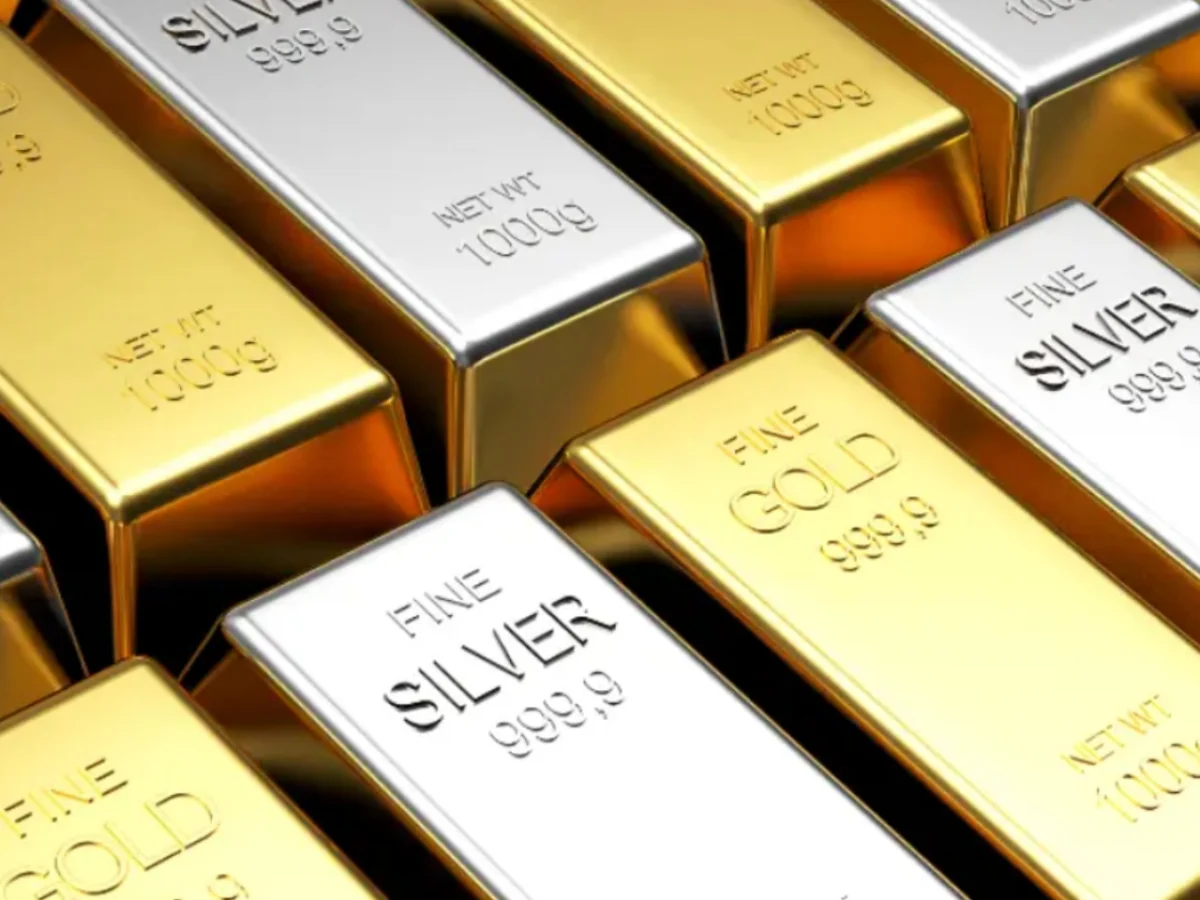
Mumbai, India – June 5, 2026 – India’s vibrant precious metals market continues its dynamic trajectory, with gold and silver prices registering a slight upward tick today, June 5, 2026. The surge reflects a complex interplay of international market sentiment, persistent inflationary pressures, and robust domestic demand, particularly as the nation anticipates key cultural festivities. Investors and consumers alike are closely monitoring these movements, as the metals cement their role as both critical investment avenues and cherished cultural assets.
The global economic landscape, characterized by ongoing geopolitical shifts and fluctuating central bank policies, provides a potent backdrop for the precious metals’ performance. For India, a nation with an insatiable appetite for gold and silver, these international tremors resonate deeply, translating into tangible shifts at the local level. The US Dollar exchange rate, a perennial influencer, also plays a significant role, making imported gold and silver more or less expensive depending on its strength against the Indian Rupee. Today’s figures underscore a market poised between global uncertainties and resilient local buying power.
Main Facts: A Snapshot of Today’s Precious Metals Market
As of June 5, 2026, the Indian bullion market exhibits a nuanced picture, with both gold and silver prices demonstrating a marginal increase, indicative of a firming trend influenced by a confluence of global and domestic factors.
The benchmark 24-carat gold, often referred to as 999 pure gold, is priced at an average of Rs 15,610 per gram across major Indian cities. For the widely popular 22-carat gold, favored for intricate jewellery designs due to its durability (containing 91.67% pure gold), the average rate stands at Rs 14,309 per gram. This upward adjustment in gold prices is primarily attributed to a strengthening global demand for safe-haven assets amidst economic uncertainties and continued concerns over inflationary trends worldwide. Domestically, the underlying demand for gold as an investment and for upcoming festive seasons further bolsters these prices.
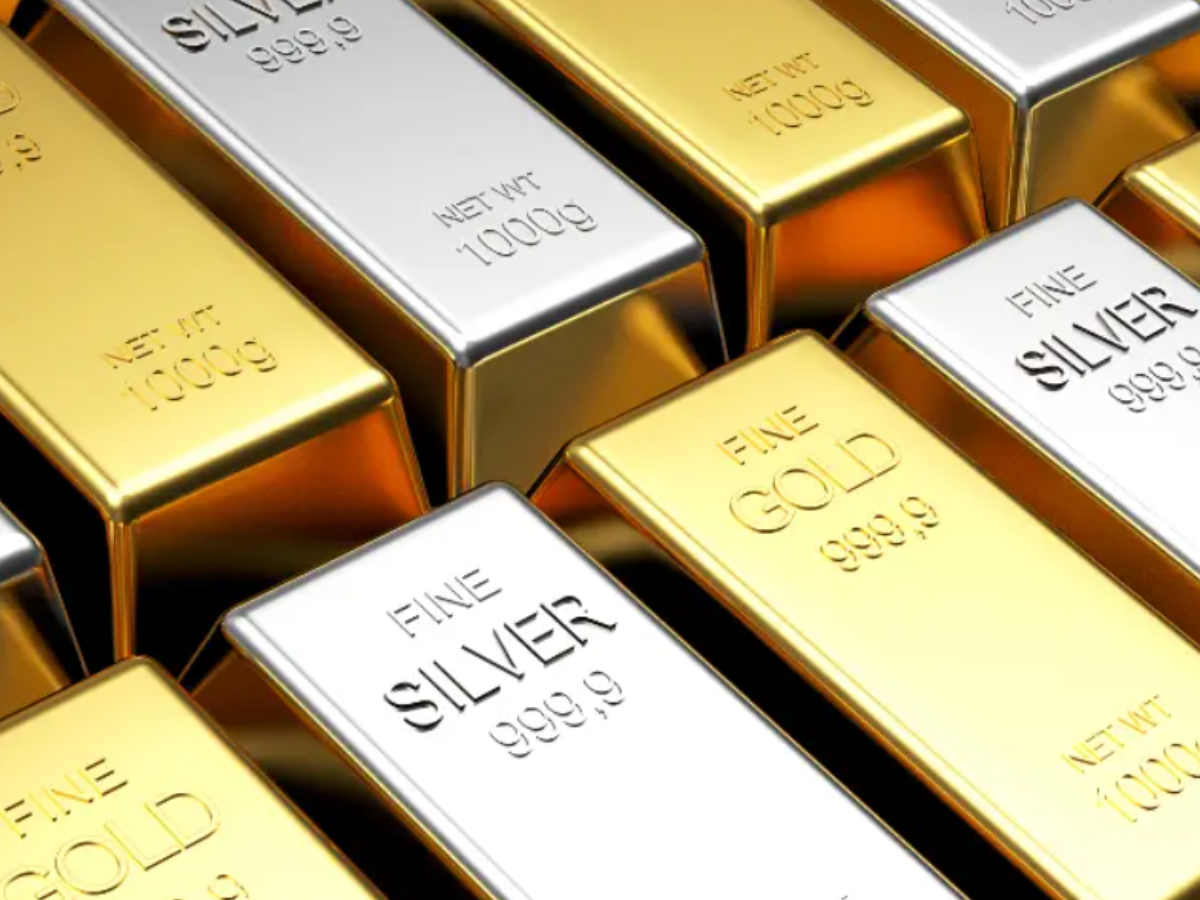
Parallel to gold, silver prices have also experienced an uptick, reinforcing its appeal as both an industrial commodity and an investment metal. Pure silver (999 purity) is trading at approximately Rs 2,79,900 per kilogram across the country, while Silver 925 (sterling silver) is quoted at Rs 2,74,000 per kilogram. The rise in silver prices is largely driven by its growing industrial applications, particularly in burgeoning green technologies such as solar panels and electric vehicles, coupled with its traditional role as a more accessible investment alternative to gold. Global market dynamics and supply-chain considerations continue to exert a substantial influence on silver’s valuation.
The current market sentiment suggests that while immediate price movements are modest, the underlying drivers point towards sustained strength for both metals. Investors are navigating a complex environment where traditional hedges against inflation and economic instability remain highly sought after, while consumers are balancing cultural traditions with evolving economic realities.
)
Chronology: Tracing the Path to Today’s Valuations
The current prices of gold and silver on June 5, 2026, are not isolated figures but rather the culmination of a dynamic week of trading, influenced by a series of global and domestic developments. The precious metals market has seen considerable volatility in recent months, largely driven by shifting macroeconomic indicators and geopolitical undercurrents.
Earlier in the week, particularly around June 3, 2026, the market had witnessed a slight consolidation phase. Gold prices had shown minor fluctuations, primarily responding to the release of global inflation data that, while indicating some moderation, still kept central banks on alert. Silver, in turn, had seen its industrial demand tempered by reports of potential slowdowns in certain manufacturing sectors, leading to a brief dip in its upward momentum.
However, the sentiment began to shift mid-week. Reports emerged of renewed buying interest from key central banks globally, seeking to diversify their reserves away from traditional fiat currencies amidst persistent concerns over sovereign debt and currency stability. This institutional buying provided a strong floor for gold prices, preventing any significant downward corrections. Simultaneously, escalating tensions in a crucial global shipping lane, though minor, rekindled safe-haven demand, reminding investors of gold’s traditional role during times of uncertainty.

Domestically, the weakening of the Indian Rupee against the US Dollar in the preceding 48 hours played a pivotal role. As the Rupee depreciated, the cost of importing gold and silver, which are primarily dollar-denominated commodities, naturally increased in INR terms. This currency effect directly translated into higher local prices, even if international dollar-denominated prices remained relatively stable. This factor, combined with early signs of pre-festive season buying emerging from key retail hubs in southern and western India, provided additional impetus.
By the morning of June 5, the cumulative effect of these factors – renewed global safe-haven demand, persistent inflation concerns, strategic central bank purchases, a weaker Rupee, and nascent domestic retail interest – pushed prices slightly upwards. This trajectory indicates a market that, after a period of consolidation, is once again finding bullish momentum, albeit cautiously, as participants weigh a delicate balance of risks and opportunities in the global economy. The current rates thus reflect a market reacting to immediate pressures while factoring in broader, longer-term trends.
Supporting Data: Deep Dive into Market Drivers and City-Wise Rates
The price of gold and silver in India is a complex equation, factoring in everything from global economic policies to local cultural nuances. Understanding the specific data points and the forces behind them is crucial for both investors and consumers.
)
Detailed City-Wise Price Breakdown
Here is a precise breakdown of gold and silver prices across India’s major metropolitan areas as of June 5, 2026, highlighting the regional variations influenced by local demand, transportation costs, and specific market dynamics:
Gold Prices on June 5, 2026:
-
All India Average (Approximate):
)
- 24K Gold (999 Pure): Rs 15,610 per gram
- 22K Gold (91.67% Pure): Rs 14,309 per gram
-
Gold Prices in Delhi:
- 24K Gold: Rs 15,625 per gram
- 22K Gold: Rs 14,324 per gram
- Commentary: Delhi, as a major consumption and trading hub, often reflects a slight premium due to robust local demand and its role as a distribution center for Northern India.
-
Gold Prices in Mumbai:
- 24K Gold: Rs 15,610 per gram
- 22K Gold: Rs 14,309 per gram
- Commentary: Mumbai, home to the Multi Commodity Exchange (MCX) and a significant port, typically mirrors the national average closely, acting as a benchmark for the broader Indian market.
-
Gold Prices in Kolkata:
)
- 24K Gold: Rs 15,610 per gram
- 22K Gold: Rs 14,309 per gram
- Commentary: Kolkata’s prices often align with Mumbai’s, influenced by a blend of East Indian traditional demand and national market trends.
-
Gold Prices in Chennai:
- 24K Gold: Rs 16,796 per gram
- 22K Gold: Rs 14,479 per gram
- Commentary: Chennai consistently shows higher gold prices compared to other metros. This premium is often attributed to the strong cultural affinity for gold in South India, particularly for jewellery, and higher local taxes or specific regional market dynamics. The significant difference in 24K prices suggests a robust and inelastic demand.
Silver Prices on June 5, 2026:
-
All India Average (Approximate):
)
- Silver 999 (Pure Silver): Rs 2,79,900 per kilogram (or Rs 279.90 per gram)
- Silver 925 (Sterling Silver): Rs 2,74,000 per kilogram (or Rs 274.00 per gram)
-
Silver Prices in Delhi:
- Silver 999: Rs 2799 per 10 grams (equivalent to Rs 279,900 per kg)
- Commentary: Delhi’s silver market is influenced by both industrial demand and a significant retail jewellery segment.
-
Silver Prices in Mumbai:
- Silver 999: Rs 2799 per 10 grams (equivalent to Rs 279,900 per kg)
- Commentary: Mumbai serves as a central trading point for silver, reflecting national averages with high liquidity.
-
Silver Prices in Kolkata:
)
- Silver 999: Rs 2799 per 10 grams (equivalent to Rs 279,900 per kg)
- Commentary: Kolkata’s silver market, like its gold market, aligns closely with national trends, catering to both traditional and modern demands.
-
Silver Prices in Chennai:
- Silver 999: Rs 2849 per 10 grams (equivalent to Rs 284,900 per kg)
- Commentary: Similar to gold, Chennai exhibits a higher premium for silver, driven by strong regional demand for silver ornaments and industrial use.
Factors Influencing Gold Prices
Gold’s price is a multifaceted calculation, sensitive to a broad spectrum of global and domestic indicators:
- Global Market Trends and Safe-Haven Demand: International gold prices, often benchmarked against COMEX futures, are profoundly affected by global economic stability, geopolitical tensions, and the overall risk appetite of investors. In times of uncertainty (e.g., conflicts, pandemics, financial crises), gold traditionally acts as a "safe-haven" asset, attracting capital flight from riskier investments like equities, thus pushing its price higher. Central bank gold purchases, particularly from emerging economies diversifying away from the US Dollar, also contribute significantly to global demand.
- US Dollar Exchange Rate (INR-USD Dynamics): Since gold is universally priced in US Dollars, a stronger dollar generally makes gold more expensive for holders of other currencies, potentially dampening demand. Conversely, a weaker dollar makes gold cheaper, often stimulating buying. The current strength or weakness of the Indian Rupee against the USD directly impacts the landed cost of imported gold in India, translating into domestic price changes.
- Inflationary Pressures: Gold is widely considered a hedge against inflation. When inflation rises, the purchasing power of fiat currencies erodes, making tangible assets like gold more attractive as a store of value. The persistent inflationary environment globally, even with central bank interventions, continues to underscore gold’s appeal in 2026.
- Interest Rate Expectations: Higher interest rates generally make non-yielding assets like gold less attractive compared to interest-bearing instruments. However, if interest rate hikes are seen as insufficient to curb inflation or if economic growth concerns override rate considerations, gold can still perform strongly.
- Local Demand and Cultural Significance: India is one of the world’s largest consumers of gold, driven by its deep cultural roots. Gold plays a pivotal role in weddings, festivals (like Diwali, Akshaya Tritiya), and as traditional family wealth. Investment demand, alongside jewellery demand, ensures a constant base level of domestic buying, often overriding global price dips.
- Government Policies and Import Duties: The Indian government’s policies, including import duties on gold and Goods and Services Tax (GST), directly influence domestic prices. Any changes in these levies can immediately alter the cost structure for importers and retailers, affecting consumer prices. Efforts to curb gold smuggling also play a role in regulating supply and demand dynamics.
Factors Influencing Silver Prices
Silver, often dubbed "poor man’s gold," shares some drivers with gold but also has unique industrial demand characteristics:
)
- Industrial Demand: A significant portion of silver’s demand comes from industrial applications. It is critical in electronics, solar panels (photovoltaics), medical instruments, and automotive components. The global push towards green energy and technological advancements means industrial demand for silver is projected to grow substantially, making it highly sensitive to economic growth and manufacturing output.
- Investment Demand: Like gold, silver serves as an investment vehicle and a hedge against economic uncertainty. It is bought in physical form (bars, coins) and through exchange-traded funds (ETFs). Its higher volatility compared to gold often attracts speculative investors.
- Global Supply and Mining Output: Silver supply is primarily a byproduct of mining other metals like copper, lead, and zinc. Fluctuations in the output of these base metals can therefore impact silver availability and price. Recycling also contributes to the overall supply.
- Gold-Silver Ratio: This ratio indicates how many ounces of silver are needed to buy one ounce of gold. A high ratio suggests silver is undervalued relative to gold, and vice-versa. Investors often use this ratio to gauge potential movements and make strategic investment decisions.
- Currency Fluctuations: Similar to gold, silver’s international price is US Dollar-denominated, making it susceptible to currency exchange rate movements.
Official Responses: Industry Voices and Expert Outlook
The current stability, albeit with a slight upward bias, in gold and silver prices has elicited various reactions and projections from key stakeholders across the Indian financial and bullion sectors.
Mr. Ramesh Solanki, President of the All India Gem and Jewellery Domestic Council (GJC), commented on the evolving market dynamics. "We are observing a steady and consistent demand for gold across the country," Solanki stated in a press briefing. "While global economic indicators remain complex, the inherent cultural value of gold in India ensures a resilient base demand. The upcoming festive season, though still some months away, is already seeing early buying trends, particularly for smaller jewellery items and investment-grade gold coins. We anticipate this trend to continue, potentially pushing prices further if global inflationary pressures persist and the rupee remains volatile against the dollar." Solanki also emphasized the industry’s focus on transparency and ethical sourcing, reassuring consumers about the purity and authenticity of their purchases.
Dr. Priya Sharma, a Senior Economist at a leading private sector bank in Mumbai, offered a macroeconomic perspective. "The slight rise in gold and silver prices today is a reflection of several intertwined global and domestic factors," Dr. Sharma explained. "Globally, we’re seeing central banks maintain a cautious stance on interest rates, with inflation remaining sticky in several major economies. This environment naturally favors safe-haven assets. Domestically, while the Reserve Bank of India (RBI) has been adept at managing inflation, the external sector’s pressures, particularly the US Dollar’s strength, have put some depreciation pressure on the Rupee, making imports costlier. This pass-through effect is visible in local bullion prices." She cautioned that any significant shift in global monetary policy or an unexpected de-escalation of geopolitical tensions could introduce volatility.
)
From the government’s side, while no direct statement on daily prices was issued, a spokesperson from the Ministry of Finance reiterated the government’s commitment to stabilizing the economy and ensuring fair market practices. "The government continues to monitor global commodity markets closely," the spokesperson stated. "Our policies aim to balance consumer interests with the broader economic stability, including measures to manage import costs and prevent illicit trade. We encourage regulated and transparent transactions in the bullion market."
Mr. Anil Gupta, a veteran bullion dealer in Zaveri Bazaar, Mumbai, provided a ground-level view. "Demand for both gold and silver has been consistent," Gupta observed. "Gold continues to be the preferred choice for family events and traditional investments. Silver, however, is increasingly popular among younger investors and for modern jewellery designs. The industrial demand for silver, particularly for solar projects, is also very strong, providing a consistent floor for its price." He noted that while consumers are price-sensitive, the long-term appreciation trend of precious metals continues to drive investment.
These diverse perspectives collectively paint a picture of a market that is fundamentally strong, underpinned by cultural significance and investment appeal, yet highly susceptible to external economic and geopolitical forces.
)
Implications: Far-Reaching Effects for India’s Economy and Society
The current trends in gold and silver prices carry significant implications for various segments of Indian society and the broader economy, touching upon consumer behavior, investment strategies, and national economic health.
For Consumers: Navigating the Cost of Tradition and Value
The rising prices of gold directly impact Indian households, especially given the metal’s profound cultural significance. For millions, gold is an integral part of weddings, religious ceremonies, and gifting. Higher prices mean that families planning these events must either scale down their purchases, allocate a larger portion of their budget, or consider alternative materials. This can lead to increased stress on household finances, particularly for middle-income groups. However, for those who already possess gold, the appreciation in value can signify an increase in their household wealth, offering a sense of financial security. The shift towards buying lighter jewellery or opting for 22K gold over 24K gold for ornaments is a common adaptation. For silver, its relatively lower price point makes it an accessible alternative for jewellery and small investments, especially in rural areas where silver ornaments are more traditional.
For Investors: A Portfolio Anchor in Volatile Times
For investors, gold and silver continue to serve as crucial portfolio diversifiers and hedges against inflation and market volatility. In an environment marked by fluctuating equity markets and uncertain global economic growth, precious metals offer a tangible store of value. Investors are increasingly exploring various avenues beyond physical gold, such as Gold Exchange Traded Funds (ETFs), sovereign gold bonds (SGBs), and digital gold, which offer convenience, liquidity, and sometimes tax advantages. The slight upward trend signals continued confidence in these assets as long-term wealth preservers. Silver, with its dual role as an industrial metal and an investment asset, offers a different risk-reward profile, attracting investors looking for higher growth potential driven by technological advancements. The gold-silver ratio is a key metric investors will monitor to identify potential arbitrage opportunities or shifts in relative value.
)
For the Economy: Balancing Imports and Domestic Growth
India’s significant reliance on gold imports to meet domestic demand has direct implications for its current account deficit (CAD). Higher international gold prices, coupled with a depreciating Rupee, mean a larger outflow of foreign exchange, which can strain the CAD and put pressure on the Rupee. The government faces the delicate task of managing these imports without stifling consumer demand or encouraging illicit trade.
On the positive side, the robust jewellery manufacturing sector, which is heavily dependent on gold and silver, is a significant employer, particularly in the unorganized sector. Sustained demand helps support this industry, contributing to employment and GDP. However, excessively high prices could dampen demand, impacting artisans and businesses. The increasing industrial demand for silver, especially in high-tech manufacturing within India (e.g., solar panel production), could stimulate domestic industrial growth and potentially reduce reliance on imports of silver-containing components. Furthermore, precious metals represent a substantial portion of national savings, acting as a crucial informal financial safety net for many families.
Future Outlook: Navigating the Currents Ahead
Looking ahead, several factors will continue to shape the trajectory of gold and silver prices for the remainder of 2026. Global economic recovery, particularly in major economies like the US, China, and the EU, will influence industrial demand for silver and investor sentiment for gold. Central bank monetary policies, especially decisions regarding interest rates and quantitative easing/tightening, will remain critical. Any signs of easing inflation could temper gold’s safe-haven appeal, while persistent inflation would likely keep it elevated.
)
Geopolitical stability or instability will also play a significant role. Escalations of existing conflicts or the emergence of new flashpoints could trigger renewed safe-haven buying. Technological advancements, particularly in areas like renewable energy and AI, will continue to fuel industrial demand for silver, potentially making it a more volatile but rewarding investment. Domestically, the performance of the Indian Rupee against the US Dollar and the intensity of festive season demand will be paramount. Government policies regarding import duties and trade agreements will also bear watching.
In essence, India’s precious metals market on June 5, 2026, is a microcosm of global economic trends, filtered through the unique cultural and economic lens of the subcontinent. Its movements reflect a delicate balance between international forces and deeply ingrained local traditions, making it a perpetually fascinating and economically vital sector.
