

New Delhi, October 2026 – Honda Cars India Limited (HCIL) has released its comprehensive sales performance report for September 2026, revealing a complex landscape of monthly contractions set against a backdrop of resilient quarterly growth. As the Indian automotive industry enters the high-stakes festive season, Honda’s performance reflects a strategic transition period, characterized by the cooling of existing model cycles and the imminent arrival of refreshed product portfolios.
In September 2026, the Japanese automaker recorded total sales of 6,955 units, representing a 14.09% decline compared to the 8,096 units sold during the same month in 2025. This downturn was felt across both domestic and international fronts, as the company prepares to pivot its strategy toward updated internal combustion engine (ICE) models and its first major foray into the Indian electric vehicle (EV) space.
September 2026: A Deep Dive into the Monthly Contraction
The month of September proved to be a challenging period for Honda’s domestic operations. The company reported domestic sales of 4,465 units, a significant 15.80% drop from the 5,303 units recorded in September 2025. When compared to the preceding month of August 2026, where the company moved 5,385 units, the monthly decline was even more pronounced at 17.08%.
Industry analysts suggest that this "September Slump" may not be an indicator of waning brand interest, but rather a tactical adjustment. With the facelifted Honda Elevate scheduled for an October 6 launch, it is likely that the company moderated dispatches to dealerships to clear old inventory and prepare the pipeline for the updated model. Furthermore, the domestic market accounted for approximately 64% of Honda’s total volume for the month, highlighting the brand’s continued reliance on the Indian consumer base despite the current dip.
The export side of the business also faced headwinds. Honda exported 2,490 units in September 2026, marking a 10.85% decrease from the 2,793 units exported in September 2025. While exports contributed a healthy 36% to the total monthly volume, the dual contraction in both local and overseas shipments resulted in the overall 14.09% year-on-year (YoY) deficit.
Chronology of the Quarter: Domestic Resilience in Q3
While the September figures paint a picture of cooling demand, the broader perspective of the July–September 2026 quarter (Q3) tells a much more optimistic story. The quarterly data serves as a testament to Honda’s strong performance in the earlier months of the period, which provided enough cushion to absorb the September decline.
Throughout the third calendar quarter of 2026, Honda’s domestic sales reached 15,864 units. This represents a robust 20.15% growth over the 13,203 units sold during the same quarter in the previous year. This double-digit growth suggests that the Honda Elevate, City, and Amaze maintained strong pull in the market for the majority of the quarter.
However, the export trajectory for the quarter was less favorable. Overseas shipments for Q3 fell by 25.11%, dropping to 6,883 units compared to the higher volumes seen in 2025. This significant decline in exports acted as a drag on the overall quarterly performance. When combining domestic and export figures, Honda’s total quarterly sales stood at 22,747 units—a marginal but positive growth of 1.58% YoY.
This divergence between domestic success and export struggles highlights the volatility of global supply chains and shifting demand in Honda’s key export markets, such as South Africa, the Middle East, and neighboring Asian territories.
Supporting Data and Segment Analysis
To understand Honda’s current market position, one must look at the performance of its core pillars: the Elevate SUV, the City sedan, and the Amaze compact sedan.
The Elevate Factor
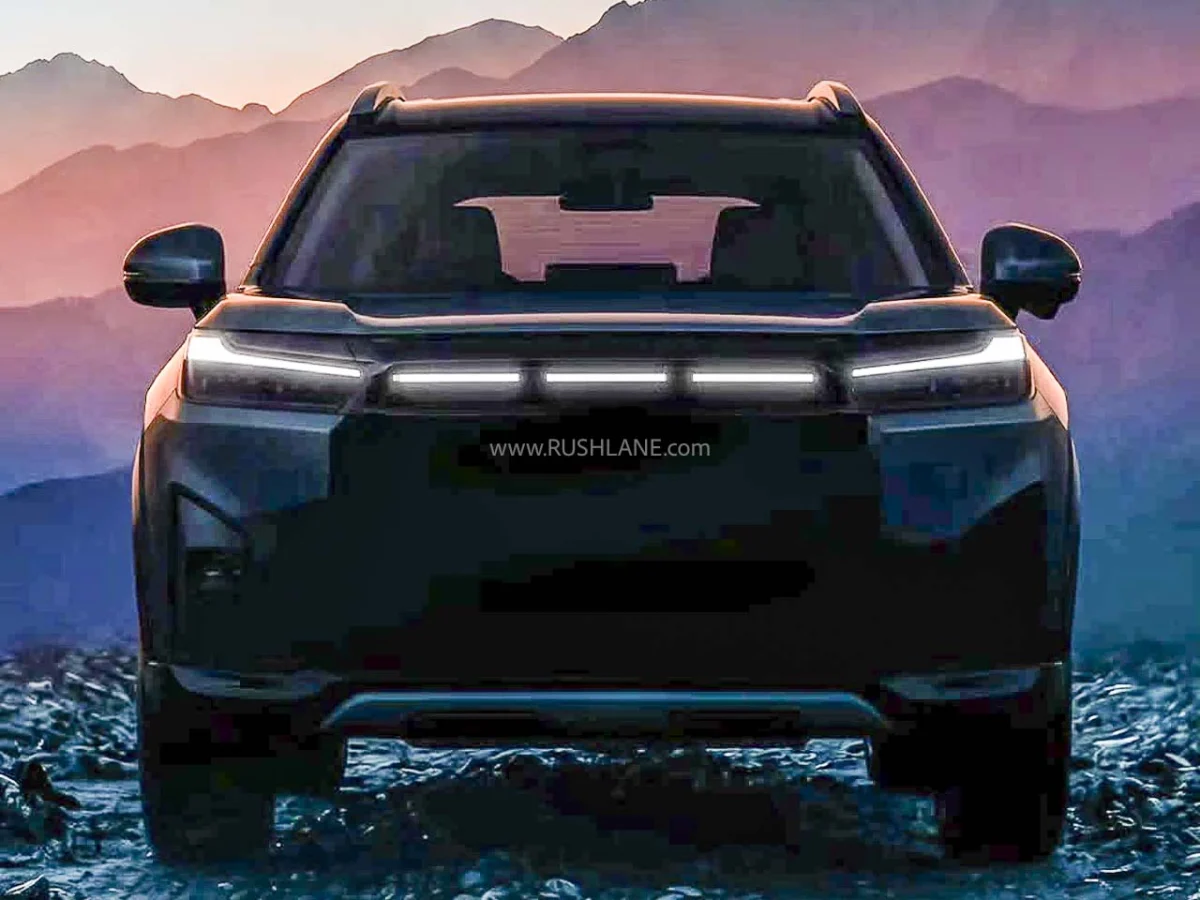
The Honda Elevate remains the primary driver of the brand’s domestic volume. Since its launch, it has allowed Honda to compete in the hyper-competitive mid-size SUV segment against stalwarts like the Hyundai Creta and Maruti Suzuki Grand Vitara. The dip in September is widely attributed to the anticipation of the "Elevate Facelift." Recent teasers have confirmed that the 2026 Elevate will feature revised exterior lighting signatures, a refreshed front grille, and a more premium interior layout. By holding back stock of the pre-facelift version, Honda is positioning itself for a massive "festive push" starting in October.

The Sedan Legacy
Despite the industry-wide shift toward SUVs, the Honda City and Honda Amaze continue to provide a stable foundation for the company. Kunal Behl, Vice President of Marketing & Sales at HCIL, noted that both models saw "positive sales momentum" in September. The City remains a benchmark for executive sedans in India, appealing to a loyalist base that values rear-seat comfort and the i-VTEC engine’s refinement. Meanwhile, the Amaze continues to be a volume-driver in the sub-4-meter segment, particularly for buyers looking for a "big car" feel at an accessible price point.
Comparative Market Share
While Honda’s total volume is lower than that of market leaders like Maruti Suzuki or Hyundai, its focus on premium positioning has allowed it to maintain healthy margins. The 20.15% domestic quarterly growth indicates that Honda is successfully capturing a larger slice of the premium aspirational buyer market, even as it navigates the transition to a more electrified future.
Official Response: Strategic Focus on Refreshment and Electrification
Commenting on the sales results and the road ahead, Kunal Behl, Vice President, Marketing & Sales, Honda Cars India, expressed confidence in the brand’s trajectory.
"We are encouraged by the sustained interest in our core models, the City and the Amaze, which continues to show positive momentum even in a competitive environment," Behl stated. "Our focus in September was heavily geared toward preparing for the launch of the new Elevate. This is not just a cosmetic update; it is a refreshed and enhanced SUV offering that incorporates direct feedback from our customers regarding premium features and connected technology."
Behl also hinted at the broader roadmap, emphasizing that the upcoming festive season is a critical window for the company. "With the new Elevate arriving just as the festive fervor peaks, we are optimistic about reclaiming momentum in the SUV space. Furthermore, our commitment to the ‘Make in India’ initiative remains steadfast, as we continue to balance our domestic growth with our role as a key export hub for Honda globally."
Implications and Future Outlook: The Road to 2027
The sales data from September 2026 serves as a crossroads for Honda Cars India. The company is currently managing three distinct strategic pillars: revitalizing its ICE portfolio, entering the EV market, and maintaining its reputation for reliability.
The Festive Season Catalyst
The launch of the Elevate Facelift on October 6 is the immediate priority. In the Indian market, the period between Dussehra and Diwali often accounts for 25-30% of an automaker’s annual sales. If the refreshed Elevate resonates with buyers—particularly through its upgraded cabin and ADAS (Advanced Driver Assistance Systems) features—Honda could see a record-breaking Q4 that compensates for the September dip.
The 0 Alpha EV: A New Frontier
Perhaps the most significant development for Honda is the impending launch of the "0 Alpha" electric SUV. Recently spied testing near Honda’s manufacturing facility in Tapukara, Rajasthan, the 0 Alpha represents Honda’s first major commitment to the Indian EV landscape. As competitors like Tata Motors and Mahindra & Mahindra expand their EV portfolios, Honda’s entry with a dedicated electric platform is crucial for its long-term viability in India. The 0 Alpha is expected to offer a localized battery solution, making it price-competitive in a market that is increasingly sensitive to the total cost of ownership.
Export Challenges
The 25% drop in quarterly exports is a point of concern that Honda will need to address. As global markets fluctuate, Honda may need to diversify its export destinations or introduce more region-specific variants of the Elevate and City to regain the ground lost in 2026.
Conclusion
Honda Cars India’s September 2026 performance is a classic example of "stepping back to leap forward." While the 14% decline in monthly sales and the struggle in exports present immediate challenges, the 20% domestic growth for the quarter suggests a brand that still holds significant equity with the Indian consumer.
With the Elevate Facelift poised to hit showrooms and the 0 Alpha EV on the horizon, Honda is transitioning from a traditional sedan-centric manufacturer to a modern, SUV-focused, and electrification-ready player. The coming months will determine if this strategic pivot can turn the marginal quarterly gains into sustained, long-term market leadership. For now, all eyes are on October 6, a date that could signal the beginning of a new chapter for Honda in India.
