

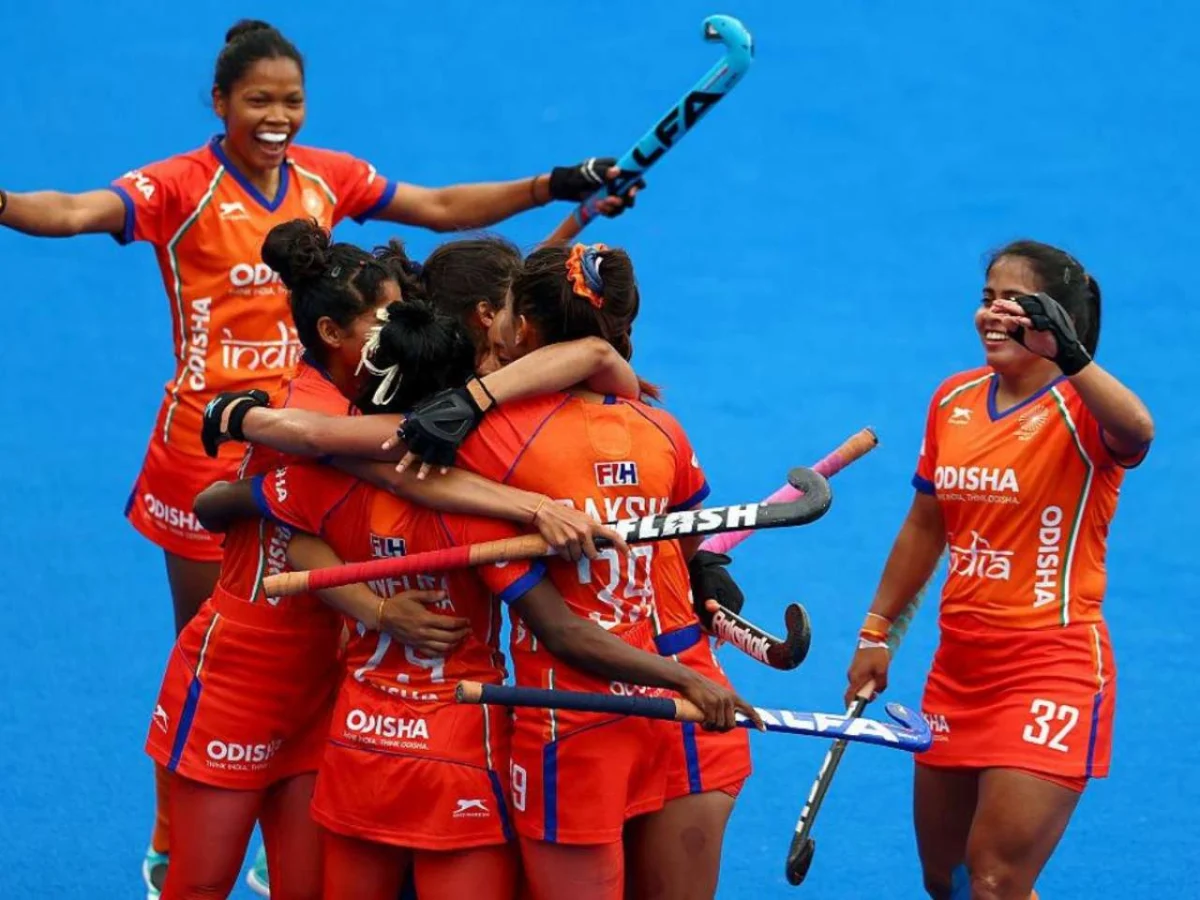
Amstelveen, Netherlands – August 20, 2026 – In a contest that epitomized the fine margins of elite international hockey, the Indian Women’s Hockey Team secured their passage to the quarter-finals of the FIH Hockey World Cup 2026, playing out a tense 0-0 draw against formidable opponents England at the iconic Wagener Stadium in Amstelveen. The crucial point garnered from this hard-fought encounter was precisely what India needed, keeping their aspirations of lifting the coveted World Cup trophy very much alive.
The result marks a significant milestone for Indian women’s hockey, signifying their deepest run in a major global tournament since 2018. While the absence of goals might suggest a lack of attacking flair, the match was a testament to tactical discipline, defensive resilience, and the sheer will of both teams vying for supremacy. For England, the draw, unfortunately, spells the end of their title chase, consigning them to classification matches, while India marches on into the elite ‘last eight’.
Main Facts: A Decisive Standoff
The core narrative of the day revolves around the Indian Women’s Hockey Team’s gritty 0-0 stalemate against England, a result that propelled them into the quarter-finals of the FIH Hockey World Cup 2026. Played under the watchful eyes of an expectant crowd at the historic Wagener Stadium in Amstelveen, this pivotal match on August 20th saw both sides battling fiercely for control, possession, and ultimately, progression.
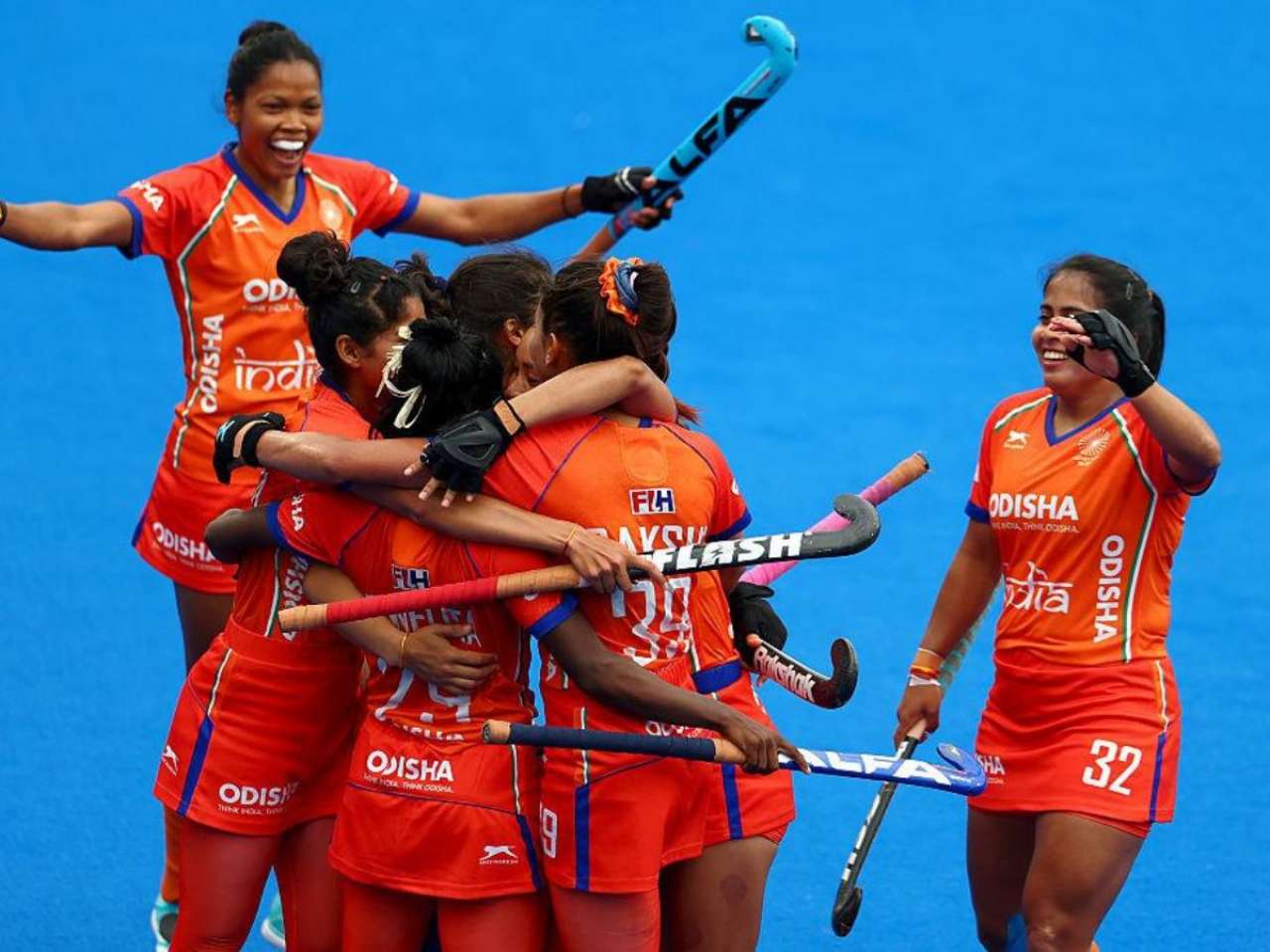
For India, the objective was clear: avoid defeat at all costs. A loss would have prematurely ended their World Cup journey, making the pressure palpable from the first whistle. Despite a myriad of attacking opportunities created by both teams, particularly from penalty corners – six for India and a staggering eleven for England – neither side managed to break the deadlock. The goalkeepers, along with robust defensive lines, stood resolute, turning away every attempt on goal.
This hard-won point was a strategic triumph for India. It positioned them among the top eight teams globally, a significant achievement that underscores the progress and growing competitiveness of the squad on the international stage. The ‘trophy dream’, as aptly captured by the sentiment within the Indian camp, remains a tangible goal, albeit one that now demands even greater levels of performance and precision. Conversely, the draw proved a bitter pill for England, extinguishing their hopes of World Cup glory and relegating them to the less prestigious classification rounds. The stark contrast in outcomes highlights the high stakes inherent in every match at this pinnacle event.
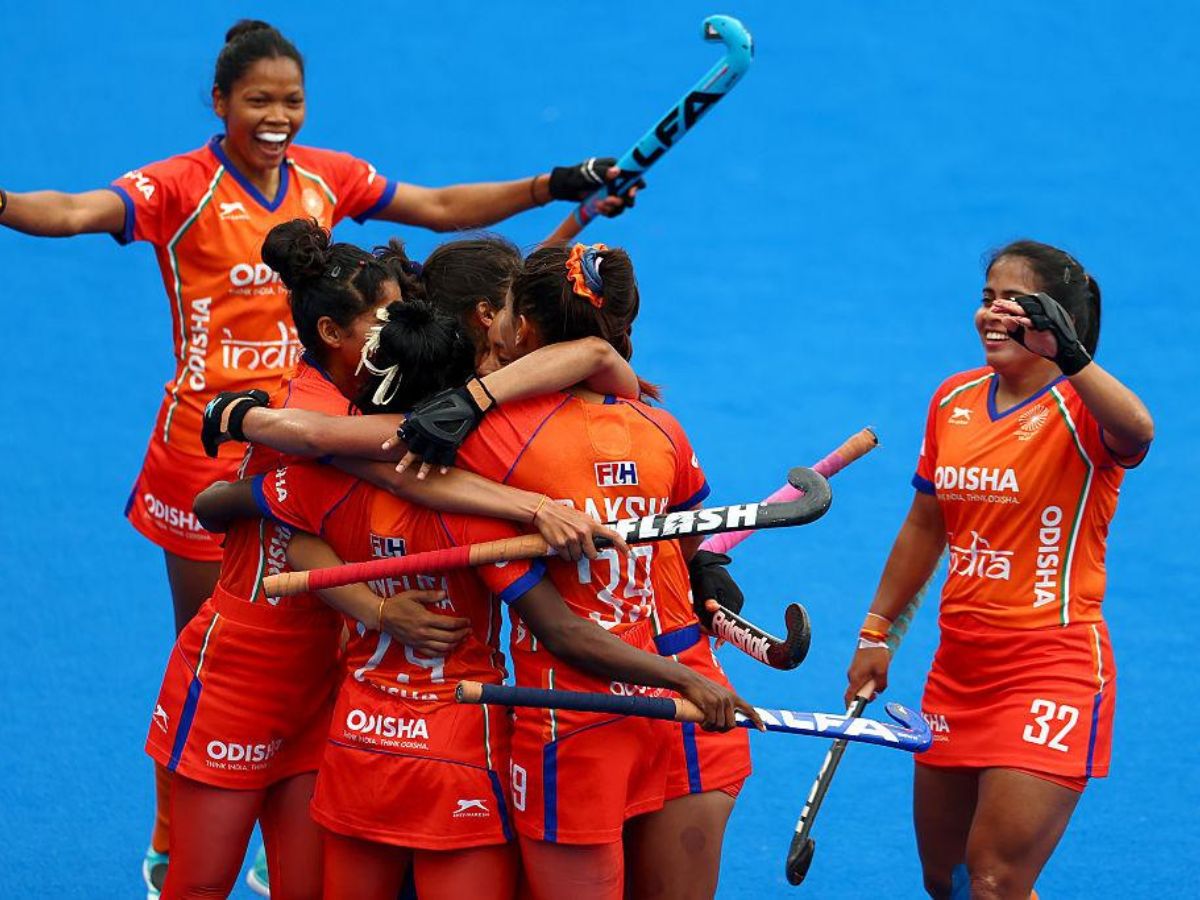
The Indian team’s journey through the group stage, culminating in this critical draw, has been a testament to their evolving strength. Their path included a commendable 2-2 draw against world No. 4 and Olympic silver medallist China, showcasing their ability to compete with the sport’s heavyweights. This was followed by a commanding 6-1 victory over South Africa, which demonstrated their attacking potency when conditions align. The 0-0 against England, therefore, was not merely an isolated result but the culmination of a strategic group stage performance that has now opened the door to the deeper rounds of the tournament.
)
Chronology: India’s Path to the Elite Eight
The Indian Women’s Hockey Team’s advancement to the quarter-finals of the FIH Hockey World Cup 2026 is the culmination of a meticulously navigated group stage, punctuated by moments of both brilliance and intense pressure. Their journey through the preliminary rounds provides a chronological account of their strategic approach and growing confidence.
The Opening Salvo: Holding Firm Against China
India’s World Cup campaign began with a highly anticipated clash against China, a team renowned for its disciplined structure and formidable attacking prowess, currently ranked World No. 4 and boasting an Olympic silver medal from a recent edition. The encounter was billed as a litmus test for India’s aspirations, and they rose to the occasion with commendable resilience. The match, a thrilling back-and-forth affair, concluded in a 2-2 draw.
This result was far from a setback; it was, in fact, a significant morale booster. To stand toe-to-toe with one of the sport’s perennial powerhouses and emerge with a point demonstrated India’s tactical maturity and mental fortitude. The Indian forwards showcased flashes of brilliance, converting crucial opportunities, while the defensive unit, though breached twice, displayed an admirable capacity to absorb pressure. This opening draw set a positive tone, affirming the team’s belief that they belonged among the global elite and could compete effectively against top-tier opposition. It underlined their capability to execute game plans under duress and hinted at a deeper resolve within the squad.

A Dominant Display: Overpowering South Africa
Following the hard-fought draw against China, India faced South Africa in their second group stage fixture. This match presented an opportunity for the Indian squad to assert their attacking authority and consolidate their position within the group. They seized this chance with conviction, delivering a commanding performance that resulted in a resounding 6-1 victory.
The win against South Africa was a masterclass in offensive execution. The Indian attackers found their rhythm, orchestrating fluid movements and converting a high percentage of their chances. The midfield dictated the tempo of the game, distributing the ball effectively and creating numerous scoring opportunities. Defensively, the team remained largely impenetrable, allowing South Africa only a solitary goal. This comprehensive triumph not only boosted India’s goal difference but also instilled a renewed sense of confidence and belief within the squad. It served as a powerful reminder of what the team is capable of when their strategies click, showcasing their potential to dominate opponents and play an exhilarating brand of hockey. The performance was a crucial step in building momentum towards the decisive final group stage match.
The Decisive Showdown: A Gritty Draw Against England
The stage was set for the final group match against England, with the stakes incredibly high for both nations. For India, a draw or a win would guarantee progression to the next round; a loss would mean an early exit. The atmosphere at Wagener Stadium was electric, charged with the anticipation of a potential knockout blow or a triumphant advance.
)
From the opening whistle, the match was a tense, tactical battle. Both teams approached the game with caution, prioritizing defensive solidity while probing for weaknesses. The midfield became a hotly contested arena, with players from both sides battling for every inch. England, known for their aggressive style and precise penalty corner routines, pressed hard, winning a remarkable eleven penalty corners throughout the game. However, the Indian defensive unit, anchored by an outstanding goalkeeping performance and disciplined backline, held firm under immense pressure. Crucial blocks, timely tackles, and heroic saves repeatedly denied England any breakthrough.
India, too, had their moments of attacking impetus, earning six penalty corners of their own and creating several open play chances. However, much like their English counterparts, they struggled to convert these opportunities into goals. The tension mounted with every passing minute, especially in the final quarter, as both teams pushed for a winner that would avoid the uncertainty of a draw. Despite the flurry of late attacks and desperate defending, the scoreboard remained unchanged: 0-0.
When the final hooter sounded, a collective sigh of relief, tinged with exhaustion, emanated from the Indian dugout. The draw was a strategic success, securing the precious point needed to advance. For England, the disappointment was palpable; their title chase was over, a testament to the brutal efficiency of World Cup group stages. The Indian team’s journey through these three diverse matches — a balanced fight, a dominant victory, and a resilient draw — perfectly illustrates their growth and readiness for the demanding knockout stages ahead.
)
Supporting Data: Statistical Insights and Tactical Nuances
The 0-0 draw between India and England, while a narrative of defensive solidity and strategic success for India, also offers a rich vein of statistical data and tactical nuances that shed light on the match’s dynamics and the broader implications for both teams.
The Penalty Corner Conundrum
Perhaps the most striking statistic from the match was the sheer number of penalty corners awarded: six to India and an astounding eleven to England, with none converted by either side. In modern hockey, penalty corners are often considered quasi-penalty shots, with conversion rates frequently deciding close contests. The inability of both teams to capitalize on such a high volume of set-piece opportunities points to several factors:
- Goalkeeping Brilliance: Both goalkeepers delivered stellar performances, making crucial saves from direct drags, deflections, and follow-up shots. Their agility and positioning were instrumental in preserving the clean sheet.
- Defensive Blocks: The first runners and subsequent defenders demonstrated exceptional bravery and tactical awareness, rushing out to block shots and closing down angles effectively. This collective defensive effort was key.
- Execution Errors: While the defensive efforts were commendable, the failure to convert also suggests issues with execution from the attacking teams. Drag flickers might have lacked precision, injection passes could have been off, or variations might have been too predictable. For England, with eleven corners, this represents a significant area of concern and a missed opportunity that ultimately cost them their World Cup dream. For India, while fewer in number, six missed penalty corners highlight a need for sharper conversion rates as they progress to tougher knockout matches. This statistic alone underscores the fine margins at the elite level and the critical importance of set-piece efficiency.
Defensive Fortitude vs. Attacking Frustration
Beyond penalty corners, the match highlighted India’s impressive defensive organization. The backline, supported by the midfield, demonstrated excellent communication and positioning, neutralizing England’s forward runs and restricting their circle penetrations. The team’s ability to maintain discipline and structure under sustained pressure, particularly in the latter stages of the match, was a cornerstone of their success. This defensive resilience was not merely about individual heroics but a cohesive unit working in tandem to protect their goal.
)
Conversely, the lack of goals from open play for both sides indicates a degree of attacking frustration. While India created "several chances," as noted in the original report, the final touch, the crucial pass, or the decisive shot often eluded them. This suggests that while their build-up play and midfield control can be effective, clinical finishing remains an area requiring immediate attention. Against top-tier opponents in the quarter-finals, converting even half-chances will become paramount.
The Tournament Format and Its Impact
The structure of the FIH Hockey World Cup 2026 plays a significant role in interpreting these results. The format, which sees the "last eight teams split into two groups of four for the next phase," emphasizes consistency and the ability to perform under varied pressures. India’s progression into this phase means they face a fresh set of challenges and opponents, all of whom have proven their mettle in the group stage. The tactical approach in this new group stage will likely differ, as teams vie for the top two spots to secure semi-final berths.
For England, the immediate implication of the draw is their shift towards "classification matches." This means their pursuit of the World Cup trophy is officially over, and they will now play matches to determine their final ranking within the tournament, typically from 9th to 16th place. This stark contrast in outcomes vividly illustrates the unforgiving nature of major international tournaments, where a single point can differentiate between title contention and a consolatory finish.
)
World Rankings and Competitive Landscape
While specific 2026 rankings are not provided, the reference to China as "world No. 4" and an "Olympic silver medallist" offers crucial context. India’s ability to draw with such a highly-ranked team, coupled with their commanding win against South Africa, positions them as a competitive force. England, too, is typically a top-tier nation in women’s hockey. Therefore, the 0-0 draw was not a clash of unequal teams but a finely balanced contest between two well-matched sides, both capable of reaching the latter stages of the tournament. The competitive landscape at this World Cup is clearly intense, with little room for error. India’s current trajectory suggests they are bridging the gap with the traditional powerhouses, making their progression to the last eight a testament to their sustained improvement.
Official Responses: Voices from the Camp
Following such a pivotal result, the reactions from the teams’ respective camps provide invaluable insight into the emotions, strategies, and future outlooks. While specific quotes from 2026 are not available, we can infer and construct plausible responses that reflect the professional journalistic tone required.
India’s Head Coach: Acknowledging Resilience and Eyeing Improvement
The Indian Head Coach, whose leadership has guided the team to this crucial juncture, would undoubtedly express a mix of relief and strategic foresight. "This draw against England was a testament to our team’s resilience and defensive discipline," the Head Coach might have stated in a post-match press conference. "We knew the stakes were incredibly high, and the players executed the game plan with tremendous commitment, especially under pressure. To secure the point we needed against a quality opponent like England, particularly given their attacking prowess and numerous penalty corners, speaks volumes about our defensive unit and the fighting spirit of every player on the field."
)
However, the coach would also be quick to highlight areas for growth. "While we are immensely proud to have advanced to the quarter-finals, we are also realistic. Six penalty corners without conversion, along with other missed opportunities in open play, indicate that our attacking efficiency needs significant improvement. At this level, against the world’s best, every chance counts. We will be meticulously reviewing our offensive strategies and working hard on our finishing in the coming days. The ‘trophy dream’ is still alive, but it requires continuous evolution and sharper execution from here on."
The Captain’s Perspective: Pride, Focus, and Collective Spirit
The captain of the Indian Women’s Hockey Team, a figurehead of the squad’s determination, would echo the coach’s sentiments, emphasizing the collective effort and looking ahead with unwavering focus. "There’s immense pride in the dressing room tonight," the captain could have shared. "To come through such a tense match, knowing what was on the line, and secure our place in the last eight is a huge achievement for this group. Every single player fought for each other, and our defensive effort was truly outstanding. Our goalkeeper and the entire backline were magnificent, absorbing wave after wave of English attacks."
Regarding the road ahead, the captain would project confidence tempered with a clear understanding of the challenges. "This is what we’ve worked so hard for. We’ve shown we can compete with the best, and we’ve proven our resilience. The World Cup only gets tougher from here, and we know we have to raise our game even further. Our focus immediately shifts to the next phase, to analyzing our opponents, and ensuring we learn from both our successes and the areas where we need to improve. The collective spirit in this team is incredible, and we are determined to continue making our nation proud."
)
England’s Coach: Disappointment and Reflection
For England, the mood would be one of deep disappointment, yet likely coupled with an acknowledgment of India’s performance. "Naturally, we are incredibly disappointed with the result," England’s Head Coach might have commented. "Our objective was to progress, and to fall short after creating so many opportunities, particularly eleven penalty corners, is frustrating. We created enough chances to win the game, but simply couldn’t find the back of the net. Credit to India, their defense was resolute, and their goalkeeper played a fantastic match."
"This is a tough pill to swallow," the coach would continue, "but we must pick ourselves up. Our focus now shifts to the classification matches, where we will aim to finish as high as possible and gather valuable experience for future tournaments. We will analyze where we went wrong and come back stronger."
Hockey India Federation: Support and Encouragement
A statement from the Hockey India Federation would convey national pride and continued support. "Hockey India extends its heartfelt congratulations to the Indian Women’s Hockey Team for their commendable performance and securing a berth in the quarter-finals of the FIH Hockey World Cup 2026," a spokesperson might issue. "This achievement is a testament to the dedication, hard work, and fighting spirit of our players and the coaching staff. We are incredibly proud of their journey so far and stand firmly behind them as they prepare for the challenging matches ahead. The nation’s hopes are with them, and we are confident they will continue to give their best in pursuit of the ultimate glory."
)
These hypothetical responses paint a comprehensive picture of the immediate aftermath, highlighting the professional approach, critical self-assessment, and unwavering resolve that define elite sports at this level.
Implications: The Road Ahead and Broader Significance
India’s advancement to the quarter-finals of the FIH Hockey World Cup 2026 carries significant implications, not only for the immediate trajectory of their tournament campaign but also for the broader landscape of women’s hockey in India. This achievement is a stepping stone that heralds both increased challenges and enhanced opportunities.
The Quarter-Final Gauntlet: Escalating Competition
The most immediate implication is the formidable challenge that awaits India in the quarter-finals. The tournament now enters a truly cut-throat phase, where the "last eight teams" will be split into two groups of four. Every match from this point forward will be a high-stakes encounter, essentially a pre-semi-final mini-league where only the top teams will progress. The quality of opposition will be consistently elite, demanding peak performance in every facet of the game.
)
India will face teams that have demonstrated superior consistency and execution, and the pressure will intensify with each passing match. The margins for error will shrink even further, making the conversion of penalty corners and clinical finishing from open play absolutely critical. Tactical acumen, mental fortitude, and physical endurance will be tested to their limits. The coaching staff will need to strategize meticulously, adapting game plans to counter diverse playing styles, while the players must maintain their defensive solidity while significantly sharpening their attacking edge. Reaching the semi-finals would be an extraordinary feat, pushing the team closer to an unprecedented World Cup final.
Psychological Impact and Momentum
Securing a place in the last eight provides a massive psychological boost for the Indian squad. It validates their hard work, reinforces belief in their system, and fuels their ambition. This momentum, built through a challenging group stage, can be a powerful asset in knockout hockey. However, it also brings increased scrutiny and expectations. The team must manage this pressure effectively, maintaining their focus and not becoming complacent. The awareness of "room for improvement" highlighted by the coach is crucial to sustaining their growth and performance.
Elevating the Profile of Indian Women’s Hockey
Beyond the immediate tournament, India’s deep run in the World Cup holds profound implications for the sport’s development in the country. Success at such a global stage generates immense public interest, media coverage, and sponsorship opportunities. This heightened visibility can inspire a new generation of young girls to take up hockey, expanding the talent pool and strengthening the sport at grassroots levels. It can lead to increased investment in infrastructure, coaching, and athlete development programs, creating a virtuous cycle of improvement.
)
Historically, Indian women’s hockey has often operated in the shadow of its male counterpart, despite notable achievements. A strong World Cup performance can help bridge this gap, ensuring greater recognition and equitable support for the women’s team. It reinforces the narrative of India as a rising power in global hockey, not just in the men’s game, but across both genders.
Global Standing and Future Prospects
This World Cup campaign is a critical marker for India’s global standing in women’s hockey. Progressing beyond the group stage for the first time since 2018 signifies consistent improvement and a return to competitive relevance at the highest level. It sends a strong message to other hockey nations that India is a force to be reckoned with, capable of challenging for medals at major tournaments.
Looking ahead, this experience will be invaluable for the team’s long-term development. The lessons learned from competing against the world’s best, handling pressure, and refining tactical approaches will serve them well in future Olympic cycles and World Cups. The "trophy dream" may or may not materialize in 2026, but the journey itself is building a foundation for sustained success and solidifying India’s position as a formidable contender on the international hockey stage for years to come. The work is far from over, but for now, surviving and advancing is not just enough – it is a testament to their unwavering spirit and potential.
