

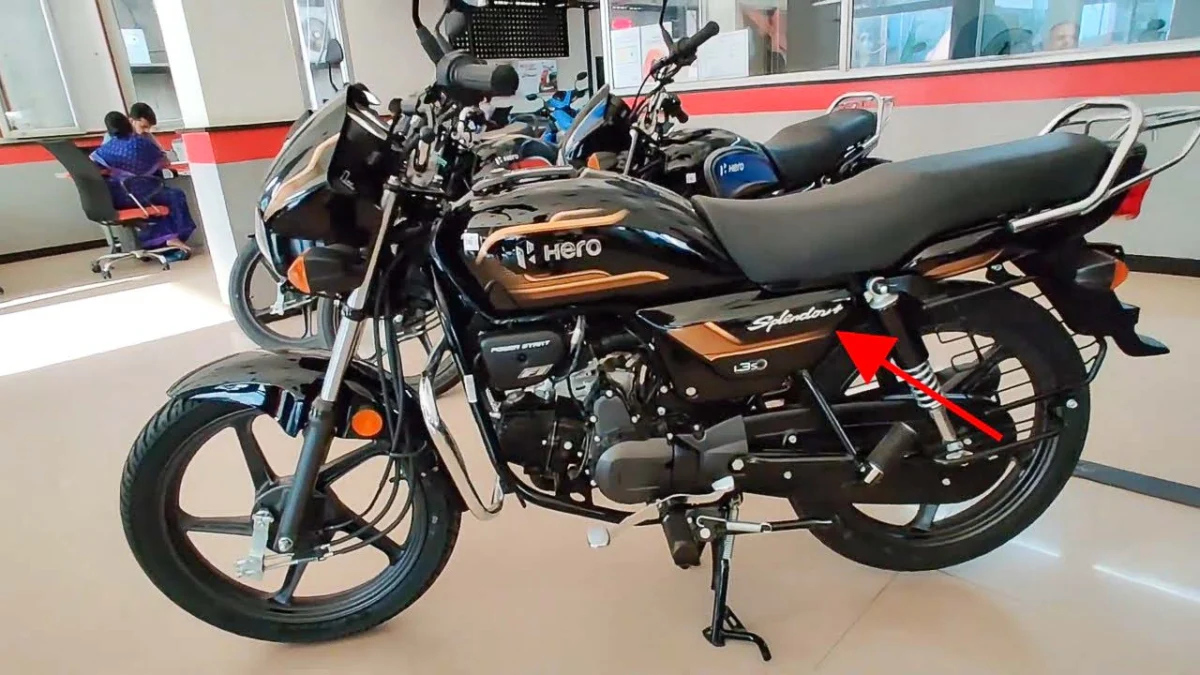
New Delhi, July 2026 – The Indian two-wheeler industry has signaled a definitive post-recovery boom, recording a substantial year-on-year (YoY) growth of 18.58% in June 2026. According to the latest retail and wholesale data, domestic sales climbed to 18,51,400 units, up from 15,61,283 units in the same month the previous year. This surge is underpinned by a revitalized rural economy, an increasing preference for premium scooters, and an unprecedented acceleration in the adoption of electric vehicles (EVs).
While the Hero Splendor continues to occupy the throne as India’s favorite two-wheeler, the market landscape is shifting. The gap between traditional internal combustion engine (ICE) dominance and the emerging electric frontier is narrowing, evidenced by the meteoric rise of models like the TVS iQube. Simultaneously, the industry is witnessing a "premiumization" trend, where consumers are increasingly bypassing entry-level commuters in favor of more feature-rich alternatives.
Chronology of Market Performance: June 2026 and Q2 Overview
The performance in June 2026 serves as a capstone to a highly successful second calendar quarter (Q2). The momentum began in April with steady gains and culminated in a high-volume June, reflecting positive consumer sentiment ahead of the monsoon season.
June 2026: A Month of Milestones
The 18.58% growth in June was not uniform across all segments. While motorcycles remained the volume driver, scooters emerged as the growth engine, posting a nearly 40% increase in demand. The month also highlighted a stark contrast between manufacturers: Honda and TVS enjoyed broad-based gains, while Bajaj and certain segments of Hero MotoCorp faced headwinds in specific model categories.
Q2 2026: The Quarterly Surge
For the April-June 2026 period, the domestic market witnessed a 20.29% YoY increase, with total sales reaching 56,26,300 units.
- Motorcycles: Accounted for 33,08,847 units (13.96% growth).
- Scooters: Reached 21,76,483 units (30.77% growth).
- Mopeds: Contributed 1,40,970 units (28.90% growth).
This quarterly performance suggests that the industry has moved beyond the volatility of the early 2020s, establishing a new, higher baseline for annual domestic volumes.
Supporting Data: Analyzing the Top 10 Performers
The hierarchy of India’s two-wheeler market remains top-heavy, with the ten best-selling models accounting for a significant portion of total industry volume. However, the internal dynamics of this Top 10 list reveal significant shifts in consumer behavior.
1. The Leaders: Hero Splendor and Honda Activa
The Hero Splendor remains the undisputed king of the Indian roads. In June 2026, it saw sales of 3,53,024 units, a 6.64% increase over the 3,31,057 units sold in June 2025. Despite its age, the Splendor’s reputation for fuel efficiency and resale value keeps it at the top.
However, the Honda Activa is closing in. With 2,18,932 units sold (up 19.46%), the Activa added over 35,000 units to its tally compared to last year. The scooter’s growth outpaced the Splendor’s, reflecting the broader national trend toward automatic transmissions and urban mobility solutions.
2. The Mid-Segment Powerhouses: Honda Shine and TVS Jupiter
The Honda Shine secured the third spot with 1,67,572 units, growing 17% YoY. Its dominance in the 125cc segment remains unchallenged, as buyers seek a balance between power and economy.
TVS Jupiter followed in fourth place, recording one of the most impressive gains in the ICE scooter segment. Sales rose 26.69% to 1,36,805 units. Analysts attribute this to TVS’s frequent refreshes and the introduction of "SmartXonnect" features that appeal to younger, tech-savvy riders.
3. The Performance and Utility Brackets
- Suzuki Access: Continued its steady climb with 63,121 units (up 22.43%), cementing its position as a premium alternative in the scooter segment.
- TVS Apache: The racing-inspired brand saw a 33.82% surge to 55,382 units, indicating that the youth market’s appetite for performance motorcycles remains robust.
- TVS XL100: The only moped on the list, it grew 50.39% to 50,155 units, proving that there is still a massive demand for affordable, heavy-duty utility vehicles in rural and semi-urban logistics.
4. The Anomalies: Bajaj Pulsar and Hero HF Deluxe
In a month of growth, the Bajaj Pulsar saw a decline of 12.49%, dropping to 77,406 units. This is largely attributed to a realignment of the Pulsar portfolio and increased competition in the 150cc-200cc space.
The most dramatic shift, however, was the Hero HF Deluxe. Once a staple of the Top 3, it witnessed a staggering 56.09% decline, falling from 1,00,878 units in June 2025 to just 44,292 units in June 2026. This suggests a massive migration of entry-level buyers toward either more premium 125cc bikes or electric alternatives.
The EV Tipping Point: TVS iQube’s Exponential Growth
Perhaps the most significant takeaway from the June 2026 data is the performance of the TVS iQube. The electric scooter recorded a 232.29% increase in sales, moving 47,331 units compared to 14,244 units in the previous year.
This growth signifies that electric two-wheelers are no longer a "niche" or "experimental" purchase. With the expansion of charging infrastructure and the narrowing price gap between ICE and EV models (aided by production-linked incentives), the iQube has successfully broken into the mainstream Top 10. This performance places immense pressure on other legacy manufacturers to accelerate their EV roadmaps.
Official Industry Perspectives
While individual company spokespersons remained cautious, industry analysts from the Society of Indian Automobile Manufacturers (SIAM) and various brokerage firms have weighed in on the results.
Market Sentiment:
"The June figures are a testament to the resilience of the Indian consumer," noted a senior automotive analyst. "We are seeing a dual-track recovery. In rural areas, the demand for the XL100 and Splendor remains the backbone, while in urban centers, the shift toward scooters and high-performance bikes like the Apache is driving value growth."
The Decline of Entry-Level Commuters:
Regarding the sharp fall of the Hero HF Deluxe, experts suggest a "structural shift" in the market. "The Indian buyer is no longer just looking for the cheapest mode of transport. They are looking for ‘value-plus.’ The 100cc commuter segment is being squeezed from above by more aspirational 125cc bikes and from the side by the low running costs of EVs."
Manufacturing Focus:
Manufacturers are reportedly shifting their production lines to accommodate the higher demand for scooters. Honda and TVS, in particular, have optimized their supply chains to ensure that the Activa and Jupiter remain readily available, reducing waiting periods that plagued the industry in previous years.
Future Implications: What Lies Ahead?
The June 2026 data serves as a roadmap for the remainder of the fiscal year. Several key implications emerge:
1. The Erosion of the 100cc Segment
The massive decline of the HF Deluxe and the modest growth of the Splendor compared to the rest of the market suggest that the 100cc motorcycle segment may have peaked. Manufacturers will likely pivot their R&D budgets toward the 125cc-160cc categories, where margins are higher and consumer interest is growing.
2. Scooterization of India
With scooters growing at 39.14%—more than double the rate of motorcycles—the "scooterization" of the Indian market is accelerating. As urban congestion increases, the ease of automatic transmissions makes scooters the preferred choice for daily commuting. We can expect more "maxi-scooters" and high-performance scooters to enter the market by 2027.
3. The EV Hegemony
The success of the TVS iQube will likely trigger a price war in the electric segment. Bajaj (with the Chetak) and Hero (with Vida) are expected to introduce more affordable variants to reclaim market share. Furthermore, the entry of new players and the maturation of battery technology will likely see EVs claiming a 25-30% share of the total two-wheeler market by the end of the decade.
4. Rural vs. Urban Divergence
The 50% growth in moped sales (TVS XL100) indicates that the rural economy is utilizing two-wheelers as commercial tools for last-mile delivery and agriculture. Conversely, urban growth is being driven by lifestyle and technology. Manufacturers will need to maintain a "two-pronged" strategy to cater to these vastly different consumer bases.
Conclusion
The Indian two-wheeler industry in June 2026 is a picture of health, but it is a health defined by transformation. While the Hero Splendor remains the volume leader, the real story lies in the 232% growth of EVs and the 39% surge in scooters. As the industry moves into the second half of the year, the focus will shift from mere volume recovery to a race for technological dominance and segment leadership in a rapidly evolving marketplace.
