

Main Facts: The Intersection of Adrenaline and Precision
In the heart of Chiba Prefecture, approximately 90 minutes outside the neon-drenched sprawl of Tokyo, lies the Mobara Twin Circuit—a temple to one of the most paradoxical disciplines in motorsport: drifting. What began decades ago as an illicit pastime on Japan’s narrow mountain passes has evolved into a global phenomenon, blending high-level engineering with a gritty, underground aesthetic.
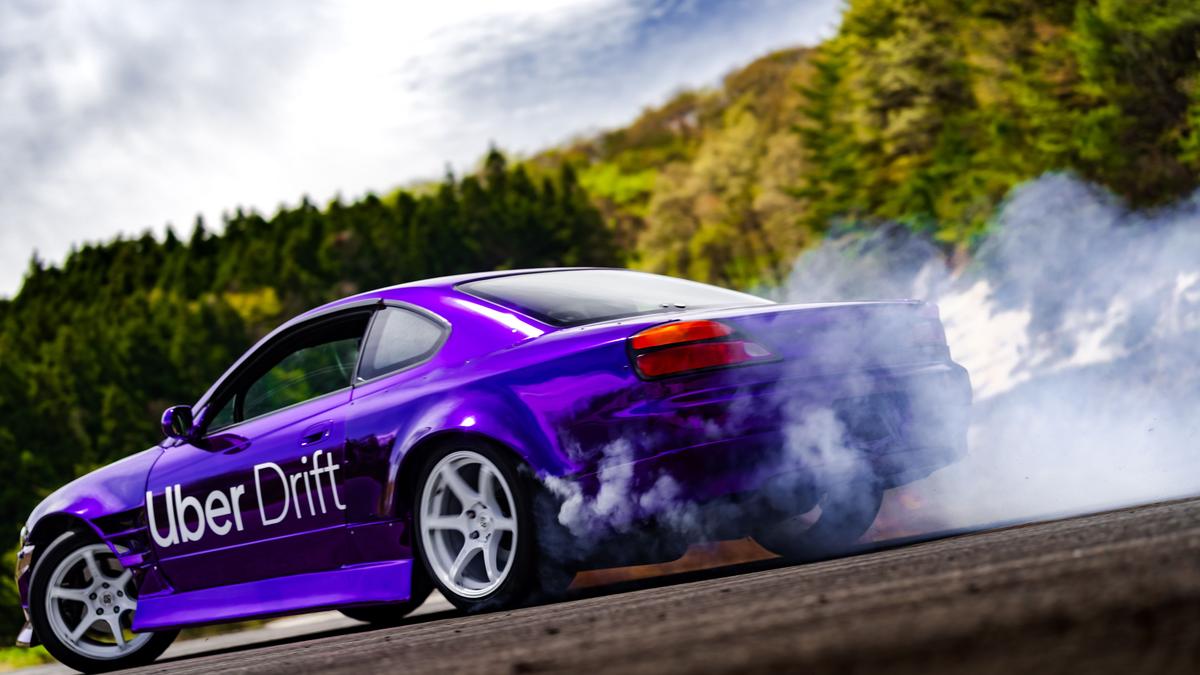
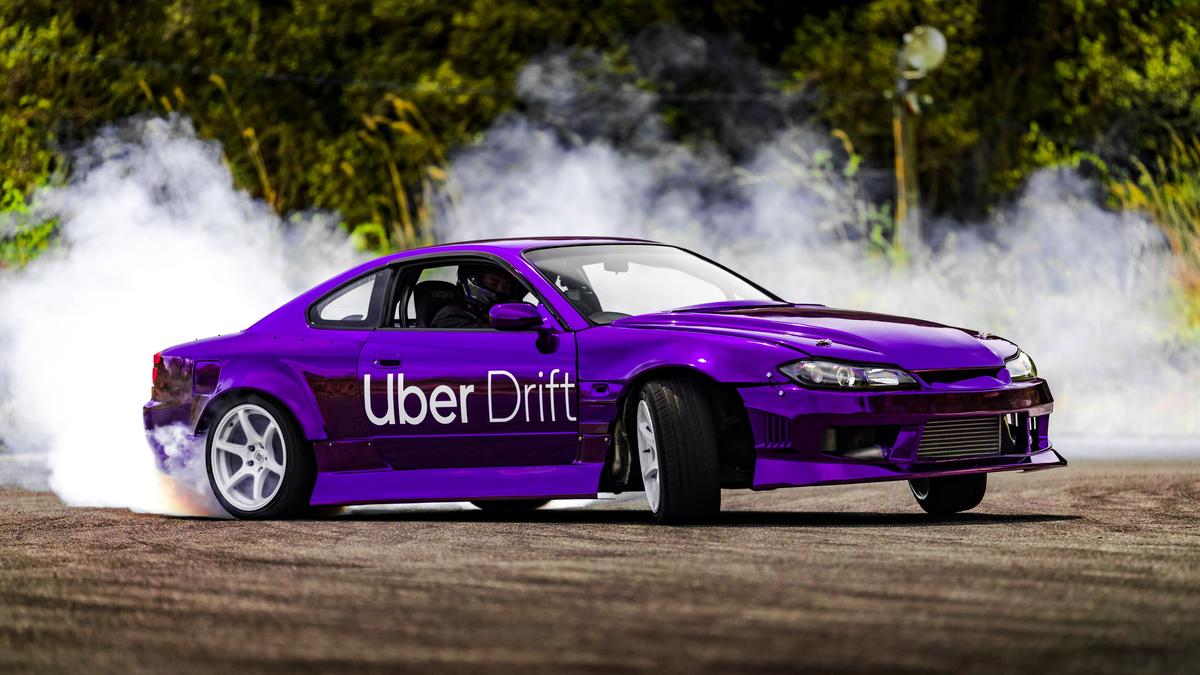
The essence of drifting is captured in a single, visceral moment: a Nissan Silvia S15, its rear tires evaporating into a thick, acrid cloud of white smoke, pitched at an angle that defies conventional Newtonian physics. Behind the wheel is a professional athlete like Fausto, a reigning drift champion, who manages to maintain millimetric precision while the car screams against its rev limiter. To the uninitiated, it looks like a catastrophic loss of control; to the practitioner, it is a highly disciplined "organized violence."
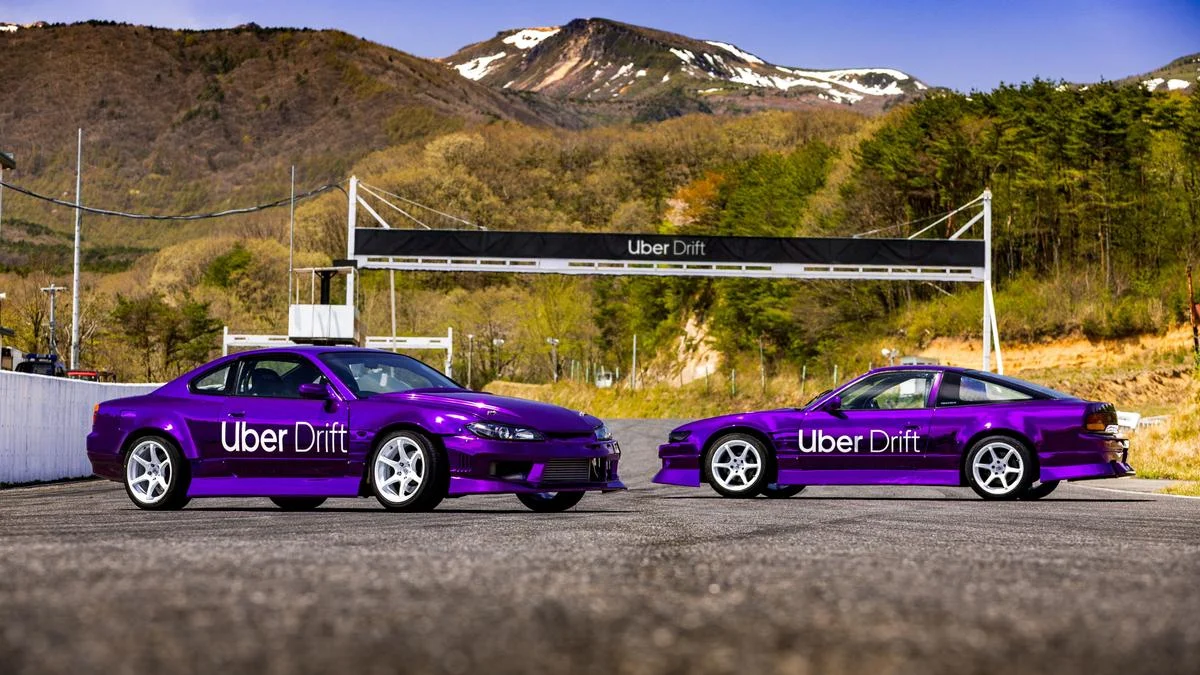
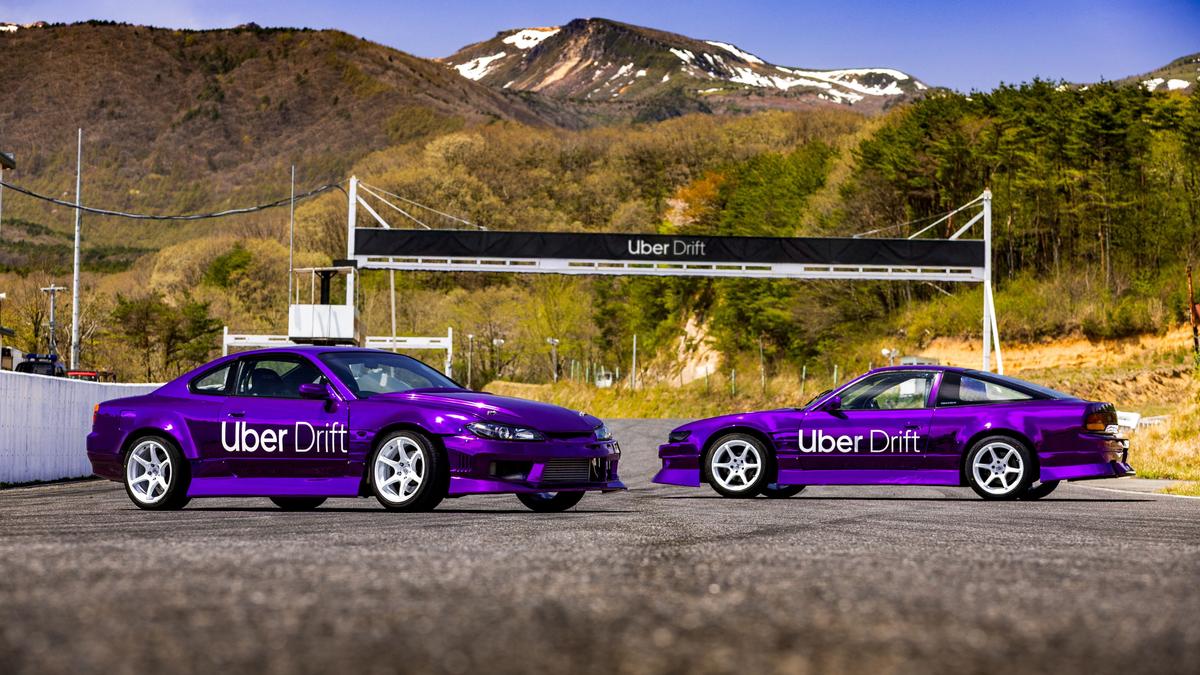
Recently, this subculture has moved from the shadows of the touge (mountain roads) into the spotlight of the "experience economy." Through initiatives like "Uber Drift"—part of Uber’s limited-edition “Go Anywhere” series—the once-inaccessible world of Japanese professional drifting is being opened to the public. Participants are whisked from central Tokyo in luxury transports to the track, where they are strapped into genuine JDM (Japanese Domestic Market) icons like the Nissan Silvia S15 and 180SX for tandem runs that blur the line between automotive theater and professional athletics.
Chronology: From Mountain Passes to Global Stadiums
To understand the current state of Japanese drifting, one must trace its lineage back to the 1970s and 80s. The sport was not born in a boardroom but on the winding, precarious mountain roads of rural Japan.
The Era of the Touge (1970s–1980s)
Early practitioners, often referred to as Hashiriya (street racers), discovered that by intentionally breaking traction on the tight downhill hairpins of mountain passes, they could maintain higher momentum and rotate the car more quickly than through traditional grip driving. What began as a technique for speed soon transformed into a medium for expression. The goal shifted from the fastest time to the most flamboyant execution.
The Rise of the "Drift King" (1990s)
The transition from underground secret to cultural export was catalyzed by Kunimitsu Takahashi, a legendary racing driver whose aggressive, sideways style on the professional circuit inspired a generation. However, it was Keiichi Tsuchiya, famously known as the "Drift King," who solidified the sport’s legitimacy. Tsuchiya’s "Pluspy" videos—underground tapes showing him drifting his Toyota AE86 on public roads—became the "Sermon on the Mount" for car enthusiasts worldwide.
Professionalization and the D1 Grand Prix (2000s–Present)
By 2001, the D1 Grand Prix was established as the first professional drifting series, moving the sport into stadiums and dedicated circuits. This era saw the introduction of sophisticated judging systems and the rise of "tandem drifting," where two cars compete in a high-speed game of "follow the leader," often maintaining distances of only a few inches while traveling sideways at speeds exceeding 100 km/h.
Supporting Data: The Physics and Engineering of the Slide
Drifting is one of the few motorsports where style is the primary objective, yet that style is underpinned by rigorous technical data and specialized engineering. Unlike traditional racing, which focuses on maximizing tire grip, drifting focuses on the "art of losing it."
The Mechanics of the Drift Car
Modern drift cars are highly specialized machines. Key modifications include:
- Steering Angle Kits: While a standard road car might have 30 to 40 degrees of steering lock, a professional drift car is modified to achieve 65 to 75 degrees. This allows the driver to maintain extreme "opposite lock" without spinning out.
- Suspension Geometry: Drifting requires a unique setup where the front of the car maintains maximum grip (to steer the slide) while the rear is encouraged to break loose. This often involves high-camber settings and stiffened chassis to manage weight transfer.
- Torque-Heavy Powerplants: Engines, such as the legendary SR20DET or the 2JZ-GTE, are tuned to provide immediate bursts of torque. This is necessary to keep the rear wheels spinning continuously, even when the car is sideways and facing significant friction.
The Judging Criteria
In a professional setting, such as Formula Drift or D1GP, drivers are not judged by a stopwatch. Instead, they are scored on:
- Line: Following a predetermined path marked by "clipping points."
- Angle: The degree of rotation the car maintains throughout the corner.
- Style/Impact: The fluidity of transitions and the "aggression" of the entry.
- Proximity (in Tandem): How closely the "chase" car can mirror the "lead" car’s movements.
Official Responses: Uber’s Foray into JDM Culture
The launch of the "Uber Drift" experience marks a significant shift in how multinational corporations view niche subcultures. By partnering with professional drivers and historic circuits like Mobara, Uber is tapping into a specific brand of "authentic" tourism that modern travelers crave.
An Uber spokesperson commented on the initiative, stating: "Our ‘Go Anywhere’ series is designed to transform the way people perceive transportation. With Uber Drift, we aren’t just moving a person from Point A to Point B; we are providing a gateway into a storied Japanese tradition. We wanted to offer an experience that felt raw and genuine, yet accessible through the ease of our platform."
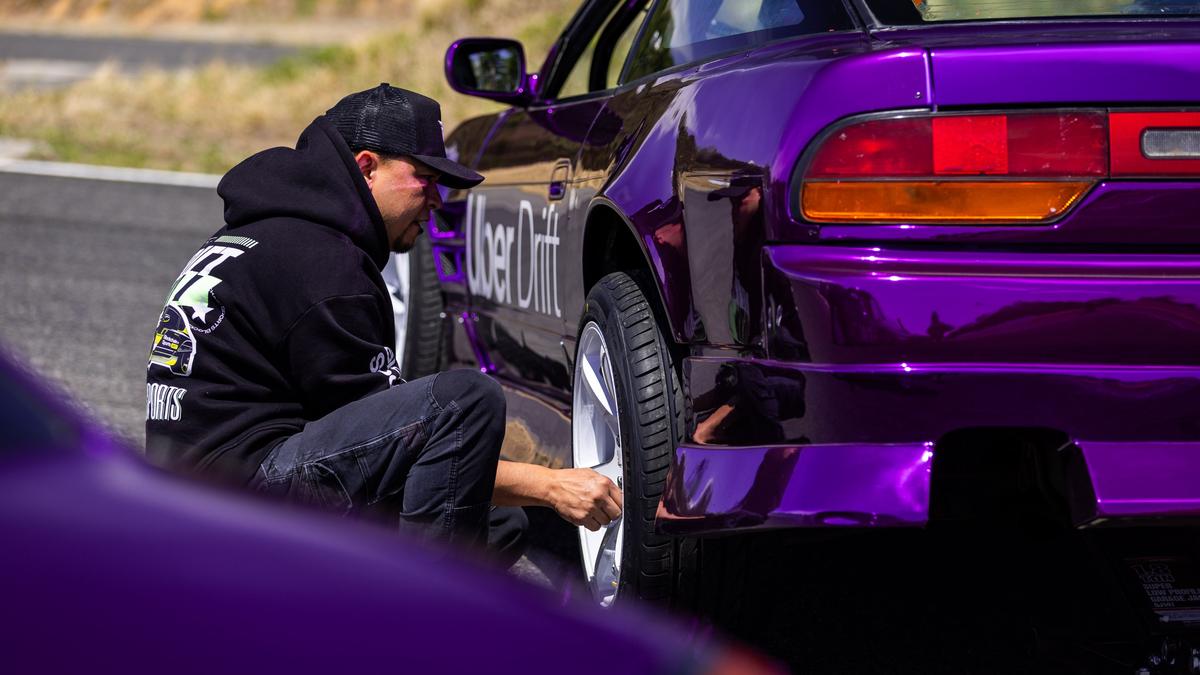
Professional drivers involved in the program have also noted the importance of safety and education. Fausto, the champion driver featured in the experience, emphasized that while the rides feel chaotic to the passenger, they are the result of thousands of hours of practice. "The goal is to show the passenger the fine line between physics and intuition," Fausto explained. "When you are in the car, you feel the heat, the vibrations, and the G-forces. It changes your perspective from seeing it as a ‘stunt’ to seeing it as a high-level athletic discipline."
Implications: The Future of the "Sideways" Legacy
The mainstreaming of drifting carries several implications for the future of automotive culture and Japanese tourism.
The Preservation of JDM History
As the world moves toward electrification and autonomous driving, drifting remains one of the last bastions of purely mechanical, internal-combustion-driven soul. The continued interest in cars like the Nissan Silvia and the Toyota Chaser ensures that these "analog" machines are preserved and celebrated. However, the rising cost of these vintage vehicles—driven by global demand—is making it increasingly difficult for grassroots drivers to enter the sport.
Tourism and the "Experience Economy"
Japan has seen a massive influx of "car tourists"—visitors who bypass traditional shrines and temples in favor of the Daikoku Parking Area or mountain roads made famous by the anime Initial D. Programs like Uber Drift suggest that the Japanese tourism board and private sectors are beginning to recognize automotive culture as a significant "soft power" export, much like manga or sushi.
The Evolution of the Sport
While drifting will always have its roots in the underground, its survival depends on its ability to adapt. We are already seeing the emergence of electric drift cars, which offer instantaneous torque that could theoretically revolutionize the sport. Furthermore, the professionalization of the sport through global leagues has brought in corporate sponsorships that were unthinkable in the 1980s.
Conclusion: The Beauty in the Breakdown
Ultimately, drifting in Japan remains a testament to the human desire to master the unmasterable. It is a sport that celebrates the "strange beauty of losing control." Whether it is a battered Silvia with a zip-tied bumper at a late-night meet or a factory-backed pro car at Mobara Twin Circuit, the spirit remains the same: a defiant, smoke-filled middle finger to the limits of traction. For those lucky enough to experience it from the passenger seat, the lesson is clear: in the hands of a master, chaos is merely another form of choreography.
