

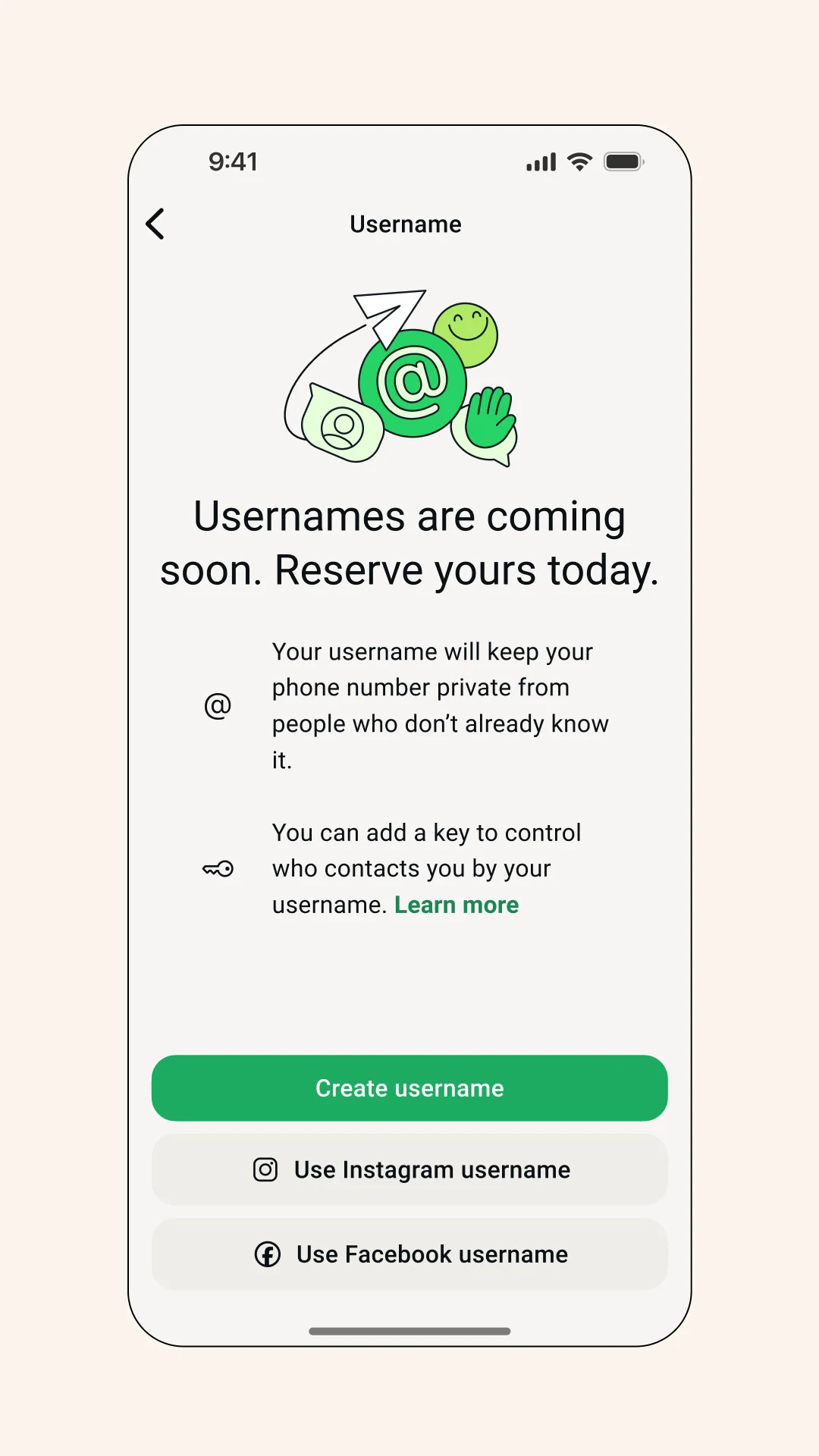
New Delhi, India – In a significant development for digital privacy and online security, WhatsApp, the ubiquitous messaging platform owned by Meta, finds itself at a crossroads with Indian regulators over its forthcoming username feature. Days after beginning the rollout of username reservations, a crucial step towards allowing users to connect without sharing their phone numbers, the Ministry of Electronics and Information Technology (MeitY) has voiced strong objections. The government’s intervention signals a growing tension between user anonymity and the imperative to curb online fraud and cybercrime in one of the world’s largest digital markets.
The core of the dispute revolves around WhatsApp’s planned "usernames" feature, which aims to enable users to find and message each other via a unique identifier, rather than the traditional phone number. While lauded by privacy advocates as a step forward for user control, MeitY has cautioned that this shift could inadvertently fuel a surge in online fraud, particularly "digital arrest scams" and sophisticated impersonation schemes. The ministry has articulated its concerns in a formal letter to Meta, warning that the ability for "bad actors" to contact users without revealing their underlying phone numbers could significantly complicate law enforcement efforts and erode trust in digital communications.
This latest regulatory challenge is not an isolated incident but rather part of a broader trend of government scrutiny over anonymity features on messaging platforms. Just weeks prior, similar apprehensions were raised regarding Telegram’s username-based messaging, with authorities arguing that obscuring phone numbers impedes the identification of individuals involved in illicit online activities. The ongoing dialogue with WhatsApp, therefore, elevates a critical debate: do the platform’s proposed safeguards adequately address India’s unique and evolving threat landscape, or are the government’s concerns about increased vulnerability to fraud and impersonation truly justified?
The New Feature: Unpacking WhatsApp’s Usernames
Ever since its inception, WhatsApp has fundamentally relied on phone numbers as the primary identifier for its vast user base. To initiate a conversation, users have always needed to possess the recipient’s phone number, linking digital identities directly to a traceable, real-world contact. The impending usernames feature represents a significant departure from this foundational principle, promising a new paradigm for connectivity.
From Phone Numbers to Usernames: A Paradigm Shift
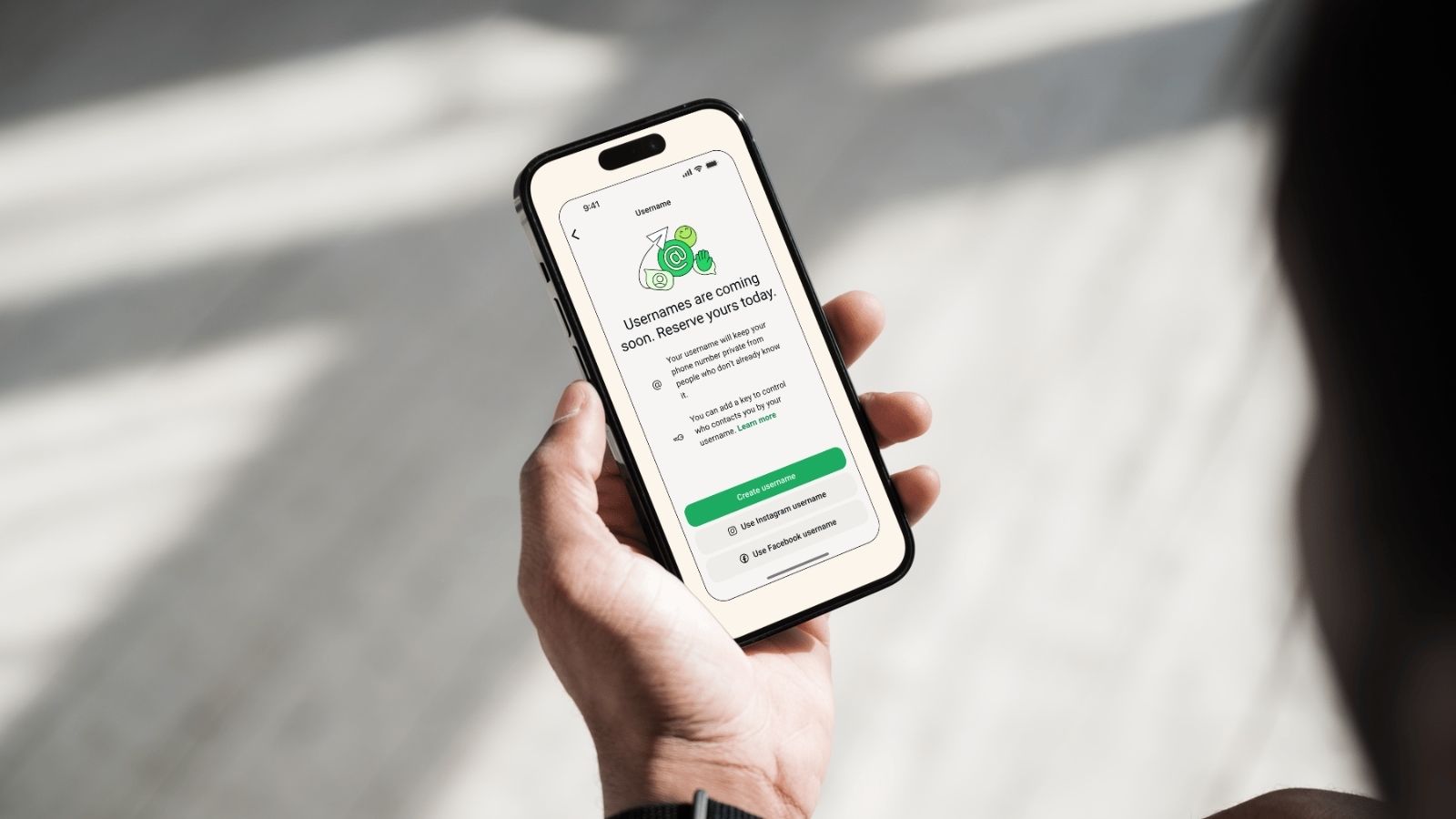
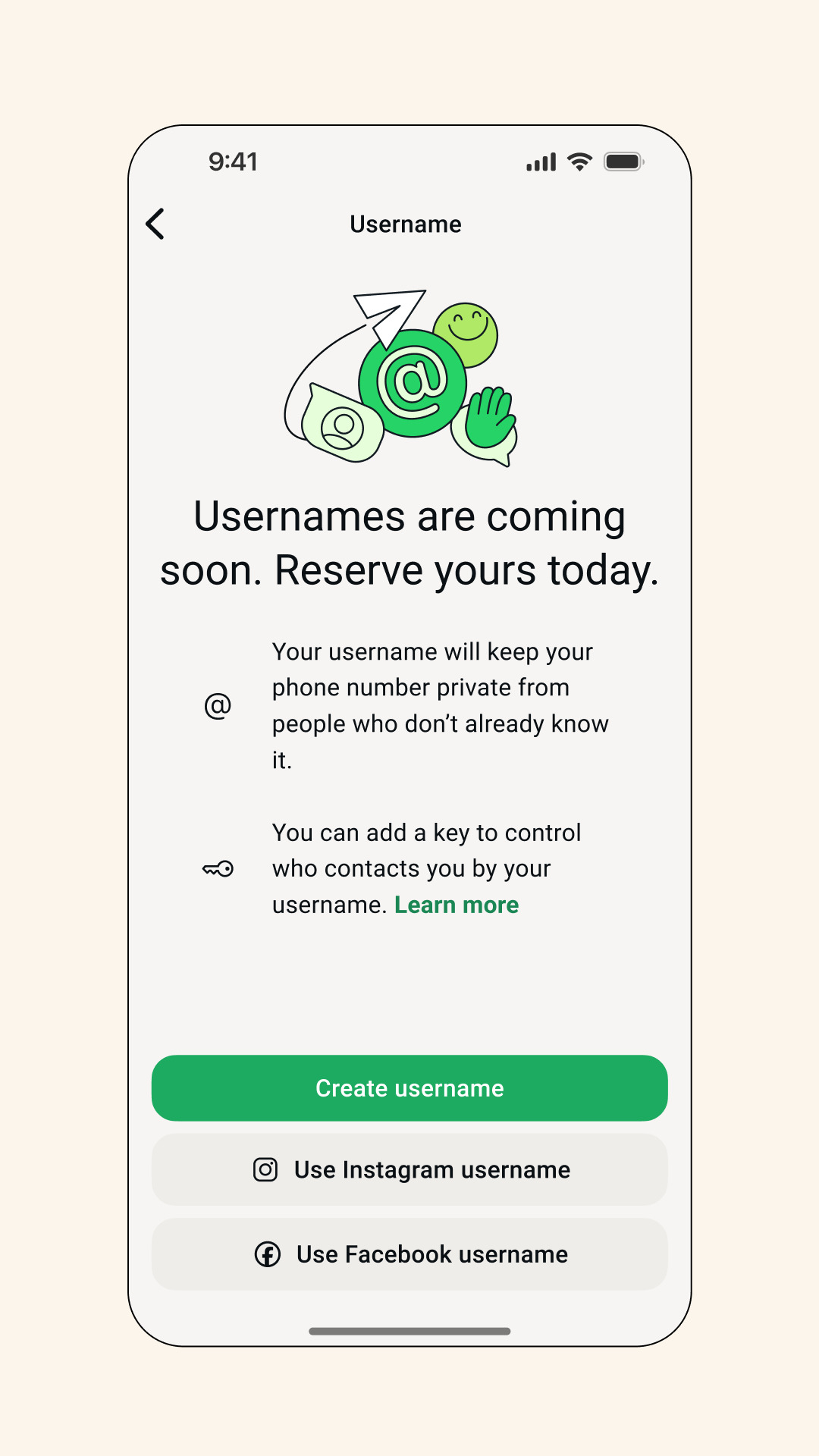
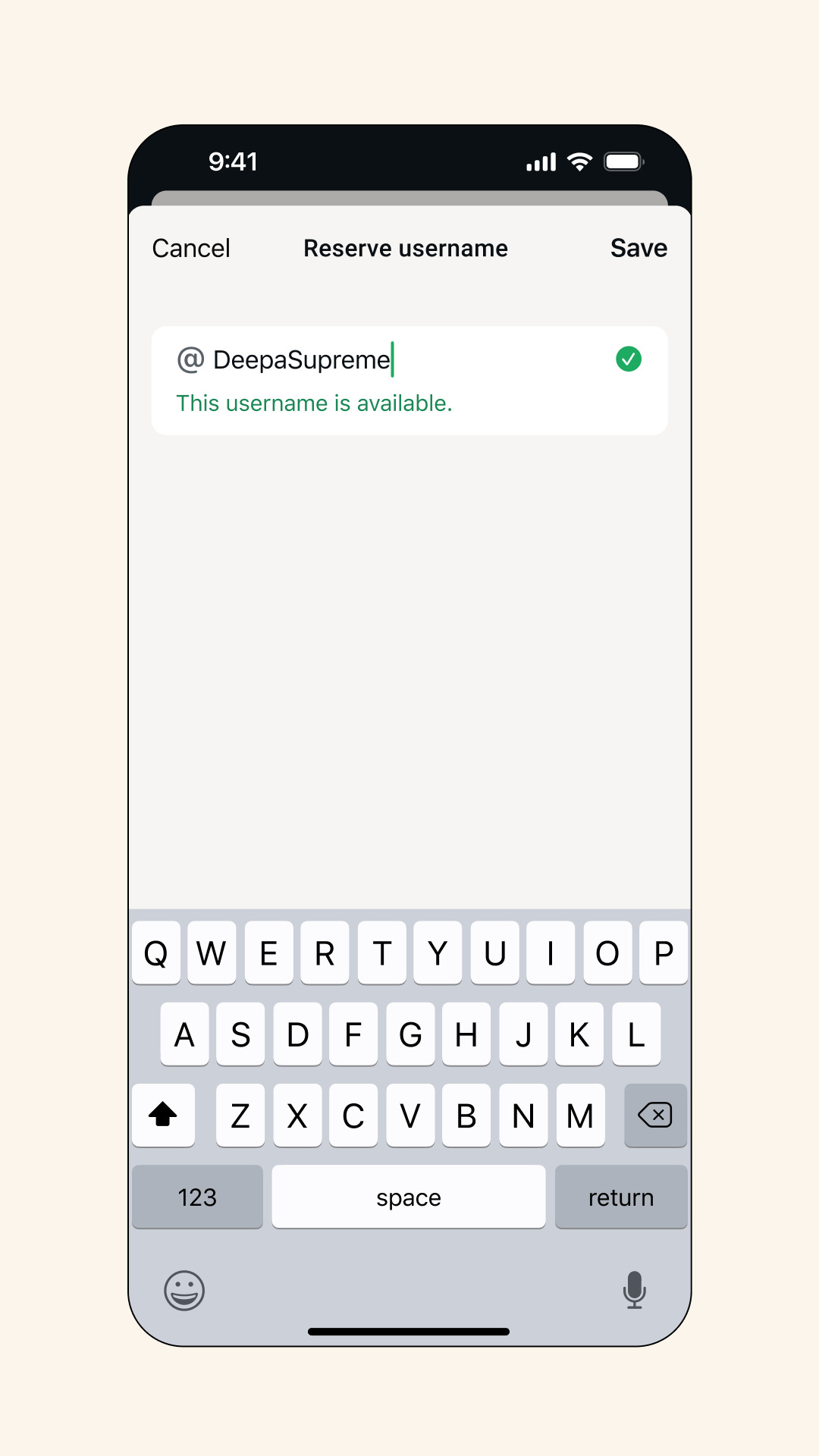
Once fully rolled out, the usernames feature will empower users to reserve a unique, alphanumeric identifier – a username – which can then be shared in lieu of their phone number. This innovation aims to enhance user privacy by allowing individuals to engage in conversations, join groups, and connect with new contacts without the necessity of divulging one of their most personal pieces of information: their mobile number. While the feature offers this newfound flexibility, it is crucial to note that a phone number will still be required to create and maintain a WhatsApp account, ensuring a baseline level of account integrity and registration.
The shift is designed to cater to a diverse user base, including those who frequently interact with new people in professional or community settings, or individuals who simply prefer a higher degree of anonymity in their online interactions. For example, a user joining a large public interest group or a professional networking chat might prefer to share a username rather than their personal phone number, mitigating potential risks of unsolicited contact or data exposure.
WhatsApp’s Proposed Safeguards and Design Philosophy
Crucially, WhatsApp has emphasized that its implementation of usernames differs significantly from those found on other popular messaging applications. Unlike platforms where usernames might be publicly searchable through directories or suggested lists, WhatsApp asserts that its usernames will be strictly non-searchable. To initiate contact with someone, the sender would need to know the exact username. This design choice is intended to prevent broad-scale discovery and mitigate the risk of random or unsolicited messages.
Furthermore, the platform has outlined several layers of privacy and security enhancements to accompany the feature:
- Non-searchable by Design: There will be no public directory or suggestions, requiring precise knowledge of a username for contact.
- User Control: Users will retain the ability to change or entirely disable their username at any time, offering flexibility and control over their digital presence.
- Optional Username Key: An additional layer of privacy is introduced through an optional "username key." When activated, both the username and this unique key must be entered correctly for someone to send the very first message, further restricting unsolicited contact.
- Reserved Usernames: To combat impersonation of public figures, celebrities, government entities, and verified Meta accounts, WhatsApp plans to reserve these usernames, ensuring only legitimate owners can claim them. The platform also intends to reserve similar variations of many prominent names to proactively reduce impersonation attempts.
- Abuse Detection Systems: WhatsApp has stated its commitment to limiting the number of new users an account can contact, blocking repeated attempts to guess usernames or username keys, and deploying automated systems to detect and flag abusive behavior or potential impersonation.
- Contextual Information for First Messages: When a user receives a first message from an unknown username, WhatsApp will display contextual information. This includes details such as whether the sender is a new account, is already in the recipient’s contacts, shares common groups, or is based in another country. This empowers recipients to make more informed decisions before engaging with an unfamiliar sender.
These measures are presented by WhatsApp as a comprehensive approach to enhance user privacy without compromising security, framing usernames primarily as a privacy-centric feature rather than a social media handle.
Regulatory Roadblock: India’s Ministry of Electronics and IT Steps In
The enthusiasm surrounding WhatsApp’s new feature has been met with significant apprehension from the Indian government. MeitY’s formal letter to Meta underscores a deep-seated concern about the potential for usernames to exacerbate existing challenges in the country’s fight against cybercrime.
MeitY’s Stated Concerns: A Focus on Fraud and Impersonation
The Ministry’s primary contention is that the introduction of usernames could inadvertently create fertile ground for an increase in online fraud and sophisticated impersonation tactics. Specifically, MeitY has highlighted several key risks:
- Increased Online Fraud: Usernames, by obscuring the underlying phone number, could make it easier for scammers to orchestrate various forms of online deception, including phishing, financial fraud, and particularly, "digital arrest scams." In these highly coercive scams, fraudsters impersonate law enforcement officials, government agents, or bank employees to pressure victims into transferring money under false pretenses.
- Facilitated Impersonation: The ability to create a username without directly revealing a phone number could empower "bad actors" to craft convincing identities that mimic noted individuals, financial institutions, or government agencies. This "identity spoofing" could allow scammers to approach unsuspecting users with a veneer of legitimacy, making it harder for victims to discern genuine communications from fraudulent ones.
- Complicated Investigations: A significant concern for law enforcement is that the removal of phone numbers as an immediate identifier could severely complicate investigations into cybercrimes. Phone numbers are tied to SIM cards, Know Your Customer (KYC) documents, and telecom logs, providing a crucial "physical, traceable anchor" for investigators. Usernames, in this context, are perceived as a layer of anonymity that could make tracing and identifying perpetrators significantly more difficult.
A Pattern of Scrutiny: Parallels with Telegram
This isn’t the first time the Indian government has raised concerns about anonymity features on messaging platforms. Just a few weeks prior to the WhatsApp controversy, similar objections were leveled against Telegram’s username-based messaging feature. The government’s argument then, as now, centered on the difficulty of identifying users involved in cybercrime when their phone numbers are hidden. This suggests a consistent regulatory stance by MeitY, indicating a broader policy push to ensure accountability and traceability across all major communication platforms operating within India. The government’s perspective appears to be rooted in the belief that while privacy is important, it should not come at the cost of national security or public safety.
The Indian Cybercrime Landscape: Fueling Official Apprehensions
The government’s apprehensions are not without context. India has witnessed a dramatic surge in cybercrime over recent years, making it a particularly sensitive issue for regulators. Government data underscores this alarming trend, revealing that cyber incidents more than doubled between 2022 and 2024. Millions of cybercrime complaints have been registered through the National Cyber Crime Reporting Portal, painting a stark picture of the growing scale and sophistication of online financial fraud and other digital offenses.
Officials are justifiably concerned that if fraudsters can operate with greater anonymity through usernames, they could create thousands of deceptive accounts using techniques like "leetspeak" (e.g., "Wh4tsAppB4nk") or lookalike characters (e.g., using Cyrillic "a" instead of Latin "a") to evade detection by both automated systems and human users. This potential for "industrialized impersonation" could overwhelm existing safeguards and significantly increase the risk exposure for ordinary citizens, especially those who are less tech-literate. The widespread prevalence of scams that exploit trust in authority figures – such as police, bank officials, or government representatives – makes any feature that could facilitate such impersonation a critical point of concern for MeitY.
The Privacy vs. Security Conundrum: A Thorny Debate
The standoff between WhatsApp and MeitY encapsulates a fundamental tension in the digital age: how to balance the legitimate desire for user privacy with the equally vital need for online security and law enforcement capabilities.
Advocates for Privacy: Protecting Vulnerable Users
Digital rights experts and privacy advocates largely welcome the username feature, viewing it as a crucial step towards empowering users with greater control over their personal data. They argue that the ability to connect without sharing a phone number offers tangible benefits, particularly for vulnerable populations. Nidhi Sudhan, co-founder of the Citizen Digital Foundation, highlights the positive impact for women and other users who may not wish to reveal their mobile numbers when joining WhatsApp groups or interacting with new contacts. "Without a doubt, this is a welcome feature for women, vulnerable users who would rather not reveal their mobile numbers to be contacted when joining WhatsApp groups and communities," Sudhan stated, emphasizing that WhatsApp’s massive 850+ million user base in India places a greater scrutiny on its features compared to other platforms.
Privacy advocates contend that phone number exposure itself carries inherent risks, including harassment, data scraping, stalking, spam, and other forms of privacy invasion. By offering an alternative identifier, WhatsApp could potentially mitigate these risks, allowing users to engage more freely and securely online. The optional nature of usernames, coupled with the non-searchable design and additional safeguards like the username key, is seen as a thoughtful approach to enhancing privacy without sacrificing user safety.
The Security Imperative: Traceability and Accountability
Conversely, those prioritizing security and law enforcement capabilities argue that the current system, where phone numbers act as traceable identifiers, is indispensable. Dr. Srinivas Padmanabhuni, CTO of AiEnsured, asserts that the government’s concerns have "strong technical merit." He explains that "Phone numbers are tied to SIMs, KYC and telecom logs – physical, traceable anchors that raise the cost for an attacker. Usernames remove that barrier entirely." This perspective underscores the reliance of law enforcement agencies on these identifiers to track down perpetrators of cybercrime.
Advocate Dr. Chinmay Bhosale, co-founder of NYAI, concurs, stating that the government’s concerns are "not without merit," given the scale of identity-based fraud and impersonation prevalent in India. He warns that the potential for impersonation extends beyond government officials to "day-to-day frauds involving ordinary individuals as well." For Bhosale, robust verification measures are paramount. He suggests that "proper safeguards should be in place, including tagging the right KYC documents to each account, thereby ensuring that the identity of the account holder can be authenticated." Without such authentication, he fears a severe erosion of trust in official communications from businesses, banks, and government agencies, paving the way for a greater surge in fraud and cybercrime.
Expert Perspectives: Technical Merits and Remaining Gaps
The debate among experts highlights a genuine technical and societal trade-off. While some acknowledge the privacy benefits, they emphasize that the effectiveness of WhatsApp’s safeguards will be tested in India’s unique "threat landscape."
Padmanabhuni, for instance, points out that usernames are "free, infinite and enable industrialised impersonation," making it easier for fraudsters to create a multitude of deceptive accounts. He critiques WhatsApp’s proposed safeguards, noting that "Reserved names block @whatsapp, not every permutation of it. Contact limits slow down spam but do little against targeted spear-phishing. Contextual warnings rely on user judgement, which is weak against panic-driven fraud like digital arrest scams." This suggests that while safeguards exist, they might not be robust enough to counter sophisticated, human-driven social engineering attacks, which are common in India.
Tarun Wig, co-founder and CEO of Innefu Labs, adds that while reducing phone number exposure addresses one aspect of online fraud, "It does nothing to prevent social-engineering attacks, arguably it makes them easier, since a username offers none of the implicit verification a phone number currently provides." This highlights the challenge of replacing a well-established "trust signal" like a KYC-linked phone number with a potentially less verifiable username.
Weighing the Risks and Benefits: A Detailed Analysis
The discourse around WhatsApp’s usernames feature is a nuanced one, requiring a careful evaluation of the benefits it offers against the risks it potentially introduces, especially within the context of India’s unique digital environment.
The Promise of Anonymity: Reducing Exposure Risks
Garima Saxena, programme manager at The Dialogue, champions the privacy benefits, arguing that the risks associated with usernames are not unique to WhatsApp and should be weighed against the significant advantages of reducing phone number exposure. "Username-based contact systems can offer a privacy benefit by allowing users to connect without disclosing phone numbers," she states. "This is important because phone-number exposure can itself create risks of harassment, scraping, stalking, spam, and fraud." In a world where personal data is constantly vulnerable, any feature that reduces the surface area for such exposure is seen as a positive step towards digital empowerment.
The ability to connect without sharing a phone number is particularly appealing in scenarios where users interact with temporary contacts or within large, public groups. It allows for a degree of separation between one’s public-facing digital identity and their deeply personal phone number, fostering greater comfort and security in online interactions. For many, the current reliance on phone numbers can be a barrier to participation, leading to self-censorship or avoidance of certain online spaces to protect their privacy.
The Challenge of Authentication: When Phone Numbers Double as Identity
However, this promise of anonymity runs headlong into the practical realities of India’s digital ecosystem. Tarun Wig points out that "In India, the phone number quietly doubles as an identity and trust signal for a huge population that isn’t deeply tech-literate." For millions of Indians, their phone number is not just a means of communication; it’s a de facto digital identity, linked to various services, bank accounts, and government schemes. This implicit trust in phone numbers, backed by KYC regulations, provides a layer of verification that is deeply ingrained in the country’s digital infrastructure.
The challenge, therefore, lies in introducing a new identifier (username) without undermining this existing framework of trust. Wig suggests that the privacy benefit of usernames is "real," but it "needs to be rolled out alongside safeguards that preserve that same trust, not instead of it." This implies a need for a harmonized approach where new privacy features complement existing security mechanisms rather than replacing them outright, especially in a market where digital literacy varies widely and the population is highly susceptible to social engineering scams.
Addressing the ‘Threat Landscape’: WhatsApp’s Design vs. India’s Realities
Saxena highlights that WhatsApp’s specific implementation of usernames – optional, non-searchable, requiring an exact match, and offering an optional username key – significantly reduces "discovery, impersonation, and unsolicited contact risks" compared to platforms like Telegram. She argues that regulators should assess whether these specific safeguards are sufficient for India’s threat landscape, rather than deeming usernames "inherently unsafe." This calls for a nuanced evaluation of the feature’s design and its practical efficacy.
However, Dr. Padmanabhuni reiterates that important gaps remain. He emphasizes that while WhatsApp reserves some prominent names, it cannot account for "every permutation" that attackers might use. Contact limits, while helpful for slowing down mass spam, may be ineffective against targeted "spear-phishing" attacks. Furthermore, contextual warnings, while providing information, ultimately "rely on user judgement, which is weak against panic-driven fraud like digital arrest scams." In high-pressure situations, even sophisticated users can fall victim, and the current warnings might not be enough to prevent such highly effective social engineering tactics.
The crux of the matter is whether WhatsApp’s design, which aims to provide a controlled environment, can withstand the ingenuity and persistence of scammers operating in India’s dynamic digital landscape. The sheer volume of users and the prevalence of sophisticated fraud make this a uniquely challenging environment for any new privacy-enhancing feature.
Path Forward: Recommendations and Broader Implications
The ongoing consultations between WhatsApp and MeitY are critical, not only for the rollout of this specific feature in India but also for setting precedents in the broader discourse surrounding digital privacy, security, and regulation.
Proposed Enhancements and Policy Directives
To bridge the gap between privacy aspirations and security imperatives, experts have offered several recommendations for additional protections that could further reduce risks:
- Default Username Keys and Stricter First-Contact Controls: Garima Saxena suggests making username keys and stricter first-contact controls the default for public-facing accounts. This would significantly raise the bar for initial contact, deterring mass outreach by malicious actors.
- Expanded Lookalike Detection: Beyond reserving names for celebrities and government entities, there’s a need to expand lookalike detection to commonly impersonated banks, public services, and other high-value targets for fraudsters. This proactive measure could significantly reduce the creation of deceptive usernames.
- Clearer Contextual Information: Enhancing the contextual information displayed for first-time senders could provide users with more actionable intelligence. This includes clearly indicating whether an account is very new, has been recently renamed, or is operating from an unusual geographical location, allowing recipients to make even more informed decisions.
- Robust Escalation and Dispute Mechanisms: From a policy perspective, Saxena emphasizes the importance of clear escalation channels, well-defined impersonation-dispute processes, and time-bound mechanisms to freeze or revoke usernames where credible harm can be demonstrated. This would provide users and authorities with effective recourse when fraud or impersonation occurs.
- Mandatory KYC Linkage: Dr. Bhosale’s suggestion of tagging KYC documents to each account, even with a username, is a more stringent measure that could provide the "traceable anchor" law enforcement seeks, albeit potentially raising privacy concerns for some users.
Shaping the Future of Digital Communication in India
Given that India is WhatsApp’s largest market, boasting over 500 million users, the outcome of these consultations will profoundly shape the platform’s future operations in the country. A resolution that effectively balances user privacy with robust security measures could serve as a model for other digital platforms seeking to introduce similar features. Conversely, an inability to find common ground could lead to delays, modifications, or even restrictions on feature rollouts, impacting user experience and platform innovation.
The debate also highlights the proactive role India’s regulators are taking in shaping the digital landscape. As the country continues its rapid digital transformation, ensuring the safety and trustworthiness of online interactions becomes paramount. This engagement with WhatsApp signals a regulatory environment that is increasingly assertive in demanding accountability and incorporating local threat realities into global platform designs.
The Global Precedent: Balancing Innovation and Regulation
More broadly, this dispute reflects a growing global tension between two competing priorities: the imperative to protect users’ privacy by minimizing the personal information they must share online, and the necessity of ensuring that new technologies do not inadvertently facilitate fraud, impersonation, and other forms of cybercrime. Regulators worldwide are grappling with similar challenges as digital platforms introduce features that push the boundaries of user anonymity.
The resolution reached between WhatsApp and MeitY could, therefore, set a significant precedent. It will demonstrate how a major tech company and a sovereign nation navigate the complexities of digital identity, privacy, and security in an interconnected world. The outcome will likely influence not only how WhatsApp deploys its username feature in other markets but also how other messaging platforms design their privacy-enhancing functionalities, ensuring that innovation proceeds hand-in-hand with robust user protection.
Conclusion
The rollout of WhatsApp’s username feature in India has ignited a critical debate that transcends mere technological implementation. It delves into the fundamental principles of digital identity, privacy, and security in an era of escalating cyber threats. While the platform aims to empower users with greater control over their personal information, the Indian government’s concerns about potential fraud and impersonation are deeply rooted in the country’s unique cybercrime landscape and the inherent trust placed in phone numbers as a verifiable identifier.
The coming months will be crucial as WhatsApp and MeitY continue their dialogue. The eventual resolution will require a delicate balancing act, perhaps involving a combination of WhatsApp’s existing safeguards, additional policy directives, and technological enhancements tailored to India’s specific needs. The outcome will not only determine the fate of usernames on WhatsApp in India but will also offer invaluable insights into how societies navigate the ever-evolving challenge of fostering digital innovation while simultaneously safeguarding their citizens from the perils of the online world.
