

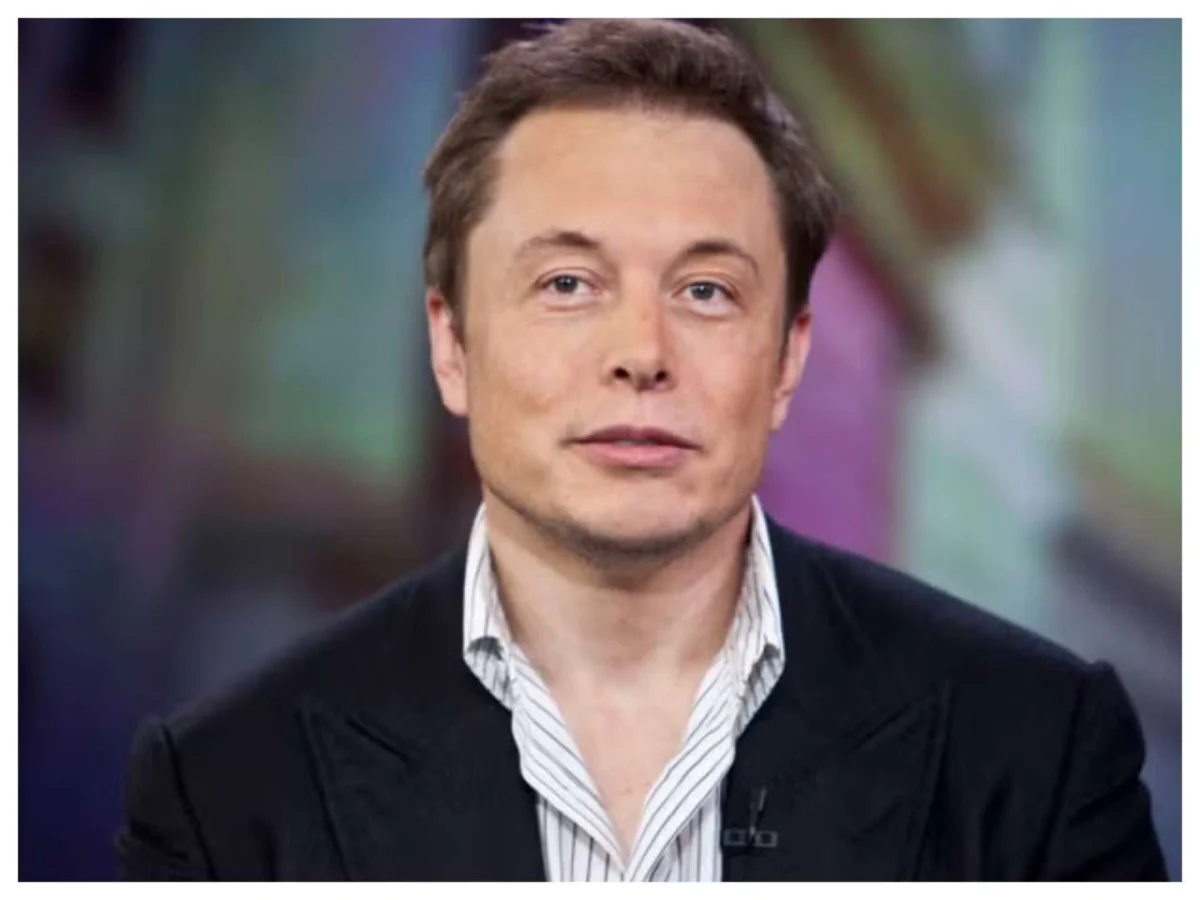
In a swift and unequivocal statement that reverberated through the global technology and aerospace sectors, Elon Musk, the visionary CEO of SpaceX, has vehemently denied widespread reports suggesting that his company is developing an AI-powered smartphone. Dismissing the claims as "utterly false," Musk’s declaration on his social media platform, X (formerly Twitter), aimed to quell burgeoning speculation about a prototype device that was purportedly in early stages of development.
The rumors, which had been gaining significant traction across tech news outlets and industry forums, painted a picture of a revolutionary AI-enabled smartphone, potentially leveraging advanced artificial intelligence technologies from Musk’s xAI venture. The device was imagined as a compact, possibly ultra-thin gadget, featuring Qualcomm Snapdragon chips and a custom operating system, with some reports even suggesting it might be presented to investors ahead of a future SpaceX Initial Public Offering (IPO). However, Musk’s decisive rebuttal leaves little room for ambiguity, at least for the foreseeable future, casting a pall over the speculative fervor.
Main Facts: The Swift Rejection of a Hypothetical Device
The core of the recent tech narrative centered around a hypothetical SpaceX-branded smartphone, specifically one deeply integrated with artificial intelligence. The speculation suggested a device that would transcend the conventional smartphone experience, offering a new paradigm rooted in advanced AI capabilities. These capabilities were largely presumed to stem from xAI, Elon Musk’s dedicated artificial intelligence company, which has been rapidly developing its Grok AI model and exploring innovative applications.
Reports detailed an ambitious project, alleging that SpaceX was exploring diversification beyond its established core businesses of space launch services and the Starlink satellite internet constellation. A foray into consumer hardware, particularly an AI-centric smartphone, would represent a significant strategic pivot for a company primarily known for its rockets, spacecraft, and global satellite broadband network. The purported device was envisioned with cutting-edge specifications, including a sleek, compact design potentially thinner than Apple’s iPhone, and powered by industry-leading Qualcomm Snapdragon processors. A custom operating system, designed to maximize the integration of xAI’s technologies and offer a unique user experience, was also part of the speculative blueprint. The narrative even hinted at a potential unveiling of a prototype to investors, a move that would typically precede a major commercial launch or an IPO, adding weight to the perceived seriousness of the alleged project.
)
However, Elon Musk himself took to X to address these swirling reports head-on. In a concise yet definitive post, he labeled the claims "utterly false." This direct denial from the highest authority within SpaceX serves as the definitive official response, aiming to shut down what he evidently considers baseless rumors. The implication of his statement is clear: there is no SpaceX AI-powered smartphone in development, nor are there plans for one, despite the detailed nature of the prior speculation. This denial contrasts sharply with past comments where Musk had indicated that a "Starlink phone" was "not out of the question," suggesting a potential shift in focus or a clarification of what such a device might entail.
Chronology of Speculation and Denial
The trajectory of the SpaceX AI smartphone rumors can be traced through a series of escalating reports and subsequent reactions.

Initial Whispers and Growing Traction (Late 2025 – Early 2026):
While the exact genesis of the rumors remains somewhat opaque, whispers of SpaceX’s potential interest in consumer hardware, particularly leveraging AI, began to circulate in late 2025. These early discussions were largely fueled by SpaceX’s increasing emphasis on integrating AI into its space-based computing infrastructure and the rapid advancements of xAI, founded by Musk in July 2023. The notion that xAI’s cutting-edge capabilities, particularly its Grok large language model, might find a tangible consumer hardware manifestation outside of X (formerly Twitter) began to take hold.
Detailed Reports Emerge (Mid-2026):
By mid-2026, these whispers solidified into more concrete, albeit unsourced, reports published across various tech and business news platforms. These articles provided granular details about the alleged device, outlining its potential features, design philosophy, and even speculative timelines for its development and potential market entry. The reports suggested that the device was in its "early development stages" with "no guarantee of a commercial launch," a caveat often used to manage expectations around speculative projects. The idea of presenting a prototype to investors ahead of a SpaceX IPO further amplified the perceived credibility of the reports, positioning the smartphone as a strategic move to broaden SpaceX’s revenue streams and market influence. The mention of specific components, such as Qualcomm Snapdragon chips, and a custom operating system, lent an air of technical specificity to the speculation, making it appear more plausible to industry observers.
)
Musk’s Intervention and Definitive Denial (Early July 2026):
The peak of this speculative wave was met with an abrupt and decisive counter-narrative directly from Elon Musk. On July 2nd, 2026, Musk utilized his preferred communication channel, X, to address the reports. His statement was unambiguous: "Utterly false," he declared, leaving no room for misinterpretation. This denial came swiftly after the reports gained significant traction, indicating Musk’s intent to quickly extinguish what he considered unfounded speculation before it could further mislead the public or stakeholders. The directness of his response underscored the gravity with which he perceived the misrepresentation of SpaceX’s current strategic focus.
Prior Comments on Hardware Diversification:
It is important to contextualize this denial with Musk’s previous remarks regarding consumer hardware. Notably, in earlier discussions (around late 2022/early 2023), when asked about the possibility of a "Starlink phone," Musk had stated that it was "not out of the question." This earlier comment, while vague, had left the door open for some form of consumer device linked to SpaceX’s satellite internet service. However, the recent reports specifically focused on an "AI-powered smartphone" developed by SpaceX, a distinction that might have prompted Musk’s more forceful denial this time around, perhaps to clarify that such a project is not currently underway, or that any future hardware would take a different form than what was being reported. The current denial seems to specifically target the AI smartphone aspect rather than a more general Starlink-integrated device.
)
Supporting Data: Contextualizing SpaceX, xAI, and the AI Hardware Market
To fully appreciate the implications of Musk’s denial, it is crucial to examine the broader ecosystems of SpaceX, xAI, and the burgeoning, yet volatile, market for dedicated AI hardware.
SpaceX’s Core Mission and Diversification:
SpaceX has primarily revolutionized space exploration and access with its reusable Falcon rockets and the ambitious Starship program, aiming for lunar and Martian colonization. Its Starlink division has simultaneously established itself as a leading global satellite internet provider, connecting remote areas and offering resilient communication services. Both ventures represent colossal engineering and logistical challenges, demanding immense capital and focused resources. While SpaceX has shown an inclination towards vertical integration (e.g., manufacturing Starlink dishes), a full-fledged consumer smartphone represents a significant departure from its core competency in space technology and infrastructure. The company’s recent strategic focus has been on scaling Starlink, advancing Starship development, and securing lucrative launch contracts. Any substantial deviation into a hyper-competitive consumer electronics market would require a massive shift in strategic priorities and allocation of engineering talent.
)
The xAI Factor and Grok:
Elon Musk founded xAI in July 2023 with the explicit goal of "understanding the true nature of the universe." The company’s flagship product, Grok, is a large language model designed to be humorous, insightful, and capable of accessing real-time information through X (formerly Twitter). Grok’s integration into the X platform has been a key differentiator, offering subscribers advanced AI capabilities within the social media environment. While xAI is undeniably focused on pushing the boundaries of artificial intelligence, its current public roadmap centers on developing foundational AI models and integrating them into software platforms. The leap from developing sophisticated AI models to designing, manufacturing, marketing, and distributing consumer smartphone hardware is substantial. While xAI’s technologies could theoretically power an AI smartphone, the development of the hardware itself would fall outside xAI’s stated mission and current operational scope. The synergy between X, xAI, and any future hardware is often speculated upon, especially given Musk’s control over these entities.
Qualcomm’s Role in Mobile Hardware:
The mention of Qualcomm Snapdragon chips in the speculative reports is noteworthy. Qualcomm is the undisputed leader in mobile System-on-Chips (SoCs), powering a vast majority of premium Android smartphones globally. Their processors, particularly the Snapdragon series, are renowned for their performance, power efficiency, and integrated AI capabilities (Neural Processing Units or NPUs). Any serious contender in the high-end smartphone market would almost certainly look to Qualcomm for its core processing power. However, Qualcomm’s involvement would typically be as a component supplier, not as a co-developer of a brand-new smartphone brand unless a specific strategic partnership was publicly announced, which was not the case here. Neither Qualcomm nor SpaceX (beyond Musk’s statement) has issued official comments on any potential collaboration regarding a smartphone.
)
The Emerging AI Hardware Market: Hype vs. Reality:
The reports of a SpaceX AI smartphone emerged amidst a global surge of interest in dedicated AI hardware devices. Tech giants and startups alike are exploring new form factors and functionalities centered around artificial intelligence.
- Microsoft: Has showcased experimental wearable prototypes, such as AI-powered pins and glasses, designed to integrate AI assistance seamlessly into daily life. Their focus is on ambient computing and natural language interaction.
- OpenAI & Jony Ive: OpenAI, the creator of ChatGPT, has partnered with legendary Apple designer Jony Ive (of LoveFrom) to explore the development of AI-focused hardware products. This collaboration signals a serious intent from a leading AI company to translate its software prowess into tangible devices.
- Startups Facing Headwinds (Humane, Rabbit): Despite the excitement, the market for consumer AI devices remains highly unpredictable and challenging. Companies like Humane, with its AI Pin, and Rabbit, with its R1 device, have garnered significant initial buzz but have struggled to gain widespread consumer traction. The Humane AI Pin, an ambitious wearable projector device, received mixed reviews, with many questioning its practical utility and value proposition compared to existing smartphones. Similarly, the Rabbit R1, a pocket-sized AI assistant, faced criticism regarding its perceived lack of unique functionality that couldn’t be replicated by a smartphone app. These struggles highlight the formidable challenges in defining a compelling use case, achieving seamless user experience, and establishing long-term demand for AI-first devices that aim to either augment or replace aspects of the omnipresent smartphone. Consumers are still grappling with what truly constitutes an "AI-powered device" that offers a distinct advantage over their current smartphones, which are increasingly integrating advanced AI features themselves.
This broader context underscores that while the concept of an AI-centric device is attractive, the path to market success is fraught with difficulties. Musk’s denial, therefore, could be interpreted not only as a factual correction but also as an acknowledgment of the current market’s immaturity and the immense resources required to compete effectively.
)
Official Responses: Musk’s Definitive Stance
The only official response to the circulating rumors came directly from Elon Musk. On his social media platform, X, he succinctly stated that the claims regarding SpaceX developing an AI-powered smartphone were "utterly false." This direct and unambiguous denial leaves no room for speculation regarding the company’s current activities in this specific domain.
No other official statements have been released by SpaceX’s corporate communications department, nor have there been any comments from xAI or Qualcomm regarding these specific reports. The absence of further elaborations from SpaceX underscores that Musk’s statement is considered the final word on the matter from the company’s perspective. The original reports, which fueled the speculation, largely relied on unnamed sources or were presented as industry rumors, lacking explicit attribution to company insiders or official documents. This lack of verifiable sources contributed to the speculative nature of the reports, which Musk has now directly refuted.
)
Musk’s choice to use X for such a significant denial is consistent with his established pattern of direct communication with the public and media, often bypassing traditional press releases or intermediaries. This method allows for immediate dissemination of information and clarification, though it sometimes also fuels further discussion and interpretation among his millions of followers. In this instance, the intent was clearly to shut down the rumors definitively.
Implications: Impact on SpaceX, xAI, and the AI Hardware Landscape
Elon Musk’s categorical denial carries significant implications for SpaceX, xAI, the broader AI hardware market, and even for the perception of future Musk ventures.
)
For SpaceX:
The immediate implication for SpaceX is a reinforced focus on its core mission. By explicitly denying the smartphone project, Musk is signaling to investors, employees, and the public that the company’s priorities remain firmly rooted in space exploration, rocket technology, and satellite internet services. This clarity can help prevent resource diversion and maintain investor confidence in SpaceX’s established trajectory. Diversifying into consumer electronics, especially a complex and competitive market like smartphones, would require a monumental shift in strategy, engineering talent, and financial investment, potentially detracting from its ambitious goals for Mars and global connectivity. The denial helps to consolidate SpaceX’s brand identity as a leader in aerospace innovation, not a consumer electronics manufacturer.
For xAI:
While xAI’s technologies are undoubtedly poised for integration across various platforms, Musk’s denial indicates that a dedicated xAI-branded or xAI-powered smartphone is not currently on the horizon, at least not one developed by SpaceX. This suggests that xAI’s immediate strategy might lean more towards software integrations (like with X), partnerships, or perhaps different forms of hardware that are less directly competitive with established smartphone ecosystems. It reinforces the idea that xAI is primarily an artificial intelligence company, focusing on model development and deployment, rather than a hardware manufacturer. Any future hardware initiative from Musk’s ecosystem leveraging xAI might emerge from a different entity or take a distinctly different form.
)
For the AI Hardware Market:
Musk’s emphatic rejection serves as a reality check for the burgeoning AI hardware market. While there’s undeniable excitement surrounding AI-first devices, the market is still in its nascent stages, grappling with defining compelling use cases and achieving widespread adoption. The struggles of startups like Humane and Rabbit underscore the challenges of convincing consumers to invest in new form factors when existing smartphones are increasingly capable of handling sophisticated AI tasks. Musk’s denial, coming from one of the most prominent tech visionaries, could temper some of the speculative enthusiasm, highlighting that even major players with significant resources are not blindly jumping into this unproven territory. It might encourage a more pragmatic approach within the industry, focusing on solving specific user problems rather than merely integrating AI for its own sake.
Musk’s Track Record and Future Speculation:
It is also worth noting Musk’s history of making ambitious pronouncements and, occasionally, denying projects that later materialize in some form (though often with significant adjustments). His past comment about a "Starlink phone" not being "out of the question" keeps the door ajar for some form of SpaceX-related consumer device in the distant future, even if it’s not the "AI smartphone" as recently described. This creates a fascinating dynamic where a definitive denial today does not entirely extinguish long-term speculation, given Musk’s propensity for unexpected innovations. However, for the present, the message is clear: the SpaceX AI smartphone is a figment of rumor, not a current development.
)
In conclusion, Elon Musk’s "utterly false" declaration effectively puts a halt to the immediate hype surrounding a SpaceX AI smartphone. While the concept of a deeply integrated AI device remains a fascinating prospect for the tech industry, for now, SpaceX’s focus remains on the stars, rockets, and global internet, leaving the competitive and unpredictable consumer AI hardware market to other players. The episode serves as a reminder of the potent mix of innovation, speculation, and direct communication that characterizes the ventures led by Elon Musk.
Find your daily dose of All Latest News including Sports News, Entertainment News, Lifestyle News, explainers & more. Stay updated, Stay informed- Follow DNA on WhatsApp.
