

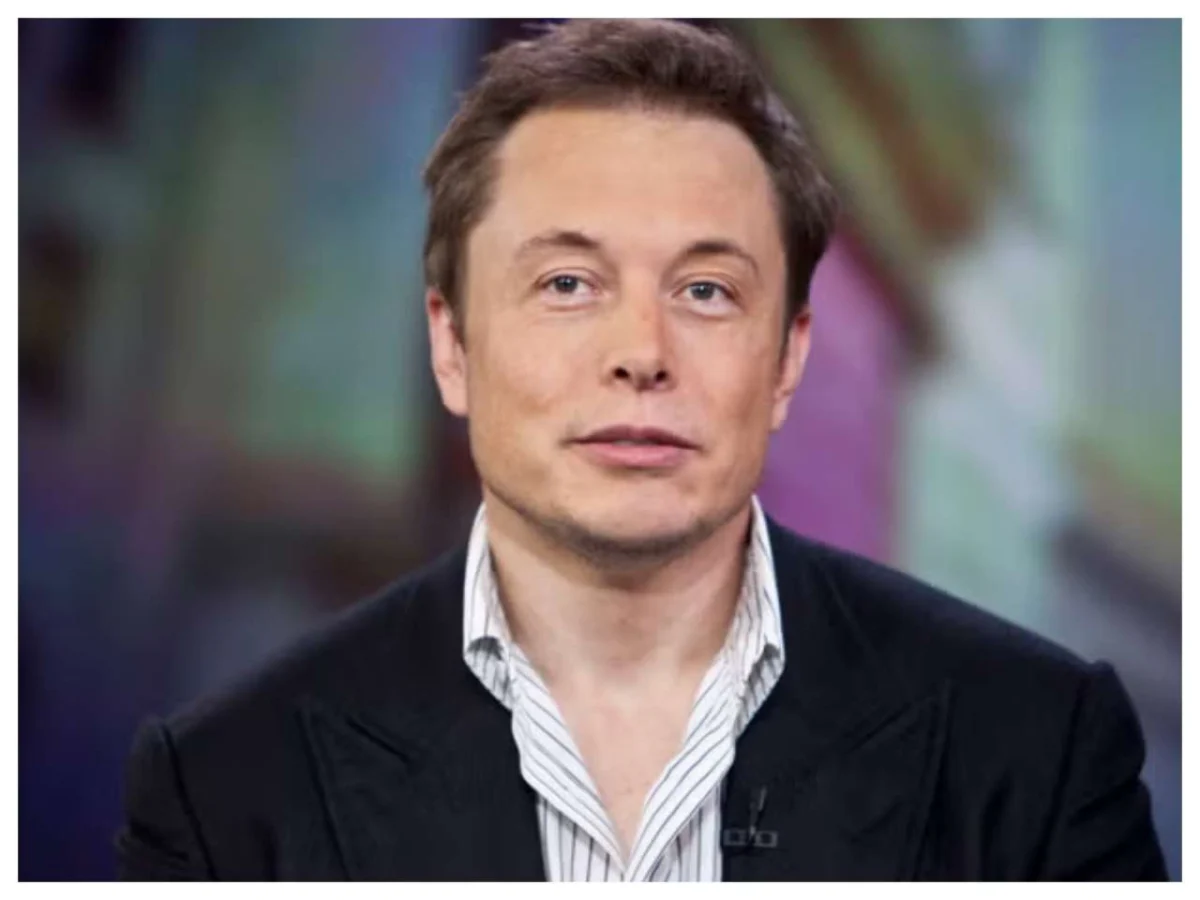
Redondo Beach, CA – In a swift and unequivocal statement that sent ripples through the technology and investment communities, Elon Musk, the visionary CEO of SpaceX, has categorically denied widespread reports suggesting his aerospace company is developing an AI-powered smartphone. Dismissing the claims as "utterly false," Musk’s decisive rebuttal aims to quash speculation that had rapidly gained traction, painting a picture of SpaceX diversifying aggressively into consumer electronics.
The denial comes amidst a fervent period of innovation in artificial intelligence, with numerous tech giants and startups vying to introduce novel AI-centric hardware. The reports, which had detailed a potential prototype featuring advanced AI from Musk’s xAI venture, a sleek design, Qualcomm Snapdragon chips, and a custom operating system, had ignited discussions about SpaceX’s strategic direction beyond its core competencies of space launch services and Starlink satellite internet. Musk’s direct intervention via his social media platform, X, however, underscores a clear delineation of SpaceX’s immediate strategic focus, at least for the time being.
Unraveling the Speculation: Main Facts of the SpaceX AI Phone Rumors
The initial reports, which emerged across various tech news outlets and social media channels, posited that SpaceX was secretly engaged in the early stages of developing a revolutionary AI-enabled smartphone. These rumors were not merely vague whispers but included specific, tantalizing details that lent them a veneer of credibility and fueled extensive debate among industry analysts and tech enthusiasts alike.
At the heart of the speculation was the idea of a device deeply integrated with advanced artificial intelligence, leveraging technologies from xAI, another one of Musk’s ambitious ventures. This integration was expected to go beyond conventional smartphone AI assistants, suggesting a deeper, more pervasive AI presence that would redefine user interaction and device capabilities. The conceptual device was rumored to feature a compact form factor, potentially even thinner than Apple’s ubiquitous iPhone, signaling an emphasis on cutting-edge design and portability.
)
Furthermore, the reports detailed specific hardware components, including the purported use of Qualcomm Snapdragon chips, a staple in high-performance Android devices, indicating a commitment to powerful processing capabilities essential for on-device AI. A custom operating system was also mentioned, hinting at a tailored software experience designed to maximize the unique AI features and potentially integrate seamlessly with SpaceX’s Starlink network. This custom OS would distinguish it from the standard Android or iOS ecosystems, offering a proprietary experience akin to what Tesla offers with its vehicle infotainment systems.
The underlying narrative suggested that this supposed AI phone was intended to be more than just a consumer gadget; it was reportedly envisioned as a prototype for investors, perhaps ahead of a future SpaceX Initial Public Offering (IPO). This strategic move would aim to showcase SpaceX’s technological breadth and potential for diversification, appealing to a broader investor base by demonstrating innovative applications of its core space and AI technologies in a consumer context. The reports also implied that while in early development, there was no guarantee of a commercial launch, acknowledging the inherent risks and challenges associated with entering the fiercely competitive smartphone market. This cautious framing, however, did little to dampen the excitement generated by the prospect of a "SpaceX phone."

A Timeline of Rumors and Responding Denial
The journey from initial whisper to emphatic denial was swift, a characteristic often seen in the fast-paced world of Elon Musk’s ventures.
Early July 2026 (Hypothetical): The first unconfirmed reports begin to surface, perhaps originating from anonymous sources within the tech industry or through speculative articles in lesser-known tech blogs. These initial leaks are vague, hinting at SpaceX’s "exploratory work" in consumer hardware, possibly leveraging its Starlink capabilities.
)
Mid-July 2026 (Hypothetical): More detailed reports emerge, picked up by larger tech news outlets. These reports begin to outline the specific features: AI integration from xAI, a custom OS, Qualcomm chips, and a focus on a sleek, compact design. The idea of a "prototype for investors ahead of a future IPO" gains prominence, lending a strategic dimension to the rumors. Social media platforms, particularly X (formerly Twitter), become hotbeds of discussion, with users speculating on the potential implications of a SpaceX-branded smartphone. Analysts weigh in, discussing the feasibility and challenges for a company primarily known for rockets and satellites to enter the consumer electronics market.
Late July 2026: The speculation reaches a fever pitch. Mainstream media outlets begin to cover the story, framing it as a significant potential expansion for SpaceX. The image of Elon Musk, a serial innovator across multiple industries, creating a new category of "AI phone" aligns with his public persona, making the rumors feel plausible to many. Graphics and mock-ups of what a "SpaceX AI phone" might look like start circulating online, further fueling the narrative.
)
July 28, 2026 (Hypothetical Date based on article’s 2026 file date): Elon Musk directly addresses the reports. Utilizing his preferred communication channel, X, Musk posts a concise yet definitive statement. His words are unambiguous: "Utterly false." This blunt dismissal leaves no room for interpretation, effectively pulling the rug out from under the burgeoning speculation. The statement is widely reported, leading to a rapid reversal of the narrative from "SpaceX is developing an AI phone" to "Elon Musk denies AI phone development." The swiftness of his denial is characteristic, often opting to personally debunk misinformation related to his companies rather than allowing it to fester.
This chronological progression highlights how quickly unverified information can spread and gain momentum in the digital age, especially when associated with high-profile figures like Elon Musk, and how equally quickly it can be dismantled by a direct, authoritative denial.
)
Supporting Data: Contextualizing the Rumors and Their Demise
The proliferation of rumors about a SpaceX AI smartphone, despite their eventual denial, was not entirely baseless when viewed through the lens of ongoing technological trends and Elon Musk’s broader business empire. Several factors contributed to the perceived plausibility of such an ambitious undertaking, even if the reality proved different.
The Vision Behind the Rumors: What a SpaceX AI Phone Could Be
The conceptual framework of a SpaceX AI phone, as detailed in the now-debunked reports, painted a compelling picture of a device that would push the boundaries of current smartphone technology. The integration of xAI’s artificial intelligence was perhaps the most intriguing aspect. Unlike existing smartphone AI, which often serves as a digital assistant or enhances specific features, a deep xAI integration could imply a device designed from the ground up to be an AI-first experience. This might involve:
)
- Proactive Intelligence: An AI that anticipates user needs, manages schedules, optimizes communication, and provides highly personalized insights without explicit prompting.
- Seamless Information Access: Leveraging Grok’s real-time information processing capabilities to offer instant, context-aware answers and summaries, potentially integrating with Starlink for unparalleled global data access.
- Advanced On-Device Processing: Minimizing reliance on cloud-based AI, ensuring greater privacy, speed, and efficiency for complex AI tasks directly on the device, powered by high-end Qualcomm Snapdragon chips.
- Custom Operating System: A proprietary OS would allow for deep integration of AI at the foundational level, offering a cohesive and unique user interface optimized for AI interactions, distinct from Android or iOS.
- Satellite Connectivity: While a "Starlink phone" was once deemed "not out of the question" by Musk, the AI phone rumors implicitly suggested a device capable of leveraging Starlink’s direct-to-cell capabilities for global connectivity, offering an unparalleled advantage in remote areas.
This vision, though now dismissed, highlights the ambitious scope that industry observers associate with Musk’s ventures and the transformative potential of blending space technology with advanced AI in a consumer device.
SpaceX’s Existing AI Ventures and the xAI Connection
One of the primary reasons the AI phone rumors gained traction was SpaceX’s demonstrable and growing emphasis on artificial intelligence across its various operations, coupled with the existence of xAI.
)
- SpaceX’s Operational AI: SpaceX heavily relies on AI and machine learning for managing its vast Starlink satellite constellation. This includes optimizing satellite placement, managing network traffic, predicting maintenance needs, and ensuring autonomous operations. AI is crucial for the precision required in rocket landings, orbital maneuvers, and future missions to Mars. The sheer scale and complexity of these operations demand sophisticated AI systems, demonstrating SpaceX’s in-house capabilities in this field.
- xAI and Grok: Elon Musk founded xAI with the explicit goal of "understanding the true nature of the universe." Its flagship product, Grok, is an AI chatbot designed to offer more nuanced, often witty, and real-time responses than its competitors, with a particular emphasis on accessing information directly from X. The existence of xAI, a dedicated AI company under Musk’s umbrella, naturally leads to speculation about how its technology might be integrated into other Musk-led ventures, including a potential consumer device. The idea of Grok being the brain of a SpaceX phone was a powerful, logical link for many.
This existing foundation of AI expertise within SpaceX and its sister company xAI provided fertile ground for the imaginative leap to an AI-powered smartphone.
The Broader AI Hardware Landscape
The reports concerning a SpaceX AI phone emerged at a time when the broader technology industry is intensely focused on developing dedicated AI hardware devices. This overarching trend lent significant context and credibility to the SpaceX rumors.
)
- Microsoft’s Wearable Prototypes: Microsoft has publicly showcased experimental wearable prototypes driven by AI. These devices aim to offer new modes of interaction, moving beyond traditional screens to more intuitive, context-aware computing experiences, often using voice and gesture.
- OpenAI and Jony Ive Collaboration: OpenAI, a leader in generative AI, has partnered with former Apple design guru Jony Ive to explore AI-focused consumer products. This collaboration, bringing together cutting-edge AI and iconic industrial design, signals a serious intent from major players to carve out a new category of AI hardware.
- Struggles of AI-First Devices (Humane, Rabbit): However, the path for dedicated AI hardware has not been smooth. Companies like Humane, with its Ai Pin, and Rabbit, with its R1 device, have launched products designed to be AI-first interfaces, aiming to replace or augment smartphones. Both have faced significant challenges in gaining widespread consumer traction. Issues such as inconsistent performance, high price points, limited functionality beyond AI queries, and questions about long-term utility have plagued these devices. Consumers often struggle to see a compelling reason to adopt a new, specialized gadget when many of its promised AI features can be replicated by advanced apps on existing smartphones.
This mixed landscape of high ambition and practical difficulties in the AI hardware sector highlights the inherent risks and uncertainties of entering this nascent market. While the potential for revolutionary AI devices is clear, the path to commercial success remains highly unpredictable.
Elon Musk’s History with "Not Out of the Question" Statements
Another element contributing to the initial plausibility of the rumors was Elon Musk’s own past statements and his public persona. Musk is known for his audacious visions and his tendency to explore unconventional ideas.
)
Notably, in the past, when asked about the possibility of a "Starlink phone," Musk had stated that it was "not out of the question." While a Starlink phone would primarily focus on satellite connectivity rather than advanced AI, this previous openness to integrating SpaceX technology into a consumer handheld device created a precedent. It demonstrated that the idea of a "phone" from a space company wasn’t entirely foreign to Musk’s thinking. His history of launching seemingly impossible projects (reusable rockets, electric cars, brain interfaces) also primes the public to believe in the most ambitious rumors surrounding his companies. This pattern of pushing boundaries, coupled with his willingness to entertain novel concepts, inadvertently fueled the latest round of smartphone speculation.
Official Responses and the Unmistakable Denial
The official response to the burgeoning rumors was singularly defined by Elon Musk’s direct and forceful denial.
)
Musk’s statement, delivered via his platform X, was concise: "Utterly false." This phrase leaves no room for ambiguity, serving as a complete repudiation of the claims. Unlike corporate press releases that often employ cautious language or deflect inquiries, Musk’s personal denial carries significant weight, signaling that the reports were entirely unfounded from his perspective as the head of SpaceX. His use of "utterly" emphasizes the absolute lack of truth in the reports, aiming to shut down speculation definitively.
In contrast, other entities mentioned in the speculative reports maintained silence. Qualcomm, whose Snapdragon chips were rumored to be integrated into the device, offered no public comment. Similarly, beyond Musk’s personal statement, SpaceX itself did not issue a formal press release or statement through its official channels regarding the matter. This lack of comment from Qualcomm is standard practice for companies not directly involved in product development, while SpaceX’s reliance on Musk’s personal X account for major announcements is also a common occurrence. The absence of corroborating statements from other potential partners or from SpaceX’s corporate communications further reinforced the notion that the rumors lacked official backing.
)
Musk’s immediate and unequivocal denial is significant. It suggests that the reports were far enough off the mark to warrant his direct attention, rather than allowing them to circulate and potentially misdirect public or investor perception of SpaceX’s core mission and strategic objectives. It also highlights his ongoing role as the primary public voice and arbiter of truth for his various enterprises.
Implications and Future Outlook
Elon Musk’s swift denial of a SpaceX AI smartphone has several immediate and long-term implications for the company, the broader tech industry, and the nascent market for AI hardware.
)
Impact on SpaceX’s Brand and Strategic Focus
Musk’s "utterly false" declaration serves to clarify SpaceX’s immediate strategic priorities. By unequivocally rejecting consumer smartphone development, SpaceX reaffirms its dedication to its core mission: advancing space technology, facilitating human spaceflight, and expanding global connectivity through Starlink. This denial helps to prevent dilution of focus and resources, ensuring that the company remains sharply aligned with its primary objectives of rocket launches, satellite internet, and ambitious interplanetary exploration. For investors, particularly those considering future IPO scenarios, this clarity can be reassuring, indicating a disciplined approach to growth rather than unfocused diversification into highly competitive consumer markets. It reinforces the image of SpaceX as a serious aerospace and communications entity, rather than a general tech conglomerate.
The Future of AI Hardware and Musk’s Role
Despite the specific denial regarding a SpaceX AI phone, the idea of advanced AI hardware, especially one leveraging technologies from xAI, is unlikely to disappear from the public imagination. Musk’s xAI venture is deeply invested in creating sophisticated artificial intelligence, and it is almost inevitable that its technologies will find applications beyond chatbots.
)
- Continued Exploration: While SpaceX may not be building a phone, other Musk companies, or future ventures, might still explore consumer-facing AI devices. The denial explicitly targets SpaceX developing a phone, not the broader concept of AI hardware from Musk’s ecosystem.
- Integration with Existing Products: It is more plausible that xAI’s technologies, like Grok, will be integrated into existing Musk-led products, such as Tesla vehicles (for advanced infotainment and autonomous driving interfaces) or even potentially through partnerships with other hardware manufacturers. This would allow xAI to reach consumers without requiring a new hardware venture.
- Market Validation: The struggles of Humane and Rabbit underscore the difficulty of creating a compelling "AI-first" device that genuinely replaces or significantly augments the smartphone. Musk’s denial, in this context, could be seen as a shrewd acknowledgment of these market realities, choosing to focus resources where impact is clearer and more aligned with existing strengths.
Investor and Market Reactions
The initial reports of a SpaceX AI phone likely sparked excitement among some investors who saw potential for massive market expansion and new revenue streams. However, the smartphone market is notoriously competitive, with slim margins and significant barriers to entry. Musk’s denial likely tempers this excitement, but also provides a more realistic outlook.
For potential investors in SpaceX, the clarity regarding its focus on space and satellite communications is likely to be a net positive. It reinforces the company’s commitment to its established value propositions, rather than diverting attention and capital to a highly speculative and risky new product category. The tech market at large will continue to watch for Musk’s next moves in AI, but will now understand that a SpaceX-branded phone is not on the immediate horizon. This also sends a signal to other AI hardware startups that the path to market adoption remains challenging, even for a brand as powerful as SpaceX or a figure as influential as Elon Musk.
)
In conclusion, Elon Musk’s definitive rejection of the SpaceX AI smartphone reports serves as a clear demarcation of the company’s current strategic boundaries. While the allure of an AI-powered device from a visionary like Musk remains strong, the immediate future for SpaceX will continue to be defined by its audacious endeavors in space exploration and global connectivity, leaving the consumer AI hardware frontier to others – at least for now.
