The Indian automotive landscape is bracing for a significant milestone as Toyota Kirloskar Motor (TKM) prepares to unveil the much-anticipated facelift of its flagship MPV, the Innova Hycross. Scheduled for an official launch on November 26, the updated model is not merely a cosmetic exercise but a strategic pivot toward sustainable energy. While the aesthetic revisions aim to keep the vehicle fresh in a competitive market, the headline act is the expected introduction of a production-ready flex-fuel hybrid powertrain—a move that could redefine the future of the Multi-Purpose Vehicle (MPV) segment in India.
Main Facts: The Evolution of a Legend
The Toyota Innova brand has enjoyed nearly two decades of dominance in India, transitioning from the rugged, body-on-frame Innova and Innova Crysta to the more sophisticated, monocoque-based Innova Hycross in late 2022. The upcoming 2027 facelift (often referred to in industry circles as the MY2025/26 update depending on market delivery) represents the mid-life refresh of the third-generation model.
Key Highlights of the Facelift:
- Launch Date: November 26, 2024.
- Primary Mechanical Update: Introduction of an E85-compatible flex-fuel strong-hybrid powertrain.
- Design Language: Revised front fascia with slimmer lighting elements and a "perforated" grille design.
- Interior Refinements: Potential infotainment upgrades and new upholstery options.
- Strategic Positioning: Preparing the ground for the eventual discontinuation of the Innova Crysta in 2027.
The Innova Hycross has already been a runaway success, with waiting periods extending beyond a year for certain hybrid variants. By introducing a flex-fuel option, Toyota is aligning itself with the Government of India’s aggressive roadmap for ethanol blending, potentially offering a vehicle that is both environmentally conscious and immune to the rising costs of traditional fossil fuels.
Chronology of Development: From Prototype to Production
The journey toward the 2027 facelift has been marked by several key milestones that signaled Toyota’s technological direction.
1. The Global Shift (2022)
Toyota launched the Innova Hycross (known as the Innova Zenix in other markets) on the TNGA-C platform. This was a radical departure from the rear-wheel-drive, diesel-heavy architecture of the Crysta, moving toward a front-wheel-drive, petrol-hybrid setup.

2. The Flex-Fuel Prototype (August 2023)
In a high-profile event attended by Union Minister Nitin Gadkari, Toyota showcased the world’s first Electrified Flex-Fuel Vehicle (FFV-SHEV) prototype based on the Innova Hycross. This prototype was designed to run on ethanol blends ranging from 20% (E20) to 85% (E85).
3. Patent Leaks and Spy Shots (Mid-2024)
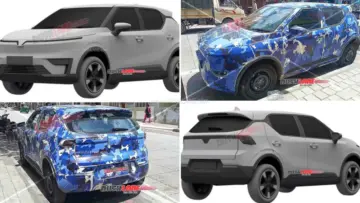
Throughout 2024, various spy shots emerged from testing facilities. These images revealed a "hammerhead" front design, similar to Toyota’s global SUV lineup. Patent drawings further confirmed a revised bumper and grille assembly, alongside a panoramic sunroof configuration that hinted at feature-rich mid-spec trims.
4. The November 26 Launch Announcement
Reports from Car and Bike and other industry sources confirmed that the official price reveal and launch would take place in late November, marking the transition of the flex-fuel technology from a laboratory concept to a showroom reality.
Supporting Data: The Mechanics of Flex-Fuel and Hybrids
To understand the significance of the upcoming Hycross, one must delve into the technical modifications required to handle high-ethanol concentrations. Ethanol is more corrosive than petrol and has a lower energy density, requiring substantial engineering changes.
Technical Modifications for E85 Compatibility:
- Fuel System: Toyota has redesigned the fuel pump, fuel filters, and fuel lines using materials resistant to the corrosive nature of ethanol.
- Engine Internals: The 2.0-litre, four-cylinder engine features modified spark plugs and piston rings to accommodate the different combustion characteristics of ethanol.
- Ethanol Sensor: A specialized sensor is integrated to detect the exact percentage of ethanol in the fuel tank, allowing the Engine Control Unit (ECU) to adjust ignition timing and fuel injection in real-time.
- Cold Start System: Since ethanol does not vaporize as easily as petrol in cold temperatures, a dedicated heating system or auxiliary start-up mechanism is included to ensure reliability in winter conditions.
Current Powertrain Performance Metrics:
The existing Hycross provides a benchmark that the facelift is expected to maintain or exceed:

- 2.0L NA Petrol: 172 hp, 205 Nm, paired with a CVT. (ARAI: 16.13 km/l).
- 2.0L Strong Hybrid: 184 hp (combined), paired with an e-CVT. (ARAI: 23.24 km/l).
The flex-fuel variant is expected to mirror the performance of the Strong Hybrid but with the added flexibility of running on cheaper, locally produced ethanol.
Official Responses and Market Expectations
While Toyota Kirloskar Motor has remained tight-lipped regarding the exact pricing of the facelifted variants, the company’s leadership has frequently emphasized its "Multiple Pathway" approach to carbon neutrality. This strategy involves offering a mix of Hybrids (SHEV), Plug-in Hybrids (PHEV), Battery Electric Vehicles (BEV), and Flex-Fuel vehicles.
Industry analysts suggest that the introduction of the flex-fuel Hycross is a proactive response to the Indian government’s push for E20 fuel by 2025. By readying an E85-capable engine, Toyota is future-proofing its most popular model against stricter emission norms and potential changes in fuel availability.
Pricing Strategy
The current price bracket for the Innova Hycross is Rs 19.53 lakh to Rs 32.95 lakh (ex-showroom). Experts anticipate a price hike of approximately Rs 50,000 to Rs 1.2 lakh for the facelifted models, especially for the high-tech flex-fuel variants. However, if the government provides GST incentives for flex-fuel vehicles—a topic currently under discussion in the Ministry of Road Transport and Highways—the on-road price could become surprisingly competitive against traditional petrol models.
Implications: The End of the Diesel Era and the Fleet Market
The November 26 launch carries implications that extend far beyond a single vehicle. It signals a shift in how Toyota intends to serve its two most loyal customer bases: private luxury buyers and the commercial fleet market.

1. The Discontinuation of the Innova Crysta
Reports indicate that Toyota will phase out the Innova Crysta by early 2027. The Crysta, powered by a 2.4-litre diesel engine, remains the darling of the fleet industry due to its low-end torque and perceived longevity. To fill this void, Toyota is reportedly working on a "Fleet-Spec" Hycross Hybrid. The facelift might introduce more utilitarian versions of the hybrid powertrain, stripped of luxury features like the Ottoman seats and JBL audio, to offer a lower entry point for taxi operators.
2. Environmental Impact
A flex-fuel hybrid represents one of the cleanest possible internal combustion setups. By combining the efficiency of a hybrid (which runs on electric power for significant portions of city driving) with a fuel source that is largely carbon-neutral (ethanol derived from sugarcane), the Hycross facelift could offer a well-to-wheel emission profile comparable to some electric vehicles.
3. Interior and Feature Upgrades
The "hidden" infotainment screen seen in spy shots suggests that Toyota is addressing one of the few criticisms of the current Hycross: the perceived quality of the user interface. An upgraded 10.1-inch or larger display with improved resolution, wireless smartphone integration, and perhaps a 360-degree camera system with better clarity is expected. Furthermore, new soft-touch materials on the dashboard and revised upholstery colors (moving away from the current Chestnut brown to perhaps a lighter "Truffle" or "Greige" palette) are on the cards.
4. Competitive Landscape
The Innova Hycross currently sits in a unique position with no direct rivals at its price point. While the Maruti Suzuki Invicto (a rebadged Hycross) offers a similar package, the Toyota badge carries a premium in the MPV segment. The facelift will help the Hycross defend its territory against upcoming three-row SUVs from Mahindra and Tata, which, while more rugged, cannot match the fuel efficiency of Toyota’s hybrid system.
Conclusion
The November 26 launch of the Toyota Innova Hycross facelift is more than just a seasonal update. It is a calculated move by the world’s largest automaker to solidify its dominance in the Indian market while navigating the complex transition toward green energy. By offering a vehicle that combines the reliability of the Innova brand, the efficiency of a strong hybrid, and the sustainability of flex-fuel technology, Toyota is setting a high bar for the rest of the industry. As the Innova Crysta prepares for its final sunset in 2027, the Hycross Facelift stands ready to take the mantle, ensuring that the "Innova" name remains synonymous with Indian road travel for another generation.