

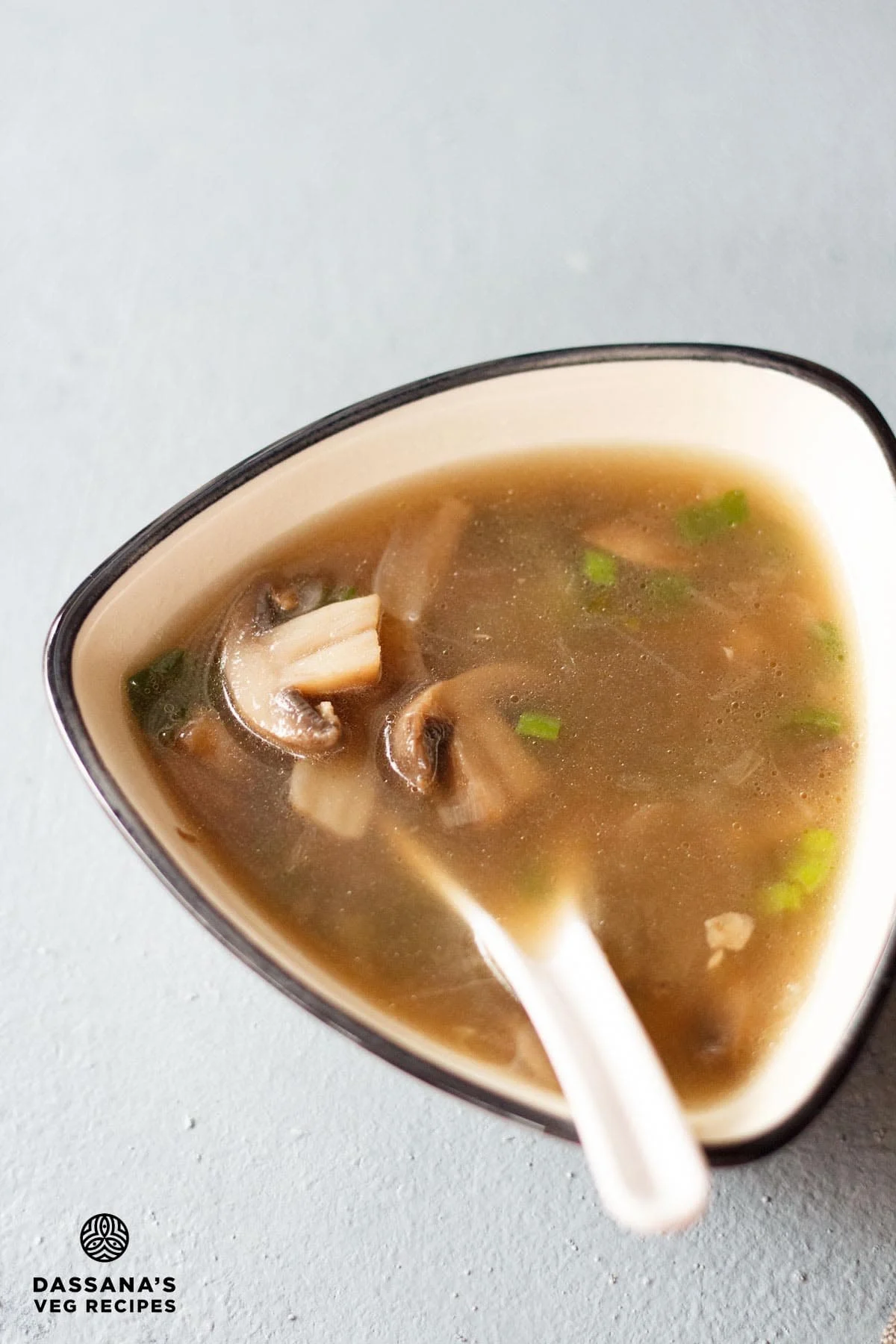
In an era defined by complex "superfood" trends and elaborate multi-step meal kits, a quiet revolution is taking place in the domestic kitchen. Culinary enthusiasts and health-conscious consumers are increasingly gravitating toward "clean-label" home cooking—dishes that rely on a handful of high-quality ingredients rather than processed additives. At the forefront of this movement is a versatile, vegan-friendly Chinese mushroom soup that has captured the attention of nutritionists and home chefs alike.
This clear, broth-based dish, which transitions from pantry to table in approximately 30 minutes, represents a shift away from the heavy, cream-laden soups of the past toward a lighter, functional form of comfort food. By utilizing the natural umami of mushrooms and the medicinal properties of aromatics like ginger and garlic, the recipe offers a nutrient-dense profile that caters to a wide array of dietary requirements, including vegan and gluten-free lifestyles.

The Core Components: A Study in Culinary Simplicity
The foundation of this Chinese soup lies in its minimalist ingredient list, which belies the depth of flavor achieved in the final product. Unlike many Western soups that rely on long-simmered bone broths or dairy bases, this recipe leverages the synergy between fresh vegetables and fermented staples.
The Mushroom Profile
The primary architecture of the soup is built upon the mushroom. While white button mushrooms are the standard recommendation due to their accessibility and mild flavor, culinary experts suggest that the dish acts as a canvas for various fungi. Cremini, shiitake, and oyster mushrooms each bring a different texture and chemical composition to the broth. Shiitakes, for instance, contribute a higher concentration of lenthionine, which provides a smoky aroma, while oyster mushrooms offer a velvety mouthfeel.

The Aromatic Trinity
The flavor profile is punctuated by what many chefs refer to as the "holy trinity" of Asian aromatics: garlic, ginger, and spring onions. These are not merely flavor agents; they are functional ingredients known for their antimicrobial and anti-inflammatory properties. When sautéed in sesame oil, these aromatics undergo the Maillard reaction, creating a fragrant base that defines the "clear but flavorful" characteristic of the soup.
The Role of Celery and Soy
A notable inclusion in this specific preparation is celery. Often overlooked in quick soups, celery provides a subtle sodium-like saltiness and a refreshing top note that balances the earthy weight of the mushrooms. The addition of naturally fermented soy sauce—or a gluten-free tamari alternative—introduces the necessary salinity and amino acids to round out the palate.

Chronology: From Preparation to the Final Simmer
The execution of this soup follows a precise chronological sequence designed to maximize flavor extraction within a condensed 30-minute window.
Phase I: The Sauté (Minutes 1–5)
The process begins with the thermal activation of the aromatics. Half a tablespoon of sesame oil is heated over medium flame, followed by the introduction of finely chopped ginger and garlic. This stage is brief but critical; the goal is to reach a state of fragrance without browning, which could introduce bitterness to the clear broth.

Phase II: Vegetable Integration (Minutes 6–10)
Once the aromatics are primed, the spring onion whites—the more pungent part of the scallion—are introduced. After a brief sauté, the sliced mushrooms and chopped celery are added. During these few minutes, the mushrooms begin to release their moisture, a process known as "sweating," which concentrates their natural sugars.
Phase III: The Broth Development (Minutes 11–25)
The introduction of liquid—either filtered water or a pre-made vegetable stock—marks the transition from sautéing to simmering. For those seeking the purest expression of the ingredients, water is preferred, as it allows the mushroom essence to dominate. The soup is simmered uncovered for several minutes before the soy sauce, black pepper, and salt are added.

Phase IV: The Final Tempering (Minutes 26–30)
The pan is covered for a final 15-minute simmer on low heat. This "closed-loop" cooking ensures the mushrooms become tender while preventing excessive evaporation of the broth. The final touch involves stirring in the spring onion greens and, optionally, a splash of rice vinegar to provide a bright, acidic finish that cuts through the earthiness of the mushrooms.
Supporting Data: Nutritional Analysis and Health Metrics
The appeal of this Chinese mushroom soup is backed by significant nutritional data. According to standardized recipe analysis, a single serving (based on a two-serving yield) contains approximately 69 calories, making it an ideal choice for weight management and calorie-controlled diets.

Macro and Micro-Nutrient Breakdown
- Protein and Fiber: Despite its lightness, the soup provides 4g of protein and 2g of dietary fiber, primarily derived from the mushroom cell walls.
- Vitamin Profile: The dish is particularly rich in B-vitamins. It provides approximately 4mg of Vitamin B3 (Niacin) and 0.4mg of Vitamin B2 (Riboflavin), both essential for energy metabolism.
- Minerals: With 437mg of potassium and 104mg of phosphorus, the soup supports electrolyte balance and bone health.
- Low Fat Content: At only 4g of total fat (and only 1g of saturated fat), the soup is a heart-healthy alternative to cream-based mushroom soups.
The Sodium Factor
One critical data point for consumers is the sodium content, which sits at approximately 781mg. This is largely attributed to the soy sauce and added salt. Culinary professionals advise that this can be mitigated by using low-sodium soy sauce or increasing the ratio of water to solids, a technique often employed by those monitoring hypertension.
Official Responses: Expert Perspectives on Broth-Based Diets
Dietitians and culinary historians have weighed in on the resurgence of clear soups like this Chinese mushroom variant.

Dr. Elena Vasquez, a clinical nutritionist, states:
"Clear broths serve a dual purpose in modern nutrition. They provide essential hydration while delivering phytonutrients in an easily digestible form. The inclusion of ginger and garlic in this specific recipe makes it an excellent ‘recovery food’ for those dealing with seasonal colds or digestive sluggishness. The low caloric density allows for high volume consumption, which can aid in satiety."
Chef Julian Thorne, a specialist in Asian-Pacific cuisine, adds:
"The beauty of this soup is its honesty. In professional kitchens, we often hide behind butter or heavy reductions. This recipe demands that the ingredients speak for themselves. The use of sesame oil as a finishing or starting fat is a classic technique that provides a ‘long’ flavor profile, meaning the taste lingers on the tongue without the need for thickeners."

Implications: The Future of "Fast" Food
The popularity of this 30-minute Chinese soup has broader implications for the food industry and consumer behavior.
The Shift to Functional Comfort
Traditionally, "comfort food" was synonymous with high-calorie, carbohydrate-heavy dishes. However, as the global population becomes more health-literate, the definition is shifting. This soup represents "functional comfort"—dishes that provide the psychological warmth of a hot meal while actively supporting bodily health.

Sustainability and Plant-Based Growth
As the environmental impact of meat consumption remains a topic of global concern, recipes that highlight mushrooms as a primary protein source are gaining traction. Mushrooms have a significantly lower environmental footprint than livestock, requiring less water and land. The fact that this recipe is naturally vegan makes it a seamless addition to the "Meatless Monday" movement and the growing flexitarian demographic.
Accessibility and Economic Efficiency
In an economy where food prices are fluctuating, the reliance on "pantry staples" (garlic, ginger, soy sauce, pepper) combined with affordable produce (mushrooms, celery) makes this dish economically accessible. It challenges the notion that healthy, gourmet-style eating requires expensive specialty ingredients or imported "superfoods."

Conclusion
The 30-minute Chinese mushroom soup is more than a simple recipe; it is a testament to the power of minimalist cooking. By focusing on the quality of the simmer and the integrity of the ingredients, home cooks can produce a meal that is nutritionally superior to many commercial alternatives. Whether served as a light starter or paired with jasmine rice and noodles for a complete meal, this clear broth stands as a benchmark for the modern culinary philosophy: that the most satisfying meals are often the ones that return to the basics.
As the seasons change—moving from the heat of summer to the dampness of the monsoon or the chill of winter—this soup remains a versatile staple, proving that true culinary elegance lies in simplicity and health.
