

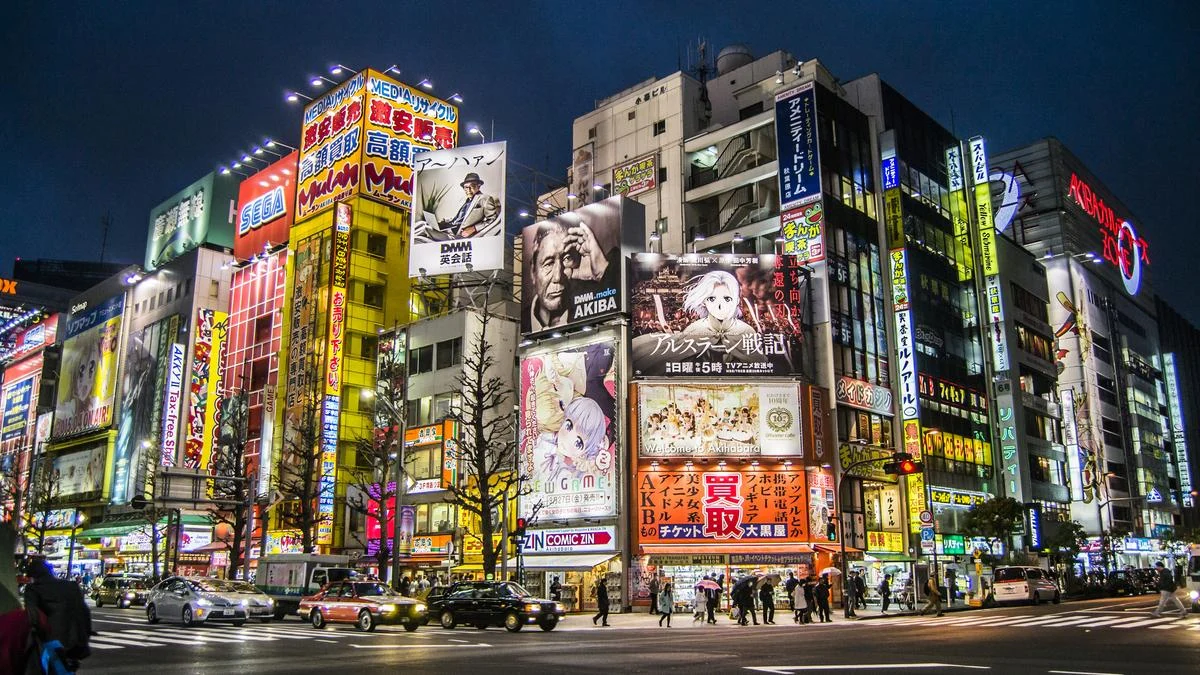
TOKYO — Tokyo is often described through the lens of its contradictions: a city that functions with the precision of a high-frequency rail network yet retains the soul of an ancient Edo-period village. For the modern traveler, the Japanese capital presents a challenge of scale. It is a metropolis that demands to be devoured sensorially, offering a "heartbeat" that fluctuates between the frenetic energy of a 40-minute cardio session and the profound stillness of a Zen garden.
As global tourism to Japan reaches record highs in the post-pandemic era, the "micro-trip"—a high-intensity, 48-hour immersion—has become a preferred format for international visitors. This report examines the logistics, cultural depth, and luxury infrastructure that allow a traveler to experience the breadth of Tokyo in just two days.
Main Facts: The 48-Hour Tokyo Framework
The quintessential Tokyo experience is built on three pillars: high-end hospitality, traditional immersion, and culinary precision.

The recent opening and maturation of luxury properties like the Four Seasons Hotel Tokyo at Otemachi have redefined the "vantage point" experience, placing travelers in the financial heart of the city with direct views of the Imperial Palace and Mount Fuji. Strategically, the city is navigated through its distinct districts—the traditional enclave of Asakusa, the retail powerhouse of Ginza, and the subterranean culinary world of Tokyo Station.
Key data points for this itinerary include:
- Total Districts Covered: 6 (Otemachi, Asakusa, Marunouchi, Kiyosumi, Toyosu, Ginza).
- Culinary Spectrum: From 100-yen konbini (convenience store) snacks to Michelin-starred French-Japanese fusion.
- Cultural Touchstones: The intersection of 7th-century Buddhist traditions and 21st-century immersive digital art.
Chronology: The 48-Hour Immersion
Day 1: Tradition, Transit, and Technology
09:00 – The Otemachi Awakening
The journey begins at the Four Seasons Hotel Tokyo at Otemachi. Located on the upper floors of a 39-story tower, the hotel serves as a literal and metaphorical overlook. On clear mornings, the "prima donna" of the Japanese landscape, Mount Fuji, is visible from floor-to-ceiling windows. Breakfast at Pigneto offers a cross-cultural buffet, ranging from Japanese staples to Italian and Thai influences, fueling the traveler for a day of high-impact exploration.

11:00 – The Heritage of Asakusa
A shift from the glass-and-steel of Otemachi to the low-rise history of Asakusa reveals Tokyo’s roots. Nakamise-dori, a 250-meter shopping street, acts as the artery to the Senso-ji Temple. Here, the economy of "street eats" thrives. Travelers encounter yokan (sweet bean paste), ningyo-yaki (doll-shaped cakes), and savory eel buns. This district represents the "Shitamachi" (low city) spirit, where traditional crafts like handmade fans and ornate chopsticks remain the primary currency.
12:00 – Spiritual Purification at Senso-ji
The iconic Kaminarimon (Thunder Gate) marks the entrance to Tokyo’s oldest temple. The ritualistic heart of the site is the large incense urn, where visitors bathe themselves in smoke for purification. The presence of locals and tourists in kimonos, secured by intricate obi sashes, underscores the city’s commitment to preserving its aesthetic history despite its modernization.
14:00 – Subterranean Gastronomy: Tokyo Ramen Street
Beneath the thundering Shinkansen tracks of Tokyo Station lies "Ramen Street," a curated collection of the city’s elite noodle shops. At establishments like Hirugao, the experience is defined by efficiency and flavor. Utilizing a vending-machine ticketing system, diners select from variations like shio (salt) ramen, featuring broth cured with premium tare sauce and served with perfectly soft-boiled eggs.

16:00 – The Silence of Kiyosumi Garden
To counter the "frenetic energy" of the city, the itinerary moves to Kiyosumi Garden. This "strolling pond" style garden, dating back to the Meiji era, features massive landscape stones sourced from across Japan. It provides a necessary psychological reset, where the only movement is the slow interaction of turtles on peripheral rocks.
19:00 – Digital Immersion at teamLab Planets
In Toyosu, the boundaries between art and spectator are dissolved. teamLab Planets offers a sensory-overdrive experience where visitors walk barefoot through knee-deep water filled with virtual koi and navigate rooms of infinite LED crystals. It is a testament to Tokyo’s role as a global leader in the "Experience Economy."
21:00 – The Alchemical Art at Virtu
The day concludes back in Otemachi at Virtu, currently ranked among the top 50 bars in the world. The menu is a sophisticated fusion of French spirits and Japanese seasonal produce, such as fig-infused cognac with Japanese black tea—a "Christmas in a glass" that exemplifies the city’s mastery of the cocktail craft.

Day 2: Lifestyle, Luxury, and Locality
09:00 – The Konbini Phenomenon
Day two begins with an exploration of Konbini culture at FamilyMart. In Japan, convenience stores are not merely functional; they are culinary destinations. The "Famichiki" (fried chicken) and creamy egg sandwiches (famously lauded by global food critics) offer a high-quality, low-cost glimpse into the daily life of the Tokyoite.
11:00 – The Imperial Seat
A visit to the Imperial Palace provides historical context. As the residence of the Emperor of Japan, the grounds follow a "Japanese Modernist" architectural style, surrounded by massive stone walls and moats that once protected the Edo Castle. It remains a focal point for local fitness enthusiasts, who utilize the 5-kilometer perimeter for long-distance running.
13:30 – The Intersection of Art and Tea
Afternoon tea in Tokyo has evolved into a high-concept art form. At The Lounge in Otemachi, the "Orsay Impressionist Exhibition" menu transforms pastries into edible homages to Monet and Renoir. Dishes like smoked salmon rillettes and vanilla bavarois are served alongside menus that resemble art brochures, bridging the gap between fine dining and gallery curation.

17:00 – Ginza’s Retail Architecture
The afternoon is dedicated to Ginza, Tokyo’s premier shopping district. From the signature "Tiger Yellow" of the Onitsuka Tiger flagship to the 12-story Uniqlo powerhouse, Ginza is a study in retail scale. Iconic department stores like Mitsukoshi and Matsuya serve as curators of both vintage and contemporary fashion, maintaining Ginza’s status as the "Fifth Avenue" of the East.
19:00 – Michelin-Starred Terroir: Est
The culinary climax occurs at Est, a one-Michelin-star restaurant led by Chef Guillaume Bracaval. The philosophy here is "Terroir," using French techniques to highlight Japanese ingredients: wagyu from Miyazaki, cheese from Hokkaido, and box-fresh seafood. The nine-course omakase serves as a bridge between two of the world’s great culinary traditions.
21:00 – The Izakaya Alleys of Yurakucho
The final hours are spent in the "Yokocho" (alleys) of Yurakucho. Tucked under the brick arches of the elevated railway, these neon-lit bars sell umeshu (plum liqueur) and short eats to a mix of "salarymen" and explorers. It is the raw, unpolished counterpart to the day’s earlier luxury—a final reminder of Tokyo’s multifaceted identity.

Supporting Data: The Economics of Tokyo Tourism
The feasibility of such a dense 48-hour itinerary is supported by Japan’s world-class infrastructure. According to data from the Japan National Tourism Organization (JNTO):
- Public Transit Efficiency: Tokyo’s rail system maintains an average delay of less than one minute, allowing for the precise scheduling seen in this itinerary.
- The Luxury Surge: The luxury hotel segment in Tokyo has seen a 25% increase in RevPAR (Revenue Per Available Room) as international travelers seek "high-touch" experiences like those offered in Otemachi.
- Culinary Density: Tokyo holds more Michelin stars than any other city in the world (over 200), making it the global capital for gastronomic tourism.
Official Responses and Hospitality Perspectives
Representatives from the luxury hospitality sector emphasize that the "48-hour traveler" is a growing demographic. A spokesperson for the Four Seasons Hotel Tokyo at Otemachi noted, "Our guests are increasingly looking for ‘condensed authenticity.’ They want the Mount Fuji view and the Michelin-starred meal, but they also want to know which local konbini has the best egg sandwich. Our role is to facilitate that spectrum."
Furthermore, urban planners in Tokyo have noted that the "Yokocho" revitalization projects (like those in Yurakucho) are intentional efforts to maintain the city’s "human scale" amidst the construction of massive skyscrapers. These areas provide the "pockets of peace and laidback bliss" that travelers crave.

Implications: The Future of the Global Megacity
The 48-hour Tokyo blueprint reveals a city that has successfully commercialized its culture without eroding its soul. The implications for the future of travel are significant:
- Hyper-Localization: Even in a globalized city, success for the tourism industry lies in "terroir"—the specific, local flavors of ingredients and experiences.
- The Digital-Physical Blend: The success of teamLab Planets suggests that future "must-see" landmarks will be digital and immersive rather than just static monuments.
- Efficiency as a Luxury: For the time-poor traveler, the greatest luxury Tokyo offers is not just a silk obi or a wagyu steak, but the logistical efficiency that allows one to experience a thousand years of history in two days.
As the writer concludes, Tokyo is a city one "devours sensorially." Whether through a dash of clarified milk in a high-end cocktail or the tart finish of a plum liqueur under a train track, the city remains a "heartbeat"—elevated, alive, and perpetually energetic.
