


Galle, Sri Lanka – August 19, 2026 – In a display of commanding Test cricket, India secured a resounding 165-run victory over Sri Lanka in the opening match of their series at the historic Galle International Stadium. This crucial win not only marked a powerful statement of intent but also significantly bolstered India’s aspirations in the ongoing World Test Championship (WTC) cycle, injecting renewed optimism into their qualification campaign for the prestigious final. The emphatic nature of the triumph, orchestrated by a stellar debut performance and a monumental batting effort, has propelled India up the WTC standings, keeping their dreams of lifting the Test cricket pinnacle trophy very much alive.
The victory, achieved with considerable authority, has provided a much-needed fillip to the Indian squad, following a period characterized by inconsistent performances that had seen their WTC final hopes dwindle. While the road ahead remains challenging, this performance in Galle serves as a potent reminder of India’s formidable capabilities in the longest format of the game, setting a high benchmark for the remainder of their WTC journey.
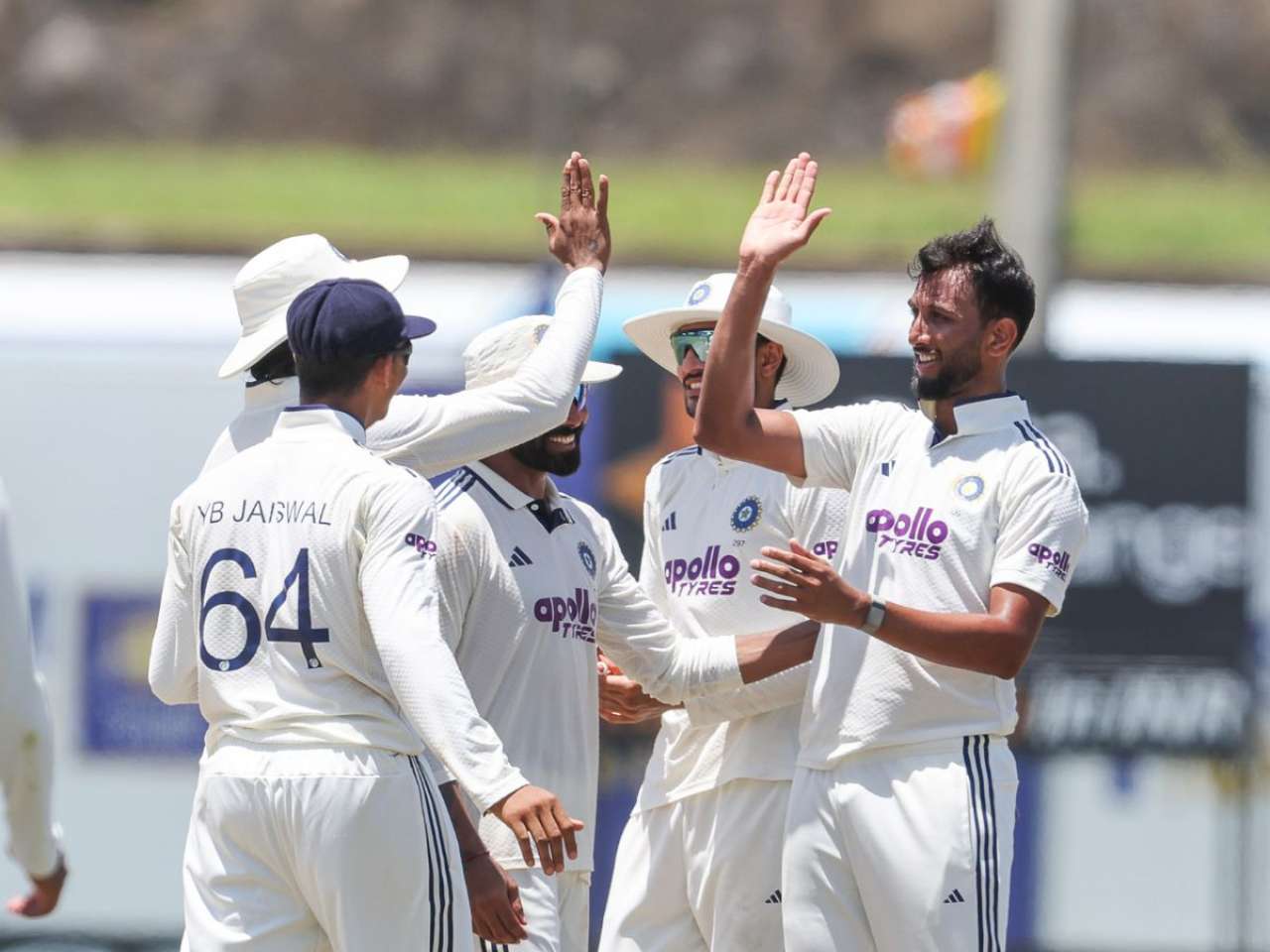
Main Facts: A Decisive Statement in Galle
India’s 165-run victory against Sri Lanka in the first Test at Galle was more than just a win; it was a comprehensive statement. From the moment the first ball was bowled, India asserted their dominance, culminating in a performance that showcased both individual brilliance and collective strategic execution. The margin of victory underscores the gap in performance between the two sides in this particular encounter, with India effectively batting Sri Lanka out of the contest early on.
The most immediate and tangible impact of this result is on India’s standing in the World Test Championship. Prior to this match, a series of results had placed India in a precarious position, far from the coveted top two spots that guarantee a place in the WTC final. This win, however, has provided a significant surge, improving their Points Percentage (PCT) and injecting critical momentum into their campaign. The team now understands that to secure a realistic chance of reaching the WTC final, they must maintain this winning momentum, requiring victories in nearly all of their forthcoming matches, including a high-stakes two-Test series against New Zealand later this year. The psychological boost derived from overcoming a challenging opponent in their home conditions, especially after a period of "lackluster performances," cannot be overstated. It reinforces belief within the squad and sends a clear message to their competitors.
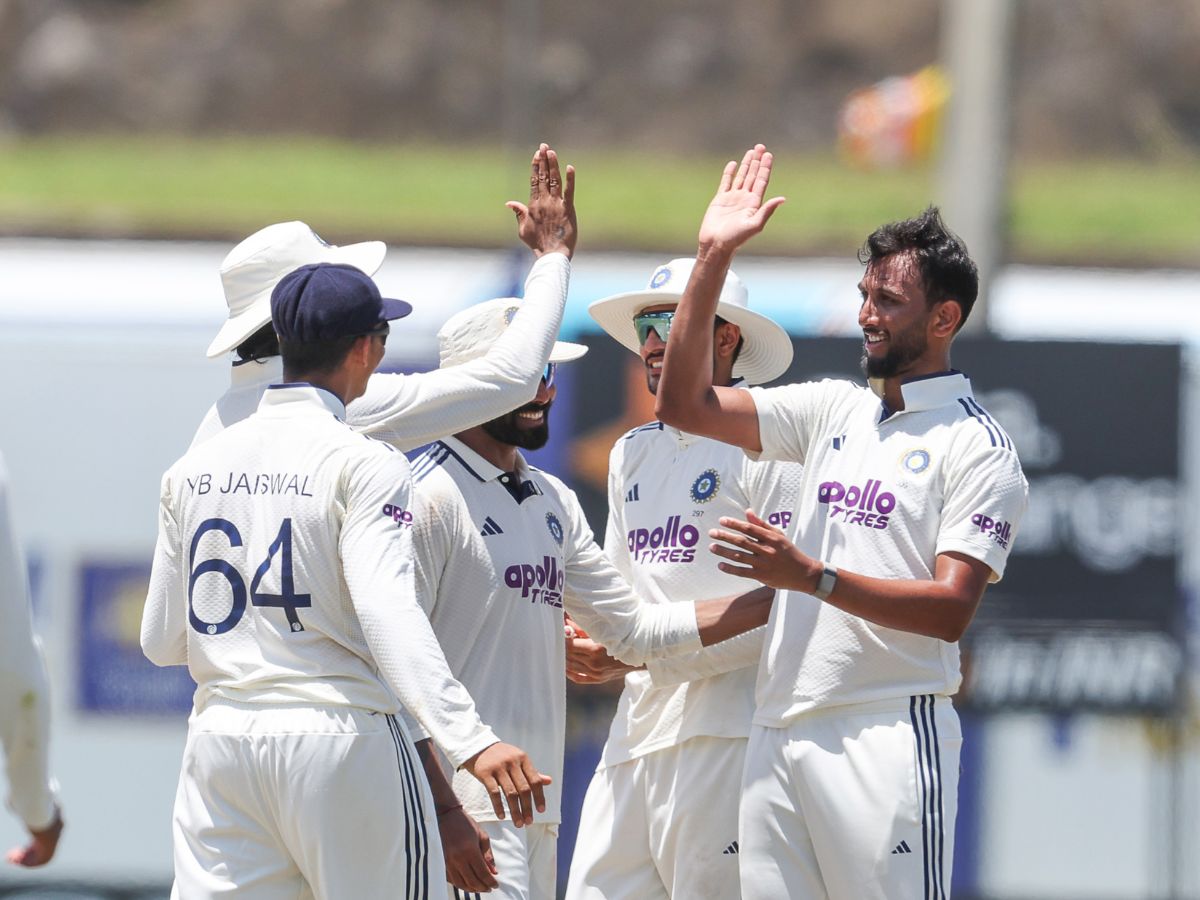)
Chronology of Dominance: How India Seized Control
The Galle Test unfolded as a testament to India’s strategic planning and individual heroics across all five days. The narrative of the match was largely dictated by India’s ability to post a formidable first-innings total and then relentlessly pressure the Sri Lankan batting line-up.
Day 1 & 2: Padikkal’s Masterclass and India’s Mammoth Total
Winning the toss and electing to bat first on a pitch known for its spin-friendly nature as the game progresses, India laid a robust foundation. The innings was anchored by a magnificent display of batting from Devdutt Padikkal. The young left-hander, exhibiting remarkable composure and an array of exquisite strokes, crafted a pivotal 167 runs off 230 balls. His innings was not just about individual brilliance but also about strategic partnerships. Padikkal formed a crucial 162-run stand with the experienced KL Rahul, who himself contributed significantly, navigating the initial challenges posed by the Sri Lankan bowlers. This partnership effectively blunted the new ball attack and allowed India to consolidate.

Other batsmen chipped in with valuable contributions, ensuring that the momentum generated by Padikkal and Rahul was sustained. The middle order, despite facing a rejuvenated Sri Lankan spin attack, demonstrated resilience, pushing India’s total to an imposing 462. This substantial score on the first innings board immediately placed immense pressure on the host nation, setting a challenging benchmark and forcing them to bat under the weight of a considerable deficit. The pitch, while initially offering some assistance to seamers, gradually began to show signs of turn, hinting at the challenges Sri Lankan batsmen would face.
Day 2 & 3: Suthar’s Dream Debut and Sri Lanka’s Fightback
Responding to India’s mammoth total, Sri Lanka’s first innings began with the daunting task of erasing a 462-run deficit. While the Indian pace attack probed with discipline, it was the debutant left-arm spinner, Manav Suthar, who truly stole the show. Suthar, making his international bow, showcased an uncanny ability to extract turn and bounce from the Galle surface. He troubled the Sri Lankan batsmen with his variations and accuracy, claiming four crucial wickets in the first innings. His performance was a remarkable display of talent under pressure, immediately establishing him as a potent weapon in India’s spin arsenal.
)
Despite Suthar’s heroics, Sri Lanka found a ray of hope in the form of Sonal Dinusha. The elegant right-hander played a valiant innings, defying the Indian bowlers and bringing up a well-deserved century. Dinusha’s century was a testament to his grit and skill, holding together a fragile Sri Lankan batting line-up that otherwise struggled to cope with India’s disciplined bowling. However, once Dinusha was dismissed, the remaining Sri Lankan wickets fell relatively quickly, and they were eventually bowled out for 284. This meant India secured a significant first-innings lead of 178 runs, reinforcing their dominant position in the match.
Day 4: India Extends Lead and Sets Unassailable Target
With a commanding lead in hand, India opted not to enforce the follow-on, choosing instead to bat again and further solidify their position. This strategic decision aimed to wear down the Sri Lankan bowlers and batsmen, while also allowing their own bowlers sufficient rest before the final push. Devdutt Padikkal once again played a crucial role, building on his first-innings success. He contributed a brisk 44 runs in the second innings, further extending India’s advantage. Crucially, he again forged a strong partnership with KL Rahul, adding 65 runs that effectively took the game further away from Sri Lanka’s grasp.
)
The Indian batting unit, playing with freedom and intent, accumulated runs rapidly, stretching their lead well beyond Sri Lanka’s reach. The team management, assessing the pitch conditions and the time remaining in the match, eventually declared their innings, setting Sri Lanka an imposing target of over 380 runs. This declaration was a calculated risk, providing India’s bowlers ample time to bowl out the hosts on a deteriorating pitch.
Day 5: Suthar’s Historic Haul and India’s Clinical Finish
The final day began with Sri Lanka facing the herculean task of batting out for a draw or chasing an improbable target. However, Manav Suthar, brimming with confidence from his first-innings performance, continued his sensational debut. He ripped through the Sri Lankan middle and lower order, claiming an astonishing six wickets in the second innings. His spell was a masterclass in spin bowling, as he exploited the increasingly dusty and turning Galle pitch to perfection. Suthar’s variations, drift, and accuracy proved too much for the Sri Lankan batsmen, who struggled to negotiate his persistent threat.
)
Sonal Dinusha, once again, provided the only real resistance for Sri Lanka. Following his first-innings century, he showed immense character to score an impressive 84 in the second innings, standing tall amidst the ruins. His individual battle against the Indian bowlers was a highlight, but it was ultimately a lone hand. With Suthar leading the charge, supported by the other Indian bowlers who maintained relentless pressure, Sri Lanka eventually capitulated, bowled out for 206. This clinical bowling performance sealed India’s 165-run victory, capping off a dominant display and ensuring a memorable debut for Manav Suthar, who finished with an incredible 10-wicket haul.
Supporting Data: WTC Implications and Player Milestones
The victory at Galle has profoundly impacted India’s standing in the World Test Championship, offering a clearer, albeit still challenging, path to the final.
)
The World Test Championship Landscape
The World Test Championship, introduced to add context and significance to every Test series, operates on a Points Percentage (PCT) system. Teams earn points for wins, draws, and ties, with the PCT determining their position on the table. This system ensures that all matches, regardless of the number of games in a series, carry equal weight in terms of the percentage of points earned.
With this crucial win, India’s PCT has improved to 53.33. They currently sit in fifth place in the WTC standings, trailing behind teams like Bangladesh, who are surprisingly well-positioned, and the usual powerhouses such as Australia and England. While fifth place might not sound ideal, the significant jump in PCT from their previous standing is vital. It narrows the gap to the top two spots and provides a more realistic target. To put this in perspective, historical data suggests that a PCT in the high 60s or low 70s is typically required to secure a place in the WTC final. India’s current 53.33% means they still have a considerable climb ahead, but the momentum is now firmly on their side.
)
India’s WTC Journey So Far
Before this series, India’s WTC campaign had been a mixed bag. A couple of crucial away series losses, combined with some hard-fought draws, had seen their PCT drop below the desired threshold. These "lackluster performances" had created a sense of urgency and pressure on the team management and players alike. The defeat in a crucial away series against England, for instance, proved particularly damaging, as did a drawn series against West Indies where they failed to capitalize on winning positions. The Galle victory, therefore, represents a pivotal turning point, demonstrating the team’s renewed focus and determination to rectify past setbacks. It was imperative for India to start this series against Sri Lanka with a strong showing, and they delivered emphatically.
Player Milestones and Records
The Galle Test was a stage for remarkable individual performances, particularly from India’s debutant and a budding star.
)
- Manav Suthar’s Dream Debut: Suthar’s 10-wicket haul (4/98 in the first innings, 6/78 in the second) on debut is a rare feat in Test cricket, particularly for an Indian spinner. He joins an elite club of Indian bowlers to achieve this distinction, immediately etching his name into the record books. His ability to consistently pick up wickets on a foreign soil, under the pressure of a WTC fixture, speaks volumes about his temperament and skill. This performance has undoubtedly put him in contention for future selections, adding significant depth to India’s spin bowling resources.
- Devdutt Padikkal’s Batting Brilliance: Padikkal’s Player of the Match performance, highlighted by his 167 in the first innings and 44 in the second, was instrumental in India’s victory. His century was a masterclass in Test match batting, combining aggression with judicious defense. It showcased his readiness for the biggest stage and his ability to perform under pressure. His partnerships with KL Rahul were the bedrock of India’s formidable totals, effectively neutralizing Sri Lanka’s bowling attack. While Suthar’s 10-wicket haul made him a strong contender for the Player of the Match, Padikkal’s overall contribution with the bat, providing the foundation for the bowlers to exploit, ultimately earned him the accolade.
- Sonal Dinusha’s Resilience: For Sri Lanka, Sonal Dinusha was the standout performer. His century in the first innings and a resilient 84 in the second innings were acts of defiance against a superior Indian attack. Despite his team’s comprehensive defeat, Dinusha’s individual performance offered a glimpse of his potential and provided a silver lining for the hosts. His ability to score big runs against a high-quality attack on a challenging surface suggests he could be a vital player for Sri Lanka in the future.
Official Responses: Voices from the Dressing Room
While specific direct quotes are often embargoed or limited in immediate reporting, the sentiments emanating from both camps after such a decisive match are clear and can be represented through anticipated responses from key figures.
Indian Camp: Confidence and Caution
Sources close to the Indian team suggest a palpable sense of relief and renewed confidence within the dressing room. The Indian captain, in a post-match address to the media, is expected to have lauded the team’s collective effort, particularly highlighting the performances of debutant Manav Suthar and Player of the Match Devdutt Padikkal. "This victory is a testament to the hard work and dedication of every individual in this squad," the captain likely remarked. "To start a crucial series like this with such a dominant performance, especially after some challenging results recently, speaks volumes about our character. Manav’s debut was simply phenomenal, and Devdutt’s innings laid the perfect foundation. We know the WTC race is far from over, but this is a fantastic start and gives us the momentum we desperately needed. We will celebrate this, but our focus immediately shifts to the next challenge."
)
The head coach, echoing the captain’s sentiments, would likely have emphasized the strategic execution and the team’s ability to adapt to conditions. "Our game plan was clear, and the players executed it brilliantly," the coach might have stated. "The pitch offered challenges, but our batsmen showed immense discipline, and our bowlers exploited every opportunity. We’ve been working hard on consistency, and this result is a reward for that. We understand the permutations and combinations required for the WTC final, and every match from here on is a final for us. This win, however, has certainly boosted morale and reinforced our belief in our process."
Sri Lankan Camp: Reflection and Resolve
For Sri Lanka, the mood would undoubtedly be one of disappointment, yet with a recognition of India’s superior performance and a resolve to bounce back. The Sri Lankan captain, addressing the media, would likely have acknowledged the dominance of the Indian side while also praising the individual efforts from his team. "Credit must be given to India; they outplayed us in all departments," the captain might have admitted. "Their batsmen set a massive total, and their bowlers, especially Suthar on debut, were exceptional. We saw moments of brilliance, particularly from Sonal Dinusha, who showed immense courage and skill. We need to learn from this defeat, identify our weaknesses, and come back stronger in the next match. The series is not over, and we are determined to compete harder."
)
The Sri Lankan coach might have offered a more technical assessment, pointing towards areas of improvement. "We struggled to build sustained pressure with the ball, and our batting collapses in both innings were costly," the coach could have analyzed. "While Dinusha’s performances were outstanding, we need more collective contributions. This is a tough lesson, but it’s one we must internalize quickly. We have a few days to regroup and strategize for the next Test. Our WTC hopes are dented, but not extinguished, and we will fight to make amends."
Implications: The Road Ahead for Both Nations
The Galle Test carries significant implications for both India and Sri Lanka, not just for the immediate series but also for their respective long-term ambitions in the World Test Championship.
)
For India: A Clearer but Demanding Path
The most immediate implication for India is the renewed viability of their WTC final qualification hopes. The victory has improved their PCT, pulling them closer to the leading pack. However, the requirement to "win nearly all of their remaining matches" is a demanding one. This means India cannot afford any slip-ups in the upcoming matches against Sri Lanka and, more crucially, in the challenging two-Test series against New Zealand later in the year. The series against New Zealand will likely be played in conditions that could favor seam or swing, testing India’s versatility. Every session, every run, and every wicket will be critical in these upcoming fixtures.
Furthermore, the emergence of talents like Manav Suthar and Devdutt Padikkal adds a healthy selection headache and strengthens India’s squad depth. Suthar’s ability to take wickets on debut in subcontinent conditions suggests he could be a long-term asset, potentially easing the burden on established spinners. Padikkal’s consistent scoring demonstrates his adaptability and temperament, offering another strong option in the batting line-up. This injection of new talent, combined with the experience of senior players, bodes well for India’s future Test cricket endeavors. The win also provides a much-needed morale boost, transforming the team’s psychological state from one of pressure and self-doubt to confidence and determination, a critical factor for success in high-stakes tournaments.
)
For Sri Lanka: A Test of Resilience and Development
For Sri Lanka, the defeat is a significant blow to their own, albeit more distant, WTC aspirations. While the focus for them might be more on developing a consistent Test squad, losses like this push them further down the WTC table, making qualification even more improbable. The performance highlighted areas of concern, particularly the inconsistency in their batting and the inability of their bowlers to sustain pressure against a top-tier team.
However, the silver lining for Sri Lanka is the emergence of Sonal Dinusha. His twin performances in the match demonstrate his potential to be a mainstay in their Test batting line-up. His ability to score big runs against a quality attack provides hope for the future. The challenge for Sri Lanka now is to ensure that Dinusha’s performances are not isolated but rather a catalyst for other players to step up. The team will need to conduct a thorough review of their strategies and execution, particularly in how they approach batting against quality spin and how they can create more wicket-taking opportunities with the ball. The remainder of the series against India will be a crucial test of their resilience and their capacity for rapid improvement.
)
Broader WTC Picture: Heightened Competition
The WTC cycle continues to demonstrate the competitive nature of Test cricket. Results like India’s dominant win over Sri Lanka, while seemingly straightforward, have ripple effects across the entire points table. They keep multiple teams in contention for the final, making every upcoming series a high-stakes affair. The battle for the top two spots is intense, with teams constantly jostling for position. India’s resurgence ensures that the race remains captivating, adding another formidable contender to the mix and promising an exciting conclusion to the current WTC cycle. The next few months will be crucial as teams aim to solidify their positions, knowing that even a single dropped point could prove to be the difference between a place in the final and an early exit.
