

Main Facts
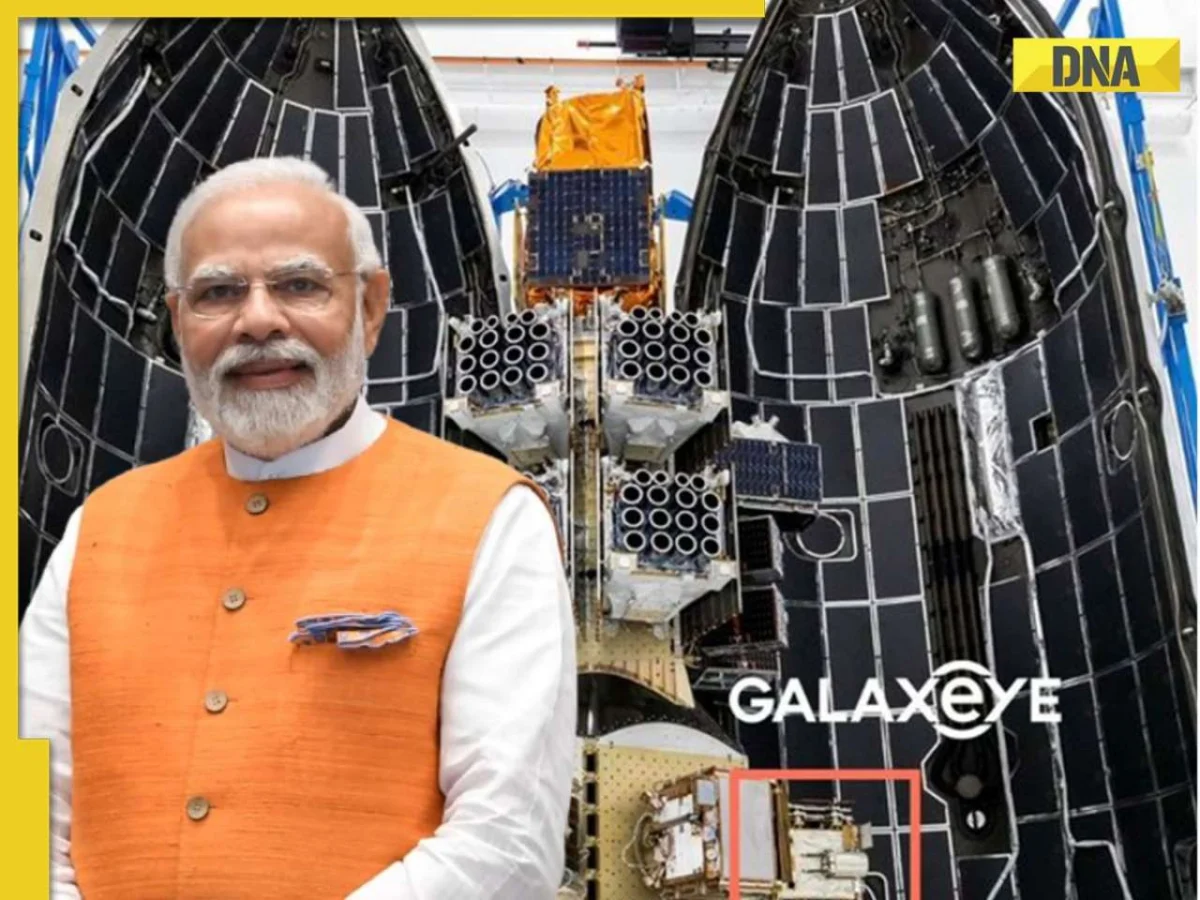
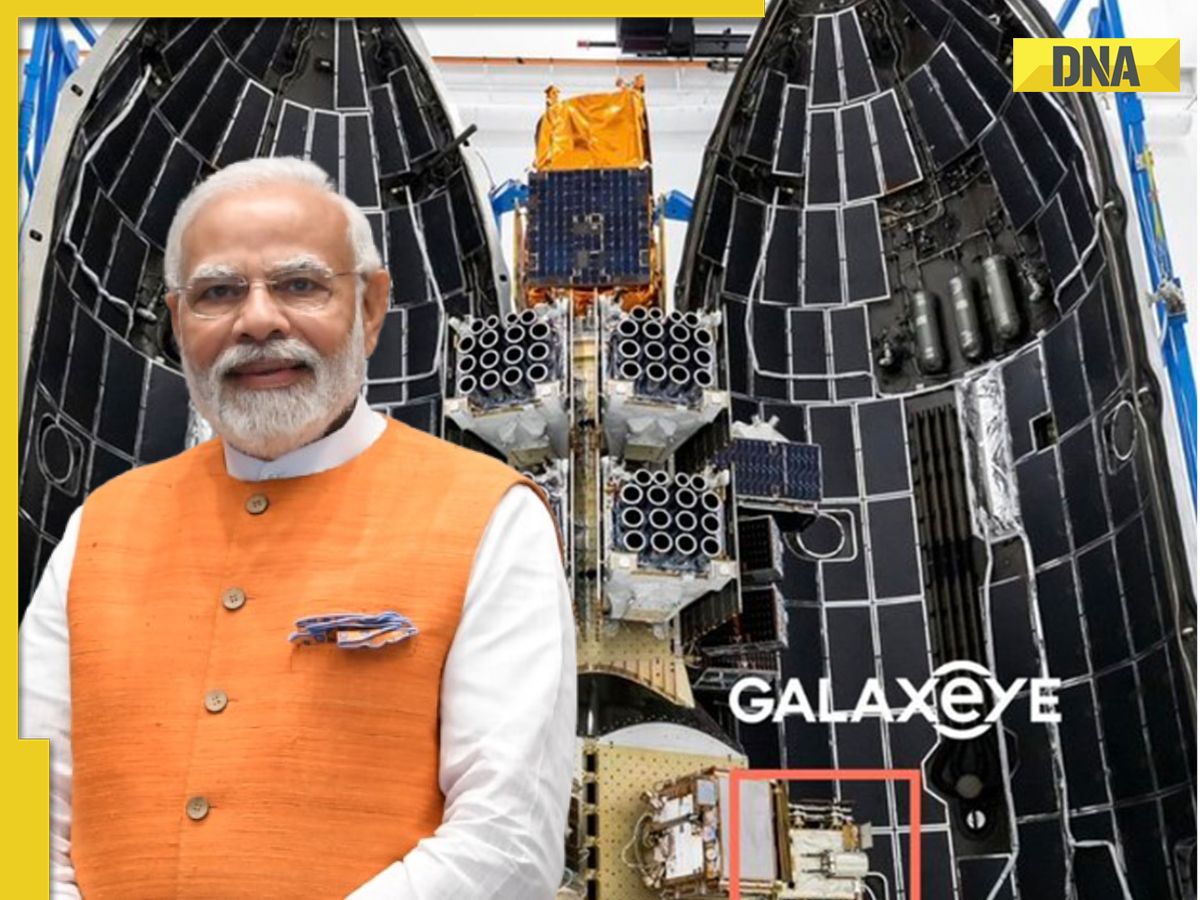
In a monumental stride that unequivocally cements India’s burgeoning status as a high-tier global space power, the successful launch of Mission Drishti on Sunday, May 3, 2026, has heralded the dawn of a transformative hybrid space ecosystem. This groundbreaking mission flawlessly marries the agile innovation of private enterprise with the strategic imperatives of national development, marking a significant inflection point in India’s journey through the cosmos.

Developed by the visionary Bengaluru-based startup GalaxEye, Mission Drishti saw its 190 kg satellite – the largest privately built spacecraft to date in India – successfully deployed into orbit aboard a SpaceX Falcon 9 rocket. The mission’s triumph is underscored by its technical centrepiece: the world’s first commercial OptoSAR technology. This pioneering system overcomes the inherent limitations of traditional Earth observation satellites by fusing optical sensors with Synthetic Aperture Radar (SAR), enabling unparalleled all-weather, day-and-night imaging capabilities.
The launch has drawn widespread accolades from the highest echelons of the Indian government and scientific community. Prime Minister Narendra Modi lauded it as "a major achievement in our space journey" and a testament to the nation’s "youth’s passion for innovation and nation-building." External Affairs Minister S. Jaishankar reinforced this sentiment, describing the feat as a "reinforcement of India’s growing global standing" and a vibrant testament to the nation’s strengthening technical and innovation ecosystems. Even the Indian Space Research Organisation (ISRO), the venerable architect of India’s space program, extended its congratulations, calling Mission Drishti a "significant milestone in India’s space journey" and a crucial step in bolstering the country’s private space sector.
)
This collaborative success, leveraging international launch capabilities while showcasing indigenous innovation, positions India not just as a consumer but as a leading provider of advanced space-based services. Mission Drishti represents a bold leap forward, offering critical data for diverse applications ranging from disaster management and climate monitoring to agriculture and strategic surveillance, thereby promising to reshape how we perceive and interact with our planet.
Chronology

The journey of Mission Drishti, while culminating in a spectacular launch on Sunday, May 3, 2026, from the Vandenberg Space Force Base in California, United States, is a story years in the making. It began in the fertile grounds of India’s burgeoning startup ecosystem, specifically in Bengaluru, a city increasingly recognized as the Silicon Valley of India and a hub for NewSpace innovation.
GalaxEye, the brainchild behind this ambitious project, was founded with a clear vision: to revolutionize Earth observation by overcoming the limitations of conventional satellite imaging. Recognizing the persistent challenges posed by cloud cover, atmospheric conditions, and the absence of light, the team embarked on developing a multi-sensor platform that could provide uninterrupted, high-resolution data. The initial conceptualization and design phases involved extensive research and development, tapping into India’s deep pool of engineering and scientific talent.
)
The development of the 190 kg satellite, a formidable undertaking for a private entity, proceeded with meticulous planning and execution. This spacecraft, now proudly holding the title of India’s largest privately built satellite, underwent rigorous testing to ensure its resilience and functionality in the harsh environment of space. The selection of SpaceX’s Falcon 9 rocket for the launch underscored a strategic decision to leverage reliable and cost-effective international launch services, a pragmatic approach increasingly adopted by emerging space players. The Falcon 9, renowned for its reusability and efficiency, provided the ideal platform for Drishti’s journey into orbit as one of the 45 payloads on the CAS500-2 mission.
The launch sequence itself was a testament to precision engineering and seamless coordination. From the final integration of the satellite onto the payload adapter to the intricate countdown procedures at Vandenberg, every step was executed flawlessly. As the Falcon 9 roared to life, ascending skyward, it carried not just a satellite, but the aspirations of a nation intent on carving out a dominant niche in the global space economy. The successful deployment into its designated orbit marked the culmination of years of dedicated effort, transforming a bold vision into an orbiting reality. This event not only signifies a triumph for GalaxEye but also for the broader "NewSpace India" movement, demonstrating the viability and potential of private Indian companies to compete on the world stage.
)
Supporting Data
The technical prowess of Mission Drishti lies primarily in its pioneering OptoSAR technology, a system that fundamentally redefines Earth observation capabilities. Traditional remote sensing satellites typically rely on either optical sensors, which capture images in visible and infrared light, or Synthetic Aperture Radar (SAR) sensors, which use microwave pulses to generate images. While optical sensors provide intuitive, high-resolution visual data, their effectiveness is severely hampered by adverse weather conditions such such as clouds, fog, and smoke, as well as by darkness. Conversely, SAR systems can penetrate these obscurants and operate independently of sunlight, offering consistent data collection, but their imagery can be more challenging to interpret intuitively and may lack the visual richness of optical data.
)
Mission Drishti’s "made-in-India" innovation brilliantly fuses these two distinct technologies onto a single commercial satellite platform. By combining optical sensors and SAR, the 190 kg spacecraft provides real-time, high-resolution images of the same location, simultaneously, irrespective of environmental impediments. This synergistic approach ensures an unprecedented level of data continuity and reliability. For instance, in an area shrouded by heavy cloud cover, where an optical satellite would return a blank image, OptoSAR can still provide detailed ground information through its SAR capabilities, complemented by any available optical data during clear periods or from other sources.
The advantages of this integrated system are multifaceted and profound.
)
- All-Weather, Day-and-Night Capability: This is the most significant breakthrough, ensuring continuous data acquisition, crucial for time-sensitive applications.
- Enhanced Data Richness: The fusion of visual and radar data provides a more comprehensive understanding of the observed phenomena, allowing for more accurate analysis and decision-making.
- Improved Object Detection and Classification: Combining the strengths of both sensor types can lead to better identification of objects, even small ones, and more precise classification of land cover, vegetation types, and surface changes.
- Reduced Data Gaps: By overcoming the limitations of single-sensor systems, OptoSAR minimizes the chances of missing critical events or changes on the Earth’s surface.
The applications for such a robust Earth observation system are vast and diverse:
- Disaster Management: Rapid and continuous monitoring of floods, wildfires, earthquakes, and other natural calamities, enabling quicker response times and more effective relief efforts. Its ability to see through smoke and clouds is invaluable for wildfire mapping and damage assessment.
- Agriculture and Forestry: Precise monitoring of crop health, yield prediction, deforestation, and water stress, aiding sustainable agricultural practices and resource management.
- Urban Planning and Infrastructure Monitoring: Tracking urban sprawl, infrastructure development, and detecting changes in critical assets like bridges and pipelines.
- Maritime Surveillance: Monitoring shipping lanes, detecting illegal fishing, and tracking icebergs, enhancing safety and security in oceans.
- Environmental Monitoring: Tracking pollution, glacial melt, changes in ecosystems, and supporting climate change research.
- Strategic and Defense Applications: Providing unparalleled intelligence, surveillance, and reconnaissance (ISR) capabilities for national security, offering continuous oversight of critical regions regardless of weather or time.
The successful orbital placement of Drishti, along with its cutting-edge OptoSAR payload, not only validates GalaxEye’s innovative engineering but also establishes a new benchmark for commercial Earth observation satellites globally. It signifies a pivotal moment where India’s private sector is not just participating but leading in the development of advanced space technologies.
)
Official Responses
The successful launch of Mission Drishti has elicited a wave of enthusiastic endorsements from India’s political leadership and its premier space agency, underscoring the mission’s national significance and its alignment with India’s broader strategic vision. These official responses highlight the growing confidence in India’s private space sector and its integral role in achieving national strategic goals.
)
Prime Minister Narendra Modi, a staunch advocate for technological advancement and indigenous innovation, was among the first to applaud the achievement. In a post on social media, he declared, "Mission Drishti by GalaxEye marks a major achievement in our space journey. The successful launch of the world’s first OptoSAR satellite and the largest privately-built satellite in India is a testament to our youth’s passion for innovation and nation-building." The Prime Minister’s remarks not only celebrate the technical triumph but also frame it within the larger narrative of youth empowerment and national progress, emphasizing how such endeavors contribute directly to India’s rise as a global power. His consistent backing of the private sector in space, through policy reforms and initiatives like IN-SPACe, has been instrumental in fostering an environment conducive to such groundbreaking achievements.
External Affairs Minister S. Jaishankar echoed this sentiment, viewing Mission Drishti through the lens of India’s escalating global influence. He described the mission as a "reinforcement of India’s growing global standing" and a vivid "testament to the strengthening of the nation’s technical and innovation ecosystems." Jaishankar’s perspective highlights the diplomatic and geopolitical dividends of such technological leaps, positioning India as a reliable and advanced partner in the international space community. The ability to offer cutting-edge Earth observation data not only serves domestic needs but also enhances India’s soft power and collaborative potential on the world stage.
)
Perhaps most significantly, the Indian Space Research Organisation (ISRO), the venerable institution that has historically spearheaded India’s space ambitions, extended its heartfelt congratulations. In a post on X, ISRO stated, "Congratulations to GalaxEye on the successful launch of Mission Drishti! A significant milestone in India’s space journey, with world’s first OptoSAR satellite and India’s largest privately built satellite, advancing all-weather Earth observation capabilities." This endorsement from ISRO is particularly meaningful, as it signals a maturing relationship between the national space agency and private players. For decades, ISRO was the sole custodian of India’s space program. Its recognition of GalaxEye’s achievement as a "significant milestone" underscores the successful transition towards a more collaborative and hybrid space ecosystem, where private entities are not merely subcontractors but innovators driving national progress. This collaborative spirit, fostered by government initiatives like the Indian National Space Promotion and Authorisation Centre (IN-SPACe) and NewSpace India Limited (NSIL), is crucial for scaling India’s space ambitions. It demonstrates a clear shift in policy, encouraging private sector participation in what was once a highly restricted domain, thereby unlocking new avenues for growth and innovation.
These official responses collectively paint a picture of a nation united in its pursuit of space excellence, recognizing that the future of space exploration and utilization lies in a dynamic partnership between government agencies and agile private enterprises.
)
Implications
The successful launch of Mission Drishti carries profound implications for India’s space sector, its economy, and its geopolitical standing. It marks a pivotal moment, signaling a fundamental transformation from a state-dominated space program to a vibrant, hybrid ecosystem where private innovation is a key driver of national strategic goals.
)
Catalyzing the Private Space Sector:
Perhaps the most immediate implication is the powerful validation it provides for India’s nascent but rapidly expanding private space sector. GalaxEye’s achievement, developing the largest privately built satellite and a world-first technology, serves as a beacon for other startups and investors. It demonstrates that Indian private companies possess the capability, talent, and vision to develop complex space hardware and services, not just as ancillaries to ISRO, but as independent innovators. This success is expected to attract further domestic and international investment into Indian NewSpace ventures, fostering job creation, technological breakthroughs, and a competitive environment that accelerates progress. Government bodies like IN-SPACe and NSIL, designed to facilitate private sector participation, will find their mandates significantly strengthened, leading to more streamlined processes and enhanced support for future private missions.
Economic Opportunities and Global Competitiveness:
Mission Drishti positions India as a significant player in the global Earth observation market, a sector projected to grow substantially in the coming decade. By offering reliable, all-weather, day-and-night imaging, India can cater to a vast array of commercial clients worldwide, including those in agriculture, infrastructure, environmental monitoring, and disaster management. This opens up avenues for exporting advanced space data and services, contributing to India’s economy and establishing it as a net provider in the space value chain. The ability to launch such advanced satellites also enhances India’s competitiveness in offering end-to-end space solutions, from satellite manufacturing to data analytics, on the global stage.
)
Strategic Advantage and National Security:
From a strategic perspective, the OptoSAR technology embedded in Mission Drishti offers an invaluable asset for national security and defense. The ability to conduct continuous surveillance regardless of cloud cover, smoke, or darkness provides unprecedented intelligence, surveillance, and reconnaissance (ISR) capabilities. This is critical for border monitoring, tracking adversarial movements, assessing conflict zones, and ensuring maritime domain awareness. Such indigenous capabilities reduce reliance on foreign satellite data, enhancing India’s strategic autonomy and bolstering its capacity to respond effectively to evolving geopolitical challenges. It also contributes to India’s role as a responsible global actor, capable of providing critical data for humanitarian aid and disaster relief operations worldwide.
Shaping the Future of Space Exploration and Utilization:
Mission Drishti is a testament to the power of fusion technology, not just in sensors but in organizational models. The "hybrid space ecosystem" model, where government agencies like ISRO collaborate with and enable private players, is becoming the global standard. India’s success with Drishti reinforces this model, demonstrating how it can lead to faster innovation cycles, more diverse applications, and ultimately, a more robust national space program. This success encourages further experimentation with novel technologies, pushing the boundaries of what’s possible in space. The mission also underscores India’s commitment to sustainable space practices, ensuring that its growing presence in orbit contributes positively to global well-being.
)
The Road Ahead: Sustaining Momentum:
While the launch is a monumental success, the journey continues. Sustaining this momentum will require continued policy support, consistent investment in R&D, and fostering a robust talent pipeline. Challenges such as ensuring long-term financial viability for private players, navigating international regulatory frameworks, and mitigating space debris will need proactive solutions. However, Mission Drishti has unequivocally set a new benchmark, propelling India into a new era of space exploration and utilization, where innovation knows no bounds and the sky is no longer the limit, but merely the beginning. India has not just launched a satellite; it has launched a new trajectory for its future in space.
