

TECHNOLOGY
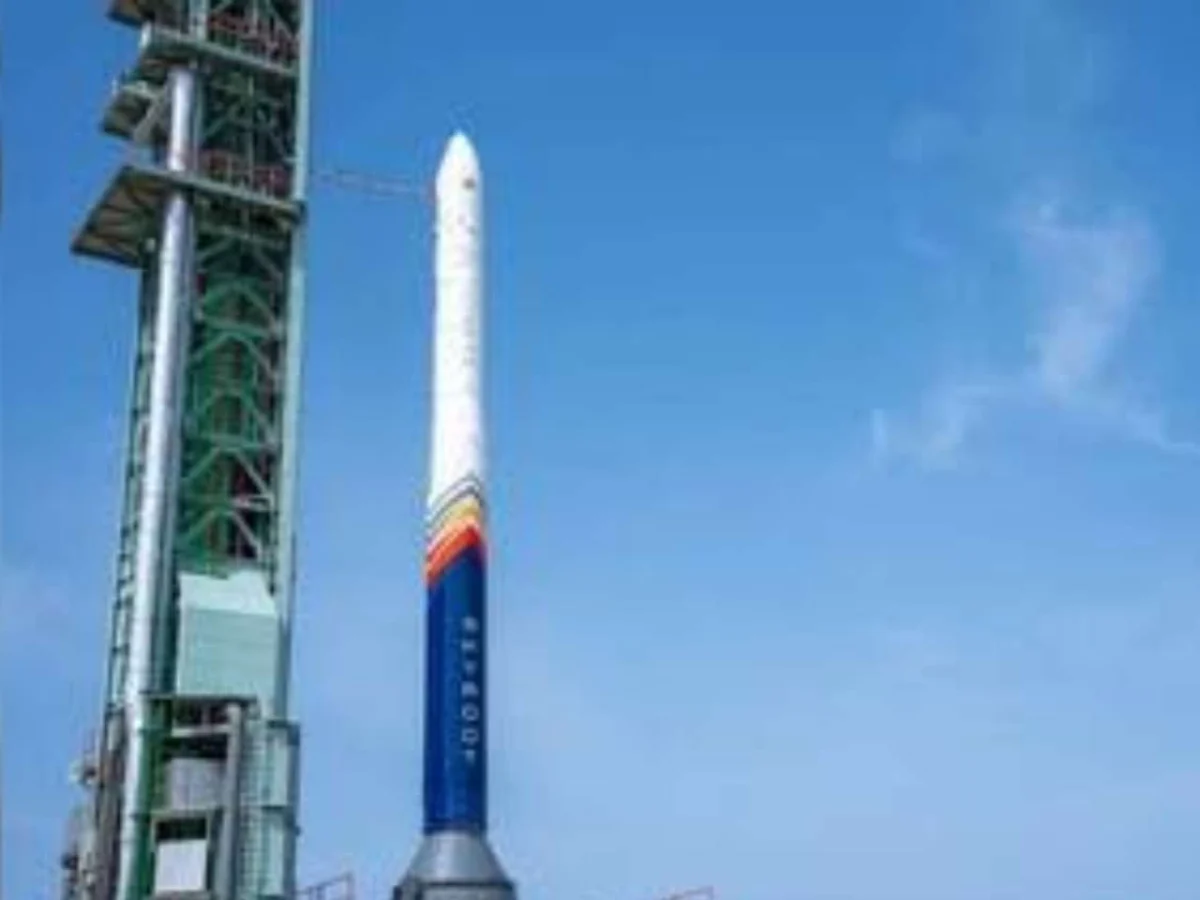
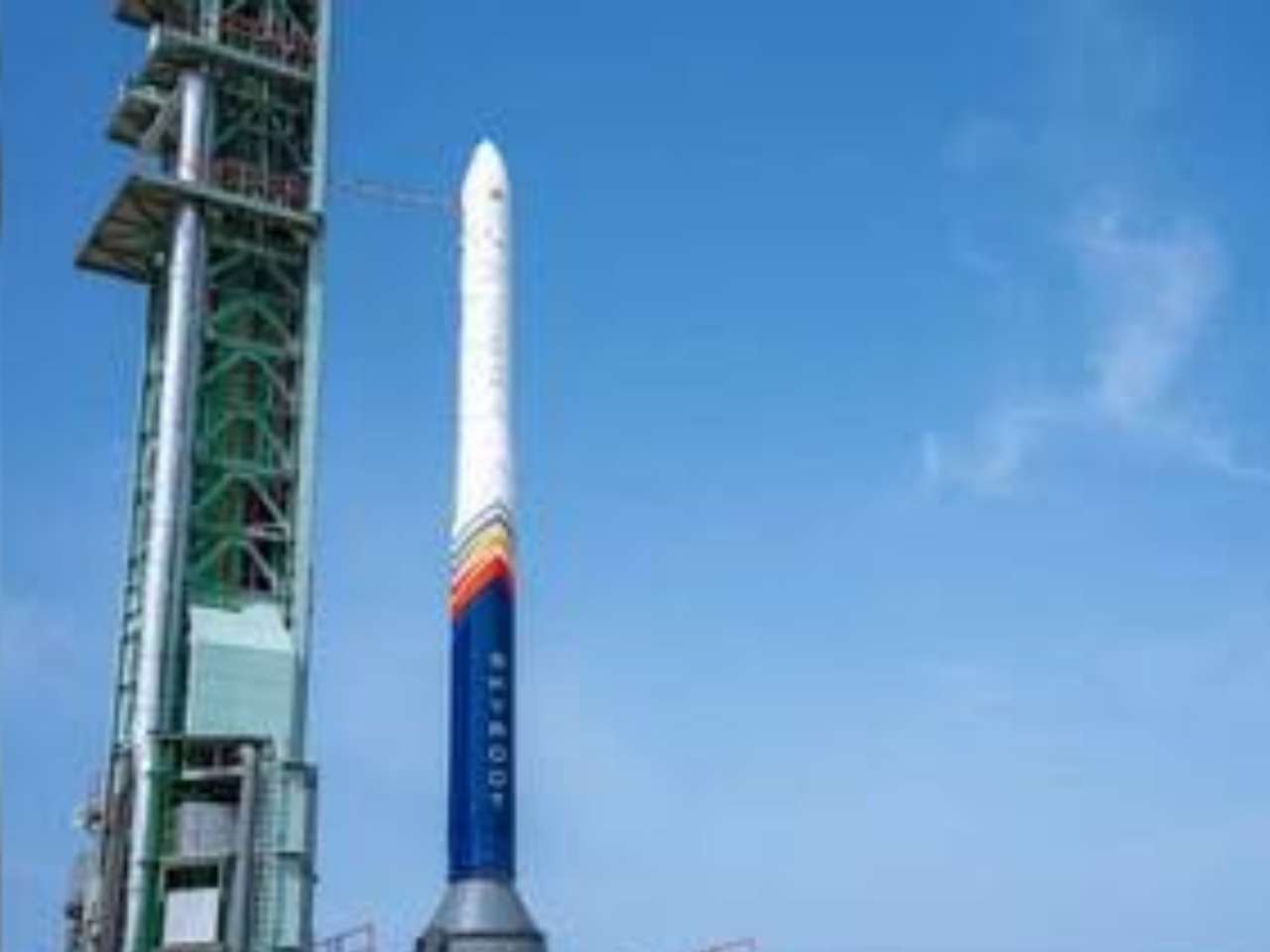
SRIHARIKOTA, INDIA – July 16, 2024 – In a monumental leap for India’s burgeoning private space sector, Skyroot Aerospace is poised to launch its Vikram-1 rocket, the nation’s first privately developed orbital launch vehicle, on July 18, 2024. The highly anticipated mission, scheduled for 11:30 am IST from the First Launch Pad at the Satish Dhawan Space Centre in Sriharikota, signifies a pivotal moment in the global space race, marking India’s decisive entry into the commercial launch services market dominated by private players.
The countdown is on for a mission that transcends mere technological achievement; it embodies the aspirations of a nation striving for self-reliance and innovation in the cosmos. Pawan Kumar Chandana, co-founder and CEO of Skyroot Aerospace, encapsulated the sentiment surrounding the impending launch, declaring the flight approval a "big moment for India." He affirmed, "After passing all tough tests, Vikram-1 is cleared to fly. This first launch is the start of our goal to open up space for everyone."
Main Facts
A New Era for Indian Space
The launch of Vikram-1 represents a paradigm shift in India’s space narrative. Historically, the Indian Space Research Organisation (ISRO), a government entity, has spearheaded the nation’s ambitious space endeavors, achieving remarkable feats from lunar missions to interplanetary probes. However, with policy reforms aimed at liberalizing the space sector, private entities like Hyderabad-based Skyroot Aerospace have emerged, bringing agile innovation and commercial viability to the fore. Vikram-1 is not just a rocket; it is a symbol of this new collaborative ecosystem, where private enterprise complements public sector prowess.
)
The Vikram-1 Mission
The primary objective of Vikram-1’s maiden flight is to gather crucial performance data across various systems – propulsion, stage separation, Guidance, Navigation, and Control (GNC), and the overall vehicle dynamics. This data will be instrumental in validating Skyroot’s design and engineering prowess, paving the way for the rocket’s transition to full-fledged commercial launch operations. The mission aims for an altitude of 450 km with a 60-degree orbital inclination, a critical test bed for future deployments of small satellites into Low Earth Orbit (LEO).
Key Players and Objectives
Skyroot Aerospace, founded by former ISRO scientists Pawan Kumar Chandana and Naga Bharath Daka, has rapidly become a frontrunner in India’s private space domain. Their vision is to provide cost-effective and reliable launch services for the burgeoning small satellite market. Chandana’s statement underscores this ambition: "On 18 July, we are eager to see how Vikram-1 performs in a real flight environment for the first time. This is our first test flight, and we will be getting valuable data from it. This will be foundational to Skyroot’s aspirations of establishing launch cadence." This focus on data acquisition for establishing a consistent launch schedule highlights their commitment to becoming a regular player in the global market.

The Rocket: Vikram-1 at a Glance
Vikram-1 is a sophisticated, seven-storey, multi-stage launch vehicle engineered to deploy small satellites weighing up to 350 kg into Low Earth Orbit. Its design incorporates cutting-edge technology, including an all-carbon composite body, which significantly reduces the vehicle’s weight while enhancing structural integrity. The rocket also boasts indigenous propulsion systems, featuring 3D-printed engines and high-thrust solid-fuel boosters. These innovations are critical for achieving both performance and cost efficiency, making it a competitive offering in the global market.
Diverse Payloads Onboard
This inaugural flight of Vikram-1 will not be an empty test. It will carry a diverse manifest of four technological demonstration payloads, showcasing both national and international collaborations:
)
- Grahaa Space’s Solaras S3 satellite: A Bengaluru-based startup incubated at the Indian Institute of Space Science and Technology (IIST), this payload represents India’s growing ecosystem of space tech startups.
- Embrace: A space-debris removal robotic arm developed by Hyderabad startup Cosmoserve Space, addressing one of the most pressing challenges in orbital sustainability.
- Skyroot’s own Scope satellite: An in-house technology demonstration, likely testing proprietary systems or future mission concepts.
- An orbital demonstration from German firm DCUBED: This international collaboration underscores the global trust and interest in India’s private launch capabilities.
Beyond these functional payloads, the mission will also carry symbolic cargo: 18-carat gold micro-sculptures of Indian scientific luminaries – Sir C.V. Raman, Dr. Vikram Sarabhai (the father of India’s space program), and Dr. A.P.J. Abdul Kalam (former President and renowned aerospace scientist). Additionally, Cosmos Diamonds’ artwork titled "Cosmic Bloom" will journey into space, blending art with scientific exploration. These gestures honor India’s rich scientific heritage and the visionaries who paved the way for such advancements.
Chronology
From Vision to Launch Pad: Skyroot’s Journey
Skyroot Aerospace was founded in 2018 by Pawan Kumar Chandana and Naga Bharath Daka, driven by a shared vision of democratizing access to space. Their journey began with the development of smaller propulsion systems and a meticulous design phase for their Vikram series of rockets. The company’s name itself, ‘Skyroot’, reflects their aspiration to reach for the skies and establish roots in the space industry. Their early years were marked by intense research and development, securing crucial funding, and building a team of dedicated aerospace engineers.
)
Milestones Leading to Vikram-1
The path to orbital flight has been paved with significant milestones. Skyroot first garnered national attention with the successful launch of its sub-orbital rocket, Vikram-S, on November 18, 2022. Christened ‘Prarambh’ (The Beginning), this mission was historic as it marked the launch of India’s first private rocket to reach space. Vikram-S demonstrated several key technologies, including a solid-fuel propulsion system and avionics, providing invaluable data and proving Skyroot’s capabilities. This success instilled confidence in the company’s approach and laid the groundwork for the more ambitious orbital mission of Vikram-1. Subsequent milestones included rigorous testing of Vikram-1’s various stages and engines, including the Kalam-100 solid rocket motor and the 3D-printed Raman liquid engines, ensuring their readiness for the demanding conditions of spaceflight.
The Day of the Launch: July 18, 2024
The final preparations for the Vikram-1 launch have been meticulously completed. All components of the seven-storey vehicle have been integrated and carefully positioned on the First Launch Pad at Sriharikota. Skyroot’s dedicated launch control centre has concluded its final system checks, establishing and verifying crucial links with all telemetry ground stations and tracking radars. Regulatory hurdles have also been cleared, with concerned authorities issuing the necessary airspace and maritime notices, formally designating restricted zones along Vikram-1’s ascent and impact corridor for launch day. This comprehensive readiness underscores the professionalism and adherence to safety protocols integral to space missions. The 11:30 am liftoff will be the culmination of years of relentless effort, bringing together the contributions of approximately 1,000 individuals, over 400 suppliers, and nearly 3,000 days of unwavering resolve.
)
Post-Launch Activities and Data Analysis
Immediately following the launch, Skyroot’s teams will be focused on monitoring the rocket’s performance in real-time. Telemetry data streaming from Vikram-1 will provide critical insights into every phase of the flight – from liftoff and ascent to stage separation and payload deployment. Post-mission, a comprehensive analysis of this data will commence. Engineers and scientists will meticulously evaluate the performance of each system against design specifications, identifying areas of success and opportunities for refinement. This iterative process of "learn, improve, and build further," as described by Naga Bharath Daka, co-founder and COO, is fundamental to Skyroot’s long-term strategy of establishing a robust and reliable launch cadence for commercial operations.
Supporting Data
Technical Specifications of Vikram-1
Vikram-1 stands as a testament to modern aerospace engineering. Its seven-storey architecture is designed for optimal performance in deploying small satellites into LEO. The rocket’s primary structural material, an all-carbon composite body, offers significant advantages over traditional metallic structures. It drastically reduces the overall mass of the vehicle, allowing for a higher payload capacity and improved fuel efficiency. This composite construction also enhances the rocket’s strength-to-weight ratio and its ability to withstand extreme temperatures and stresses during flight.
)
The propulsion system is a marvel of indigenous innovation. It includes:
- Solid-fuel boosters: The Kalam-100, a high-thrust solid rocket motor, powers the initial stages, providing the necessary thrust to overcome Earth’s gravity.
- 3D-printed liquid engines: The Raman series of liquid propulsion engines, named after Nobel laureate C.V. Raman, utilize advanced 3D printing techniques. This manufacturing method allows for complex engine geometries, reduced component count, faster production cycles, and significant cost savings compared to conventional machining. These engines are crucial for precise orbital insertion and maneuverability.
These technological choices underscore Skyroot’s commitment to leveraging cutting-edge manufacturing processes and materials to deliver a competitive and efficient launch solution.
)
Indigenous Innovation and Engineering Prowess
The development of Vikram-1 is a powerful narrative of indigenous innovation. From the advanced carbon composites to the 3D-printed engines, nearly every component and system has been designed, developed, and manufactured in India. This self-reliance reduces dependence on foreign suppliers, mitigates geopolitical risks, and ensures greater control over the supply chain and intellectual property. The ability to integrate such complex technologies, from advanced materials science to sophisticated propulsion and avionics, showcases the profound engineering talent available within India’s private sector. This ecosystem of domestic suppliers and skilled workforce is a critical asset, fostering a virtuous cycle of growth and technological advancement.
The Growing Private Space Sector in India
India’s private space sector has witnessed an unprecedented surge following government reforms initiated in 2020. The establishment of the Indian National Space Promotion and Authorization Centre (IN-SPACe) as an independent nodal agency has been pivotal. IN-SPACe acts as a single-window agency for private entities, offering guidance, facilitating access to ISRO’s facilities, and streamlining regulatory approvals. This supportive environment has encouraged numerous startups to enter the space domain, focusing on diverse areas such as launch services, satellite manufacturing, data analytics, and space tourism. Skyroot Aerospace, along with others like AgniKul Cosmos, represents the vanguard of this new wave, transforming India from a purely state-driven space power into a vibrant, multi-stakeholder space economy.
)
Market Trends in Small Satellite Launches
The global demand for small satellite launches is experiencing exponential growth. Driven by the proliferation of CubeSats and other smallsats for applications ranging from Earth observation, telecommunications, IoT, and scientific research, the market is projected to be worth tens of billions of dollars in the coming decade. Traditional heavy-lift rockets often prove to be disproportionately expensive for deploying these smaller payloads, leading to a significant market gap for dedicated small satellite launchers. Vikram-1, with its capacity to deploy up to 350 kg to LEO, is strategically positioned to capture a significant share of this rapidly expanding market, offering flexible, reliable, and cost-effective solutions to global customers.
Global Comparison: Private Space Ventures
While companies like SpaceX, Blue Origin, and Rocket Lab dominate the headlines in the private space sector, Skyroot Aerospace is emerging as a significant player in the rapidly expanding global ecosystem. Unlike the heavy-lift capabilities of SpaceX’s Falcon 9 or Blue Origin’s New Glenn, Skyroot is focused on the niche but high-demand small satellite launch market, similar to Rocket Lab’s Electron. India’s competitive advantage lies in its cost-effective engineering talent and robust manufacturing capabilities, which allow companies like Skyroot to offer services at potentially lower price points without compromising on reliability or innovation. This strategic positioning could make India a preferred destination for small satellite operators worldwide, further diversifying the global launch market and fostering healthy competition.
)
Official Responses and Industry Outlook
Statements from Skyroot Aerospace Leadership
The leadership at Skyroot Aerospace has expressed both excitement and a deep sense of responsibility regarding the Vikram-1 launch. Pawan Kumar Chandana’s reiteration of the mission as "the start of our goal to open up space for everyone" is not just a marketing slogan but a philosophical commitment to making space accessible for various applications, from scientific research to commercial ventures. Naga Bharath Daka, COO, emphasized the collective effort: "The launch represents the hopes and hard work of around 1,000 people, the contributions of over 400 suppliers, and nearly 3,000 days of resolve to build a global offering from India." This highlights the extensive ecosystem and dedication required to bring such a complex project to fruition, underscoring the profound impact of this mission on the broader Indian industrial landscape. Their focus on gathering "valuable data" for "establishing launch cadence" signals a pragmatic, long-term vision for sustainable commercial operations.
Government Support and Regulatory Frameworks
The Indian government’s proactive role in fostering private sector participation has been instrumental. The creation of IN-SPACe is a clear indication of this commitment. By acting as a facilitator and regulator, IN-SPACe ensures that private space ventures operate within established safety protocols while benefiting from streamlined approval processes and access to national space infrastructure. This supportive regulatory environment has significantly reduced entry barriers for startups, encouraging innovation and investment. The successful launch of Vikram-1 will serve as a powerful validation of these policy reforms, demonstrating that a robust private space sector can thrive under a well-defined regulatory framework, working in synergy with the established public sector.
)
Reactions from the Indian Space Research Organisation (ISRO)
While ISRO has not issued specific statements on the eve of the Vikram-1 launch, the organization has consistently expressed its support for private sector involvement. ISRO Chairman S. Somanath has, on multiple occasions, highlighted that private players are not competitors but collaborators who will expand India’s overall space capabilities. ISRO is now focusing more on deep space missions, human spaceflight, and advanced research, while encouraging the private sector to take on routine launch services and satellite manufacturing. This strategic division of labor is expected to maximize India’s potential across the entire spectrum of space activities. The success of Vikram-1 will likely be celebrated by ISRO as a collective national achievement, reinforcing India’s position as a serious global space power.
Investor Confidence and Future Funding
Skyroot Aerospace has successfully raised significant capital from both domestic and international investors, a testament to the growing confidence in India’s private space sector. Early rounds saw participation from major Indian industrial houses and venture capital firms. The success of Vikram-1 is expected to further bolster investor confidence, attracting more capital for future expansion, research and development, and scaling up manufacturing capabilities. A reliable and successful orbital launch capability is a critical benchmark for space startups, unlocking opportunities for larger funding rounds and strategic partnerships, which are essential for long-term sustainability and growth in this capital-intensive industry.
)
International Collaboration and Market Positioning
The inclusion of a payload from German firm DCUBED on Vikram-1’s maiden flight is a clear indicator of international interest and trust in India’s emerging private launch capabilities. This collaboration not only provides an opportunity for global partners to access space via Indian rockets but also positions India as a competitive player in the international launch services market. By offering cost-effective and reliable solutions, Skyroot aims to attract a diverse clientele from around the world, enhancing India’s geopolitical standing in the global space economy. The mission marks the arrival of India’s private sector in the global launch business, signalling a new era of international cooperation and competition.
Implications
Boosting India’s Space Economy
The success of Vikram-1 will be a powerful catalyst for India’s nascent space economy. It will not only generate direct revenue through commercial launch services but also foster the growth of an entire ecosystem of ancillary industries. This includes satellite manufacturing, ground segment services, data analytics, space-grade component production, and advanced materials development. The multiplier effect will create high-skilled jobs, stimulate innovation, and attract further foreign and domestic investment into the sector. The government’s ambitious goal of increasing India’s share in the global space economy from around 2% to 10% by 2030 will receive a significant boost from such private sector achievements.
)
Democratizing Access to Space
Skyroot’s stated goal to "open up space for everyone" is a profound implication of this mission. By offering more affordable and frequent launch options, Vikram-1 will democratize access to space for a wider range of users. This includes universities, research institutions, small businesses, and developing nations that may not have the resources to utilize larger, more expensive launchers. Increased access to LEO facilitates a myriad of applications, from enhanced Earth observation for climate monitoring and disaster management to expanded global connectivity through satellite constellations, ultimately benefiting humanity on Earth.
Technological Advancements and Spin-offs
The rigorous demands of developing and launching an orbital rocket push the boundaries of technological innovation. The indigenous development of advanced propulsion systems, lightweight composite materials, sophisticated avionics, and 3D printing techniques for aerospace applications will have significant spin-off benefits for other sectors. These advancements can find applications in defence, automotive, healthcare, and manufacturing, driving overall technological progress across the nation. Furthermore, the specialized skills acquired by engineers and technicians during this process will contribute to building a highly capable workforce, fostering a culture of innovation and scientific excellence.
)
Geopolitical Significance in the Space Race
In an era of increasing geopolitical competition, space capabilities are a critical measure of national power and influence. India’s emergence as a strong contender in the private launch sector enhances its strategic autonomy and strengthens its position in the global space race. By demonstrating robust indigenous capabilities, India reduces its reliance on foreign partners for launch services and can offer its own solutions to allies. This also contributes to a more diversified global launch market, reducing the monopolistic tendencies and providing greater resilience against supply chain disruptions, thus strengthening India’s soft power and diplomatic leverage on the international stage.
Future Prospects for Skyroot and Beyond
The Vikram-1 mission is merely the beginning for Skyroot Aerospace. A successful orbital debut will validate their technology and business model, enabling them to move towards establishing a regular launch cadence. The company plans to develop more powerful variants in the Vikram series, capable of carrying heavier payloads to various orbits. This success will also serve as an inspiration and blueprint for other Indian space startups, encouraging further innovation and investment in the sector. As India continues to liberalize its space policies, the collaborative ecosystem between ISRO and private players like Skyroot is set to redefine India’s space destiny, propelling the nation to new heights of exploration, innovation, and commercial success in the cosmos.
