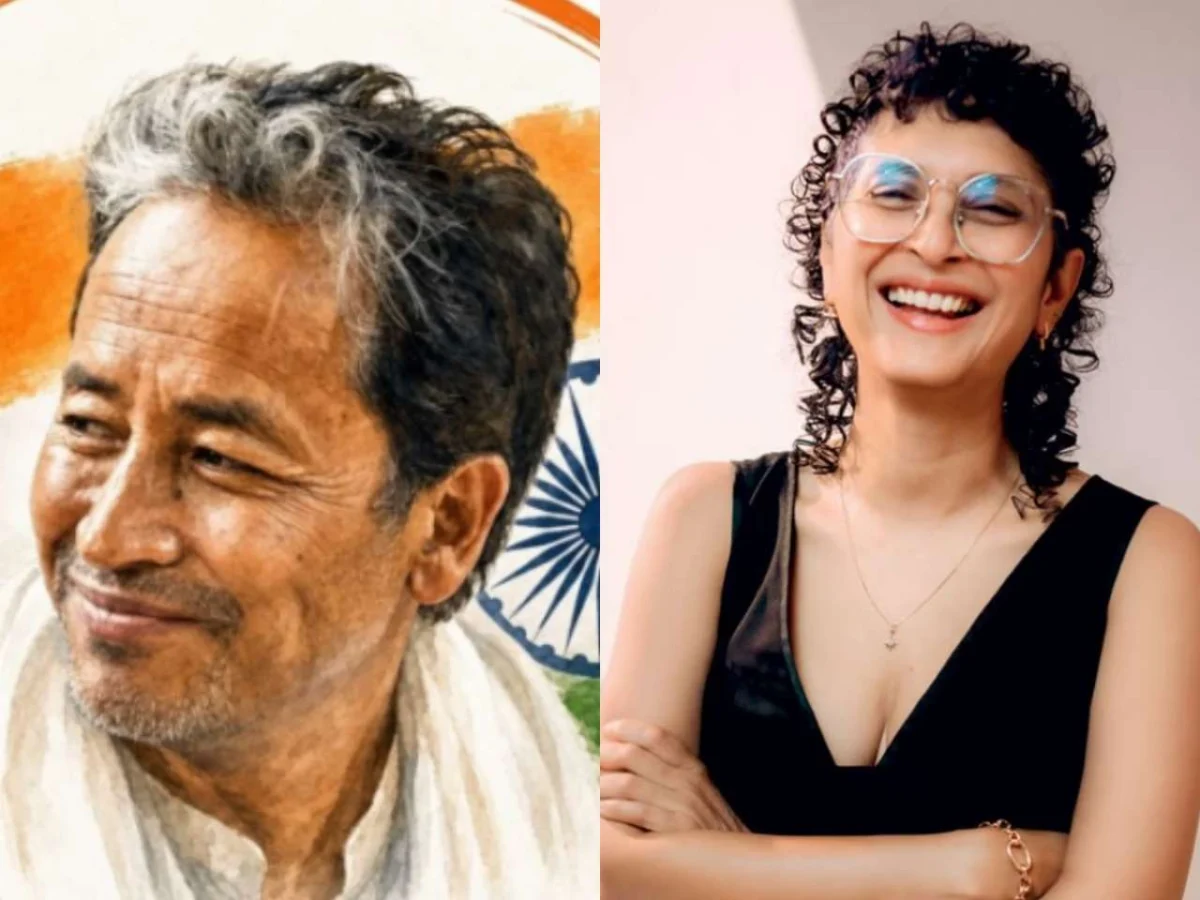
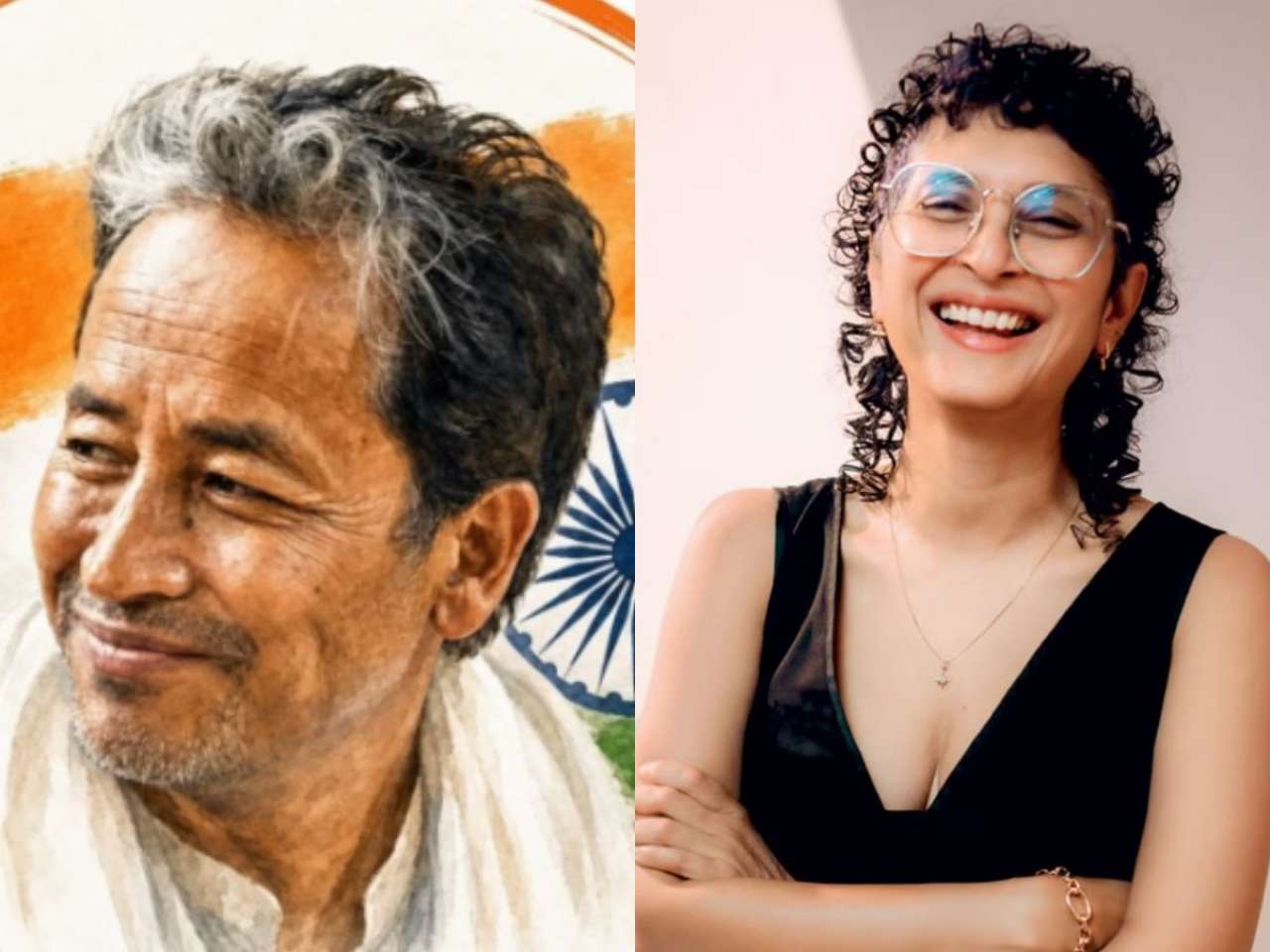
New Delhi, India – July 17, 2026 – In a powerful display of solidarity, acclaimed filmmaker Kiran Rao has publicly lent her support to environmental activist Sonam Wangchuk, who is currently on his 20th day of a hunger strike at Delhi’s Jantar Mantar. Wangchuk’s protest is focused on alleged irregularities and systemic issues plaguing the NEET-UG 2026 examination, a crucial gateway for medical aspirants across India. Rao’s vocal backing, articulated through a heartfelt Instagram post and a change in her social media profile picture, has amplified the growing chorus of concern surrounding the prolonged silence from governmental authorities.
Rao, the former wife of Bollywood superstar Aamir Khan, expressed deep distress over the government’s apparent indifference to Wangchuk’s self-imposed ordeal and the wider student grievances. Her statement, resonating with a professional yet impassioned tone, has injected a fresh wave of public attention into a protest that has, until now, struggled to elicit a substantive response from those in power.
A Call for Dialogue Amidst Growing Despair
Kiran Rao’s message, shared on July 17th, conveyed a profound sense of admiration for Wangchuk and his fellow protestors. "My salaams to Sonam ji, Neha, Maneesh, Ameen and all the others for undertaking a hunger strike to make sure that justice is served," she stated. "Our nation is indebted to you for shaking us out of our apathy and reminding us that every voice counts." This sentiment underscores the perceived ethical imperative for the government to acknowledge and address the concerns raised by the protestors, rather than allowing the situation to fester.
The filmmaker’s sharp critique was directed at the lack of official engagement. "It is so distressing to witness the complete silence that this hunger strike has been met with, even after 19 days," Rao continued, her words highlighting the increasing urgency of the situation. "What will it take for those in power to listen to the people? It is shocking and inhumane." The use of the terms "shocking" and "inhumane" signifies a strong condemnation of what she perceives as a callous disregard for the welfare of students and the democratic right to peaceful protest.
)
Rao’s appeal for dialogue is not merely a plea for communication but a demand for a meaningful engagement that acknowledges the gravity of the students’ plight. She urged the government to "start a dialogue with the protestors and understand the pain of students." This call for empathy and understanding from the ruling establishment comes at a critical juncture, as Wangchuk’s health is reportedly deteriorating.
The Chronology of a Silent Protest and Growing Support
Sonam Wangchuk, a celebrated engineer, innovator, and education reformist from Ladakh, embarked on his hunger strike on July 17th, marking the 20th day of his protest as Kiran Rao publicly voiced her support. Wangchuk’s protest is a direct response to widespread allegations of irregularities, paper leaks, and systemic flaws within the NEET-UG 2026 examination process. These allegations have cast a long shadow over the fairness and integrity of the national medical entrance exam, impacting the aspirations of millions of young Indians.

Wangchuk’s decision to undertake a hunger strike is a testament to his commitment to bringing these issues to the forefront. Historically, hunger strikes have been potent tools of civil disobedience, employed by activists to draw attention to critical social and political injustices when conventional channels of redressal have failed. His prolonged fast at Jantar Mantar, a traditional site for public protests in the capital, has served as a focal point for students, their families, and now, a growing number of public figures.
The protest has seen a gradual build-up of support, initially driven by student organizations and advocacy groups. As the days turned into weeks, and Wangchuk’s resolve remained unbroken, the movement began to attract the attention of the wider public and the media. This slow burn of public consciousness has been punctuated by the interventions of prominent personalities, each adding their voice to the demand for governmental accountability.
)
Kiran Rao’s intervention marks a significant moment in this unfolding narrative. As a respected figure in the Indian entertainment industry, her support carries considerable weight and visibility. By not only expressing solidarity but also by changing her Instagram profile picture to prominently display "I Support Sonam," she has made a clear and unambiguous statement of her alignment with the cause.
Supporting Data and Echoes of Discontent
The NEET-UG 2026 exam has been marred by a series of controversies that have fueled the protestors’ anger. Allegations of paper leaks have been particularly damning, suggesting a compromised examination process that undermines the meritocratic principles on which such crucial selection procedures are based. Reports have surfaced detailing alleged instances of question paper tampering, arbitrary grace marks awarded to certain candidates, and other irregularities that raise serious questions about the examination’s integrity.
)
These issues are not isolated incidents but rather symptomatic of deeper systemic problems within the country’s examination and testing apparatus. The sheer volume of candidates appearing for NEET-UG – often numbering in the millions – means that any flaw in the system can have a devastating impact on the future of countless students and their families. The economic and emotional investment in preparing for such exams is immense, making the perceived injustice even more profound.
The distress felt by students is palpable. Social media platforms have been flooded with testimonials from aspirants who feel betrayed and disenfranchised. The protest at Jantar Mantar is a manifestation of this collective anguish. Sonam Wangchuk, by placing himself on a hunger strike, has symbolically amplified this widespread discontent, making it impossible for authorities to ignore.
)
The support from other public figures, as mentioned in the original report, further underscores the widespread concern. Figures like Anurag Kashyap, Swara Bhasker, and Naseeruddin Shah have all lent their voices to the cause, indicating that the issues surrounding NEET-UG 2026 have transcended the immediate circle of affected students and are now resonating with a broader segment of society that values fairness and accountability. The open letter signed by numerous public figures asking the government to engage with Wangchuk and urging him to end his fast highlights a collective appeal for a peaceful resolution that prioritizes the well-being of all stakeholders.
The Government’s Silence: A Growing Concern
The most striking aspect of this unfolding situation is the perceived lack of a substantive response from the Indian government. Despite the prolonged hunger strike, the vocal support from public figures, and the widespread media attention, official channels have remained largely silent. This silence is not only frustrating for the protestors but also deeply concerning for a democratic society that relies on open communication and responsiveness from its leadership.
)
The government’s silence can be interpreted in several ways. It could be a strategic tactic, an attempt to wait out the protestors or diminish the significance of their demands. Alternatively, it might reflect a bureaucratic inertia or an underestimation of the gravity of the situation. Regardless of the underlying reasons, the absence of a dialogue or a clear plan of action has only served to exacerbate the tension and deepen the sense of disillusionment among the affected students and their supporters.
The "shocking and inhumane" nature of this silence, as described by Kiran Rao, stems from the ethical responsibility of the government to address legitimate grievances. In a democracy, the government is expected to be the first responder to the concerns of its citizens. When such a response is absent, it can lead to a perception of authoritarianism or indifference, which can have long-term implications for public trust and civic engagement.
)
Implications for Education and Democracy
The ongoing NEET-UG 2026 controversy and Sonam Wangchuk’s hunger strike carry significant implications for both the future of education in India and the health of its democratic institutions.
Implications for Education: The alleged irregularities in NEET-UG 2026 strike at the very foundation of the Indian education system. If the gateway exams are compromised, it raises questions about the quality of future medical professionals and the fairness of the selection process. This can lead to a loss of faith in the meritocratic system, potentially discouraging talented individuals from pursuing higher education or leading to a talent drain. Furthermore, the prolonged protests and the associated stress can have detrimental effects on the mental health of students, adding another layer of concern to an already challenging academic landscape.
)
Implications for Democracy: The government’s silence in the face of a peaceful hunger strike and widespread public concern tests the resilience of India’s democratic framework. The right to protest is a fundamental tenet of democracy, and the government’s response to such expressions of dissent is a crucial indicator of its commitment to democratic principles. A failure to engage with protestors, or a perceived dismissiveness towards their concerns, can erode public trust in institutions and foster a sense of alienation. The amplification of this protest by public figures like Kiran Rao underscores the role of civil society in holding power accountable. The outcome of this situation will likely set a precedent for how future grievances are addressed and whether the voices of ordinary citizens can effectively influence policy and governance.
As Sonam Wangchuk continues his fast, the nation watches with bated breath, hoping for a swift and just resolution that prioritizes transparency, fairness, and the well-being of its future generations. The call for dialogue, echoed by Kiran Rao and many others, remains the most urgent and necessary step towards alleviating the current crisis.