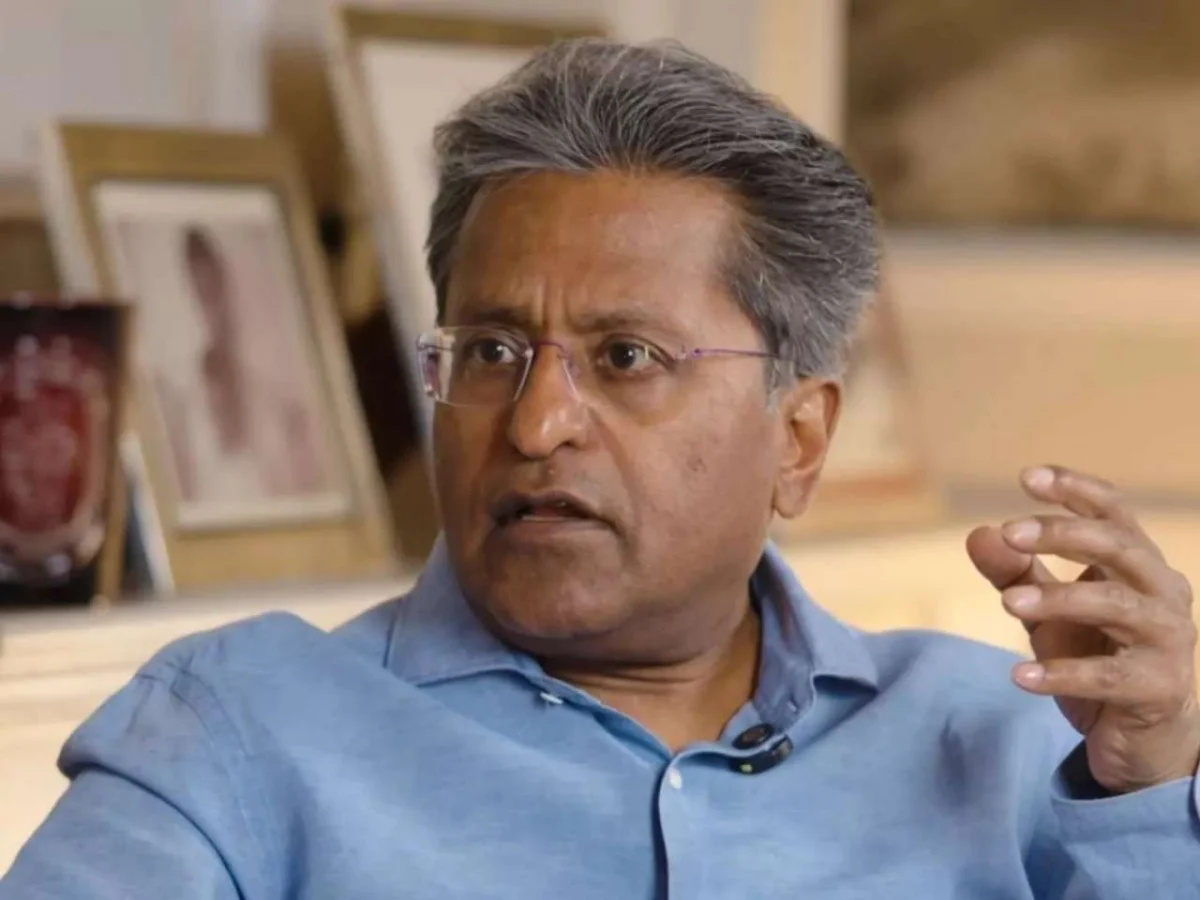
NEW DELHI, INDIA – In a startling revelation that has sent shockwaves through the global cricketing community, Lalit Modi, the controversial founder and former chairman of the Indian Premier League (IPL), has claimed that notorious underworld figure Dawood Ibrahim orchestrated three assassination attempts on his life. Modi further alleged that his son was kidnapped in London, all stemming from his steadfast refusal to allow match-fixing to infiltrate the nascent stages of the world’s most lucrative T20 cricket league.
The explosive claims, made by Modi in an interview with ANI on Thursday, paint a grim picture of the pressures and dangers he purportedly faced during his tenure at the helm of the IPL. These allegations reignite long-standing concerns about the deep-seated influence of organized crime in sports betting and raise serious questions about the security landscape surrounding high-profile figures in international cricket.
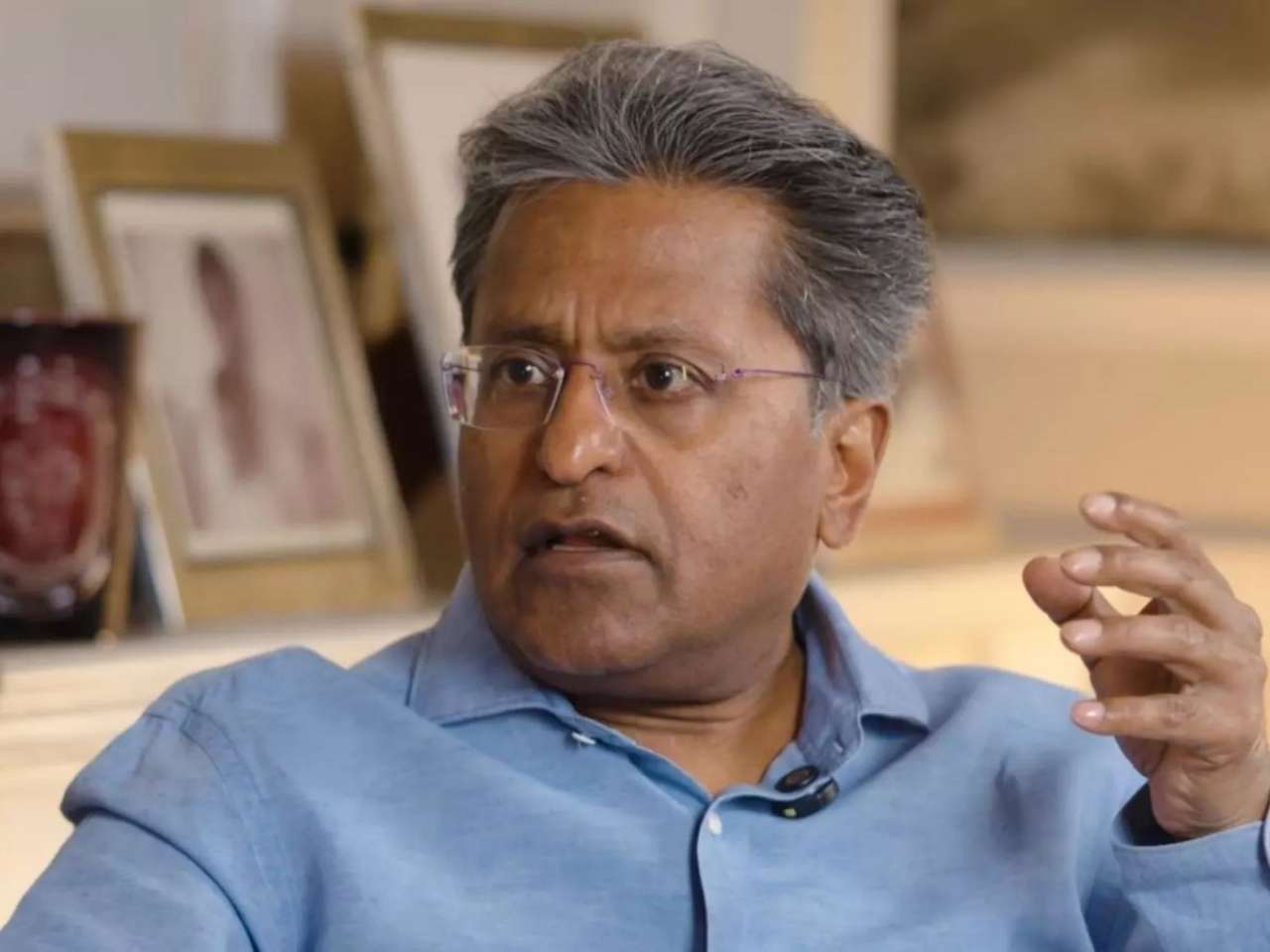
"He tried to kill me three times. Dawood himself spoke about it. He missed those three times," Modi stated, referring to the alleged attempts on his life. He linked these efforts directly to his unyielding stance against match-fixing during the IPL’s foundational years, asserting that he refused to compromise the integrity of the game despite immense pressure.
The revelations extend beyond personal threats to his family. "My son was kidnapped in London. I haven’t spoken about this before," Modi revealed, underscoring what he described as a protracted campaign of intimidation aimed at both him and his loved ones. While details surrounding the alleged kidnapping remain scarce, the claim adds a chilling dimension to his narrative of defiance against criminal elements.
)
Modi’s allegations come years after his tumultuous departure from Indian cricket administration, which saw him suspended and subsequently handed a life ban by the Board of Control for Cricket in India (BCCI) over charges of financial misconduct – allegations he has consistently denied. These new claims, however, shift the focus from his administrative controversies to a much graver threat to his personal safety and the integrity of the sport he helped revolutionize.
A Chronology of Conflict: Modi’s Rise and Perilous Tenure
Lalit Modi’s journey in cricket administration is marked by both unprecedented innovation and relentless controversy. His latest allegations provide a dark backdrop to a period that transformed the financial landscape of cricket forever.

The Genesis of the IPL and Early Success (2008-2010)
The Indian Premier League, launched in 2008, was Lalit Modi’s brainchild – a flamboyant, high-octane T20 cricket tournament designed to blend the sport’s traditional appeal with the glitz and glamour of entertainment. Under Modi’s aggressive leadership, the IPL rapidly grew into a global phenomenon, attracting top international players, massive broadcasting deals, and significant corporate investments. Its success was staggering, quickly becoming one of the most valuable sports leagues in the world.
However, this rapid ascent also brought with it immense financial stakes, creating fertile ground for external influences, particularly from illegal betting syndicates. The sheer volume of money involved in player auctions, sponsorships, and particularly, betting markets, made the IPL a prime target for those looking to exploit its vulnerabilities. Modi’s vision was to create a clean, transparent league, a stance he claims put him directly in the crosshairs of organized crime.
)
The Alleged Threats Emerge (Pre-2010)
According to Modi, the threats began almost immediately, intensifying as he stood firm against attempts to corrupt the league. He detailed three specific attempts on his life:
- Mumbai: The first alleged attempt occurred in Mumbai, India, where Modi claims there was a shootout right outside his house. He stated that the Mumbai police documented the incident and subsequently placed him under ‘Z’ security cover, typically reserved for high-risk individuals in India.
- South Africa (2009 IPL): The second alleged plot unfolded during the 2009 IPL season, which was controversially moved to South Africa due to security concerns related to India’s general elections. Modi claims that while he was in Cape Town, the South African government intercepted intelligence regarding a planned ‘hit’ on him. This incident underscores the international reach of the alleged threats.
- Montenegro: The third assassination attempt was reportedly planned in Montenegro, a country in Southeast Europe. Modi stated that Croatian border officials intercepted intelligence about this plot, preventing its execution.
These incidents, if true, reveal a sophisticated and relentless campaign by criminal syndicates, allegedly led by Dawood Ibrahim, to either eliminate Modi or force him to yield to their demands. Modi’s narrative suggests that these threats were a direct consequence of his refusal to "look away" from match-fixing, despite being offered "hundreds of millions of dollars" to do so. He remains adamant that "no fixing" occurred during his first three years at the helm of the IPL, attributing this to his unwavering vigilance.
)
The London Kidnapping Claim
Perhaps the most shocking revelation is the alleged kidnapping of his son in London. While Modi provided no further details on the timing or specific circumstances of this event, its disclosure highlights the severe personal toll and the constant fear that he and his family reportedly lived under. The claim points to an international network of intimidation, capable of reaching even in the perceived safety of a major global city like London. This specific allegation would, if substantiated, necessitate a high-level investigation by UK authorities, potentially involving international cooperation.
Modi’s Exile and BCCI Ban (2010 Onwards)
Lalit Modi’s tenure as IPL chairman came to an abrupt end in 2010. Following allegations of financial irregularities, impropriety, and mismanagement, he was suspended by the BCCI. He subsequently left India, citing security concerns, and has since resided largely in London. In 2013, the BCCI’s disciplinary committee found him guilty of eight charges, including financial misconduct and insubordination, leading to a lifetime ban from holding any cricketing post. Modi has consistently denied these charges, portraying himself as a victim of a witch hunt orchestrated by powerful forces within Indian cricket and politics. His latest claims could be seen as an attempt to reframe his narrative, positioning himself as a crusader against corruption rather than an accused administrator.
)
Supporting Data and Broader Context
Modi’s allegations, while sensational, resonate with a long-standing history of match-fixing and the alleged involvement of organized crime in cricket.
The Shadow of Match-Fixing and Underworld Influence in Cricket
Cricket, particularly limited-overs formats and T20 leagues, has long been susceptible to match-fixing and illegal betting. The sheer volume of money wagered on matches globally, often through unregulated channels, creates immense incentives for criminal elements to influence outcomes. The history of cricket is unfortunately dotted with scandals, from the Hansie Cronje affair in 2000, which exposed a widespread network of corruption involving several international players, to more recent spot-fixing controversies.
)
Dawood Ibrahim, the alleged mastermind behind the 1993 Mumbai bombings, is widely regarded as one of the world’s most dangerous fugitives. Based primarily in Pakistan, he heads the D-Company, a vast organized crime syndicate reportedly involved in everything from drug trafficking and extortion to arms smuggling and illegal betting. His alleged connections to cricket, particularly through illegal betting operations, have been a recurring theme in various investigative reports and intelligence assessments over the decades. While direct, irrefutable proof of his personal involvement in specific match-fixing instances or threats is often elusive due to the clandestine nature of his operations, his name has become synonymous with the underworld’s influence on the sport.
The 2013 IPL Spot-Fixing Scandal
The concerns about organized crime’s reach into the IPL were dramatically highlighted by the 2013 spot-fixing scandal. This controversy saw the Delhi Police arrest Rajasthan Royals players S. Sreesanth, Ajit Chandila, and Ankeet Chavan on charges of spot-fixing – a form of fixing where specific events within a match (like bowling a wide or no-ball at a predetermined time) are manipulated, rather than the entire match outcome.
)
The investigation quickly unveiled an extensive illegal betting network, operating across India and beyond, with significant financial implications. Neeraj Kumar, the then Delhi Police Commissioner, frequently spoke about the deep infiltration of these syndicates into cricket. He emphasized the sophistication and reach of these criminal enterprises, but notably, he also stated that while the nexus between betting syndicates and players was clear, investigators did not find "solid proof" directly linking Dawood Ibrahim himself to that specific scandal. This distinction is crucial: while the general influence of the underworld is acknowledged, direct prosecutable evidence linking top figures like Dawood to individual fixing incidents or threats remains a significant investigative challenge.
The Scale of the Alleged Bribes
Modi’s claim of being offered "hundreds of millions of dollars" to turn a blind eye to fixing underscores the colossal sums of money at play in illegal cricket betting. Such a figure, if true, speaks volumes about the potential profits criminal syndicates stood to gain from manipulating outcomes in the IPL. The lure of such staggering amounts can exert immense pressure on individuals, making Modi’s alleged refusal a significant act of defiance, if his account is accurate. It also highlights the extreme economic incentives that drive match-fixing, making it a persistent threat despite anti-corruption efforts.
)
Official Responses and Investigative Landscape
The gravity of Lalit Modi’s allegations necessitates a response from various authorities, yet immediate official confirmation or denial remains largely absent.
Absence of Immediate Official Confirmation/Denial
As of now, there has been no immediate official confirmation or denial from Indian law enforcement agencies, intelligence services, or London’s Metropolitan Police regarding the specific claims made by Lalit Modi. The lack of an immediate statement is not uncommon in cases involving high-profile individuals and alleged organized crime, particularly when claims date back several years and involve international jurisdictions. Verifying such claims requires extensive investigation, including reviewing old intelligence reports, police records, and potentially seeking cooperation from foreign agencies.
)
The alleged kidnapping of his son in London, if reported to UK authorities at the time, would have triggered an investigation. However, without Modi providing specific dates or details, it is challenging for law enforcement to address the claim publicly or retroactively confirm its veracity.
Past Investigations and Security Measures
Modi’s assertion that "Bombay police documented everything" and placed him on "Z security" suggests that at least some of these threats were known to Indian authorities. The ‘Z’ category security is a high level of protection provided by the Indian government, indicating a perceived credible threat. If such documentation exists, it would be a critical piece of evidence in substantiating his claims. However, details of such police reports are rarely made public.
)
Combating cross-border organized crime, particularly involving elusive figures like Dawood Ibrahim, presents immense challenges for law enforcement agencies globally. It often requires sophisticated intelligence gathering, inter-agency cooperation (both domestic and international, through bodies like Interpol), and navigating complex legal and political landscapes. The fact that the alleged threats persisted across multiple countries (India, South Africa, Montenegro, UK) points to a highly organized and resourced adversary, as claimed by Modi.
BCCI’s Stance and Modi’s Banishment
The Board of Control for Cricket in India (BCCI) has maintained a firm stance against Lalit Modi since his ban in 2013. The charges against him primarily related to financial irregularities, administrative impropriety, and lack of transparency during his time as IPL chairman. The BCCI’s official narrative has largely focused on these aspects, portraying Modi as an administrator who abused his position.
)
His latest allegations of threats from Dawood Ibrahim and a son’s kidnapping, while distinct from the financial charges, will inevitably be viewed through the lens of his past administrative disputes with the BCCI. Whether the cricket board will publicly comment on these new claims, which predate his ban and touch upon the integrity of the game’s early years, remains to be seen. Some might argue that his current statements are an attempt to deflect from his own controversies, while others might view them as a long-delayed truth coming to light. The BCCI’s silence, or a carefully worded response, will be closely watched.
Implications and Future Ramifications
Lalit Modi’s explosive allegations carry significant implications for the perception of cricket, the ongoing battle against corruption, and his own public image.
)
Impact on Cricket’s Image and Integrity
These claims, irrespective of their immediate verification, undoubtedly cast a renewed shadow over the integrity of cricket, particularly the high-stakes world of the IPL. They reinforce existing anxieties about the sport’s vulnerability to criminal elements and organized betting syndicates. For fans, it raises uncomfortable questions about the authenticity of matches and the safety of those involved in the game’s administration.
While cricket bodies like the International Cricket Council (ICC) and the BCCI have invested heavily in anti-corruption units, Modi’s allegations suggest that the threats were deeply entrenched from the very beginning of the IPL. This narrative underscores the continuous need for vigilance, robust anti-corruption measures, and transparent governance to safeguard the sport’s reputation. It also highlights the constant pressure on administrators to resist external influences that seek to corrupt the game for financial gain.
)
Modi’s Motivation for Speaking Out
The timing of Modi’s revelations, years after his departure from cricket administration and while he remains in exile, prompts questions about his motivations. Several possibilities exist:
- Clearing His Name: Modi has consistently denied the financial misconduct charges leveled against him. By revealing these alleged threats, he might be attempting to reframe his narrative, portraying himself not as a disgraced administrator but as a victim and a crusader who faced grave personal dangers for upholding the game’s integrity. This could be an effort to salvage his reputation.
- Highlighting Perceived Injustices: He may feel that his struggles against organized crime were ignored or overshadowed by the controversies that led to his ban, and he now seeks to bring those hidden battles to light.
- Re-entering Public Discourse: Such sensational claims inevitably garner significant media attention, allowing Modi to re-engage with the public and media after years of relative quiet.
- Security Concerns: It is also possible that new or ongoing security concerns have prompted him to make these public statements, perhaps as a form of protection or to draw attention to the persistent threat.
The Challenge of Verifying Claims
Verifying claims made years after the fact, especially those involving elusive figures like Dawood Ibrahim and international criminal networks, presents an immense challenge for media and authorities alike. Memories fade, evidence can be lost or become difficult to access, and the nature of organized crime makes direct substantiation often impossible without active and ongoing investigations. Without further concrete evidence from Modi or official confirmation from involved agencies, these allegations will largely remain in the realm of unproven claims, albeit extremely serious ones. The burden of proof now rests heavily on Modi to provide more specific details and corroborating evidence.
)
The Unfolding Narrative
Lalit Modi’s claims have opened a new chapter in the ongoing saga of cricket and corruption. It remains to be seen whether Indian or international authorities will launch fresh investigations based on these allegations, or if Modi himself will provide more detailed evidence to support his statements. The cricketing world, already grappling with issues of integrity and transparency, will undoubtedly watch closely as this extraordinary narrative unfolds, eager for clarity on the true extent of the underworld’s alleged reach into the heart of the game. The legacy of the IPL, a league synonymous with both cricketing brilliance and administrative controversy, continues to be written, now with an even darker and more dangerous undertone.