

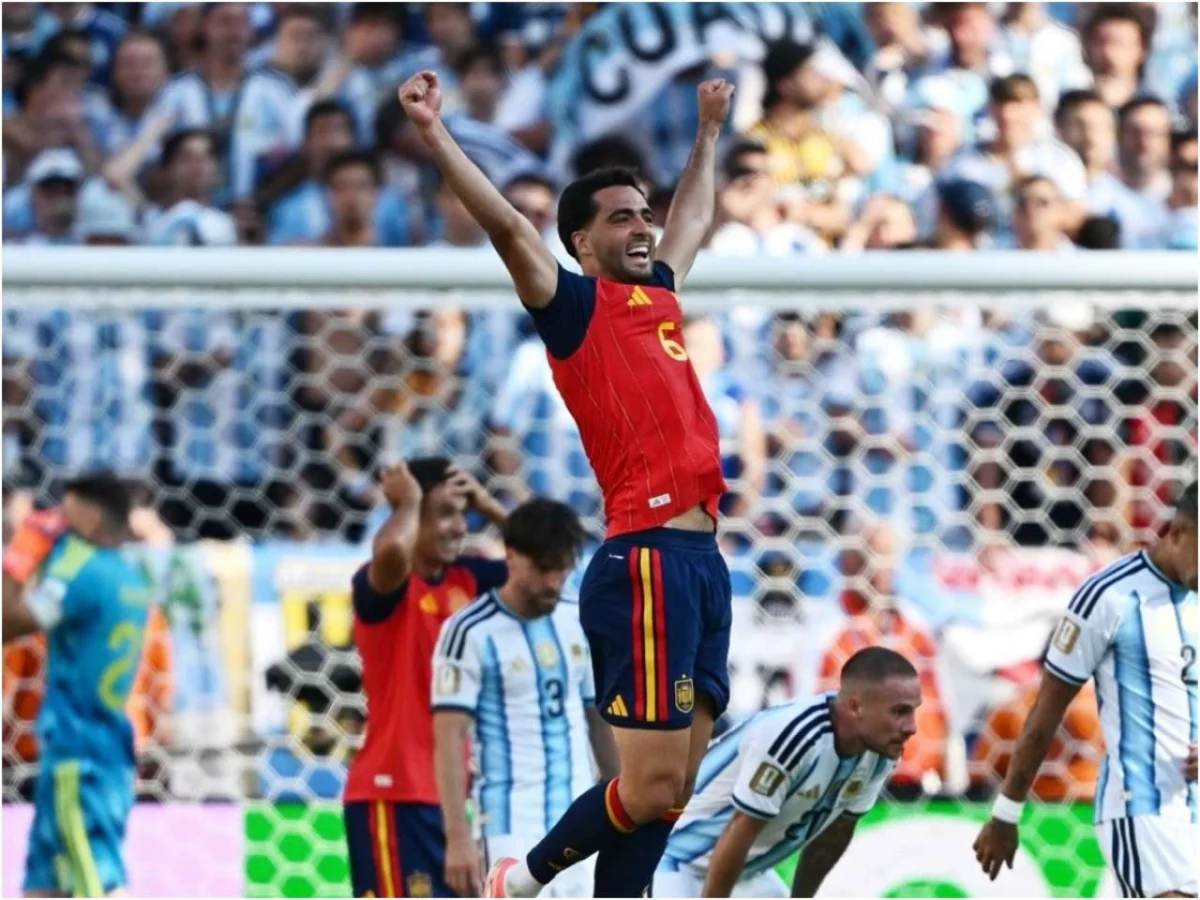
VANCOUVER, CANADA – July 20, 2026 – In a display of footballing dominance rarely witnessed on the grandest stage, Spain has etched its name into the annals of history, clinching the FIFA World Cup 2026 title with an immaculate record. From the sun-drenched stadiums of the group stage to the electric atmosphere of the final in Vancouver, La Roja remained an unyielding force, navigating eight challenging encounters without a single defeat. Their triumph, sealed with a hard-fought 1-0 victory over defending champions Argentina, marks Spain’s second World Cup crown, sixteen years after their maiden triumph in South Africa.
This wasn’t just a victory; it was a statement. A testament to a meticulously crafted tactical philosophy, an unwavering team spirit, and a new generation of Spanish talent that blended the revered possession-based approach with an unprecedented defensive solidity. Conceding a mere single goal throughout the entire tournament – a near-record feat – Spain showcased a complete footballing package that left opponents bewildered and fans enthralled. The journey was arduous, filled with moments of tension and brilliance, but the outcome was never in doubt for a team that exuded confidence from the very first whistle.
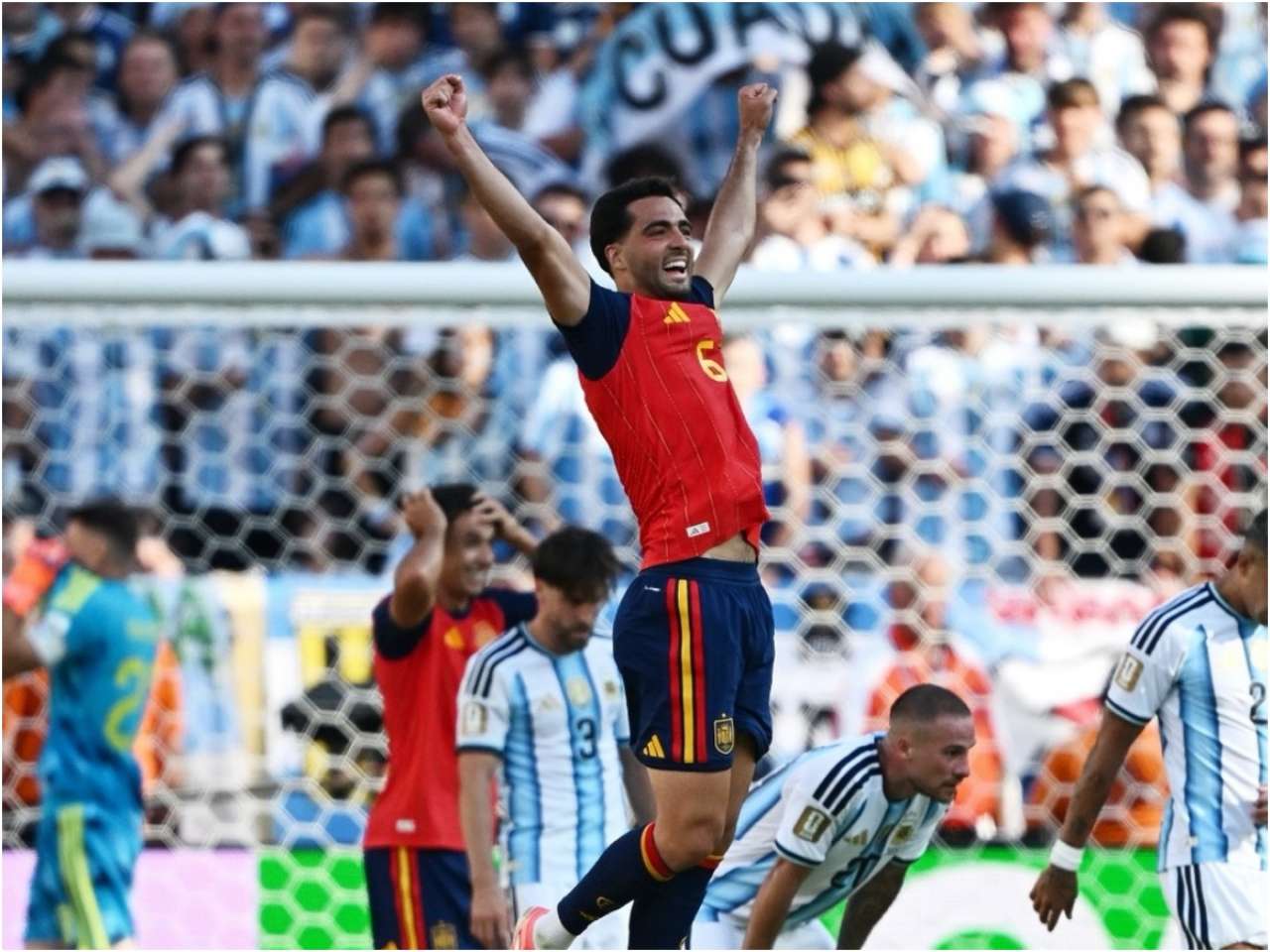
The Unbeaten March: Spain’s Road to Glory
Spain’s path to the pinnacle of world football was a masterclass in consistency and tactical execution. Under the astute guidance of head coach Luis de la Fuente, the squad meticulously dismantled every challenge placed before them, evolving with each match and peaking at the most opportune moment.
Group Stage – Dominance in Group H
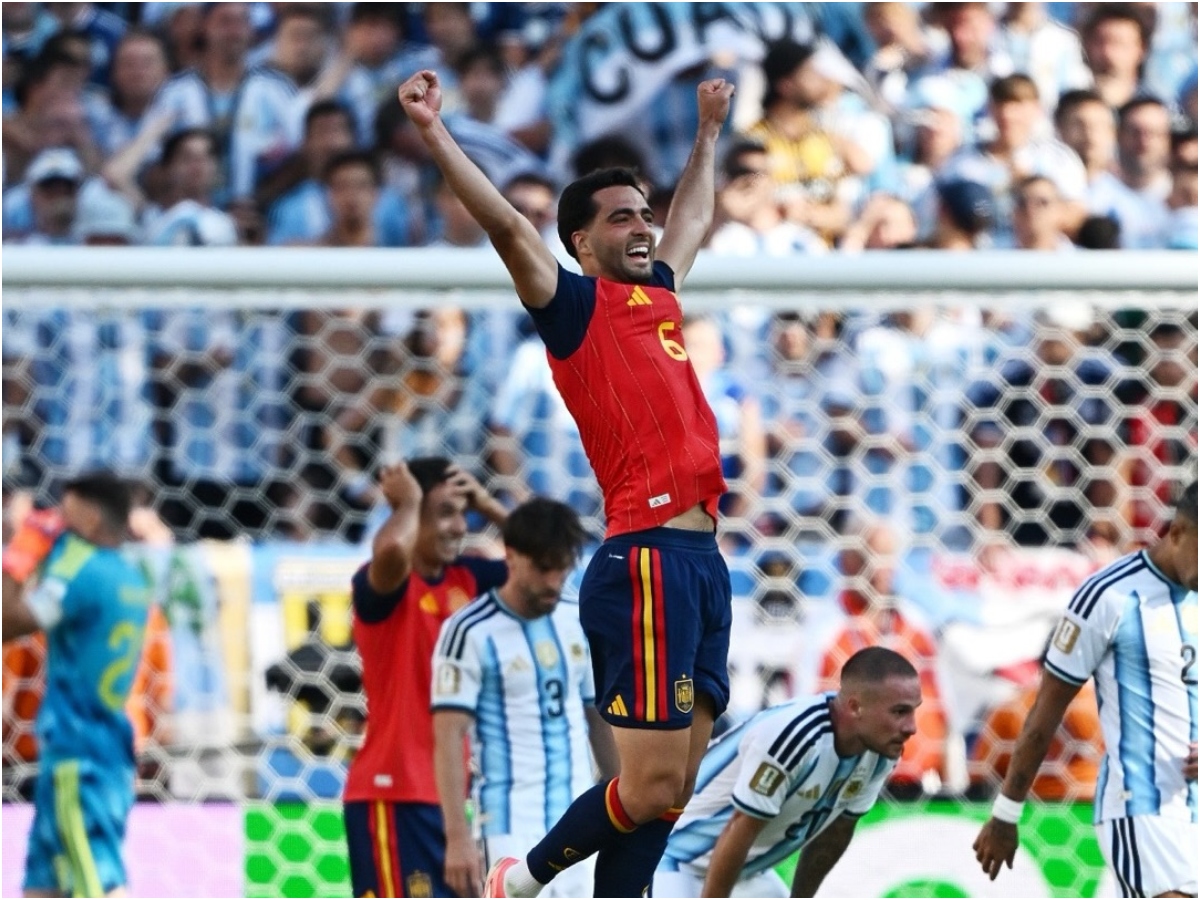
Spain entered the FIFA World Cup 2026 as one of the favorites, placed in Group H alongside Cabo Verde, Saudi Arabia, and Uruguay. The expanded format of the tournament, featuring 48 teams, meant an initial round of group-stage matches before advancing to a larger knockout bracket.
)
Spain vs. Cabo Verde (Matchday 1)
Spain kicked off their campaign against a spirited Cabo Verde side, determined to make their mark on the world stage. While pre-match pundits predicted a comfortable Spanish victory, Cabo Verde proved a resilient opponent, employing a low block and lightning-fast counter-attacks. Spain, however, maintained their composure, patiently probing the defense. The breakthrough came in the 34th minute when young sensation Pedri, orchestrating play from midfield, slipped a perfectly weighted pass to striker Ansu Fati, who calmly slotted home. The second half saw Spain extend their lead through a powerful header from defender Pau Torres following a corner, sealing a 2-0 victory. It was a solid, if not spectacular, start that underlined their ability to break down stubborn defenses.
Spain vs. Saudi Arabia (Matchday 2)
Building on their opening win, Spain faced Saudi Arabia in their second group fixture. This match allowed Spain to truly hit their stride, showcasing their fluid passing and relentless pressing. Midfielder Gavi, a tireless engine in the center of the park, opened the scoring with a dazzling solo effort, weaving past two defenders before unleashing a precise shot. Ferran Torres added a brace, one from a penalty after a foul on Dani Olmo, and another a clinical finish from open play. The final whistle blew with Spain securing a resounding 4-0 victory, sending a clear message to their rivals and firmly establishing their control over Group H.

Spain vs. Uruguay (Matchday 3)
The final group game pitted Spain against a formidable Uruguay side, known for their grit and attacking prowess. This was anticipated to be Spain’s toughest test yet, and it lived up to expectations. Uruguay pressed high, attempting to disrupt Spain’s rhythm, but the Spanish midfield, anchored by captain Rodri, expertly navigated the pressure. Mikel Oyarzabal, who would later become a pivotal figure, scored the lone goal of the match in the 67th minute, a well-placed shot from outside the box that found the top corner. The 1-0 win was hard-fought and demonstrated Spain’s defensive resilience under pressure, securing their place at the top of Group H with a perfect nine points and an impressive goal difference. They were among the first teams to qualify for the Round of 32, having faced and overcome diverse challenges within their group.
Round of 32 – A Comfortable Opening to Knockout Football
Spain vs. Austria
Transitioning into the knockout stages, Spain faced Austria in the Round of 32. The weight of expectation was palpable, but La Roja responded with a performance of controlled dominance. The midfield, a symphony of short, incisive passes, completely dictated the tempo of the game. Mikel Oyarzabal, growing in confidence with each match, was the star of the show, bagging a brace that underscored his clinical finishing. His first goal came from a quick counter-attack, expertly converted, and his second was a poacher’s finish from a rebound. A third goal, a thunderous strike from substitute Nico Williams, completed a comfortable 3-0 victory. Spain’s ability to create chances with ease and maintain a tight defensive shape signaled their serious intentions for the tournament.
)
Round of 16 – The Iberian Derby and a Test of Character
Spain vs. Portugal
The Round of 16 delivered one of the tournament’s most anticipated clashes: an Iberian derby against arch-rivals Portugal. This encounter was a stark reminder that even the most dominant teams face moments of intense pressure. Portugal, boasting a squad rich in individual talent and tactical discipline, matched Spain blow for blow. The game was a cagey affair, a tactical chess match where both sides largely nullified each other’s threats. Spain dominated possession, but Portugal’s defense held firm, frustrating the Spanish attack. As the clock ticked towards extra time, and the specter of penalties loomed large, Spain found a moment of magic. In the dying seconds of stoppage time, a brilliant cross from full-back Pedro Porro found substitute striker Álvaro Morata, who rose highest to power a header past the Portuguese goalkeeper. The stadium erupted as Spain sealed a dramatic 1-0 victory, showcasing not just their skill, but their immense mental fortitude and never-say-die attitude. It was a defining moment that propelled them into the quarter-finals with renewed belief.
Quarter-finals – Resilience Amidst Adversity
Spain vs. Belgium
The quarter-final clash against Belgium proved to be another stern test, and remarkably, it was the only game in which Spain’s impenetrable defense was breached. Spain started brightly, taking an early lead through a fantastic solo effort from Gavi, who slalomed past two defenders before unleashing a powerful shot. However, Belgium, known for their attacking flair, refused to capitulate. Mid-way through the second half, a moment of brilliance from Belgian winger Jérémy Doku saw him equalize with a dazzling run and finish, sending a shockwave through the Spanish camp. It was the first goal Spain had conceded in the entire tournament, ending their incredible run of clean sheets. Yet, this Spanish side was different. Instead of faltering, they regrouped immediately. Just ten minutes later, Dani Olmo, who had been a constant threat on the left wing, cut inside and unleashed a curling shot that nestled in the top corner, restoring Spain’s lead. The final minutes were tense, but Spain held firm, securing a crucial 2-1 victory and booking their well-deserved spot in the semi-finals. This match was a testament to their ability to respond to setbacks and their collective resilience.
)
Semi-finals – A Masterclass Against Les Bleus
Spain vs. France
The semi-final pitched Spain against another European giant, France, setting up a tantalizing encounter between two of the world’s footballing powerhouses. The atmosphere was electric, with both teams vying for a spot in the ultimate showdown. Spain, however, demonstrated why they were the tournament’s dominant force. Their possession game was at its mesmerizing best, stifling France’s creative midfielders and isolating their potent attackers. The opening goal came in the 38th minute when Mikel Oyarzabal, continuing his superb form, coolly converted a penalty after Ansu Fati was brought down in the box. Spain went into halftime with a deserved lead. In the second half, France pushed for an equalizer, but Spain’s defensive organization, marshaled by the experienced Rodri and the commanding centre-back pairing of Pau Torres and Eric Garcia, remained resolute. In the 72nd minute, Spain doubled their lead through a fantastic long-range strike from full-back Pedro Porro, whose overlapping run created space, allowing him to unleash a powerful shot that left the French goalkeeper helpless. Spain kept another clean sheet, their seventh of the tournament, and sealed a comprehensive 2-0 victory, securing their passage to the FIFA World Cup 2026 final.
Final – The Ultimate Test Against the Champions
Spain vs. Argentina
The grand finale. Spain, the unbeaten challengers, against Argentina, the reigning World Cup champions. The narrative was set for an epic clash of titans. The match was a tactical spectacle, a testament to the highest echelons of modern football. Argentina, led by their talismanic captain and a squad brimming with talent, showed why they were champions. They pressed with intensity, attempting to disrupt Spain’s rhythm, and created several dangerous moments. However, Spain, for all their possession, found it challenging to break down a well-drilled Argentine defense.
)
The first 90 minutes were a gripping, high-stakes affair, characterized by tactical battles in midfield, moments of individual brilliance, and heroic defending from both sides. Spain’s goalkeeper, Unai Simón, made a couple of crucial saves to keep Argentina at bay, while the Spanish defense weathered periods of intense pressure. As the game drifted into extra time, the physical and mental toll began to show on both sets of players.
Then, in the 106th minute, a moment of sheer brilliance broke the deadlock. Pedri, who had been tirelessly dictating play, received the ball deep in Argentina’s half. He executed a sublime one-two with Oyarzabal, darting into the box. With the Argentine defense converging, Pedri unleashed a low, powerful shot that squeezed past the outstretched hand of the goalkeeper and nestled into the bottom corner. The stadium erupted into a cacophony of cheers and gasps – Spain had the lead!
)
The remaining minutes of extra time were a frantic battle. Argentina threw everything forward in search of an equalizer, but Spain’s defense, having conceded only one goal in the entire tournament, held firm with unwavering resolve. Every Spanish player fought for every inch, blocking shots, winning headers, and clearing crosses. When the final whistle blew, a wave of red shirts collapsed in joyous exhaustion, while the Argentine players sank to their knees in despair. Spain had done it. They had conquered the defending champions, lifting their second World Cup trophy, 16 years after their historic win in 2010.
The Statistical Supremacy and Tactical Masterclass
Spain’s FIFA World Cup 2026 triumph was built on a foundation of statistical dominance and a refined tactical philosophy that proved virtually unplayable.
)
Unprecedented Defensive Fortitude: The most striking statistic of Spain’s campaign was their defensive record: just one goal conceded in eight matches. This is an extraordinary achievement in modern international football, a testament to not only the backline but the entire team’s commitment to defending from the front. Goalkeeper Unai Simón commanded his area with authority, while the central defensive pairing of Pau Torres and Eric Garcia formed an almost impenetrable wall, combining aerial prowess with excellent ball-playing abilities. Full-backs Pedro Porro and Alejandro Balde provided both defensive solidity and crucial offensive width, tirelessly bombing up and down the flanks.
Possession with Purpose: While previous Spanish teams were synonymous with "Tiki-Taka," this iteration under Luis de la Fuente evolved the possession-based approach. They averaged over 70% possession across the tournament, but crucially, this was possession with a clear attacking intent. They were less about sterile passing and more about creating intelligent overloads, drawing opponents out of position, and exploiting spaces with incisive through balls and dynamic runs. The midfield trio of Rodri, Pedri, and Gavi was the engine room, a perfect blend of defensive acumen, creative flair, and relentless energy. Rodri, in particular, provided the tactical anchor, shielding the defense and dictating the tempo, while Pedri and Gavi drove forward with youthful exuberance and mature decision-making.
)
Clinical Efficiency: Spain scored 18 goals in their eight matches, averaging over two goals per game. While not an overwhelmingly high number, their efficiency in front of goal was remarkable. Mikel Oyarzabal, with his intelligent movement and clinical finishing, emerged as a top scorer for the team, often finding himself in the right place at the right time. Ansu Fati, Ferran Torres, and Dani Olmo provided pace and trickery on the wings, contributing vital goals and assists. The depth of the squad was evident, with different players stepping up in crucial moments, ensuring that the attacking burden was shared.
Tactical Adaptability: De la Fuente’s tactical flexibility was also key. While the core philosophy remained consistent, Spain showed the ability to adjust their approach based on the opponent. Against defensive teams, they patiently circulated the ball, waiting for openings. Against more aggressive sides like Portugal and Argentina, they demonstrated their ability to absorb pressure, counter-attack effectively, and grind out results when necessary. This adaptability ensured they were never caught off guard and always had a plan B.
)
Voices of Triumph: Reactions from the Camp and Beyond
The euphoria following the final whistle was immense, echoing from the stadium in Vancouver to the streets of Madrid and beyond. Players, coaches, and officials struggled to articulate the magnitude of their achievement.
Coach Luis de la Fuente: "This is the culmination of years of hard work, dedication, and unwavering belief. We started this journey with a clear vision: to play our brand of football, to trust our process, and to fight for every single ball. The players have been magnificent, absolutely magnificent. Their commitment, their unity, their courage – it has been an honor to lead them. To win all eight matches, conceding just one goal, against such incredible opposition… it speaks volumes about their character. This trophy belongs to every single player, every staff member, and every fan who dared to dream."
)
Captain Rodri: "It’s an indescribable feeling. To lift this trophy, as captain, after such an incredible run… it’s what you dream of as a kid. We knew we had a special group, a blend of experience and incredible young talent. We faced challenges, like the game against Portugal or when Belgium scored against us, but we never panicked. We trusted each other, we stuck to our principles, and we found a way. This team has a heart of a lion, and we’ve shown the world what Spanish football is capable of. Sixteen years ago, we won our first, now we have our second. This is for all of Spain."
Man of the Match, Pedri: "I’m speechless. To score in the World Cup final, in extra time, against Argentina… it’s a moment I’ll replay in my mind forever. But this isn’t about one goal or one player. It’s about the team. We defended like warriors, we fought for every ball, and we never stopped believing. The support from our fans, both here and back home, has been incredible. This is the greatest moment of my career, and I’m so proud to be a part of this team."
)
President of the Royal Spanish Football Federation (RFEF), Luis Rubiales (hypothetical): "This is a historic day for Spanish football. This victory is not just a triumph on the field, but a testament to the strength of our youth development programs, our coaching philosophy, and the passion of our entire nation. This generation of players has written their own glorious chapter, and they will inspire millions. The future of Spanish football shines brighter than ever."
Lionel Scaloni, Argentina Coach (post-match, hypothetical): "Congratulations to Spain. They were the better team over the tournament, and today, they found that one moment of magic. We gave everything, we fought until the very end, but sometimes, football can be cruel. They are deserved champions, a truly exceptional team with a clear identity."
)
Across Spain, the victory sparked widespread celebrations. From the Puerta del Sol in Madrid to the Ramblas in Barcelona, streets overflowed with jubilant fans clad in red and yellow, waving flags, honking horns, and singing anthems long into the night. Social media buzzed with accolades, hailing the team as a new golden generation and solidifying their place among footballing legends.
A New Golden Era? The Legacy of 2026
Spain’s FIFA World Cup 2026 triumph is more than just a trophy; it marks a significant inflection point for Spanish football and potentially for the global game.
)
Confirmation of a New Generation: The victory emphatically confirms the arrival of a new golden generation of Spanish footballers. While the 2010 team was built around the legendary core of Xavi, Iniesta, and Casillas, this 2026 squad showcases a blend of seasoned campaigners like Rodri and Unai Simón, alongside prodigious talents such as Pedri, Gavi, Ansu Fati, and Dani Olmo, all of whom are still in their early to mid-twenties. This suggests a sustained period of competitiveness for La Roja on the international stage.
Evolution of Spanish Football: This team has successfully evolved the much-imitated "Tiki-Taka" style. While maintaining their commitment to possession and technical excellence, De la Fuente’s Spain added a newfound defensive steel and tactical pragmatism. They proved they could win beautiful, but also grind out results when necessary, making them a more complete and adaptable unit. This evolution could influence coaching philosophies worldwide, demonstrating that dominance can be achieved through a blend of aesthetic play and pragmatic efficiency.
)
Historical Significance: Winning a second World Cup firmly places Spain among the elite footballing nations with multiple titles. It solidifies their legacy as a true powerhouse, not merely a flash in the pan. The achievement of an unbeaten run, with just one goal conceded, will be discussed and analyzed for decades, setting a new benchmark for defensive excellence in a major tournament.
Impact on Future Tournaments: With a young, talented, and now World Cup-winning squad, Spain will undoubtedly be among the favorites for the UEFA Euro 2028 and the FIFA World Cup 2030. The experience gained in this tournament, particularly the ability to handle pressure in the knockout stages, will be invaluable. Individual players will see their market value soar, and many will likely contend for individual accolades such as the Ballon d’Or.
)
Inspiring a Nation: Beyond the tactical and statistical achievements, this triumph will undoubtedly inspire millions of young aspiring footballers in Spain. It reinforces the dream that with dedication, teamwork, and a clear vision, anything is possible. The celebrations across the country underscore the unifying power of football and the profound national pride that comes with such a monumental victory.
In conclusion, Spain’s FIFA World Cup 2026 campaign was a meticulously crafted masterpiece, a symphony of tactical brilliance, individual flair, and unyielding team spirit. From the first whistle of the group stage to the final, triumphant blow in Vancouver, they dictated, dominated, and ultimately conquered. This victory is not just a new chapter; it’s the beginning of a potentially new golden era for Spanish football, a legacy forged in an unbeaten odyssey to global supremacy.
