

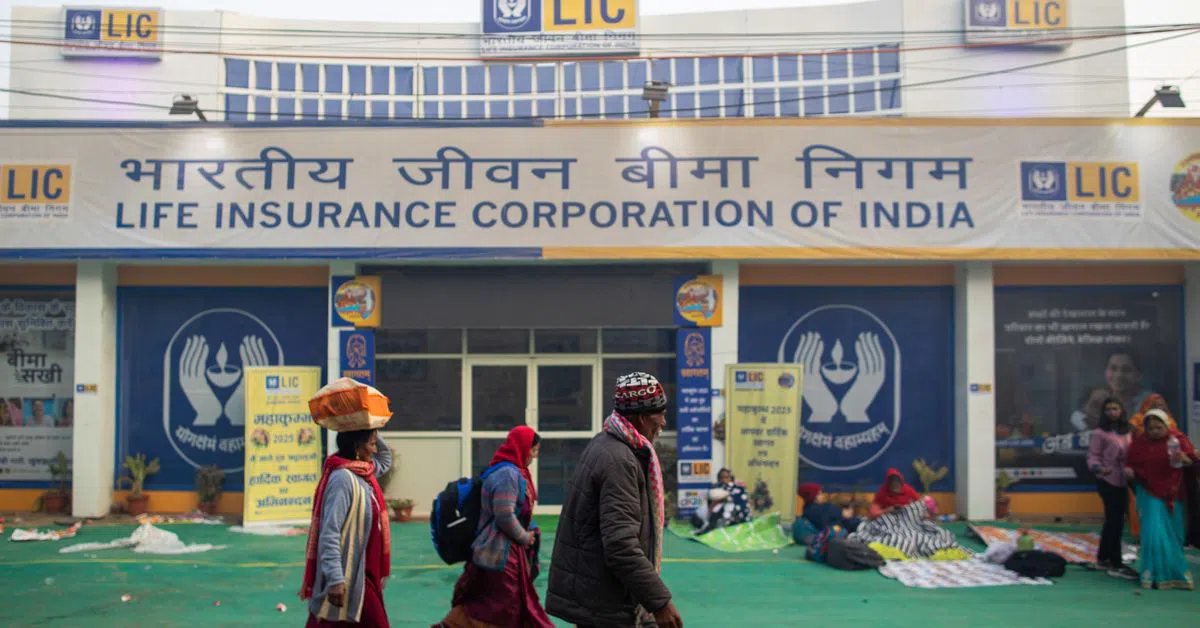
Mumbai, India – Life Insurance Corporation of India (LIC), the nation’s venerable insurance behemoth, is actively scripting a new chapter in its long and illustrious history. In a strategic pivot aimed at embracing the digital age and optimizing shareholder value, the public sector insurer is seriously contemplating the establishment of a dedicated fintech arm. This initiative, which could materialize either through strategic investments in existing players or an organic build-out, is designed to address LIC’s burgeoning digital requirements and inject a new wave of innovation into its operations. Simultaneously, the corporation stands fully prepared for potential further stake dilution by the Indian government, viewing it as a natural progression following its landmark initial public offering (IPO).
R Doraiswamy, CEO and MD of LIC, articulated the company’s forward-looking vision in a recent interview, underscoring the dual imperatives of modernization and strategic investment. "Naturally, to meet the modernisation requirement and particularly to bring innovation, we are engaging both fintech and insurtech players and we are getting a lot of new things being developed by such players," Doraiswamy stated, highlighting the collaborative spirit driving LIC’s digital transformation. He further elaborated on the financial institution’s broader investment philosophy, noting, "we are a big financial institution investing in multiple organisations and we also look at strategic investments in any specialised player as a way of improving the returns on the policyholders’ funds." This strategic foresight positions LIC not just as an adopter of technology, but potentially as a key investor and enabler within India’s dynamic fintech ecosystem.
The twin thrusts of technological innovation and capital market alignment underscore LIC’s ambition to remain a dominant and agile force in an increasingly competitive and digitally driven financial landscape. These developments are set against a backdrop of robust financial performance, with LIC recently reporting its highest-ever net profit for the March quarter, reinforcing its fundamental strength as it navigates these strategic shifts.
Unpacking the Main Facts: LIC’s Strategic Imperatives
At the core of LIC’s current strategic maneuvers are two pivotal themes: digital transformation and capital market integration. The decision to explore a fintech arm is a direct response to the escalating demand for digital services within the insurance sector. Modern customers expect seamless online experiences, personalized products, and efficient claims processing – all areas where fintech solutions can provide a significant competitive edge. By either acquiring stakes in promising fintech or insurtech startups or developing in-house capabilities, LIC aims to future-proof its operations and enhance its service delivery. This move is not merely about adopting technology but about fundamentally reshaping its operational model and customer engagement strategies.
The second critical development is LIC’s preparedness for further stake dilution. Having successfully completed its colossal IPO in 2022, which saw the government divest a modest 3.5% stake, the corporation acknowledges the regulatory mandates for minimum public shareholding in listed entities. This proactive stance signals LIC’s commitment to corporate governance and market compliance, while also providing the government with an avenue to unlock further value from its investment and potentially fund other developmental initiatives. The timing and quantum of any such dilution, however, remain contingent on market conditions and government discretion.
These two strategic pillars are interconnected. A more technologically advanced and agile LIC, potentially bolstered by a fintech arm, would naturally present a more attractive proposition to investors during any subsequent public offerings. Conversely, increased market float and scrutiny that come with further dilution could further incentivize operational efficiencies and technological advancements.
A Journey Through Time: LIC’s Evolution and Milestones
LIC’s current strategic positioning is best understood through the lens of its rich history and significant milestones.
The Genesis of a Giant: From Nationalization to Dominance
Established in 1956 through the nationalization of 245 Indian and foreign insurers and provident societies, LIC was formed with a mandate to spread life insurance widely across the country, particularly in rural areas, and to mobilize public savings for nation-building. For decades, it operated as a government-owned monopoly, becoming a household name synonymous with financial security. Its vast network of agents, offices, and diverse product portfolio made it an unparalleled force in the Indian financial sector. This era solidified LIC’s reputation for reliability and reach, building a massive policyholder base that continues to grow.
The Digital Dawn: Early Adopter Status
Even before the widespread digital revolution, LIC recognized the transformative potential of technology. As R Doraiswamy highlighted, LIC was "one of the early adopters of digital technologies." This foresight led to the establishment of its own core competence in software development. "We have built our own core competence in developing our business applications by building up a software development centre. We have sizable number of people working in our IT department creating the IT solutions for us," Doraiswamy explained. This internal strength allowed LIC to develop bespoke solutions tailored to its unique operational scale and regulatory environment.
However, the rapid pace of technological evolution necessitated a more hybrid approach. While maintaining its robust internal teams, LIC began to engage "a lot of IT service providers for the new infrastructure and platforms." This pragmatic strategy acknowledged that while core systems could be maintained internally, leveraging external expertise for cutting-edge infrastructure and rapidly evolving platforms was crucial for staying competitive. Doraiswamy, who himself spearheaded the modernization of IT infrastructure and business applications for LIC’s Individual Business as Executive Director, brings a deep understanding of this journey and the imperative for continuous evolution. His past experience underscores the institutional commitment to technological advancement that predates the current fintech arm discussions.
The IPO Era: A Transformative Public Listing
The most significant recent chronological event for LIC was its initial public offering in May 2022. This event marked a paradigm shift, transforming LIC from a wholly government-owned entity into a publicly listed company, albeit with a dominant government stake. The IPO, which raised approximately Rs 21,000 crore by diluting just 3.5% stake, was the largest in India’s history until that point.
The journey to IPO was arduous, involving complex valuations, regulatory approvals, and extensive investor roadshows. It represented a major policy decision by the government to unlock value from its public sector undertakings, introduce market discipline, and provide a new investment avenue for retail and institutional investors. The preparation for the IPO also laid the groundwork for future capital market actions. As Doraiswamy noted, "We have been prepared right from day one. When we started preparing for the IPO, we were prepared for this kind of subsequent actions as well." This statement confirms that further stake dilution was always part of the long-term plan, anticipating the eventual need to comply with market regulations for listed entities.
Post-IPO, LIC has consciously moved to demonstrate its commitment to its new shareholder base. This commitment has been evident in its financial disclosures and shareholder reward mechanisms, setting a new benchmark for transparency and accountability for the previously government-controlled entity.
Supporting Data: The Pillars of LIC’s Strategic Decisions
LIC’s strategic moves are grounded in a confluence of market trends, regulatory requirements, and robust financial performance data.
The Fintech Imperative: Digital Transformation in Insurance
The global financial services industry is undergoing a profound digital transformation, with fintech and insurtech at its forefront. In India, a rapidly digitizing economy with a young, tech-savvy population presents immense opportunities for insurers that can effectively leverage technology.
- Customer Expectations: Modern customers demand instant gratification, personalized experiences, and omnichannel access. Fintech solutions facilitate these by enabling self-service portals, AI-powered chatbots for customer support, and mobile-first applications for policy management and claims.
- Operational Efficiency: Automation through fintech can significantly streamline back-office operations, from underwriting and policy issuance to claims processing and fraud detection. This leads to reduced operational costs, faster turnaround times, and improved accuracy.
- Product Innovation: Insurtech allows for the creation of new, dynamic products like usage-based insurance (UBI), micro-insurance, and parametric insurance, which are tailored to specific customer segments and risk profiles. Data analytics, a core component of fintech, enables better risk assessment and pricing.
- Competitive Landscape: The entry of agile insurtech startups and digital-first private insurers has intensified competition. LIC, despite its size, must innovate to maintain its market share and appeal to younger demographics. Strategic investments in fintech can provide access to cutting-edge technologies and talent without requiring massive internal development efforts.
- Improving Policyholder Returns: As Doraiswamy indicated, strategic fintech investments can "improve the returns on the policyholders’ funds." This can happen through several mechanisms:
- Enhanced Investment Opportunities: Investing in high-growth fintech companies can directly generate capital gains or dividends.
- Operational Cost Savings: If adopted technologies lead to lower administrative costs for LIC, a portion of these savings can be passed on to policyholders, especially in participating policies.
- Better Risk Management: Advanced analytics from insurtech can lead to more accurate underwriting, reducing claims payouts and improving overall financial health.
The Regulatory Mandate: Minimum Public Shareholding (MPS)
The Indian regulatory framework, particularly SEBI (Securities and Exchange Board of India) norms, mandates minimum public shareholding for all listed companies.
- SEBI’s MPS Norms: For companies listed on Indian exchanges, the general rule is to achieve a minimum public float of 25%. However, specific timelines are provided:
- A newly listed company must achieve at least 10% public shareholding within three years of listing.
- It must then increase this to 25% within five years of listing.
- LIC’s Current Status: With only 3.5% stake diluted during its IPO, LIC is significantly below the 10% threshold. This means the government will eventually need to divest more shares to comply with these regulations.
- Government’s Stance: The government has affirmed its focus on "complying with the listing requirements." However, the timing is crucial. "Due to current market volatility, it is waiting for the right time to launch the next public offering," Doraiswamy elaborated. Market volatility, characterized by sharp price swings, economic uncertainties (e.g., inflation, interest rate changes, global geopolitical events), and investor sentiment, can significantly impact the success and valuation of a large public offering. The government’s objective is to maximize realization from the sale, which necessitates favorable market conditions.
Robust Financial Performance: A Foundation for Growth
LIC’s recent financial results provide a strong foundation for these strategic initiatives.
- Record Profit: For the March quarter, LIC posted a 23% increase in net profit to an impressive Rs 23,420 crore. This figure was highlighted as "the highest by any financial services firm in the country," underscoring the sheer scale and profitability of LIC’s operations. This strong performance provides the financial muscle for strategic investments and cushions against market uncertainties.
- Shareholder Rewards Post-IPO: Demonstrating its commitment to its new shareholder base, LIC has been proactive in rewarding investors.
- Bonus Issue: The company announced a 1:1 bonus share issue, meaning shareholders received one additional share for every share they owned. Bonus issues are a way to reward shareholders without draining cash reserves, increase liquidity in the stock, and signal confidence in future earnings.
- Dividend: This was followed by a substantial dividend payout. The board recommended a final dividend of Rs 10 per equity share (of Rs 10 each), which translates to Rs 20 per equity share on a pre-bonus issue basis. This represents a remarkable 67% increase over the dividend declared in the previous year, further cementing LIC’s commitment to delivering shareholder value post-listing.
These financial metrics reinforce LIC’s position as a robust, profitable entity capable of funding its modernization efforts and attracting continued investor interest for future stake dilutions.
Official Responses: Elucidating LIC’s Strategic Vision
R Doraiswamy’s statements offer critical insights into the strategic thinking guiding LIC’s future. His responses provide an authoritative voice to the corporation’s evolving roadmap.
On Fintech and Innovation: The Dual Approach
Doraiswamy’s articulation of LIC’s approach to fintech is nuanced, reflecting a pragmatic blend of internal strength and external collaboration. He acknowledges that while LIC possesses "core competence in developing our business applications," it cannot be "totally self-dependent." This is a realistic assessment in today’s rapidly evolving tech landscape, where specialized startups often lead innovation.
His emphasis on "engaging both fintech and insurtech players" signifies an open architecture approach. This engagement can range from vendor relationships for specific software or services to strategic partnerships or even direct investments. The consideration of a "strategic partner" or outright "coming up with something" (implying an organic build or acquisition) indicates that LIC is evaluating a spectrum of options. The ultimate goal, he states unequivocally, is "to modernize our IT applications and become as agile and nimble-footed as possible to remain relevant in the competition." This competitive imperative is a powerful driver for change, ensuring LIC can respond swiftly to market dynamics and customer demands.
The CEO’s mention of strategic investments also aligns with LIC’s role as a major institutional investor. By investing in specialized fintech players, LIC aims to "improv[e] the returns on the policyholders’ funds." This dual benefit – technological advancement for the core business and attractive returns for its investment portfolio – makes a strong case for the fintech arm initiative.
On Stake Dilution: Preparedness and Partnership
Regarding further stake dilution, Doraiswamy conveyed a sense of unwavering preparedness. "We have been prepared right from day one," he asserted, referencing the initial IPO planning. This suggests a meticulously planned long-term strategy that factored in subsequent divestments as part of the listing journey. This proactive stance is crucial for investor confidence, signaling stability and adherence to regulatory roadmaps.
He underscored LIC’s readiness to collaborate closely with the government. "As and when a decision is taken on the timing and quantum of further stake dilution, LIC will be fully prepared to work closely with the government to ensure the initiative achieves the success it deserves." This highlights the symbiotic relationship between LIC and the government, emphasizing the corporation’s role in facilitating the government’s disinvestment goals while ensuring minimal disruption to its core business. The government’s focus on "complying with the listing requirements" is a key driver, and LIC is positioned as a willing partner in achieving this.
On Shareholder Rewards: Delivering Value Post-IPO
Doraiswamy took pride in LIC’s post-IPO performance in rewarding shareholders. "Post-IPO, LIC has done quite a good amount of activity in rewarding the shareholders," he stated, referencing the 1:1 bonus issue and the significantly increased dividend (67% more than the previous year). These actions are critical for building investor trust and demonstrating that LIC, as a listed entity, is committed to generating shareholder value. The record net profit for the March quarter provides the financial strength to back these rewards, solidifying LIC’s appeal to both existing and potential investors.
Implications: Reshaping the Landscape
The strategic moves by LIC carry significant implications for various stakeholders, the broader financial sector, and the corporation’s future trajectory.
For LIC: Agility, Innovation, and Market Leadership
The foray into fintech promises to fundamentally transform LIC’s operational model. It is expected to:
- Enhance Customer Experience: Faster onboarding, personalized policy management, quicker claims settlement, and proactive customer service through digital channels.
- Improve Operational Efficiency: Automation of repetitive tasks, better data analytics for risk assessment, and fraud detection will lead to cost savings and improved profitability.
- Foster Innovation: Access to new technologies and business models will enable LIC to develop innovative products and services, staying ahead of the curve in a competitive market.
- Strengthen Competitive Position: A more agile and technologically advanced LIC will be better equipped to compete with private insurers and insurtech startups, potentially attracting a younger, digitally native customer base.
- Diversify Investment Portfolio: Strategic investments in fintech firms could provide new avenues for growth and potentially higher returns, ultimately benefiting policyholders.
The readiness for further stake dilution signals LIC’s full embrace of its public company status. This will lead to:
- Increased Market Scrutiny: With a higher public float, there will be greater pressure for transparency, efficiency, and consistent performance.
- Improved Liquidity: More shares in the public domain will enhance the stock’s liquidity, making it more attractive to a wider range of institutional investors.
- Enhanced Corporate Governance: Compliance with public shareholding norms often brings with it higher standards of corporate governance, benefiting all stakeholders.
For Policyholders: Improved Services and Security
Policyholders stand to gain significantly from LIC’s modernization drive. They can expect:
- Seamless Digital Services: Easier access to policy information, premium payments, and claims initiation through user-friendly digital platforms.
- Personalized Products: The use of data analytics could lead to more tailored insurance products that better meet individual needs and risk profiles.
- Faster Claims Processing: Automation and improved backend systems can expedite claim settlements, reducing stress and waiting times for beneficiaries.
- Enhanced Fund Security: By improving returns on policyholders’ funds through strategic investments and operational efficiencies, LIC strengthens its long-term financial stability, providing greater security for their life savings.
For Shareholders: Value Creation and Consistent Returns
Existing and potential shareholders can look forward to:
- Long-term Value Creation: The combination of digital transformation leading to growth and efficiency, coupled with prudent investment strategies, is likely to drive sustainable long-term value for shareholders.
- Consistent Shareholder Rewards: LIC’s demonstrated commitment to bonus issues and increased dividends signals a positive outlook for future shareholder returns.
- Increased Investor Confidence: Transparency, adherence to regulatory norms, and a clear growth strategy will enhance investor confidence and potentially lead to better stock performance.
- Opportunities for Entry: Further stake dilution by the government will provide fresh opportunities for new investors to acquire shares, potentially at attractive valuations, depending on market conditions.
For the Indian Financial Sector and Government: A Blueprint for Modernization
LIC’s strategic moves have broader implications for India’s financial ecosystem:
- Benchmark for PSUs: As a leading public sector undertaking (PSU), LIC’s successful digital transformation and adherence to capital market norms could serve as a blueprint for other PSUs undergoing similar transitions.
- Growth of Insurtech Ecosystem: LIC’s engagement with fintech and insurtech players will further stimulate the growth and innovation within this crucial segment of the Indian economy.
- Government’s Disinvestment Strategy: Successful further dilution of LIC’s stake would validate the government’s disinvestment policy, providing crucial funds for fiscal management and infrastructure development. It would also demonstrate the government’s ability to unlock value from its strategic assets in a responsible manner.
In conclusion, LIC is not merely adapting to change; it is proactively shaping its future. By embracing fintech and strategically aligning with capital market realities, India’s insurance giant is poised to reinforce its dominance, enhance customer value, and secure long-term prosperity for its diverse stakeholders, all while continuing to play a pivotal role in the nation’s economic progress.
