

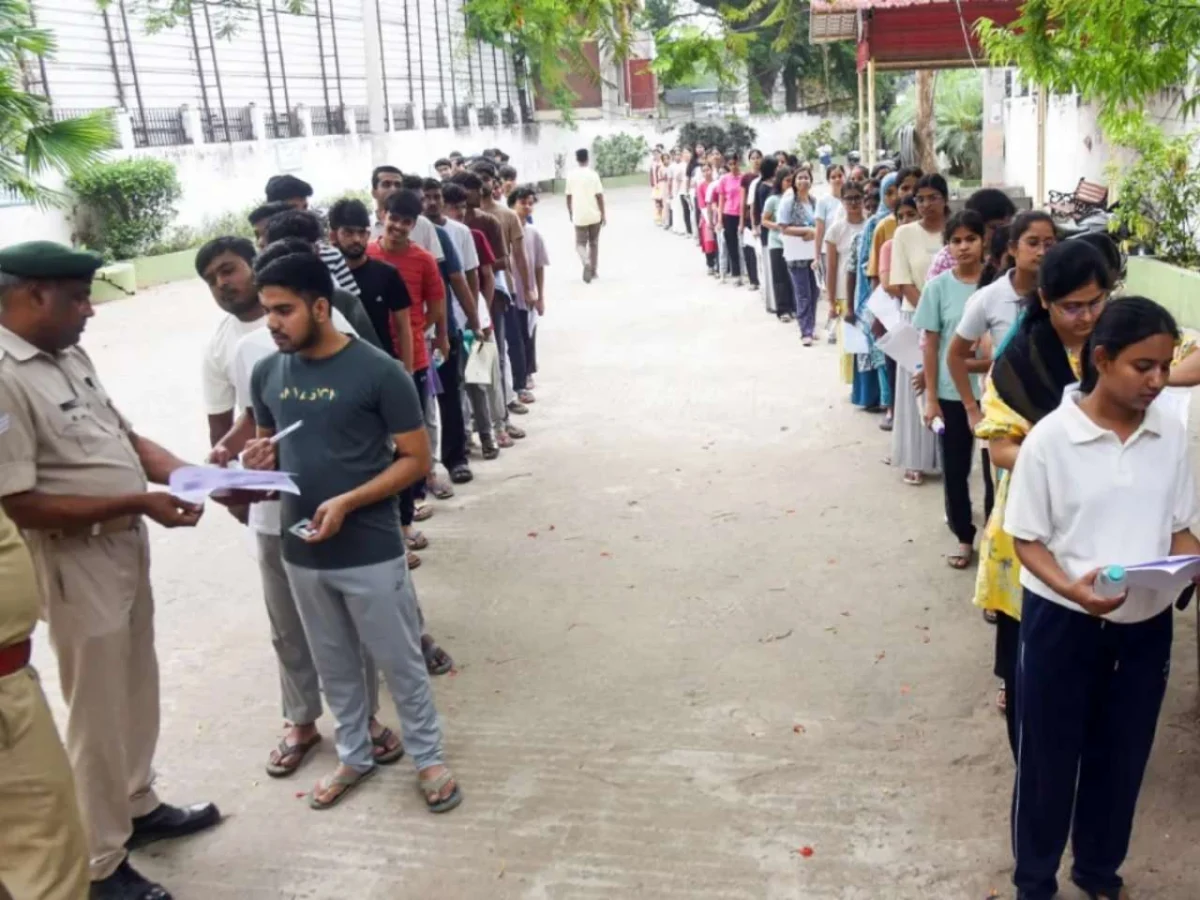
New Delhi, India – June 20, 2026 – In a concerted effort to ensure the integrity and smooth conduct of the NEET-UG 2026 re-examination, scheduled for June 21, authorities have implemented a series of rigorous measures, including nationwide mock drills and significantly enhanced security protocols. The National Testing Agency (NTA), the apex body overseeing the examination, is orchestrating these preparations across an expansive network of 551 cities within India and an additional 14 international locations, underscoring the global reach and significance of this crucial medical entrance test.
The heightened vigilance comes in the wake of previous challenges that necessitated the re-examination for a substantial number of candidates. The NTA is leaving no stone unturned to guarantee a fair, transparent, and secure testing environment, a sentiment echoed by officials involved in the process. Security has also been noticeably amplified at the NTA’s headquarters in New Delhi, reflecting the high-stakes nature of the examination, which serves as the gateway to undergraduate medical courses for hundreds of thousands of aspiring doctors.
The Stakes: NEET-UG’s Role in Medical Education
The National Eligibility cum Entrance Test (NEET) is the sole national-level entrance examination for admission to undergraduate medical courses, including MBBS, BDS, and AYUSH programs, across all government and private medical colleges in India. Its significance cannot be overstated, as it directly impacts the future careers of millions of young aspirants aiming to contribute to the nation’s healthcare sector. The NEET-UG 2026 examination, therefore, represents a pivotal juncture for these students.
A Nationwide Undertaking: Scale and Scope of Preparations
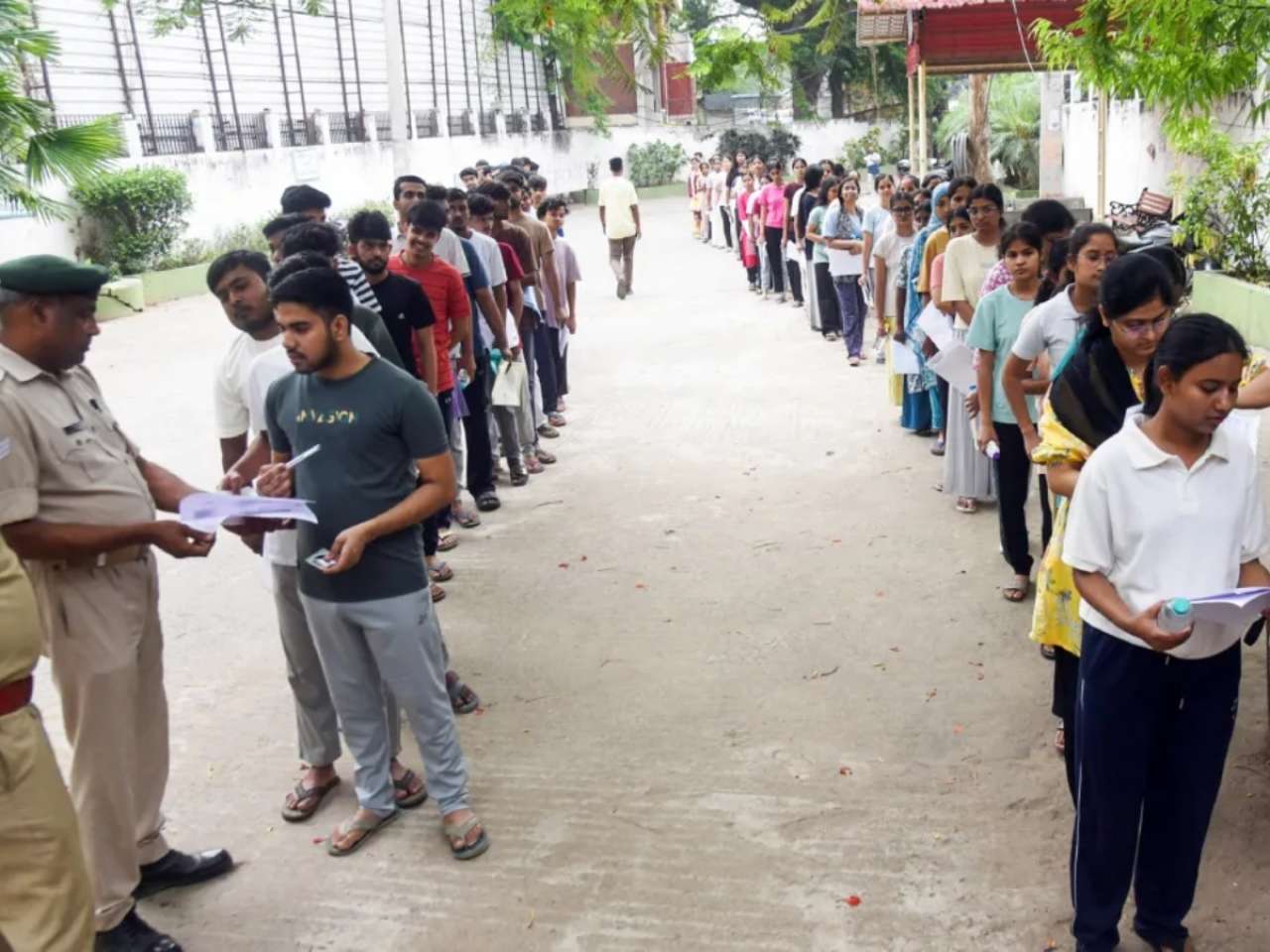
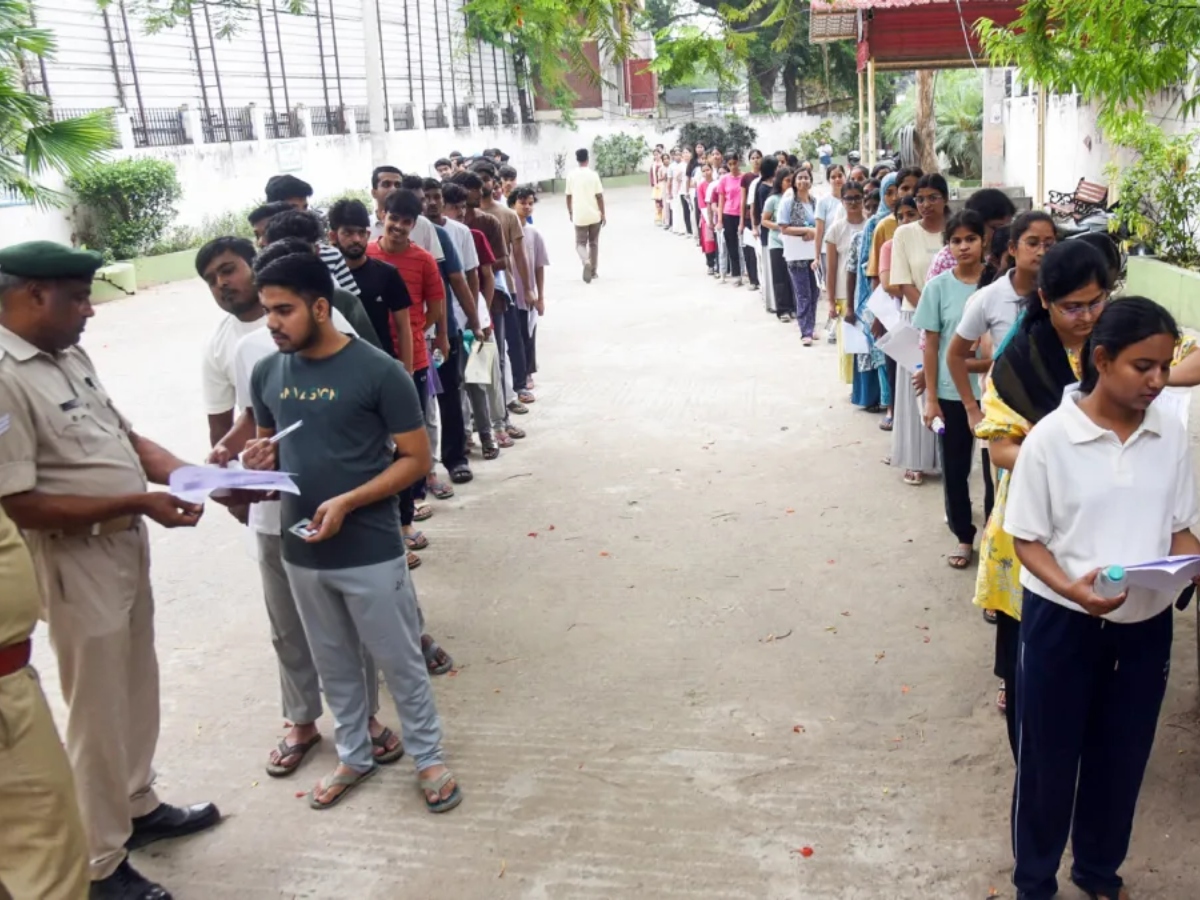
The upcoming re-examination is poised to be a colossal logistical undertaking. Over 2.27 million candidates are expected to participate, a figure that highlights the immense scale of the operation. The examination is slated to be conducted in a pen-and-paper mode, a traditional format that requires meticulous planning for the distribution of question papers, answer sheets, and the management of a vast number of examination centers.
Key details of the re-examination:
- Date: June 21, 2026
- Time: 2:00 PM to 5:15 PM
- Mode: Pen-and-Paper
- Number of Candidates: Over 2.27 million
- Locations: 551 cities in India and 14 international locations
The NTA has emphasized that extensive administrative and security measures are in place to ensure the seamless execution of the examination. The nationwide mock drills, conducted on Saturday, served a dual purpose: assessing the preparedness of all designated examination centers and fostering better coordination among the various agencies and personnel involved in the process. These drills are crucial for identifying potential bottlenecks, testing communication channels, and ensuring that invigilators and support staff are well-versed in their roles and responsibilities.
Fortifying the Process: Enhanced Security and Logistical Prowess
The commitment to a secure examination environment is evident in the multi-layered security approach adopted by the authorities. Beyond the on-ground security at examination centers, the logistical chain for the sensitive examination materials has been significantly bolstered.
Air Force Involvement: A Strategic Partnership
In a testament to the critical nature of secure and timely delivery of examination materials, the Indian Air Force (IAF) has played a pivotal role. Over the past few days, the IAF has undertaken approximately 200 sorties, utilizing its fleet of Mi-17 helicopters and transport aircraft. These operations were dedicated to the secure transportation of sealed question papers to 18 designated distribution zones across the country. This strategic deployment of air assets underscores the urgency and importance of ensuring that examination materials reach their destinations under strict supervision and without any compromise on security. Officials have confirmed that this exercise is an integral part of a larger endeavor to maintain the highest standards of integrity in the distribution process.
On-Ground Security Measures:
While specific details of on-ground security protocols are often kept confidential to maintain their effectiveness, it is understood that these include:
- Increased Security Personnel: A greater number of security guards and police personnel will be deployed at and around examination centers.
- Biometric Verification: Potential use of biometric systems for candidate identification to prevent impersonation.
- Prohibition of Electronic Devices: Strict enforcement of rules against carrying mobile phones, smartwatches, or any other electronic gadgets into the examination hall.
- CCTV Surveillance: Comprehensive CCTV monitoring within examination centers to ensure adherence to rules and deter malpractices.
- Random Checks: Surprise checks and frisking of candidates to ensure compliance.
Addressing Challenges: The Admit Card Anomaly
Amidst the robust preparations, a peculiar incident has surfaced, highlighting the complexities and potential pitfalls of managing an examination of this magnitude. A candidate from Nagpur, identified as Abdullah Mohammad Talib, reportedly received an admit card that listed an examination center in Abu Dhabi, United Arab Emirates. This discrepancy arose due to what NTA officials have acknowledged as a technical glitch in the admit card issuance system.
The candidate, who had applied for the examination from Nagpur, does not possess a passport, rendering a trip to Abu Dhabi an impossibility. Screenshots of the erroneous admit card circulated widely on social media platforms, sparking concern and confusion among candidates and the public alike. The issue was promptly escalated to the NTA, which has initiated a review of the case. Efforts are underway to reassign the candidate to a suitable examination center within India, ensuring that this technical anomaly does not impede his right to appear for the re-examination.
This incident, while isolated, serves as a stark reminder of the challenges inherent in managing large-scale, high-stakes examinations and the critical need for robust error-checking mechanisms within digital systems. The NTA’s swift acknowledgement and proactive approach to resolving this candidate’s issue are crucial steps in maintaining public trust.
)
Chronology of Preparations
The lead-up to the NEET-UG 2026 re-examination has been a period of intense activity and strategic planning:
- Announcement of Re-examination: Following the discovery of irregularities in the original examination, the decision to conduct a re-examination was announced, setting in motion a new timeline for preparation.
- Issuance of New Admit Cards: The NTA began issuing fresh admit cards to eligible candidates, incorporating necessary updates and details. This phase was accompanied by the unfortunate technical glitch that affected some candidates.
- Mock Drills and Security Intensification: In the days leading up to June 21, authorities conducted nationwide mock drills across all designated examination centers. Simultaneously, security arrangements were significantly tightened, both at the NTA’s central offices and at the local examination venues.
- Logistical Operations: The Indian Air Force commenced its sorties for the secure transportation of examination materials to various distribution hubs across the country.
- Pre-Examination Briefings: Invigilators and examination center staff received comprehensive briefings on their roles, responsibilities, and the standard operating procedures to be followed on the day of the examination.
Supporting Data and Official Responses
The NTA has consistently reiterated its commitment to conducting a fair and transparent examination. While specific figures regarding the number of candidates appearing for the re-examination in each city or country are yet to be fully detailed, the overall number of over 2.27 million participants underscores the scale of the operation.
An NTA official, speaking on condition of anonymity, stated, "Our primary focus is on ensuring the sanctity of the examination. We have learned from past experiences and have implemented enhanced security and logistical measures. The mock drills are a crucial part of our preparedness assessment, allowing us to fine-tune our operations and ensure that every candidate has a fair opportunity."
Regarding the admit card anomaly, the official added, "We are aware of the issue reported by the candidate from Nagpur. It appears to be a technical error, and we are actively working to resolve it. Our priority is to ensure that the candidate is assigned a suitable center within India without any prejudice to their examination prospects."
Implications and the Path Forward
The NEET-UG 2026 re-examination carries significant implications for the medical education landscape in India. The successful and transparent conduct of this re-examination is crucial for:
- Restoring Faith in the System: A well-executed re-exam can help rebuild public trust in the examination process, which has faced scrutiny in the past.
- Ensuring Fair Opportunity: It provides a platform for all eligible candidates to compete on a level playing field, ensuring that deserving students gain admission to medical colleges.
- Maintaining the Quality of Future Doctors: The integrity of the entrance examination directly influences the quality of medical professionals entering the healthcare system.
- Upholding the Credibility of the NTA: The NTA’s ability to conduct this re-examination smoothly will be a key indicator of its effectiveness and reliability as a testing agency.
As June 21 approaches, the nation will be closely watching the proceedings. The comprehensive measures implemented by the authorities, from nationwide mock drills to strategic logistical support from the Indian Air Force, signal a strong resolve to conduct a secure, transparent, and fair NEET-UG 2026 re-examination. The focus remains squarely on ensuring that the aspirations of over 2.27 million young individuals are met with integrity and diligence.
