

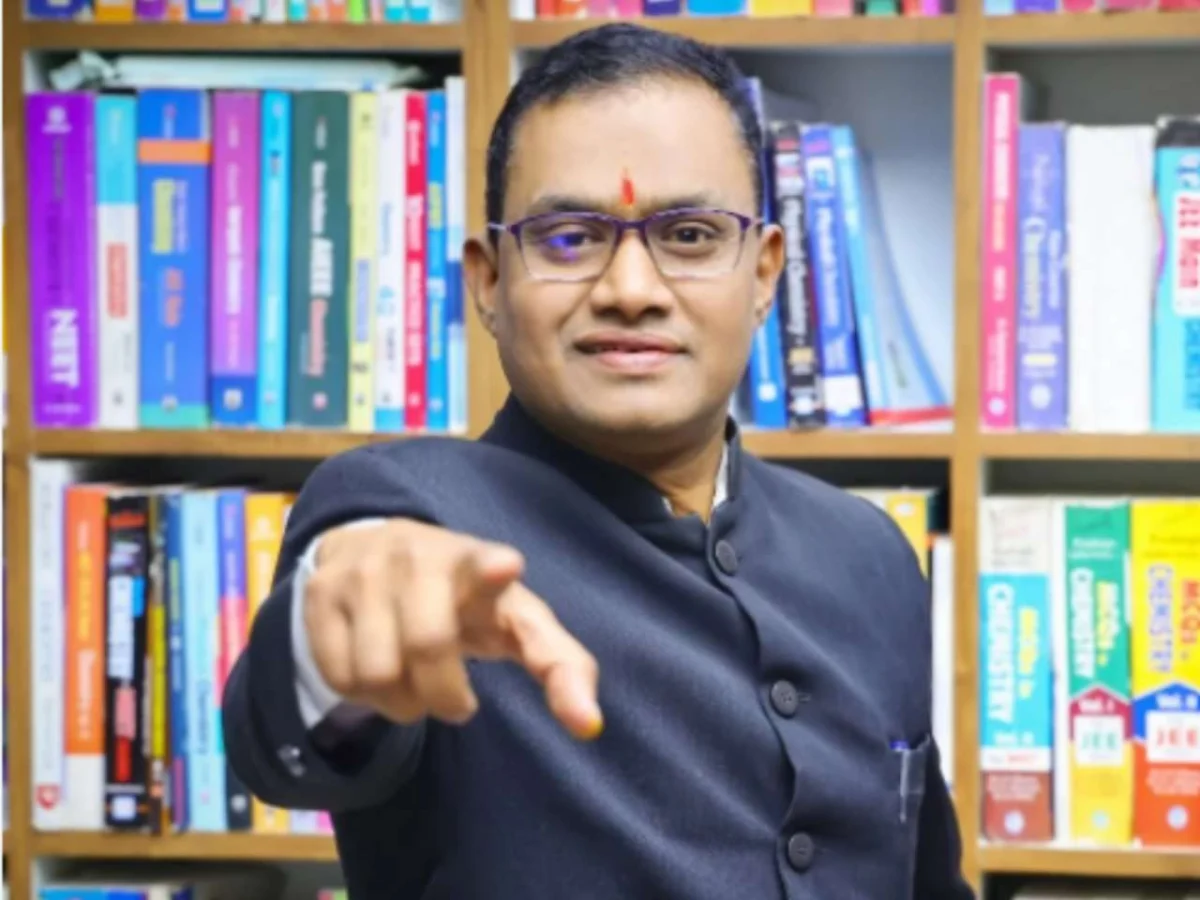
New Delhi: The integrity of the National Eligibility cum Entrance Test (NEET-UG) 2026 has been severely undermined following explosive allegations by the Central Bureau of Investigation (CBI). The agency claims that a prominent coaching centre owner from Latur, Maharashtra, paid a staggering Rs 5 lakh to a member of the National Testing Agency’s (NTA) question-setting panel to obtain leaked chemistry questions for the prestigious medical entrance examination. The investigation has revealed that 111 handwritten questions found on the accused’s mobile phone bear a striking resemblance to the official NTA question bank, casting a dark shadow over the fairness and transparency of the examination process.
This revelation comes as the CBI opposes the bail plea of Shivraj Raghunath Motegaonkar, the alleged beneficiary of the leak, before a special court. The agency’s detailed submission paints a disturbing picture of a well-orchestrated scheme to compromise one of India’s most critical academic gateways. The alleged leak, uncovered through meticulous forensic analysis of Motegaonkar’s mobile phone, has sent shockwaves through the academic community and raised serious questions about the security protocols in place at the NTA.
The Allegations Unveiled: A Web of Deception and Bribery
The CBI’s investigation has brought to light a disturbing nexus between coaching centres, examination setters, and the pursuit of unfair advantage in the NEET-UG 2026. According to the agency’s filings, Shivraj Raghunath Motegaonkar, a key figure in the Latur coaching circuit, is accused of receiving leaked chemistry paper questions approximately ten days prior to the examination, which was originally scheduled for May 3rd.
The crux of the CBI’s case rests on the forensic examination of Motegaonkar’s mobile phone. The analysis unearthed 36 photographs containing a total of 132 handwritten chemistry questions. Of these, a staggering 111 questions have been identified as matching the master question sets prepared by the NTA for NEET-UG 2026. This precise alignment suggests a direct conduit from the NTA’s internal question development process to the hands of an individual seeking to exploit it for financial gain and to provide an unfair advantage to his students.
Investigators have further alleged that these handwritten questions were meticulously prepared by Motegaonkar himself after he allegedly received them from a co-accused, identified as P.V. Kulkarni. Kulkarni is reportedly a member of the NTA’s question-setting panel, specifically involved in the development of the chemistry paper for NEET-UG 2026. The CBI claims that Motegaonkar facilitated a payment of Rs 5 lakh to Kulkarni in exchange for this sensitive information, a clear indication of a quid pro quo arrangement designed to manipulate the examination outcomes.
Adding another layer to the alleged conspiracy, the CBI informed the court that Motegaonkar’s son was a student at Kulkarni’s coaching classes. This detail suggests a potential ulterior motive beyond just financial gain, hinting at the possibility of providing privileged access to leaked material to students within Kulkarni’s own educational establishment. The implication is that the leaked questions were not only procured but also allegedly disseminated amongst students prior to the examination, further compromising the sanctity of the competition.
The recovered metadata from Motegaonkar’s phone is crucial evidence in establishing the timeline of the alleged leak. The data indicates that the images containing the handwritten questions were created approximately ten days before the May 3rd NEET-UG examination. This timeframe is significant as it suggests the questions were obtained and prepared well in advance, allowing ample time for their dissemination and memorization by a select group of students.
The investigation has also pinpointed the alleged recovery of funds that were purportedly used to procure these leaked questions. The CBI claims that the money was recovered at the behest of another co-accused, Manoj Bhagwanrao Shirure. This suggests a coordinated effort involving multiple individuals in the financial transaction and subsequent recovery, pointing towards a more organized and potentially larger network involved in the paper leak.
Chronology of the Scandal: From Suspicion to Full-Blown Investigation
The NEET-UG 2026 paper leak scandal has unfolded in stages, beginning with widespread suspicions and culminating in a robust investigation by the CBI.
- Early May 2026: The NEET-UG 2026 examination is conducted nationwide on May 3rd. Shortly after, allegations of a paper leak begin to surface through various channels, including social media and student complaints.
- Mid-May 2026: The NTA, facing mounting pressure and evidence, initiates an internal inquiry into the allegations. Simultaneously, reports suggest that government agencies are alerted to the potential irregularities.
- Late May 2026: The scale and seriousness of the allegations prompt the Union government to hand over the investigation to the Central Bureau of Investigation (CBI). The CBI registers an FIR and begins a comprehensive probe into the matter.
- Early June 2026: The CBI launches a series of raids and detentions across several states, including Maharashtra, Bihar, and Gujarat, in connection with the alleged paper leak. The focus is on identifying individuals involved in the procurement, distribution, and sale of leaked examination papers.
- June 21, 2026: In response to the widespread allegations and the ongoing investigation, the NTA officially announces the cancellation of the May 3rd NEET-UG 2026 examination. The agency commits to conducting a re-examination to ensure fairness for all aspirants.
- Late June 2026: The re-examination for NEET-UG 2026 is successfully conducted on June 21st, providing a fresh opportunity for students to appear for the medical entrance test.
- Early July 2026: The CBI’s investigation intensifies, leading to the arrest of several individuals, including coaching centre owners, middlemen, and alleged NTA insiders. The focus shifts to uncovering the precise modus operandi and the extent of the leak.
- Mid-July 2026: The CBI files a crucial submission in a special court opposing the bail plea of Shivraj Raghunath Motegaonkar, a Latur-based coaching centre owner. This submission details the alleged payment of Rs 5 lakh for leaked chemistry questions and presents forensic evidence from Motegaonkar’s mobile phone, including the matching of 111 handwritten questions with the NTA’s master question bank. This marks a significant development in the investigation, pointing directly to a potential NTA insider’s involvement.
Supporting Data and Forensic Evidence: The Digital Footprint of Deception
The CBI’s case against Shivraj Raghunath Motegaonkar is built upon a foundation of compelling forensic evidence. The analysis of his mobile phone has provided a critical digital trail that links him directly to the alleged procurement of leaked examination material.
Key Forensic Findings:
- 36 Photographs: The CBI recovered 36 photographs from Motegaonkar’s mobile phone.
- 132 Handwritten Questions: These photographs contained a total of 132 handwritten chemistry questions.
- 111 Matching Questions: A staggering 111 of these handwritten questions were found to be identical to the official NTA master question sets prepared for NEET-UG 2026. This high degree of correlation is a powerful indicator of direct access to the authentic examination content.
- Metadata Analysis: Crucially, the metadata associated with these images indicated that they were created approximately 10 days before the scheduled NEET-UG 2024 examination date of May 3rd. This timeline suggests the questions were obtained and prepared well in advance of the exam, providing ample time for distribution and memorization.
- Handwritten Preparation: Investigators believe that Motegaonkar himself prepared these handwritten questions after allegedly receiving the raw information from co-accused P.V. Kulkarni, an NTA panel member. This implies a deliberate effort to create a tangible and easily transferable format of the leaked content.
- Financial Transaction: The CBI has alleged that Motegaonkar paid Rs 5 lakh to Kulkarni for access to these questions, establishing a clear financial motive and a direct link between the act of obtaining the questions and a monetary exchange.
- Recovery of Funds: The agency has also claimed to have recovered the money allegedly used for this procurement at the instance of another co-accused, Manoj Bhagwanrao Shirure, further substantiating the financial aspect of the conspiracy.
This meticulously gathered digital evidence forms the backbone of the CBI’s case, providing concrete proof of Motegaonkar’s alleged involvement in possessing and potentially distributing leaked examination material. The precision of the matching questions and the established timeline create a compelling narrative of pre-meditated fraud.
Official Responses and Actions: Rebuilding Trust in the System
The revelations surrounding the NEET-UG 2026 paper leak have prompted swift and decisive action from various governmental and institutional bodies. The primary objective has been to address the immediate fallout, ensure fairness for all genuine aspirants, and strengthen the examination system to prevent future occurrences.
National Testing Agency (NTA):
)
- Cancellation of Examination: In a significant move, the NTA announced the cancellation of the May 3rd NEET-UG 2026 examination due to widespread allegations of a paper leak. This decision, though disruptive, underscored the agency’s commitment to upholding the integrity of the process.
- Conduct of Re-examination: The NTA promptly organized and conducted a fresh NEET-UG 2026 examination on June 21st, providing a second chance for all eligible candidates. This was crucial to minimize the academic disruption for millions of students.
- Internal Review and Security Enhancements: Following the incident, the NTA has been under immense pressure to review its security protocols for question paper setting, storage, and dissemination. Reports indicate that the agency is undertaking a comprehensive overhaul of its procedures to plug potential loopholes and prevent future leaks. This includes enhanced vetting of question paper setters and stricter access controls.
Central Bureau of Investigation (CBI):
- Active Investigation: The CBI has taken the lead in investigating the alleged paper leak, treating it as a high-priority case. The agency has launched extensive operations, conducting raids, interrogations, and arrests across multiple states.
- Proactive Prosecution: The CBI’s submission opposing the bail plea of Shivraj Raghunath Motegaonkar demonstrates its commitment to pursuing a rigorous prosecution. The agency is meticulously building its case with strong forensic and testimonial evidence.
- Inter-Agency Cooperation: The CBI is working in coordination with state police forces and other agencies to gather intelligence and apprehend all individuals involved in the conspiracy, aiming to dismantle the entire network responsible for the leak.
Ministry of Education:
- High-Level Oversight: The Ministry of Education has been actively monitoring the situation and has assured the public that all necessary steps are being taken to ensure a fair and transparent examination system.
- Policy Reforms: The ministry is reportedly considering significant policy reforms aimed at strengthening the NTA and other examination conducting bodies. This could include more stringent accountability measures, improved technological safeguards, and a robust grievance redressal mechanism.
- Public Reassurance: Officials from the Ministry have repeatedly emphasized their commitment to protecting the interests of students and ensuring that those found guilty are brought to justice.
The collaborative efforts of these institutions are aimed at not only resolving the current crisis but also at rebuilding the trust of students, parents, and the wider public in the sanctity of national-level examinations. The focus is on creating a system that is resilient, transparent, and equitable for all aspirants.
Implications and Future Outlook: A Wake-Up Call for the Education System
The NEET-UG 2026 paper leak scandal has far-reaching implications that extend beyond the immediate disruption to the examination process. It serves as a stark reminder of the vulnerabilities within the Indian education system and the persistent challenges in ensuring meritocracy and fairness in high-stakes examinations.
Erosion of Trust: The most significant implication is the erosion of public trust in the examination system. Millions of aspiring medical students and their families rely on these examinations as a fair pathway to their career goals. Allegations of paper leaks, especially those involving potential insider collusion, deeply shake this trust and can lead to widespread disillusionment.
Impact on Genuine Aspirants: Students who prepare diligently and ethically are unfairly disadvantaged when leaks occur. The prospect of their hard work being overshadowed by unfair means can be demotivating and psychologically taxing. The cancellation and re-examination, while necessary, also create additional stress and logistical challenges for genuine candidates.
The Coaching Industry Nexus: The allegations against a coaching centre owner highlight the complex and often opaque relationship between coaching institutes and the examination process. While many coaching centres provide valuable academic support, instances like these raise concerns about potential malpractices and the pressure to secure admissions through any means necessary.
)
Strengthening of Regulatory Frameworks: This scandal is likely to act as a catalyst for more robust regulatory frameworks and enhanced security measures for all national-level examinations. We can expect increased scrutiny of examination conducting bodies, stricter penalties for those involved in leaks, and greater transparency in question paper setting and evaluation processes.
Technological Safeguards: The reliance on digital evidence in this case underscores the importance of advanced technological solutions for exam security. This includes secure digital question paper delivery systems, advanced surveillance technologies, and sophisticated data analytics to detect anomalies and potential malpractices.
Accountability of Examination Bodies: The NTA, as the apex body for conducting several national-level entrance examinations, will face intense pressure to demonstrate greater accountability. This may lead to reforms in its governance structure, operational procedures, and internal oversight mechanisms.
Focus on Ethical Conduct: The scandal serves as a critical wake-up call for the entire ecosystem – students, educators, parents, and examination authorities – to reaffirm the importance of ethical conduct and academic integrity. A collective commitment to fair play is essential to safeguard the future of merit-based education in India.
The NEET-UG 2026 paper leak case, with its allegations of bribery and insider involvement, is a serious indictment of the current examination security mechanisms. The CBI’s ongoing investigation and the subsequent actions by the NTA and the government are crucial steps towards rectifying the situation. However, the long-term implications will depend on the commitment to implementing comprehensive reforms that not only punish the guilty but also create a more robust and trustworthy examination system for generations of aspiring students to come.
