

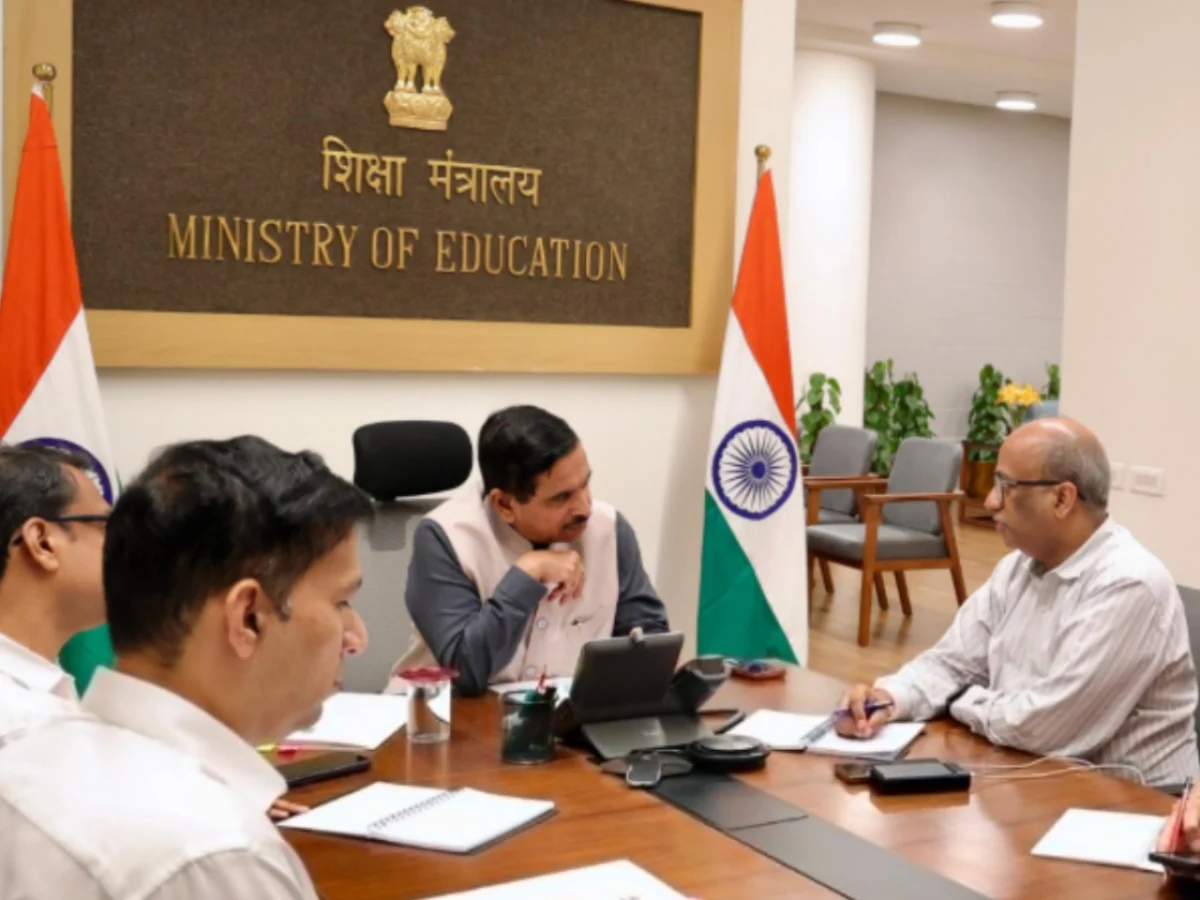
New Delhi: In a significant move to bolster the credibility and security of its examination processes, the National Testing Agency (NTA) has announced a comprehensive overhaul of its operational framework. The agency is set to implement a rigorous four-tier question paper scrutiny system and has already removed approximately 600 experts from its roster as part of a wider restructuring aimed at minimizing errors and preventing malpractices. These drastic measures follow a high-level review meeting with Union Education Minister Pralhad Joshi, signaling a renewed commitment to ensuring the integrity of national-level examinations.
The decision comes in the wake of persistent criticism and public outcry, particularly following recent controversies surrounding examinations like the NEET-UG, which led to widespread student protests and calls for accountability. The NTA’s revamped strategy emphasizes stringent security protocols, enhanced technological integration, and a significant recalibration of its human resources involved in the examination lifecycle.
)
NTA’s Strategic Overhaul: A Multi-Pronged Approach
The core of the NTA’s reform agenda lies in strengthening its internal mechanisms and external safeguards. The introduction of a four-tier question paper checking system is a cornerstone of this initiative. This multi-layered approach is designed to catch any potential errors, discrepancies, or unauthorized alterations at various stages of the paper’s creation and vetting process. Each tier will involve a distinct set of checks and validations, ensuring that the final question paper released to candidates is accurate, secure, and free from any form of compromise.

This enhanced scrutiny system is expected to significantly reduce the likelihood of typographical errors, factual inaccuracies, or the inadvertent inclusion of sensitive information that could compromise exam fairness. By creating a more robust and redundant checking mechanism, the NTA aims to build greater confidence among students and stakeholders regarding the reliability of its assessments.
)
Beyond the paper-setting process, the NTA is also undertaking a substantial restructuring of its expert pool. The removal of around 600 experts signifies a move towards a more dynamic and potentially more accountable workforce. While the exact criteria for the removal of these experts have not been publicly detailed, it is understood that the decision is part of a broader effort to re-evaluate existing collaborations and onboard individuals with proven track records and updated expertise.
)
Simultaneously, the agency is actively engaged in inducting new talent. Plans are in motion to onboard 20 to 25 new officials within the next two to three weeks. This infusion of fresh perspectives and expertise is crucial for implementing the new, more rigorous protocols effectively. The meeting with Minister Joshi also included a review of the agency’s ongoing and future recruitment and induction plans, highlighting the strategic importance placed on human capital development for exam management.
)
A Timeline of Transformation: From Review to Action
The recent directives from Union Education Minister Pralhad Joshi have acted as a catalyst for these immediate and decisive reforms. The review meeting, held on Tuesday, saw senior officials of the NTA briefing the Minister on the actions being taken in response to his earlier pronouncements.
)
August 18, 2026: In a post on X (formerly Twitter), the Ministry of Education stated, "As a follow up meeting on NTA, Union Education Minister Shri @JoshiPralhad directed that all necessary security and related infrastructural facilities should be put in place for the smooth conduct of examinations. Following directions from the Minister, DG, NTA apprised on the… [details of NTA’s actions]." This tweet underscored the Minister’s direct involvement and the urgency with which the reforms are being pursued.
)
Earlier directives from Minister Joshi had already set the stage for this comprehensive overhaul. He had emphasized the need for a "complete overhaul of the Confidential Operations (CONOPS) architecture." This included specific instructions for the implementation of enhanced security measures such as:
)
- Secluded rooms: Ensuring dedicated and secure spaces for sensitive examination-related activities.
- Air-gapped systems: Utilizing computer systems that are not connected to any network, thereby preventing external access and data breaches.
- Device-deposit protocols: Implementing strict procedures for the collection and secure storage of electronic devices from all personnel involved in critical stages of the examination process.
Minister Joshi had further directed that "strict compliance be ensured with the established exam protocols." This implies a review and reinforcement of existing rules and regulations governing exam conduct, with a focus on ensuring adherence at all levels. The NTA has been tasked with conducting a "thorough audit of all exam processes and submit a report on corrective action taken," a clear mandate for self-assessment and proactive problem-solving.
)
The urgency of these directives is reflected in the phrase "on a war footing," indicating that the NTA is expected to implement these changes with utmost speed and efficiency. This sense of urgency is directly linked to the need to restore public trust and prevent recurrence of past lapses.
)
Reinforcing Physical Infrastructure and Security
Beyond the procedural and personnel-related changes, the NTA is also addressing its physical infrastructure. The agency is reportedly preparing to shift its offices to new premises "on a war footing." This relocation is not merely a logistical change but is intrinsically linked to enhanced security. The new offices will feature reinforced security arrangements, including the deployment of Central Industrial Security Force (CISF) teams.
)
The presence of CISF personnel, known for their expertise in guarding sensitive government installations and public sector undertakings, signifies a significant upgrade in the NTA’s physical security posture. This move aims to create a more secure environment for the handling of confidential examination materials and the operational management of the agency.
)
Contextualizing the Reforms: The Shadow of NEET-UG and Beyond
The current wave of reforms by the NTA cannot be viewed in isolation. It is directly precipitated by the significant public and political pressure generated by the recent NEET-UG paper leak allegations. The controversy led to widespread protests across the country, with students and opposition parties demanding stringent action against the NTA, citing "repeated lapses" that have jeopardized the academic and career prospects of countless aspirants.
)
The political ramifications were also substantial, with Union Education Minister Dharmendra Pradhan having to resign from his position following the intense scrutiny and public discontent. Pralhad Joshi took over the portfolio and has made it a priority to address the systemic issues plaguing the NTA.
)
The NTA, established with the objective of conducting entrance examinations with utmost fairness and transparency, has faced increasing scrutiny over the years. While it manages a vast number of examinations annually, a few high-profile incidents of alleged irregularities have cast a long shadow over its overall credibility. These reforms are, therefore, not just about addressing the immediate fallout of the NEET-UG issue but represent a fundamental recalibration of the NTA’s operational philosophy and security architecture.
)
Implications and Future Outlook
The sweeping reforms initiated by the NTA carry significant implications for the future of national-level examinations in India.
)
- Restored Credibility: The multi-tiered scrutiny and enhanced physical security are expected to go a long way in restoring public trust in the NTA. Candidates can look forward to examinations that are perceived as more secure and fair, reducing anxiety and the potential for challenges based on procedural flaws.
- Improved Examination Quality: The rigorous vetting process for question papers should lead to a reduction in errors and ambiguities, ensuring that the assessment truly reflects the candidates’ knowledge and understanding.
- Accountability and Transparency: The restructuring of the expert pool and the focus on strict adherence to protocols signal a move towards greater accountability within the NTA. The emphasis on auditing and reporting suggests a commitment to transparency in its operations.
- Technological Integration: While not explicitly detailed in the initial announcements, the move towards enhanced security and air-gapped systems hints at a greater reliance on secure technological solutions in the future. This could include advanced proctoring systems, secure digital platforms for exam administration, and robust data management protocols.
- Potential for Increased Costs: Implementing such comprehensive security measures and upgrading infrastructure might lead to an increase in the operational costs of examinations. This could potentially translate to higher examination fees for candidates in the long run.
- Challenges in Implementation: The success of these reforms will heavily depend on the effective implementation of the new protocols. Continuous monitoring, training, and a culture of vigilance will be crucial to ensure that the changes are embedded in the NTA’s day-to-day operations.
The NTA’s aggressive stance on reform signals a critical juncture for the agency. By addressing both the human and systemic elements that contribute to examination integrity, the NTA is embarking on a path that, if successfully navigated, could redefine the standards for conducting large-scale assessments in India and re-establish its position as a reliable custodian of academic and career gateway examinations. The coming months will be crucial in observing the tangible impact of these significant changes on the ground.
