

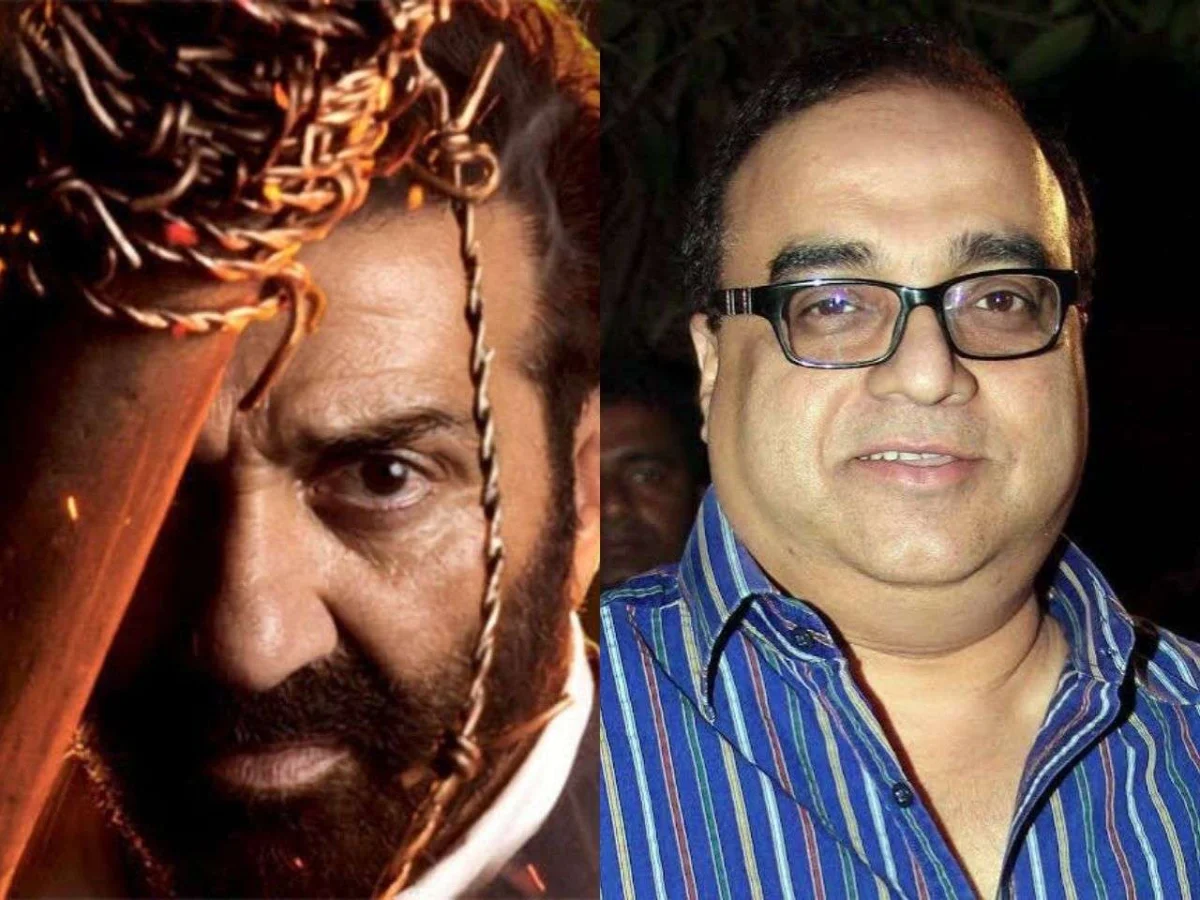
Mumbai, India – August 7, 2026 – Filmmaker Rajkumar Santoshi, renowned for his impactful storytelling and ability to craft enduring cinematic characters, has made a bold prediction: his upcoming film, "Batwara 1947," will catapult lead actor Sunny Deol to unprecedented heights, positioning him as India’s undisputed biggest star. Santoshi asserts that Deol’s portrayal in the historical drama will transcend the current landscape of pan-Indian superstars, establishing him as an icon for a new generation.
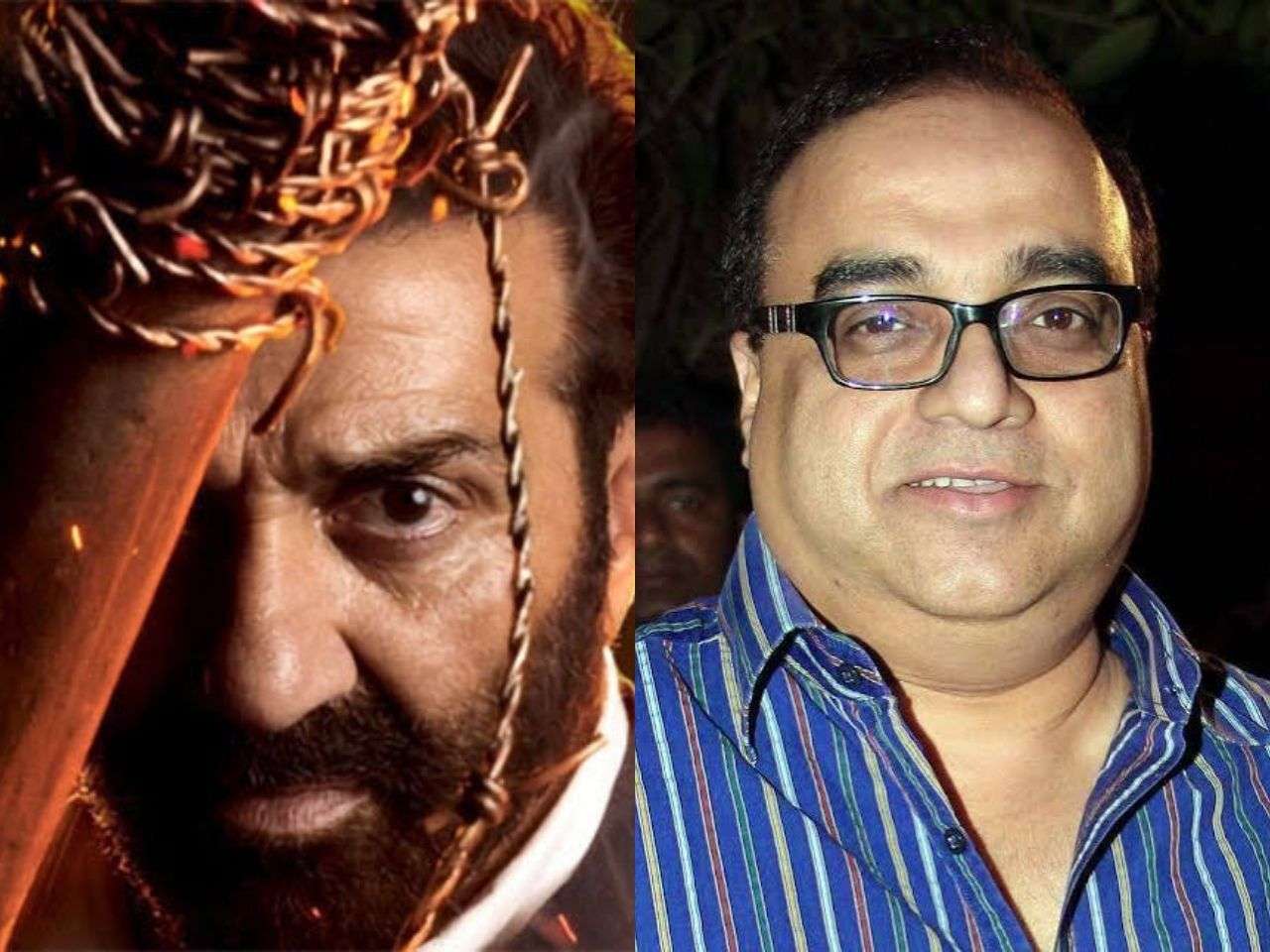
This ambitious declaration comes as "Batwara 1947" marks a significant reunion between Santoshi and Deol, a pairing that has previously delivered blockbuster hits like "Ghayal," "Damini," and "Ghatak." The director’s confidence stems from what he describes as a character in "Batwara 1947" that embodies a unique and powerful form of heroism, one that he believes will resonate deeply with audiences nationwide.
)
The Santoshi-Deol Legacy: A History of Cinematic Triumph
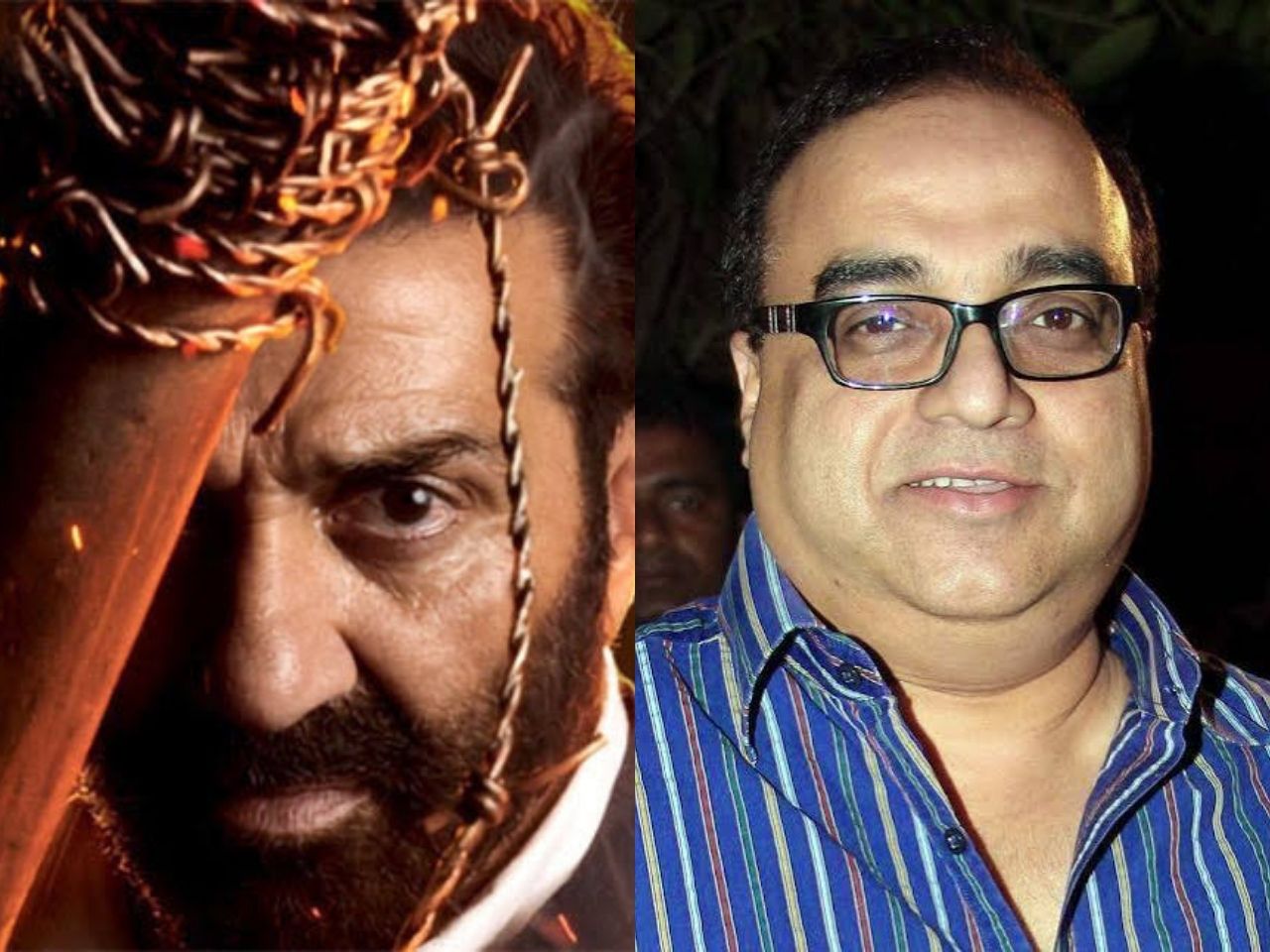
The partnership between Rajkumar Santoshi and Sunny Deol is etched in Bollywood’s memory. Their collaborations have consistently delivered films that not only achieved commercial success but also left a lasting cultural impact. "Ghayal" (1989) redefined action cinema with its raw intensity and a powerful performance from Deol as an everyman pushed to his limits. "Damini" (1993) showcased Deol’s commanding presence as a lawyer fighting for justice, earning critical acclaim and commercial success. The duo cemented their status with "Ghatak" (1996), another action-drama that further solidified Deol’s image as a formidable screen presence.
)
Now, after a hiatus of three decades, their reunion in "Batwara 1947" is laden with expectations. Santoshi’s pronouncements suggest that this collaboration is not merely a nostalgic return but a calculated move to present Sunny Deol in a role that will redefine his stardom.

Redefining Heroism: Beyond the Physical Prowess
Santoshi’s vision for Sunny Deol’s character in "Batwara 1947" appears to go beyond the typical action-hero archetype, even beyond Deol’s established persona. While acknowledging Deol’s inherent strength and ability to portray physically imposing characters, Santoshi emphasizes a deeper, more nuanced heroism in this new venture.
)
"Sunny ka jo character hai woh missal banne wala hai," Santoshi stated in a recent interaction with the media, alluding to the character’s potential to become a benchmark. "Itna bahadur, nek, strong character, aaj tak Hindustan mein kabhi nahi aaya," he continued, translating to: "Sunny’s character is set to become a benchmark. Such bravery, such righteousness, such strength – India has never seen a character like this before."
)
This description hints at a character driven by moral conviction and unwavering principles, rather than solely by physical might. Santoshi’s remarks also seemed to subtly contrast this with Deol’s iconic role in "Gadar: Ek Prem Katha," where his character’s strength was famously demonstrated by his ability to uproot a hand pump.
)
"Humne aksar dekha hai ki strong hero, gundo se ladh lega, mafia se ladh le ga, pump bhi ukhad dega kahi ja ke," Santoshi observed, with a knowing glance towards Deol, before elaborating on the distinct nature of the heroism in "Batwara 1947." "Lekin yaha Sunny ki ladai hai fanaticism ke aage. Jiske aage koi ladh bhi nahi paata. Ladh ke jeet bhi nahi paata," he explained, meaning: "We have often seen strong heroes who can fight goons, take on the mafia, even uproot a hand pump if needed. But here, Sunny’s battle is against fanaticism – something no one can truly fight, let alone defeat."
)
This statement positions the conflict in "Batwara 1947" as an ideological and moral struggle, a battle against a force that is intangible yet deeply destructive. Such a narrative promises to explore themes of resilience, conviction, and the human spirit in the face of extreme adversity, potentially offering a more profound and universally relatable form of heroism.
)
The Stakes of "Batwara 1947": A Battle Against Fanaticism
Santoshi elaborated on the immense courage required for Deol’s character to confront such a formidable adversary. "Woh uss power se ladhta hai, at the cost of his family. Yeh mamooli baat nahi hai. Bahut himmat ki baat hai," he said, signifying: "He takes on that immense force, even at the cost of his own family. This is no ordinary thing. It takes extraordinary courage."
)
This sacrifice, the willingness to endanger one’s own family for a greater cause, adds a layer of profound emotional depth to the character. It suggests a narrative that will not shy away from personal cost and the difficult choices individuals must make when confronted with overwhelming societal or ideological pressures. The film’s setting, "1947," further contextualizes this struggle within a pivotal and tumultuous period of Indian history, marked by partition and the ensuing communal tensions. This historical backdrop provides fertile ground for exploring the destructive nature of fanaticism and the individuals who stood against it.
)
A New Benchmark for Stardom: Deol as the "Hero of Heroes"
Rajkumar Santoshi’s unwavering belief in Sunny Deol’s potential is palpable. He unequivocally declared, "Sunny Deol is the hero of heroes. Saare heroes se bada hero hai. He’ll be an idol for youngsters." This statement directly challenges the established hierarchy of Indian cinema, suggesting that Deol, through his role in "Batwara 1947," will eclipse even the most popular pan-Indian stars like Prabhas, Yash, Allu Arjun, and the legacy figures like Amitabh Bachchan and the Khans (Shah Rukh, Salman, and Aamir).
)
The director’s assertion that Deol will become an "idol for youngsters" underscores the film’s aim to resonate with the youth demographic. This implies a character and a narrative that possess contemporary relevance and aspirational qualities, going beyond mere entertainment to inspire and influence. Santoshi’s conviction suggests that Deol’s portrayal will embody a blend of strength, integrity, and relatable human struggle that will capture the imagination of the younger generation, setting a new standard for what it means to be a hero in Indian cinema.
)
Historical Context and Release Strategy
"Batwara 1947" is scheduled for a theatrical release on August 14, 2026, a date strategically chosen to coincide with India’s Independence Day. This patriotic undertone further amplifies the film’s thematic resonance and its potential to connect with a national audience. The film’s exploration of a critical juncture in India’s history, coupled with a narrative that champions a profound form of heroism, is poised to create a significant cultural moment.
)
The choice of the year 1947 as the film’s title and setting is significant. It immediately evokes the Partition of India, a period of immense upheaval, violence, and communal strife. By centering the narrative around this era, Santoshi and Deol are likely aiming to tap into the collective memory and the enduring lessons of that tumultuous time. The film’s focus on battling fanaticism within this historical context suggests a powerful commentary on the dangers of extremism and the importance of humanistic values.
)
The reunion of Santoshi and Deol after three decades is not just a commercial strategy but a testament to their shared artistic vision and their understanding of what resonates with the Indian audience. Their previous successes have laid a strong foundation for "Batwara 1947" to be a significant cinematic event.
)
Implications for the Indian Film Industry
If Rajkumar Santoshi’s prediction holds true, the success of "Batwara 1947" could have profound implications for the Indian film industry.
)
- Shifting Perceptions of Stardom: A dethroning of the current pan-Indian superstars by a more traditional Bollywood hero would signal a potential shift in the criteria for stardom. It might suggest that a compelling narrative and a character that embodies deep-seated values can trump sheer market reach or the multi-lingual appeal of some current stars.
- Revival of Content-Driven Cinema: Santoshi’s emphasis on the character’s righteousness and bravery, and its battle against an abstract evil like fanaticism, suggests a move towards more content-driven narratives that can transcend regional boundaries based on their inherent strength and thematic depth.
- Re-evaluation of Heroism: The film’s proposed redefinition of heroism, moving beyond brute force to encompass moral conviction and sacrifice, could influence future characterizations and storytelling in Indian cinema. This could lead to a more diverse and complex portrayal of male leads.
- The Power of Nostalgia and Collaboration: The successful reunion of a celebrated director-actor duo after a long hiatus could encourage more such partnerships, leveraging established chemistry and audience trust to create impactful films.
Conclusion: A Calculated Gamble or a Visionary Forecast?
Rajkumar Santoshi’s bold pronouncements about Sunny Deol’s future stardom are more than just promotional hyperbole. They are rooted in a deep understanding of Deol’s capabilities and a conviction in the power of the narrative crafted for "Batwara 1947." The film, set against the backdrop of India’s most defining historical moment, promises a story of courage, integrity, and the enduring fight against fanaticism.
)
As the release date of August 14, 2026, approaches, the industry and audiences will be keenly watching to see if Sunny Deol, under the directorial guidance of Rajkumar Santoshi, can indeed ascend to the pinnacle of Indian stardom, redefining heroism and leaving an indelible mark on the landscape of Bollywood. The reunion of this iconic director-actor duo is poised to be a major talking point, and their shared ambition could very well usher in a new era for Sunny Deol and Indian cinema.
