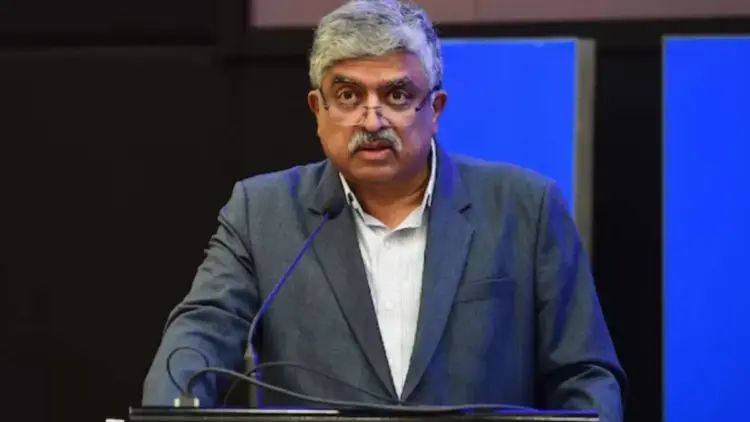
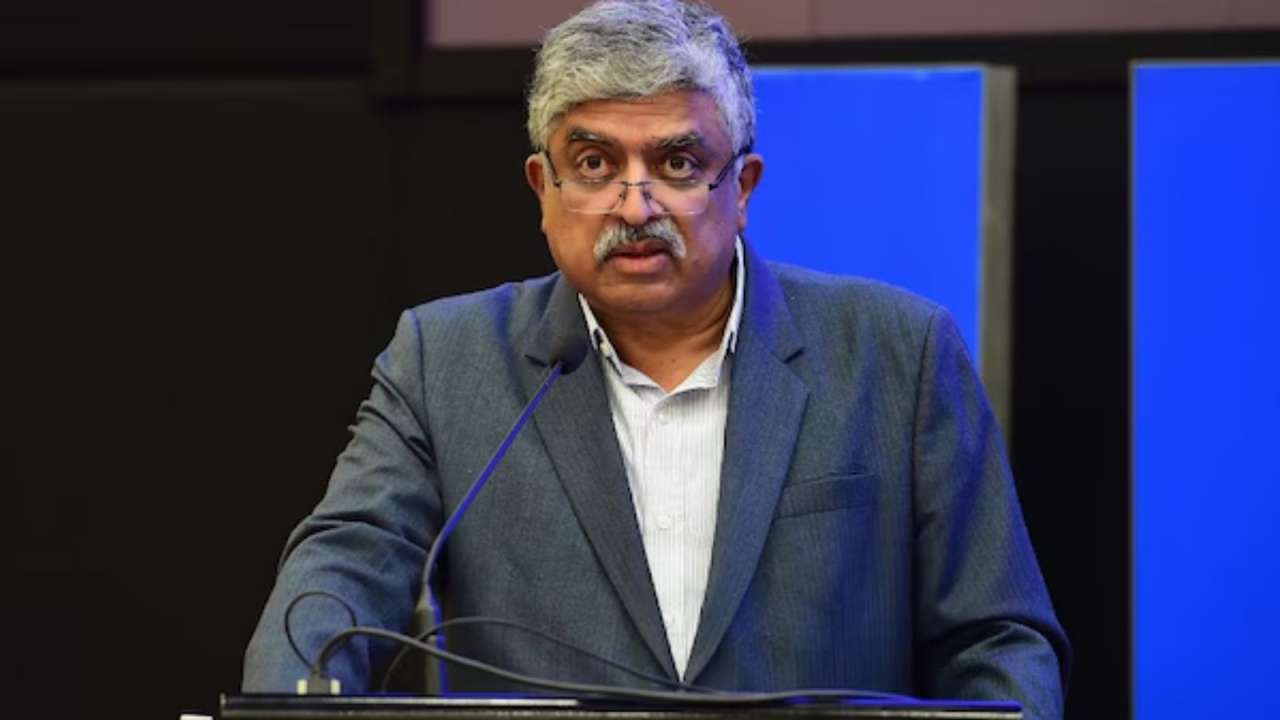
New Delhi, India – In a significant move to address the persistent menace of exam paper leaks, Nandan Nilekani, the distinguished co-founder of Infosys and a prominent figure in India’s digital revolution, has put forth a radical yet potentially transformative proposal. At the Bloomberg New Economy Forum 2026, Nilekani suggested leveraging Artificial Intelligence (AI) to generate question papers at the very last minute, thereby eliminating the economic incentive for leaks. This innovative approach is intrinsically linked to a broader vision of shifting major examinations to a computer-based testing (CBT) mode, a move that the government-appointed task force on exam reforms, which Nilekani chairs, is actively exploring.
The specter of paper leaks has plagued India’s examination system for years, casting a long shadow of doubt over the fairness and credibility of competitive exams, entrance tests, and board examinations. These leaks not only undermine the meritocratic principles that education should uphold but also inflict immense psychological and financial distress on aspiring students and their families. Nilekani’s proposition, therefore, arrives at a critical juncture, offering a potential technological antidote to a deeply entrenched systemic problem.
The Genesis of a Novel Solution: AI as a Paper Leak Deterrent
Nandan Nilekani, a seasoned technologist and architect of India’s Aadhaar system, understands the power of technology to solve complex societal challenges. His latest proposal centers on dismantling the very structure that facilitates paper leaks: the existence of a predetermined question paper. "Why do we need to have something called ‘a question paper’?" Nilekani posited at the forum, highlighting the inherent vulnerability. "Because that creates an economic incentive for it to be sold."
The proposed solution involves the creation of an expansive and dynamically updated question bank. From this colossal repository, AI algorithms would then be employed to generate the actual question paper for a specific examination, mere hours or even minutes before its commencement. This "just-in-time" generation would render any pre-leak or sale of question papers futile, as the paper would not exist in a fixed form until the eleventh hour.
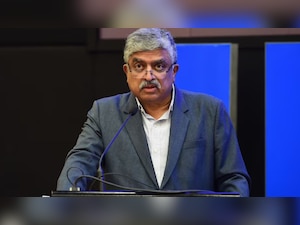
While Nilekani did not delve into the specifics of how the vast question bank itself would be secured against potential leaks, the fundamental premise is that the act of leaking a specific, finalized paper would become logistically impossible. This approach aims to shift the focus from preventing the physical leak of a document to making the leak itself irrelevant. The underlying assumption is that AI, with its ability to process vast amounts of data and generate novel content, can produce a unique and valid examination paper for each administration, drawing from a meticulously curated and secured database.
The Imperative of Digital Transformation: Embracing Computer-Based Testing
The feasibility of Nilekani’s AI-generated question paper model is inextricably tied to the widespread adoption of computer-based testing (CBT) for all major examinations. He articulated this vision clearly, stating, "The committee is looking at how to make sure all exams are done on CBT." This transition to digital testing offers several inherent advantages that align with the goal of enhancing exam integrity.

Firstly, CBT inherently reduces the reliance on physical paper, thus eliminating the traditional modes of paper leaks, such as interception during printing, transportation, or storage. Secondly, digital platforms can incorporate robust security features, including secure login protocols, invigilation through proctoring software, and real-time monitoring of candidate activity.
However, the transition to CBT is not without its challenges. Nilekani acknowledged that this requires a significant expansion of infrastructure, envisioning the utilization of the existing network of approximately 150,000 locations where young candidates can currently take tests. The challenge lies in ensuring these locations are adequately equipped with the necessary IT infrastructure and reliable internet connectivity to support large-scale, simultaneous computer-based examinations.

Navigating the Digital Divide: A Crucial Consideration
A significant concern that arises with the push for CBT is the persistent digital divide in India. While urban centers often boast robust internet access and widespread availability of computing devices, many rural and remote areas lag significantly. Nilekani’s proposal, while forward-looking, did not explicitly address how this disparity would be bridged to ensure equitable access for all students, regardless of their geographical location or socio-economic background.
The implications of a digital divide in the context of high-stakes examinations are profound. Students from underprivileged backgrounds, who may have limited access to computers or reliable internet at home, could be at a distinct disadvantage if all major exams are shifted to a CBT format without adequate compensatory measures. This could inadvertently create a new barrier to entry, exacerbating existing inequalities.

The National Testing Agency (NTA), which is at the forefront of conducting many of these examinations, is reportedly seeking assistance from the All India Council for Technical Education (AICTE) to identify suitable IT infrastructure and government institutions for establishing standard testing centers. The decision to avoid private centers due to integrity concerns underscores the paramount importance placed on security and transparency in the selection of testing venues. This collaboration aims to build a network of trusted and secure examination hubs capable of supporting the digital transition.
The Task Force: A Mandate for Comprehensive Reform
Nandan Nilekani’s role as the chairman of a six-member task force on exam reforms, constituted by the central government in July, provides a formal platform for these proposals to be meticulously examined and potentially implemented. The task force was formed in the wake of significant public outcry and political pressure following a series of high-profile paper leaks that led to the resignation of the then Education Minister, Dharmendra Pradhan.

The panel, comprising eminent personalities such as former ISRO chief S. Somanath and former IB director Tapan Deka, has been granted a three-month mandate to deliver its report. This compressed timeline reflects the urgency with which the government views the issue of exam integrity. In its short tenure, the task force has already undertaken extensive deliberations, conducting 18 internal meetings and engaging with over 40 stakeholders, including students, parents, and various examination bodies like the National Recruitment Agency (NRA), Staff Selection Commission (SSC), and Railway Recruitment Boards (RRB). The gathering of over 50,000 suggestions from these diverse groups underscores a commitment to a bottom-up approach to reform.
The task force’s mandate extends beyond just the immediate concern of paper leaks. It is expected to provide a holistic framework for improving the overall examination system, encompassing aspects of fairness, transparency, efficiency, and accessibility. Nilekani’s proposals on AI-generated papers and CBT are likely to form a significant cornerstone of these recommendations, representing a bold step towards modernizing India’s examination infrastructure.

Broader Implications and Future Trajectory
The adoption of AI-generated question papers and a universal shift to CBT would have profound and far-reaching implications for the Indian education landscape.
For Students: The primary benefit would be the restoration of faith in the examination system. Students would have greater confidence that their hard work and merit, rather than their ability to access leaked papers, would determine their success. This could lead to a more motivated and less stressed student population.

For Educational Institutions: The move towards standardized CBT centers could also streamline the examination process for institutions, reducing logistical complexities and potentially lowering administrative costs in the long run.
For Technology Providers: The implementation of such a system would create significant opportunities for technology companies specializing in AI, cybersecurity, and educational technology. The development of secure question banks, sophisticated AI algorithms for question generation, and robust CBT platforms would become critical.

For Governance and Policy: The success of this initiative would depend heavily on effective policy-making, robust regulatory frameworks, and significant investment in digital infrastructure. Addressing the digital divide would require targeted interventions and public-private partnerships.
However, the path to implementation will not be without its hurdles. The technical intricacies of developing AI that can generate questions of appropriate difficulty and syllabic coverage, ensuring the security of the question bank, and building a nationwide network of reliable CBT centers are substantial challenges. Furthermore, the cost of such an overhaul, both in terms of technology and infrastructure, would be considerable.

The success of Nandan Nilekani’s vision hinges on a multi-pronged approach that not only embraces technological innovation but also prioritizes inclusivity and equity. If these challenges can be effectively navigated, India could be on the cusp of a revolution in its examination system, one that leverages the power of AI and digital transformation to usher in an era of unprecedented fairness and integrity in education. The coming months, as the task force finalizes its recommendations, will be crucial in determining the future trajectory of this ambitious reform.