

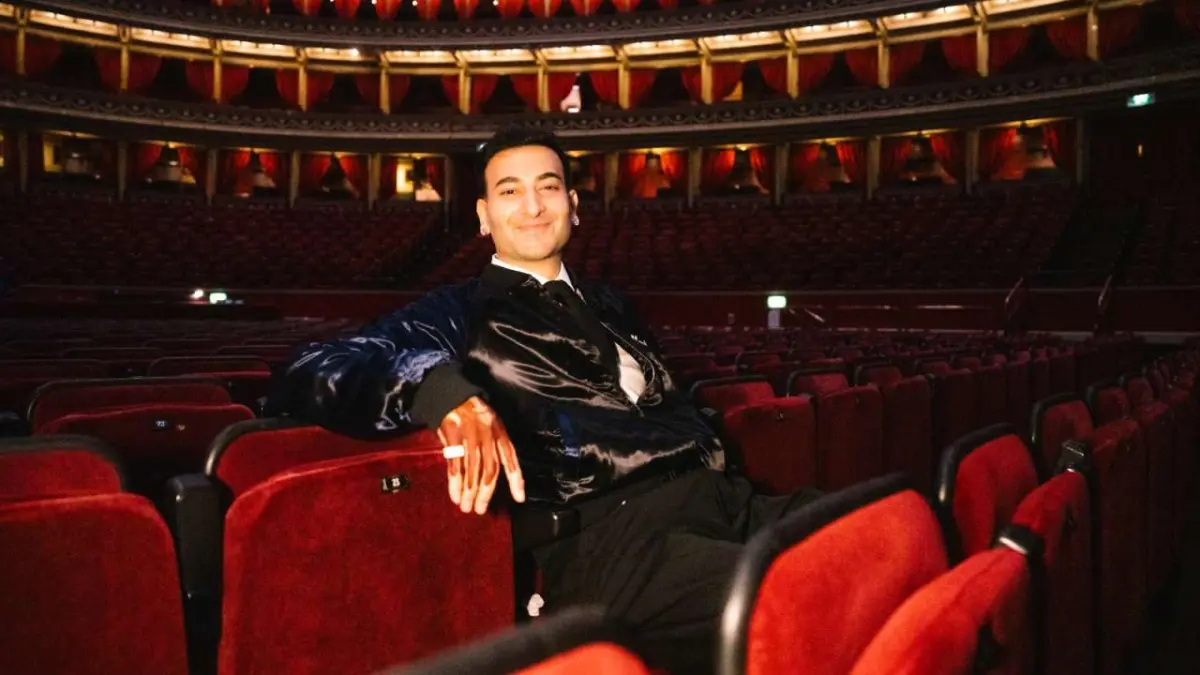
London, UK – [Insert Date] – In a landmark moment for Indian classical music on the global stage, sitarist and music producer Rishab Rikhiram Sharma etched his name in the annals of the prestigious Royal Albert Hall with a sold-out debut performance. Addressing an awe-struck audience exceeding 5,000 attendees, Sharma not only captivated with his virtuosity but also powerfully amplified his “Sitar for Mental Health” initiative, weaving a narrative of healing and connection through his acclaimed compositions and unique repertoire. This momentous occasion marks Sharma as a pioneering figure, becoming the first sitarist of his generation to grace the hallowed stage of the iconic London venue.
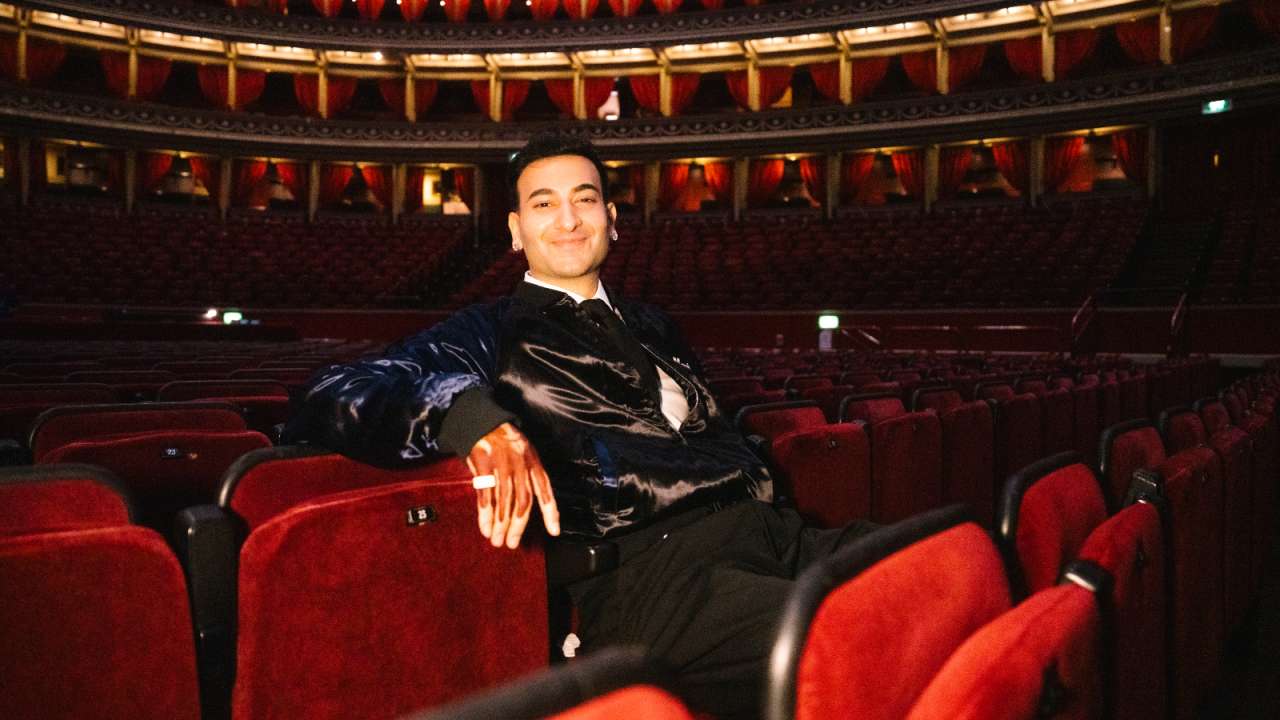
The concert, meticulously presented by Metropolis Music and Live Nation, transcended a mere musical performance, evolving into an immersive experience that underscored Sharma’s commitment to destigmatizing mental health discussions. His curated setlist masterfully blended traditional Indian classical elements with contemporary production techniques and introspective meditation practices, offering a holistic approach to well-being. Attendees were treated to a sonic journey that included Sharma’s deeply resonant ambient compositions such as "Chanakya," "Tandavam," "Shiv Kailash," "Roslyn," and "The Burning Ghat." The program also featured a breathtakingly cinematic sitar rendition of the iconic theme from Christopher Nolan’s science fiction epic, Interstellar, and a poignant performance of the Ramayana song, "Rama Rama," resonating with spiritual and emotional depth.
)
A Visionary Performance: Bridging Tradition and Modernity
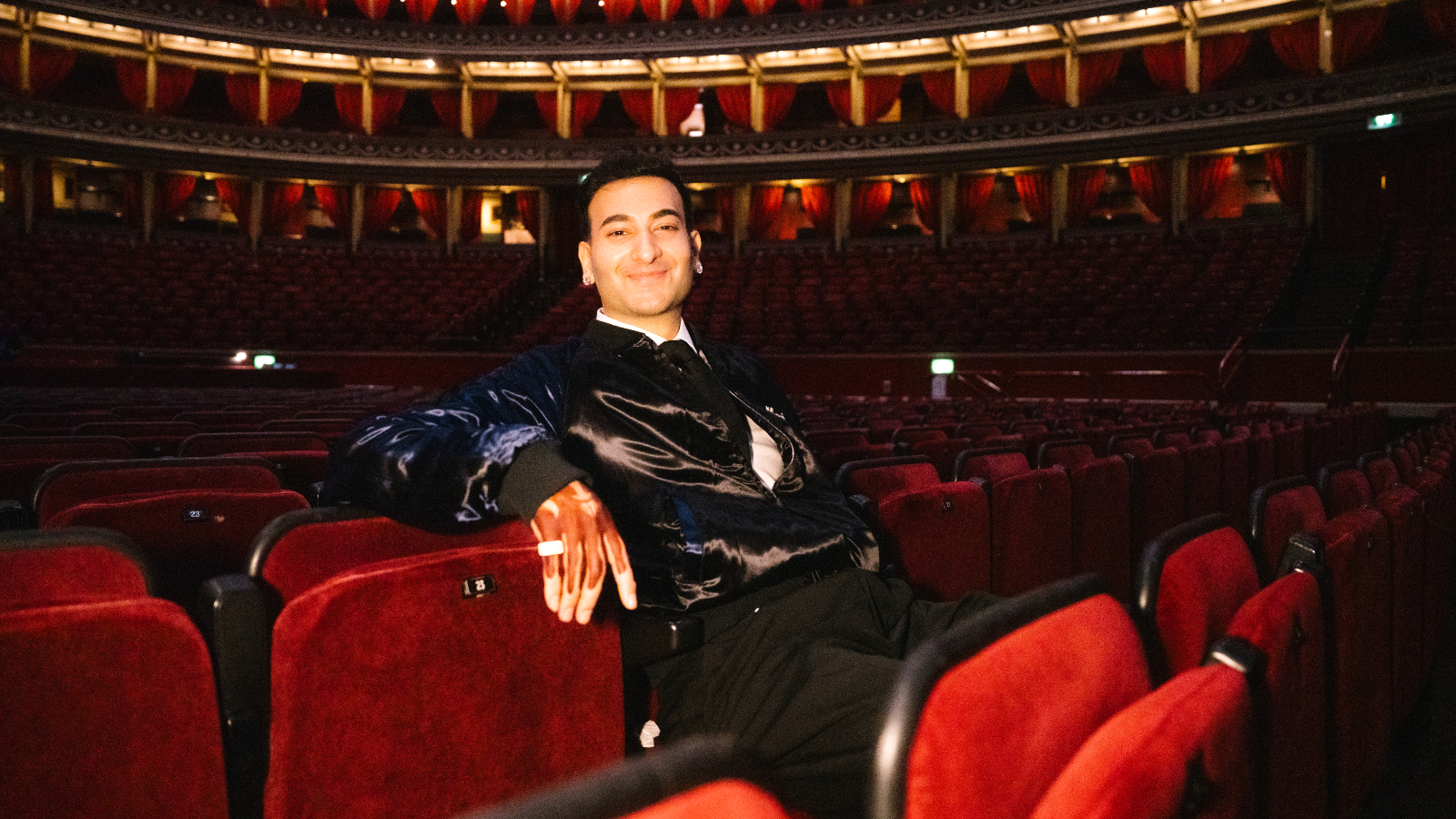
Sharma’s Royal Albert Hall debut was not just a testament to his musical prowess but also a carefully orchestrated spectacle that engaged multiple senses. The artist himself was a vision of cultural reverence and artistic innovation. He adorned a bespoke ivory brocade outfit, a masterpiece meticulously designed by the renowned couturier Amit Agarwal. Complementing this regal attire was an elaborate full-arm henna artwork, a collaborative creation with multidisciplinary artist Santanu Hazarika. This intricate body art was a profound visual narrative, drawing inspiration from Vedic and Hindu iconography. It depicted elements such as a temple shikhara reaching towards the heavens, Mount Meru symbolizing the cosmic axis, crows representing ancestral spirits, and fire motifs embodying Mukti (liberation). Imagery associated with Lord Shiva, including the Trishul (trident), Naag (serpent), third eye, and Damru (drum), further enriched the artistic tapestry. This profound artwork was conceived as a deeply moving homage to departed souls during the auspicious period of Shraddh, a time of remembrance and spiritual connection.

The visual and auditory elements converged to create an unforgettable experience for the audience. The ethereal sounds of the sitar, amplified and interwoven with ambient textures, transported listeners to a space of introspection and emotional release. Sharma’s ability to seamlessly integrate diverse musical influences, from the profound stillness of meditation to the grandeur of cinematic scores, demonstrated a rare musical maturity and a deep understanding of his audience’s emotional landscape.
)
"Sitar for Mental Health": A Global Movement Gains Momentum
The "Sitar for Mental Health" initiative, central to Sharma’s artistic mission, aims to leverage the therapeutic power of music to foster dialogue and support for mental well-being. The Royal Albert Hall concert served as a powerful platform to further this cause, reaching an international audience and sparking conversations about the intersection of art, spirituality, and mental health. Sharma’s vision extends beyond performance; he endeavors to create spaces where individuals can find solace, understanding, and a sense of community through the universal language of music.
)
The initiative’s success at such a globally recognized venue underscores the growing recognition of music’s profound impact on mental health. By incorporating meditative practices and creating an atmosphere of serenity, Sharma’s concerts offer a unique sanctuary from the stresses of modern life. The sitar, with its rich, resonant tones, has long been associated with spiritual and meditative practices, and Sharma’s modern interpretation breathes new life into this ancient connection.
)
A Journey of Dedication: The Path to the Royal Albert Hall
Rishab Rikhiram Sharma’s ascent to the Royal Albert Hall stage is a testament to years of dedicated practice, artistic innovation, and a steadfast commitment to his vision. His journey began with a deep immersion in the rich tradition of Indian classical music, honing his skills under the tutelage of esteemed gurus. However, Sharma’s artistic compass has always pointed towards exploring new frontiers, infusing his classical training with contemporary sensibilities and a forward-thinking approach to music production.
)
His early compositions began to garner attention for their unique blend of traditional melodies and modern sonic landscapes. Sharma’s ability to craft ambient soundscapes that evoke a sense of peace and introspection quickly set him apart. The "Sitar for Mental Health" initiative emerged as a natural extension of his artistic philosophy, born from a personal understanding of the challenges many face with their mental well-being.
)
The selection of the Royal Albert Hall for a pivotal performance was not coincidental. This iconic venue, a beacon of artistic excellence for over a century, represents a pinnacle of achievement for any performer. For an artist deeply rooted in a classical tradition, yet pushing its boundaries, the Royal Albert Hall offered a platform to showcase the evolution of Indian classical music to a global audience. The sold-out status of the concert, with over 5,000 attendees, speaks volumes about Sharma’s growing international appeal and the resonance of his message.
)
The Power of Artistic Expression: Visuals and Symbolism
The visual dimension of Sharma’s performance at the Royal Albert Hall was as meticulously crafted as his musical arrangements. The bespoke ivory brocade outfit, a collaboration with couturier Amit Agarwal, exuded an aura of understated elegance and artistic sophistication. It was a sartorial choice that resonated with the grandeur of the occasion while remaining grounded in cultural aesthetics.
)
However, it was the full-arm henna artwork, created in partnership with multidisciplinary artist Santanu Hazarika, that truly elevated the visual narrative. This intricate body art was more than mere decoration; it was a deeply symbolic language that conveyed a powerful message of spiritual connection and remembrance. The incorporation of Vedic and Hindu iconography was a deliberate choice, anchoring the performance in a rich cultural heritage.
)
- Temple Shikhara: Symbolizing aspiration and spiritual elevation, the towering spire of a temple reaching towards the divine.
- Mount Meru: The mythical cosmic mountain, representing the axis of the universe and the interconnectedness of all existence.
- Crows: In many Indian traditions, crows are seen as messengers from the spirit world, representing ancestors and the continuum of life.
- Fire Motifs: Fire is a powerful symbol of purification, transformation, and Mukti (liberation from the cycle of birth and death).
- Shiva’s Attributes: The Trishul, Naag, third eye, and Damru are potent symbols associated with Lord Shiva, representing power, destruction, creation, and the cosmic dance.
The timing of this elaborate artwork, created during the period of Shraddh, added a layer of profound significance. Shraddh is a period dedicated to honoring ancestors and performing rituals for their spiritual well-being. By incorporating these motifs, Sharma and Hazarika not only paid homage to the departed but also intertwined themes of remembrance, spirituality, and the cyclical nature of life and death with the performance. This deliberate fusion of visual storytelling and musical expression created a multi-dimensional experience that deeply resonated with the audience, fostering a sense of shared cultural heritage and introspective contemplation.
)
Supporting Data and Impact
The success of Rishab Rikhiram Sharma’s Royal Albert Hall debut can be further contextualized by several key factors:
)
- Audience Reach: A sold-out concert of over 5,000 people at such a prestigious venue signifies significant public interest and a growing appreciation for Sharma’s unique musical offerings. This reach extends beyond the physical audience, amplified by media coverage and social media engagement.
- "Sitar for Mental Health" Initiative Growth: The high-profile performance provides a substantial boost to the initiative’s visibility and impact. It allows Sharma to connect with a wider audience on the crucial topic of mental health, encouraging open conversations and destigmatization.
- Cultural Representation: Sharma’s debut as the first sitarist of his generation to perform at the Royal Albert Hall is a significant milestone for Indian classical music on the international stage. It opens doors for future artists and further integrates Indian musical traditions into the global cultural landscape.
- Cross-Genre Appeal: The inclusion of an Interstellar theme rendition and the performance of "Rama Rama" demonstrate Sharma’s ability to bridge diverse musical genres and appeal to a broad spectrum of listeners, from fans of film scores to those with a spiritual inclination.
- Media Attention: The event garnered considerable media attention, with news outlets worldwide covering Sharma’s historic performance. This publicity further amplifies the reach of the "Sitar for Mental Health" initiative and highlights the growing importance of mental well-being.
Official Responses and Future Implications
The presentation of the concert by Metropolis Music and Live Nation, two prominent names in the global live entertainment industry, underscores the commercial viability and artistic significance of Rishab Rikhiram Sharma’s work. Their endorsement lends considerable weight to his artistic endeavors and the "Sitar for Mental Health" initiative.
)
While specific official statements from the organizers or government bodies were not detailed in the initial report, the very act of hosting such a large-scale event at the Royal Albert Hall implies a recognition of Sharma’s talent and the cultural importance of his performance. The success of this concert is likely to pave the way for further collaborations and opportunities, both for Sharma and for the broader landscape of Indian classical music in international venues.
)
The implications of Rishab Rikhiram Sharma’s Royal Albert Hall debut are far-reaching:
)
- Elevated Profile for Indian Classical Music: This achievement places Indian classical music, and specifically the sitar, in a prominent position on the global cultural agenda. It demonstrates that traditional art forms can resonate powerfully with contemporary audiences when presented with innovation and relevance.
- Advancement of Mental Health Advocacy: The concert serves as a powerful advocacy tool, demonstrating how art can be a vehicle for promoting mental well-being. Sharma’s initiative is likely to inspire similar movements and encourage more artists to use their platforms for social good.
- Inspiration for Future Generations: Sharma’s success provides a beacon of inspiration for aspiring musicians, particularly those from Indian classical backgrounds, showing them that international acclaim and impact are achievable through dedication, creativity, and a clear artistic vision.
- Cross-Cultural Dialogue: The performance fosters a richer cross-cultural dialogue, bridging Eastern and Western artistic sensibilities and highlighting the universal human need for connection, healing, and artistic expression.
A Global Tour Continues: Extending the Message of Healing
The impact of the Royal Albert Hall performance is amplified by the continuation of Sharma’s "Sitar for Mental Health" world tour. Following his triumphant London debut, the tour is set to traverse North America, with upcoming performances scheduled in key cities including Washington D.C., Toronto, Oakland, and Los Angeles. The tour culminates with a highly anticipated show at the legendary Carnegie Hall in New York, another iconic venue that will further solidify Sharma’s global standing.
)
Each stop on this tour presents an opportunity to further the dialogue on mental health, share the therapeutic power of the sitar, and connect with diverse communities. The inclusion of these significant international venues in his tour underscores the growing demand for Sharma’s unique blend of musical artistry and his heartfelt message of well-being. Rishab Rikhiram Sharma’s journey from the hallowed halls of Indian classical music to the global stage of the Royal Albert Hall is a powerful narrative of artistic excellence, cultural advocacy, and the transformative potential of music to heal and connect. His historic debut is not just a personal triumph but a significant moment for the evolution of music and mental health awareness worldwide.
