

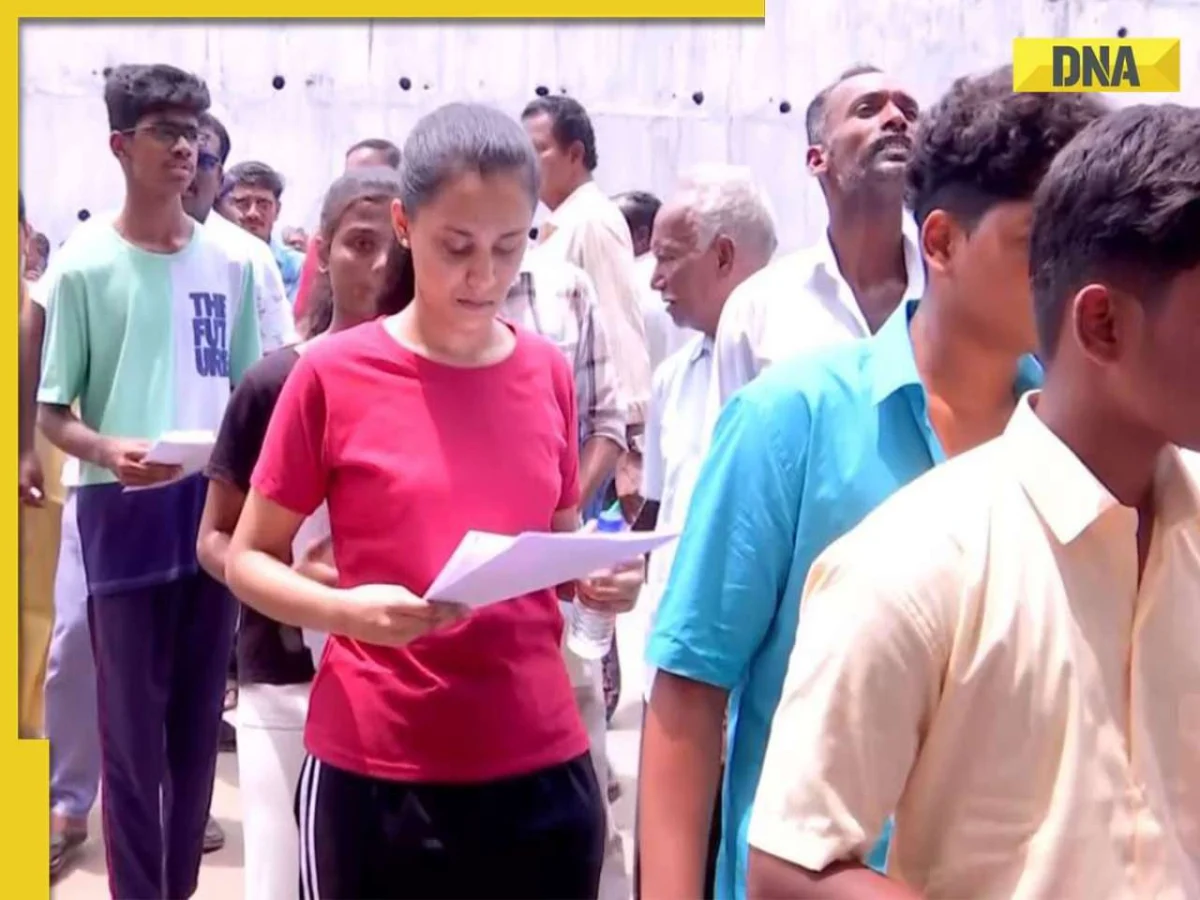
New Delhi, India – May 27, 2026 – The Supreme Court of India has voiced strong dissatisfaction with the National Testing Agency (NTA), observing that the agency appears to have "not learnt its lesson" despite previous judicial interventions in the NEET (National Eligibility-cum-Entrance Test) controversy. The apex court has formally sought responses from the Union government, the NTA, and the Central Bureau of Investigation (CBI) on petitions advocating for the replacement of the NTA with a more robust and autonomous body to conduct the crucial medical entrance examination.
The stinging remarks came from a bench comprising Justices PS Narasimha and Alok Aradhe, who emphasized the recurring nature of the NEET paper leak issue and the apparent lack of substantive reforms within the NTA. The court has directed that copies of the filed petitions be provided to Solicitor General Tushar Mehta and other relevant parties, underscoring the gravity of the situation. In a significant move, the NTA has been ordered to submit an affidavit by Thursday detailing its compliance with the court’s directives from 2024 concerning reforms and monitoring mechanisms.
)
The Court’s Stern Rebuke: A Pattern of Negligence
During the hearing, Justice Narasimha, leading the bench, verbally expressed the court’s disappointment. "It’s sad that they have not learnt their lessons," he remarked, highlighting that the issue had previously reached the Supreme Court. The court recalled the existence of a committee and a monitoring committee that had made recommendations, which were subsequently accepted. The current directive is for the NTA to present a comprehensive affidavit outlining the concrete steps taken to implement these past recommendations.

This judicial reprimand underscores a growing concern that the NTA, responsible for conducting numerous high-stakes entrance examinations across the country, has failed to instill the necessary safeguards to prevent malpractices, particularly the egregious issue of paper leaks. The repeated occurrences of such incidents not only undermine the integrity of the examination process but also severely impact the aspirations of lakhs of students who dedicate years to preparing for these crucial tests.
)
FAIMA’s Plea for Systemic Change and the Court’s Response
The Supreme Court’s intervention was prompted by a petition filed by the Federation of All India Medical Association (FAIMA), represented by advocate Tanvi Dubey. FAIMA has urged the apex court to either directly restructure the NTA or to replace it entirely with a strong, independent, and autonomous system for conducting the NEET-UG. The medical body argues that the persistent paper leaks constitute a "direct assault" on the fundamental rights of over 22.7 lakh students who appeared for the examination this year.
)
In response to FAIMA’s petition, the Supreme Court has issued a notice and indicated that all similar matters pertaining to the NTA and the NEET controversy will be clubbed together for a consolidated hearing. This suggests a comprehensive judicial review of the NTA’s functioning and the broader examination system.
)
Furthermore, the court has directed the Centre-appointed committee, headed by former Indian Space Research Organisation (ISRO) chief K Radhakrishnan, to specifically outline the steps being taken to comply with the court’s existing directions. This committee was formed with the mandate to overhaul the NTA’s functioning, and its progress and adherence to judicial directives are now under judicial scrutiny.
)
Demands for an Independent Oversight and a Robust Examination Framework
FAIMA’s plea goes beyond merely criticizing the NTA. It proposes concrete solutions to ensure the integrity and fairness of future medical entrance examinations. The petition calls for the formation of a high-powered monitoring committee to oversee any re-examination process until a new, independent agency is formally established.
)
Crucially, FAIMA suggests that this oversight committee should comprise individuals with impeccable credentials and expertise, including a retired Supreme Court judge as its chairperson, alongside a cybersecurity expert and a forensic scientist. The objective behind this recommendation is to create a robust mechanism capable of preventing future leaks and ensuring a transparent and secure examination environment. The Federation’s argument is that the current system, marred by recurring failures, is failing to uphold the principles of meritocracy and equal opportunity for aspiring medical professionals.
)
Chronology of the NEET-UG 2026 Paper Leak Controversy and Judicial Intervention
The current judicial pronouncements are the culmination of a series of events that have brought the NTA’s competence into sharp focus:
)
- May 3, 2026: The NEET-UG examination for entry into medical programmes across India is conducted by the NTA.
- May 12, 2026: Allegations of widespread paper leaks surface, leading to significant public outcry and demands for an investigation.
- May 12, 2026: In response to the mounting pressure and evidence of irregularities, the Union government announces the cancellation of the NEET-UG 2026 exam and orders a CBI investigation into the alleged malpractices.
- Subsequent Weeks/Months: The CBI begins its investigation, apprehending several individuals and uncovering a complex network involved in the paper leak. Simultaneously, numerous petitions are filed in various high courts and the Supreme Court, questioning the NTA’s credibility and demanding systemic reforms.
- Early May 2026 (Previous Year’s Intervention): The Supreme Court had previously intervened in NEET-related controversies, issuing directives for reforms and the establishment of monitoring mechanisms. The current proceedings indicate that these past interventions have not yielded the desired results.
- May 25, 2026 (Current Proceedings): The Supreme Court, hearing petitions, expresses its dismay at the NTA’s perceived failure to learn from past mistakes. The court issues notices to the Centre, NTA, and CBI, and directs the NTA to submit an affidavit detailing compliance with previous court orders. The court also calls for the K Radhakrishnan committee to outline its compliance steps.
This timeline highlights a disturbing pattern of recurring issues with the NEET examination and the NTA’s ability to effectively manage such a critical national test.
)
Supporting Data and the Scale of the Problem
The NEET-UG exam is one of the largest competitive entrance examinations in India, attracting millions of aspirants each year. In 2026, over 22.7 lakh students registered for the NEET-UG, a testament to the aspirations of young Indians seeking to pursue medical careers. The sheer scale of this examination places immense responsibility on the conducting authority to ensure its integrity.
)
The implications of paper leaks are far-reaching:
)
- Compromised Meritocracy: Students who have worked diligently are unfairly disadvantaged by those who gain access to exam papers through illicit means. This undermines the fundamental principle of meritocracy, which should be the bedrock of educational admissions.
- Erosion of Public Trust: Repeated scandals erode public trust in educational institutions and examination bodies, leading to widespread cynicism and disillusionment.
- Psychological Distress for Students: The uncertainty and perceived injustice caused by paper leaks inflict immense psychological distress on students and their families, who have invested significant time, effort, and financial resources in preparation.
- Legal and Administrative Burden: Investigations, cancellations, and re-examinations place a considerable burden on legal and administrative resources, diverting them from other crucial developmental activities.
The current investigation by the CBI is expected to shed more light on the extent of the paper leak and the individuals or groups involved. However, the Supreme Court’s focus is not just on the immediate investigation but on addressing the systemic failures that allow such incidents to recur.
)
Official Responses and the Road Ahead
While specific official statements from the NTA and the Union government were not detailed in the provided text, the Supreme Court’s directive for affidavits and the involvement of the Solicitor General indicate an active engagement from the government. The K Radhakrishnan committee’s mandate to overhaul the NTA’s functioning suggests that the government is aware of the need for reform.
)
The Solicitor General’s role in representing the Centre and the NTA in these proceedings signifies the administration’s acknowledgement of the judicial concerns. The government’s response, particularly through the affidavit to be submitted by the NTA, will be crucial in demonstrating the concrete steps being taken to address the court’s concerns.
)
The Supreme Court’s firm stance, coupled with the proactive involvement of the Federation of All India Medical Association, signals a potential turning point in the quest for a more transparent, reliable, and autonomous examination system for medical aspirants in India. The coming days and weeks will be critical in determining the future structure and functioning of the NTA and the NEET-UG examination. The judiciary’s unwavering commitment to ensuring fairness and integrity in these vital national tests is now more evident than ever. The ultimate goal is to restore faith in the system and ensure that only the most deserving candidates secure a place in India’s esteemed medical colleges.
