

By [Your Name/Agency]
The long-anticipated entry of Tesla into the Indian automotive market has transitioned from speculative headlines to a tangible, market-specific reality. While initial rumors suggested a focus on the entry-level Model 3, Tesla has instead executed a strategic maneuver by introducing the Model Y L. Priced at ₹61.99 lakh, this variant is not merely a global carry-over but a curated response to the unique demands of the Indian luxury consumer. By prioritizing space, utility, and a six-seat configuration, Tesla is signaling that its "India Chapter" will be defined by pragmatic luxury rather than just high-performance disruption.
Main Facts: A Tailored Entry into the Subcontinent
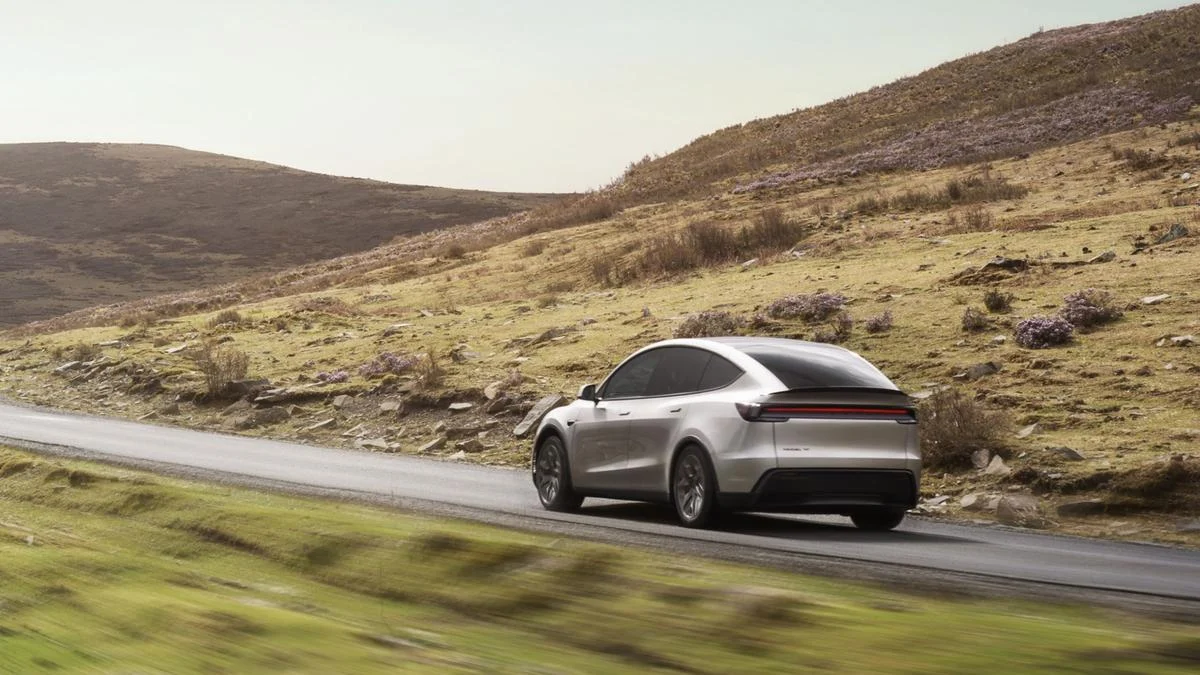
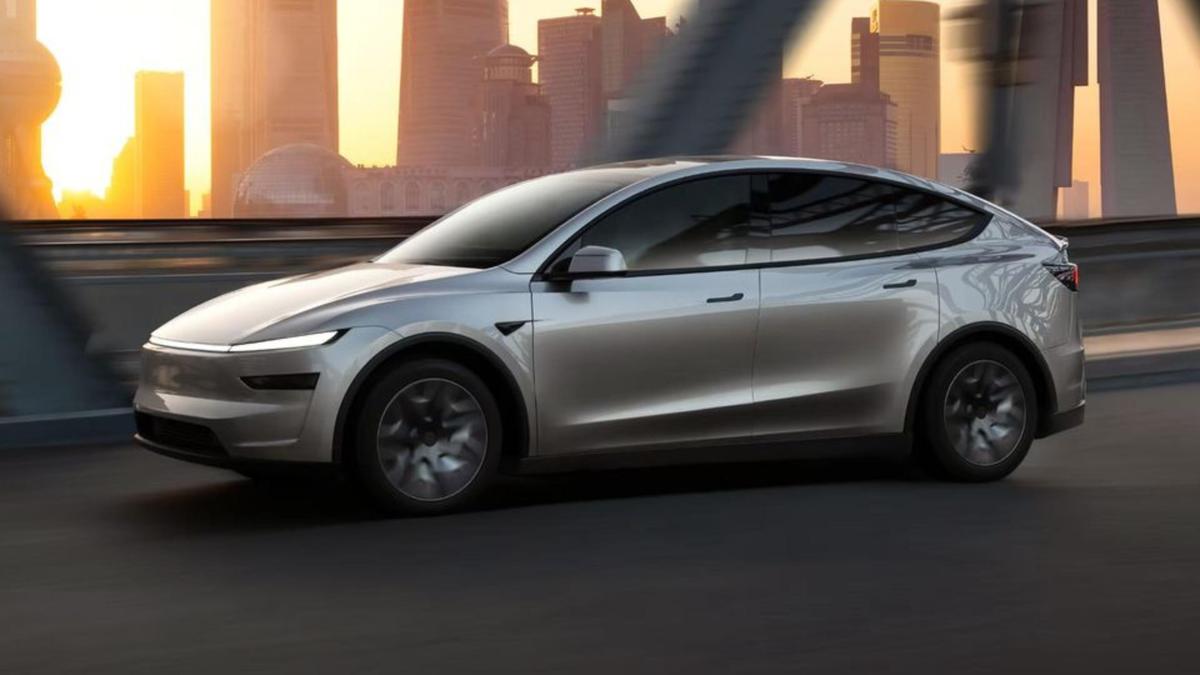
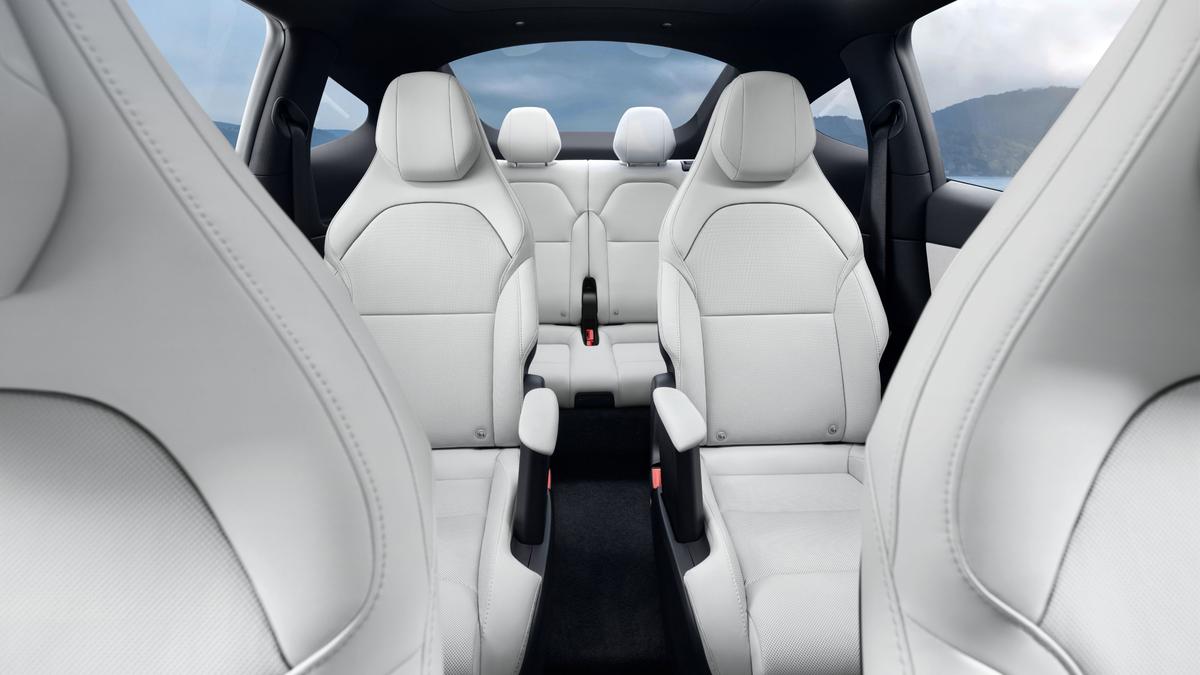
The Tesla Model Y L arrives as a mid-sized electric SUV that bridges the gap between performance-oriented EVs and family-centric luxury cruisers. The most striking feature of this specific iteration is the three-row, six-seat configuration—a departure from the standard five-seat layout found in Western markets.
Key specifications include:
- Pricing: ₹61.99 lakh (Ex-showroom).
- Seating: 2+2+2 configuration with second-row captain seats.
- Performance: 0–100 km/h in 5.0 seconds for the All-Wheel Drive (AWD) variant.
- Range: A claimed WLTP range of up to 681 km.
- Storage: A class-leading cargo capacity of up to 2,539 liters with seats folded.
- Suspension: Adaptive suspension with electronic damping, specifically tuned for diverse road surfaces.
Tesla’s entry at this price point places it in a competitive "sweet spot." It undercuts several European luxury electric SUVs while offering more seating capacity and a superior software ecosystem. The inclusion of localized features, such as vented climate control for the third row and specialized acoustic glass, suggests that Tesla has spent considerable time auditing the pain points of the Indian premium segment.
Chronology: The Long Road to the Indian Shore
The journey of Tesla to India has been one of the most documented corporate sagas in recent automotive history. To understand the significance of the Model Y L launch, one must look at the timeline of events that led to this moment.
2021–2022: The Tariff Deadlock
Initial discussions between Tesla and the Government of India were characterized by a stalemate over import duties. Tesla sought a reduction in the 60% to 100% customs duties on Completely Built Units (CBUs), arguing that lower duties would allow them to test market demand before committing to a Gigafactory. The Indian government, however, maintained a "Make in India" first approach, encouraging local assembly.
2023: The Policy Shift
The narrative began to shift in 2023 when the Ministry of Heavy Industries explored a new EV policy. This policy aimed to lower import taxes for companies that committed to investing at least $500 million and setting up local manufacturing facilities within three years. This opened the door for Tesla to bring in high-value models like the Model Y.
2024–2025: Testing and Infrastructure Sowing
Throughout late 2024, "spy shots" of Tesla vehicles undergoing testing on Indian highways became common. Simultaneously, Tesla began quietly installing its proprietary Supercharger network in major hubs like Delhi, Mumbai, and Bengaluru. Rather than a mass-market blitz, the company focused on establishing a premium "halo" presence.
May 2026: The Model Y L Debut
The official launch of the Model Y L marks the culmination of this five-year saga. By choosing the "L" variant (typically associated with longer wheelbases or enhanced interior room), Tesla bypassed the "sedan vs. SUV" debate, opting for the body style that currently dominates 50% of the Indian luxury market.

Supporting Data: Engineering for the Indian Context
Tesla’s success in India will depend on how its technology translates to local conditions. The Model Y L is equipped with several hardware and software features designed to handle the subcontinent’s unique environment.
The Power of Six: The Seating Revolution
In India, the "chauffeur-driven" experience remains a primary driver for luxury purchases. The Model Y L’s second-row captain seats are a direct nod to this culture. Unlike a bench seat, captain seats offer independent armrests, heating, and ventilation—features essential for India’s tropical climate. Furthermore, the one-touch folding mechanism for the third row addresses the need for versatility, allowing the vehicle to transition from a school-run car to a high-capacity airport shuttle.
Range and Charging Infrastructure
Range anxiety remains the single largest barrier to EV adoption in India. The 681 km (WLTP) range is designed to provide a "buffer" for long-distance intercity travel, such as the Mumbai-Goa or Delhi-Chandigarh routes.
- Supercharger Network: As of May 2026, Tesla has commissioned 5 flagship stations with 20 Superchargers.
- Wall Connectors: 14 Wall Connectors have been installed at premium hotels and malls to facilitate "destination charging."
While these numbers are modest compared to Tesla’s global footprint, the Superchargers’ ability to add up to 270 km of range in 15 minutes is a significant technological leap over existing public DC fast chargers in India.
Chassis and Ride Quality
Indian roads are notorious for their unpredictability, ranging from smooth expressways to unpaved rural stretches. The Model Y L features an adaptive suspension system with electronic damping. By utilizing sensors that monitor road inputs hundreds of times per second, the car can soften its ride over potholes while tightening up for stability at highway speeds. This focus on "ride comfort" over "track performance" is a calculated move to appeal to the family-oriented buyer.
Official Responses and Market Sentiment
While Tesla has remained characteristically lean in its official PR communications, industry analysts and market experts have weighed in on the implications of the ₹61.99 lakh pricing.

Industry Analysts’ Take:
"Tesla is not competing with the mass-market EVs from Tata or Mahindra," says Vikram Sahay, a senior automotive consultant. "They are targeting the ‘upgrade’ buyer—someone currently driving a Toyota Fortuner or a Mercedes C-Class who wants to move into the electric era without sacrificing brand prestige or cabin space. The ₹62 lakh price point is aggressive enough to make luxury buyers rethink their loyalty to German internal combustion engines."
The "Tesla Effect" on Competitors:
Spokespeople from rival luxury brands have noted the entry with cautious optimism. A representative from a major European luxury marque, speaking on the condition of anonymity, stated: "Tesla’s entry expands the total addressable market for EVs. It forces the entire ecosystem—from charging providers to software developers—to level up. We welcome the competition as it validates the premium EV segment in India."
Consumer Sentiment:
Initial feedback from early bookings suggests that the "Model Y L" branding has been well-received. Buyers have highlighted the 18-speaker audio system and the "theatre on wheels" capability (Netflix/YouTube integration) as major draws for families who spend significant time in urban traffic.
Implications: How the Model Y L Changes the Game
The arrival of the Tesla Model Y L is more than just a new car launch; it is a catalyst for several shifts in the Indian automotive ecosystem.
1. The Normalization of High-End Tech
Features like Live Camera Access and Satellite-View Maps, once considered futuristic, are now standard in the Model Y L. This will likely force domestic manufacturers to accelerate their software-defined vehicle (SDV) roadmaps to remain relevant.
2. A New Benchmark for Practicality
For years, premium EVs were criticized for being "toys for the wealthy"—fast but cramped. The Model Y L’s 2,539-liter cargo capacity and six-seat layout challenge this notion, proving that an EV can be the primary and only vehicle for a large Indian family.
3. Impact on the Used Car Market
The presence of a high-range, high-tech Tesla at ₹61.99 lakh will likely put downward pressure on the resale value of luxury petrol and diesel SUVs. As the "cool factor" shifts toward electric, traditional luxury vehicles may see a faster rate of depreciation.
4. Infrastructure Acceleration
Tesla’s Supercharger network, though currently small, sets a gold standard for reliability and integration. This is expected to push private charging providers like Tata Power and Zeon to improve their uptime and user interfaces to match the seamless "plug-and-charge" experience Tesla offers.
Conclusion: A Measured Masterstroke
Tesla’s entry into India via the Model Y L is a masterclass in market adaptation. By avoiding the temptation to launch a stripped-down "budget" Tesla, the company has preserved its aspirational value while delivering a product that solves the specific needs of the Indian elite: space, range, and status.
At ₹61.99 lakh, the Model Y L is not just a car; it is a statement of intent. It suggests that Tesla is no longer looking at India as a peripheral market but as a core pillar of its global expansion. While challenges remain—specifically regarding the density of the service network and the scalability of charging—the Model Y L provides a robust foundation. In the high-stakes game of electric mobility, Tesla has finally moved its most strategic piece onto the Indian board, and the ripples will be felt for years to come.

The Tesla Model Y L is currently available for booking through Tesla India’s official digital portal. Pricing is inclusive of standard warranty but excludes state-specific EV subsidies and registration taxes.
