

Introduction
The Indian motorcycling landscape has long been defined by the fiercely competitive 160cc segment. Positioned as the "sweet spot" for young commuters who crave a blend of aggressive styling, spirited performance, and daily usability, this category has recently seen a massive technological leap. Leading this charge is Bajaj Auto, which has officially raised the stakes with the launch of the updated Pulsar N160 4V.
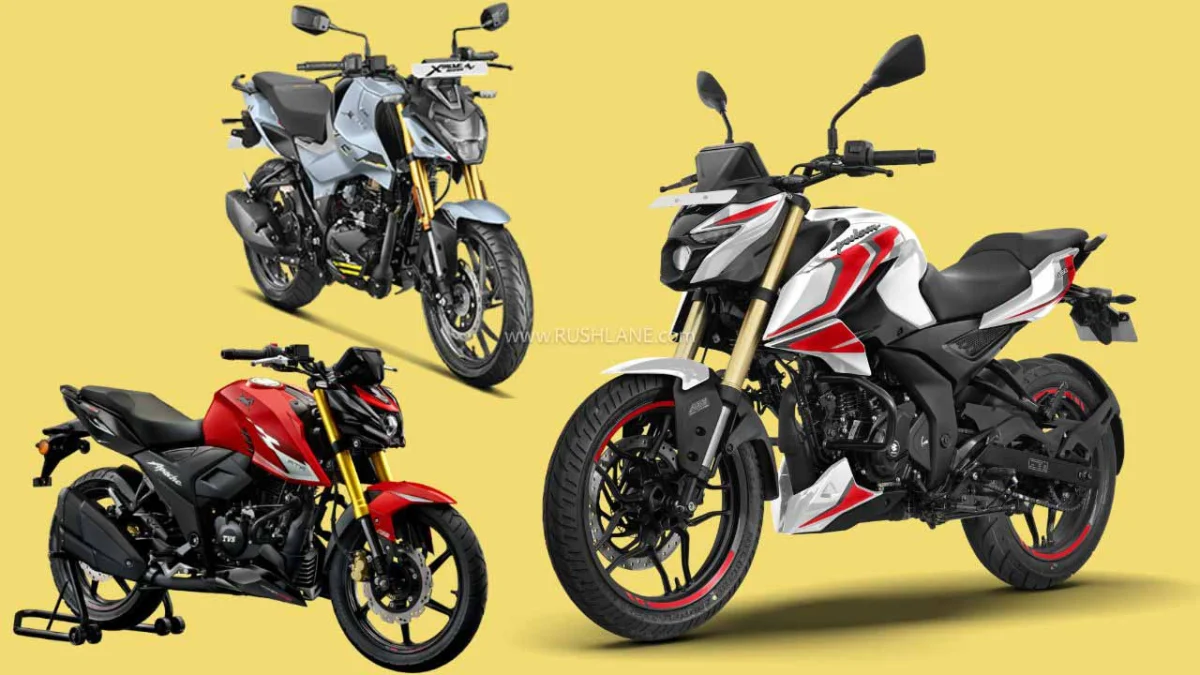
This isn’t just a minor cosmetic refresh; it is a calculated strike aimed directly at the segment’s established benchmarks: the TVS Apache RTR 160 4V and the Hero Xtreme 160R 4V. By introducing four-valve (4V) technology, advanced electronics, and segment-first navigation features, Bajaj is attempting to reclaim its dominance in the streetfighter category. This comprehensive analysis delves into the specifications, technology, and market implications of this three-way battle for 160cc supremacy.
1. Main Facts: The Engineering Evolution
The core of the new Bajaj Pulsar N160 4V lies in its updated powertrain. For years, the Pulsar brand relied on its robust DTS-i engines, but the shift toward 4V heads has become a necessity to meet the performance expectations of modern riders.
The Powerhouse: 164.5cc Oil-Cooled Engine
Bajaj has engineered a new 164.5cc oil-cooled engine featuring a four-valve head. This configuration allows the engine to "breathe" better at higher RPMs, resulting in a more linear power delivery and higher top-end performance. The results are evident in the numbers:
- Maximum Power: 18.24 bhp (The highest in its class).
- Peak Torque: 14.4 Nm.
In comparison, the TVS Apache RTR 160 4V, which was the long-standing performance leader, produces 17.3 bhp. The Hero Xtreme 160R 4V follows with 16.6 bhp. By surpassing the 18 bhp mark, Bajaj has positioned the N160 4V as the most powerful naturally aspirated 160cc motorcycle in the Indian market today.
The Electronics Suite
Beyond raw power, the N160 4V introduces electronics typically reserved for the 250cc-400cc segments.

- Ride-by-Wire (RbW): The Pulsar and the Hero Xtreme both feature electronic throttle bodies. This replaces traditional cable-actuated throttles, allowing for more precise fueling and smoother throttle response.
- Traction Control: In a segment first (shared with the Apache), the Pulsar N160 4V now offers a basic Traction Control System, providing an extra layer of safety on slippery urban surfaces.
- Google Maps Mirroring: The most talked-about feature is the new TFT instrument cluster that supports Google Maps mirroring—a feature that allows riders to see actual map layouts rather than just simple arrow-based turn-by-turn directions.
2. Chronology: The Journey to 4V Dominance
The evolution of the 160cc segment reflects the changing tastes of the Indian rider.
- Phase 1: The 2V Era (2010s): For nearly a decade, the segment was dominated by two-valve engines. The Pulsar 150 and the early Apache RTR 160 focused on low-end torque and fuel efficiency.
- Phase 2: The Arrival of the Apache 4V (2018): TVS disrupted the market by introducing the Apache RTR 160 4V, borrowing racing technology from its OMC (One Make Championship) bikes. This set a new standard for refinement and high-revving performance.
- Phase 3: Hero Joins the Fray (2023): After years of focusing on commuters, Hero MotoCorp launched the Xtreme 160R 4V, featuring Upside Down (USD) forks and a reworked 4V engine, proving that they were serious about the premium space.
- Phase 4: The Bajaj Counter-Strike (2024-2025): Recognizing that the standard N160 (2V) was falling behind in the "spec-sheet war," Bajaj developed the 4V variant. This latest update, featuring the TFT display and enhanced power, represents the current pinnacle of this chronological progression.
3. Supporting Data: A Head-to-Head Comparison
To understand how these three titans stack up, we must look at the technical data across four critical dimensions: Engine, Chassis, Features, and Dimensions.
Performance and Weight
| Feature | Bajaj Pulsar N160 4V | TVS Apache RTR 160 4V | Hero Xtreme 160R 4V |
|---|---|---|---|
| Engine | 164.5cc, Oil-Cooled, 4V | 159.7cc, Oil-Cooled, 4V | 163.2cc, Oil-Cooled, 4V |
| Power | 18.24 bhp | 17.3 bhp | 16.6 bhp |
| Torque | 14.4 Nm | 14.73 Nm | 14.6 Nm |
| Weight (Kerb) | 151 kg | 144 kg | 145 kg |
Analysis: While the Pulsar has the most power, it is also the heaviest at 151 kg. This gives the TVS Apache a slight advantage in power-to-weight ratio, making it feel more "flickable" in tight traffic. However, the Pulsar’s extra power helps it maintain higher cruising speeds on open roads.
Cycle Parts and Braking
- Suspension: Both the Pulsar N160 4V and the Hero Xtreme 160R 4V come standard with 37mm Gold-finished USD (Upside Down) forks, which offer better rigidity and cornering stability. The TVS Apache uses conventional Telescopic forks on its lower variants, though high-end versions offer more adjustment.
- Brakes: Bajaj leads the braking department with a massive 300mm front disc. The Apache and Xtreme use smaller discs. All three bikes offer Dual-Channel ABS, though Hero is the only manufacturer to provide it as standard across all variants of the 4V model.
- Tires: All three competitors are evenly matched here, utilizing 17-inch alloys with a 100-section front and a 130-section radial rear tire, ensuring a good balance of grip and aesthetics.
4. Official Stance and Market Strategy
While official press releases often focus on "youthful energy" and "racing DNA," the strategic positioning of these bikes tells a deeper story.
Bajaj Auto’s Strategy: "Feature Loading"
Bajaj’s decision to include Google Maps mirroring is a masterstroke in marketing. In an era where smartphones are central to life, offering a seamless navigation experience directly on the dashboard removes the need for aftermarket phone mounts, which are often prone to theft or vibration damage. By pricing the N160 4V at a premium (starting at Rs 1.34 lakh), Bajaj is signaling that the "N" series is no longer just a budget alternative but a tech-forward premium product.
TVS’s Strategy: "The Racing Pedigree"
TVS continues to rely on its "Track to Road" philosophy. The Apache RTR 160 4V remains the choice for enthusiasts who value adjustable levers, multiple riding modes (Urban, Rain, Sport), and a legacy of performance. Their pricing remains the most aggressive, starting at Rs 1.19 lakh, making it the most accessible entry point into the 4V world.
Hero’s Strategy: "The Modern Streetfighter"
Hero MotoCorp has positioned the Xtreme 160R 4V as the most "radical" looking bike. With its muscular tank and robotic headlamp, it appeals to those who want to stand out. Interestingly, Hero is the only one to offer Cruise Control—a feature typically useless in city traffic but a unique bragging right in the 160cc segment.

5. Implications for the Consumer and the Industry
The arrival of the Pulsar N160 4V has several long-term implications for the Indian two-wheeler market.
The Death of the 2-Valve Engine
With all three major players now offering 4V variants of their 160cc bikes, the traditional 2-valve engine is likely to be relegated to the 125cc and lower categories. Consumers now expect the higher refinement and top-end performance that only 4V heads can provide.
The Normalization of Premium Tech
Features like Traction Control, USD forks, and TFT displays with navigation were, until two years ago, reserved for bikes costing over Rs 2.5 lakh. Their inclusion in the 160cc segment suggests that the "feature war" has moved down the value chain. This benefits the consumer, who now receives high-end safety and convenience features at a much lower price point.
Pricing Pressure
The Pulsar N160 4V is the most expensive in this comparison. This poses a risk for Bajaj. While the tech is impressive, the 160cc buyer is notoriously price-sensitive. If the Pulsar’s premium over the Apache (nearly Rs 15,000) is perceived as too high, buyers might flock back to TVS, which offers a similar performance envelope for significantly less money.
Conclusion: Who Wins the 160cc Crown?
The "best" bike in this comparison depends entirely on the rider’s priorities:
- The Tech Enthusiast: The Bajaj Pulsar N160 4V is the clear winner. The Google Maps mirroring and the 18.24 bhp output make it the most sophisticated and powerful machine on paper. It is the bike for those who want the latest and greatest.
- The Value-for-Money Buyer: The TVS Apache RTR 160 4V remains the king of the segment in terms of sheer accessibility. It offers a balanced performance package, riding modes, and a proven track record for a significantly lower starting price.
- The Style Conscious Urbanite: The Hero Xtreme 160R 4V offers the best balance of unique aesthetics and rider comfort. With its standard Dual-Channel ABS and USD forks, it provides a premium feel without the steep price tag of the Bajaj.
As Bajaj Auto rolls out the N160 4V to dealerships across the country, one thing is certain: the 160cc segment has been forever elevated. The "commuter" label is fading, replaced by a new identity—the "Mini-Streetfighter." For the Indian rider, the choices have never been better, more powerful, or more connected.
