

The midsize sedan segment in India, once the undisputed crown jewel of the automotive market, has undergone a radical transformation over the last decade. While the surge of Compact SUVs threatened to overshadow the traditional three-box silhouette, a resurgence led by European engineering recently breathed new life into the category. For the past few years, the conversation has been dominated by the "power duo" from the Volkswagen Group—the Virtus and the Slavia—which captured the hearts of enthusiasts with their turbocharged performance and stiff, continental driving dynamics.
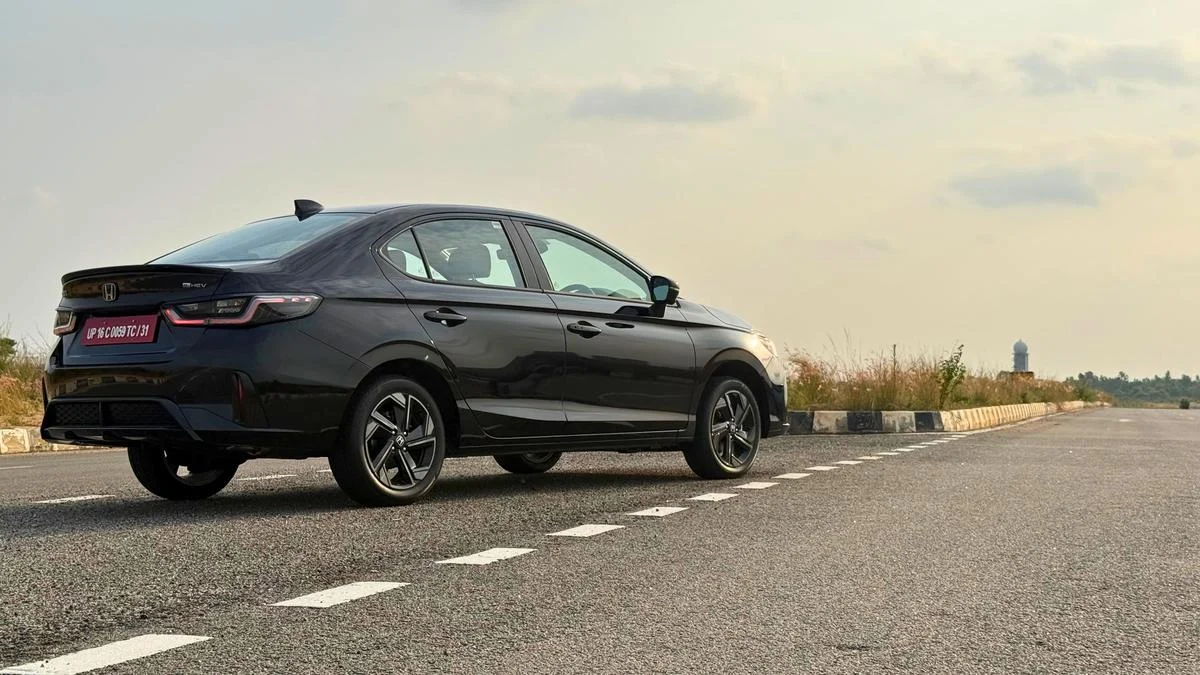
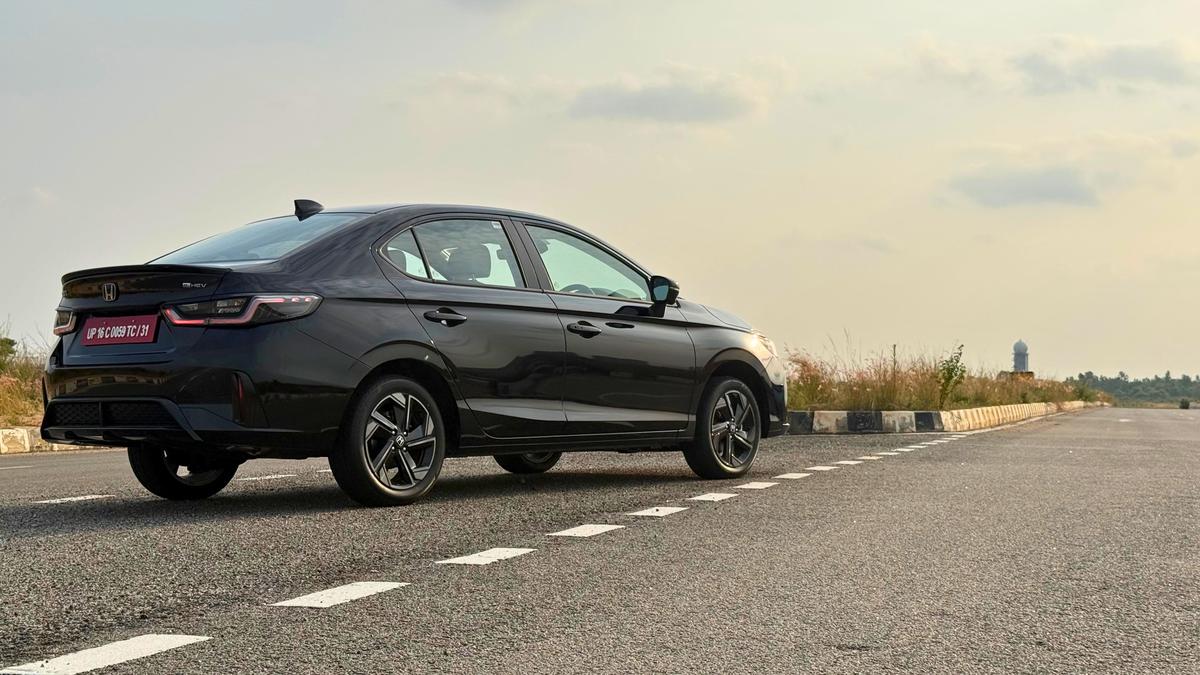
However, the "default recommendation" is currently being challenged. Honda, a brand whose name has been synonymous with the sedan segment for over two decades, has introduced the 2026 Honda City. This update is not merely a cosmetic facelift but a calculated effort to reclaim the throne by blending the City’s legendary comfort with a cutting-edge, strong-hybrid powertrain. Priced between INR 11.99 lakh and 20 lakh (ex-showroom), the 2026 Honda City represents a sophisticated alternative to the "turbo-petrol" mania, offering a package that prioritizes real-world usability and technological foresight.
Main Facts: Redefining the Segment Standard
The 2026 Honda City arrives at a time when consumer preferences are shifting from outright top-speed figures to a more holistic view of "ownership value." The standout feature of this iteration is the e:HEV strong-hybrid system. Unlike mild hybrids that offer a mere assist, Honda’s self-charging system allows the vehicle to operate as a pure electric vehicle (EV) in city conditions, a hybrid in moderate speeds, and a traditional internal combustion engine (ICE) on the highway.
Key Specifications at a Glance:
- Powertrain: 1.5-litre Atkinson-cycle i-VTEC petrol engine paired with two electric motors.
- Performance: Combined output of 126 PS and 253 Nm of torque.
- Acceleration: 0-100 km/h in a brisk 7.9 seconds.
- Fuel Efficiency: An industry-leading real-world figure of approximately 23.5 km/l.
- Dimensions: A class-leading length of 4,594 mm, ensuring significant road presence.
- Safety: Honda Sensing (ADAS) suite as standard on higher trims, complemented by six airbags.
Chronology: The Evolution of an Icon
The journey of the Honda City in the Indian market is one of consistent adaptation. To understand the significance of the 2026 model, one must look at the timeline of its development:
- The Legacy Era (1998–2019): For five generations, the City established itself as the "aspirational" car for the Indian middle class. It survived the diesel boom and the initial SUV onslaught by focusing on VTEC performance and rear-seat comfort.
- The Hybrid Introduction (2022): Honda introduced the first iteration of the City e:HEV, testing the waters for strong-hybrid technology in a market largely focused on EVs or traditional petrol engines.
- The 2026 Refinement (Current): Recognizing the competitive pressure from the Volkswagen Virtus and Skoda Slavia, Honda has now streamlined the City’s design, enhanced the feature list (adding ventilated seats and 360-degree cameras), and perfected the hybrid calibration to make it more responsive.
This latest update reflects a shift in Honda’s global strategy: moving away from "shouting" for attention with aggressive styling and instead focusing on "quiet luxury" and engineering depth.
Supporting Data: Performance Meets Pragmatism
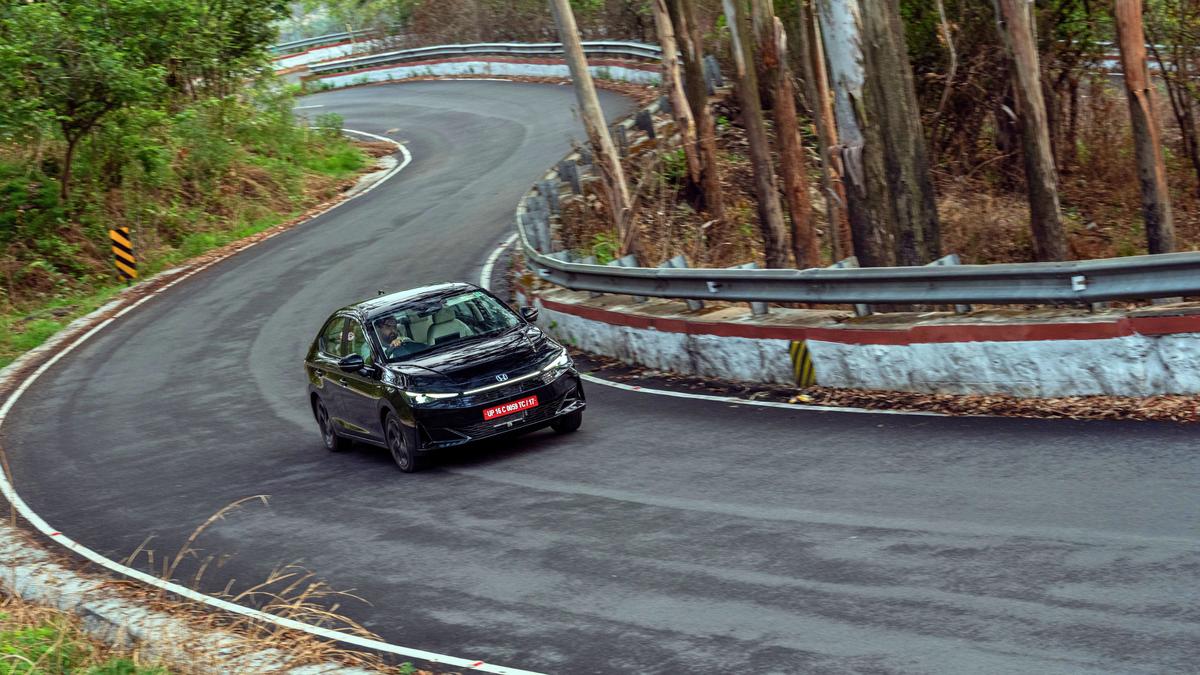
While the technical specifications provide a framework, the real-world data gathered from driving the 2026 City through diverse terrains—from the congested arteries of Bengaluru to the winding, steep ascents of Nandi Hills—reveals a car that punch well above its weight.
The Hybrid Advantage
The e:HEV system is the star of the show. In urban environments, the car remains in EV mode for a significant portion of the time, resulting in near-silent operation and zero fuel consumption in crawling traffic. As the pace increases, the system seamlessly transitions into Hybrid mode, where the engine acts as a generator for the electric motors. On the highway, a lock-in clutch connects the engine directly to the wheels for maximum efficiency.
The torque delivery is instantaneous. With 253 Nm available almost immediately due to the electric motors, the City feels more "peppy" in city traffic than its turbocharged rivals, which often suffer from a slight lag before the turbo kicks in.
Ride and Handling
Data from suspension testing indicates that Honda has opted for a "mature" damping setup. While the Virtus and Slavia offer a stiffer ride that appeals to those taking corners at high speeds, the City prioritizes absorption. It handles expansion joints and broken tarmac with a level of composure that mimics entry-level luxury sedans from brands like Audi or BMW.
Feature Integration
Honda has addressed the "feature gap" that previously plagued the model. The 2026 iteration includes:
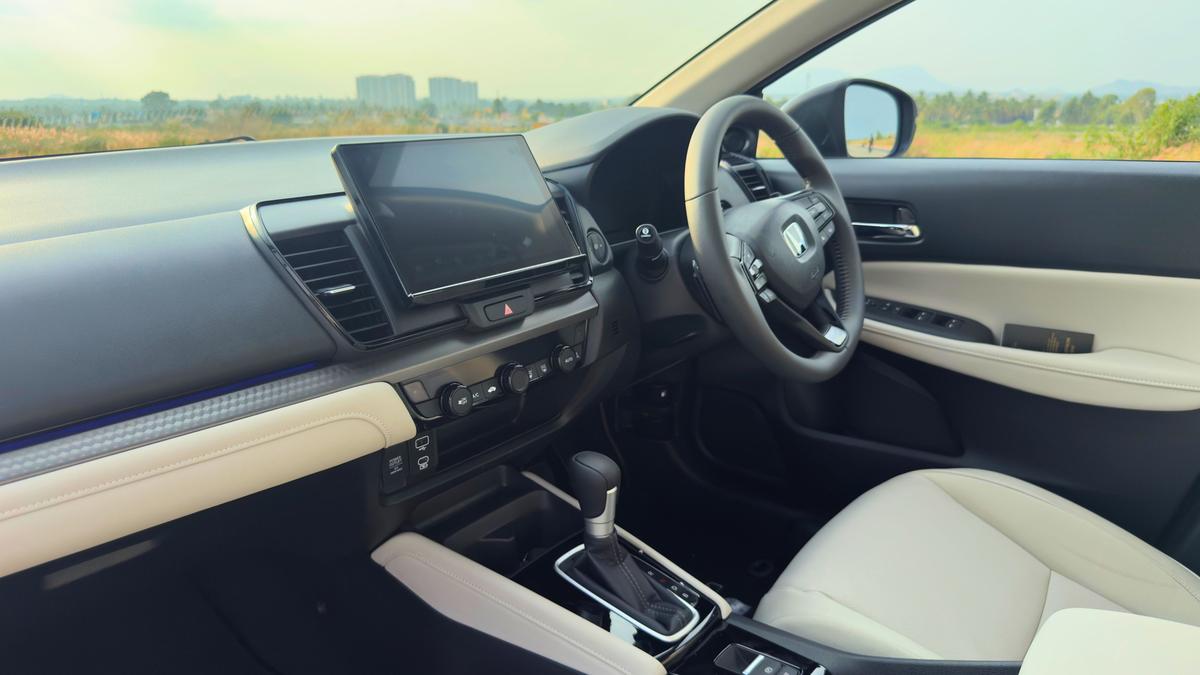
- Wireless Connectivity: Seamless Apple CarPlay and Android Auto.
- Thermal Comfort: Highly effective ventilated front seats, a necessity in the Indian climate.
- Safety Tech: The "Honda Sensing" suite uses high-performance camera technology to provide Adaptive Cruise Control and Lane Keep Assist, which functioned reliably even on marked country roads.
Official Responses: Honda’s Philosophy of Restraint
While Honda executives emphasize that the City remains a "global sedan," their approach to the 2026 update suggests a specific focus on the "conscious consumer." Official communication from the brand highlights a commitment to "restraint and refinement."
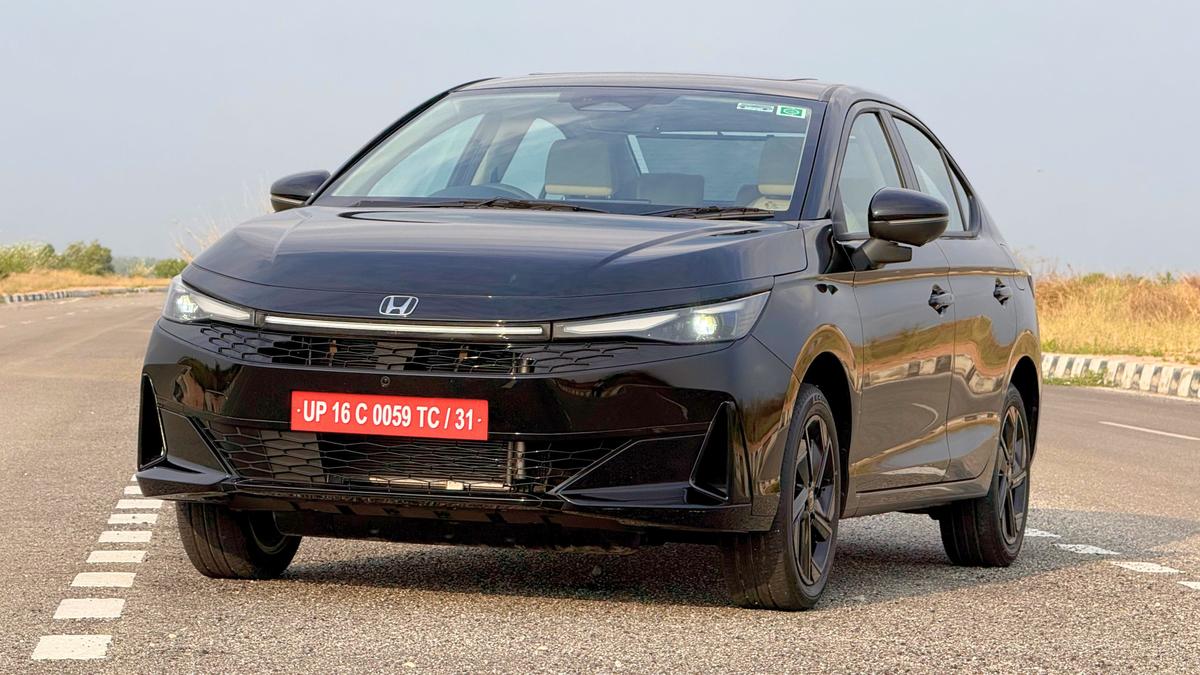
Unlike competitors who have embraced "sensuous sportiness" or "bold" design languages with heavy creases and massive grilles, Honda’s design team has leaned into minimalism. The "Blade-Eye" LED headlamps and the connected light bar at the front are described as "contemporary yet timeless."
Honda’s engineering team has also stood by their decision to use an Atkinson-cycle engine. While a traditional Otto-cycle engine provides more raw power, the Atkinson cycle is significantly more efficient when paired with a hybrid system. This choice underscores Honda’s official stance: they are not chasing the "fastest" title, but the "smartest" one.
Implications: A New Direction for the Indian Sedan Market
The arrival of the 2026 Honda City has significant implications for the automotive landscape in India:
1. The Hybrid vs. Turbo-Petrol Debate
The City Hybrid poses a fundamental question to buyers: Do you want explosive mid-range power (Virtus/Slavia) or effortless, silent efficiency (City)? As fuel prices remain volatile, the City’s 23.5 km/l real-world economy is a powerful argument that may sway pragmatic buyers away from the German duo.
2. The Survival of the Sedan
By offering a car that rivals luxury vehicles in ride quality and space, Honda is making a case for the sedan’s relevance in an SUV-dominated world. The City offers a "low-slung" elegance and aerodynamic efficiency that high-riding crossovers simply cannot match.
3. Safety Democratization
With the inclusion of ADAS (Honda Sensing) and making six airbags standard, Honda is forcing other manufacturers to elevate their safety game. The "Low-Speed Follow" function in the hybrid variant—which allows the car to maintain distance in stop-and-go traffic—is a game-changer for urban commuters.
4. Market Positioning
At the INR 11.99 lakh to 20 lakh price bracket, the City spans a wide net. The entry-level petrol variants target the value-conscious family, while the top-end Hybrid targets the "tech-forward" professional who might have otherwise considered an entry-level luxury car or a mid-size SUV like the Hyundai Creta or Kia Seltos.
Conclusion: The Smart Contender
The 2026 Honda City does not try to be everything to everyone. It doesn’t possess the aggressive "boy-racer" energy of its turbocharged competitors, nor does it feature the most futuristic infotainment system on the market. Instead, it doubles down on what Honda does best: ergonomics, visibility, reliability, and mechanical refinement.
By integrating a world-class hybrid system into a platform that is already celebrated for its interior space and ride comfort, Honda has created perhaps the most sensible car in its segment. It is a vehicle designed for the reality of modern driving—where traffic is a constant, fuel is expensive, and comfort is paramount. The Virtus and Slavia may continue to win the drag races, but the Honda City is positioned to win the long game of ownership. In the evolving Indian market, being the "loudest" is no longer the goal; being the "smartest" is, and the 2026 Honda City fits that description perfectly.
