

For three-quarters of a century, the Ferrari identity has been forged in the crucible of internal combustion. The brand is synonymous with the visceral scream of a V12, the mechanical theater of a gated shifter, and a design language that evokes the raw aggression of a predator. However, the unveiling of the Ferrari Luce in Rome has signaled the most radical pivot in the company’s history.
The Luce is not merely Ferrari’s first foray into the electric vehicle (EV) sector; it is a profound reimagining of what the Prancing Horse represents in a post-carbon world. As a five-seat, four-door grand tourer powered entirely by electrons, the Luce challenges every established tenet of the Maranello mythos. While the technical achievements are undeniable, the car has immediately become a lightning rod for controversy, sparking a debate that pits traditionalist passion against the cold, hard logic of technological evolution.
1. Main Facts: A Bold Departure from Tradition
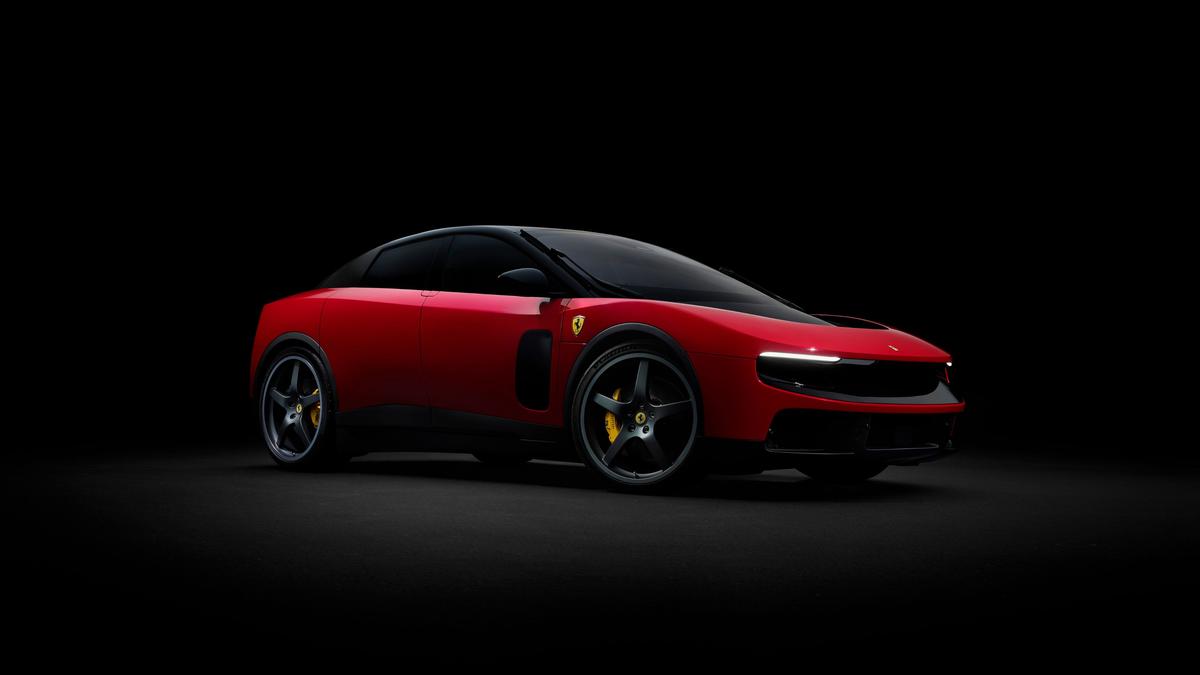
The Ferrari Luce (Italian for "Light") arrives as a bespoke creation, built from the ground up on a dedicated electric architecture. Unlike many competitors who have adapted existing internal combustion engine (ICE) platforms for electrification, Ferrari has opted for a clean-sheet design.
Core Specifications at a Glance:
- Powertrain: Four independent electric motors (one per wheel).
- Total Output: 1,050 horsepower.
- Performance: 0–100 km/h in 2.5 seconds; 0–200 km/h in 6.8 seconds.
- Top Speed: In excess of 310 km/h.
- Battery Capacity: 122 kWh, integrated into the chassis.
- Range: Approximately 530 kilometers (WLTP cycle).
- Charging: 350 kW DC fast charging (adds 70 kWh in 20 minutes).
- Seating: Five-seat configuration, a first for a Ferrari GT.
The Luce represents a significant shift in Ferrari’s commercial strategy. While the Purosangue introduced the four-door concept, the Luce pushes the brand into the "high-tech luxury" sphere, competing less with traditional supercars and more with the pinnacle of electric grand touring.
2. Chronology: The Evolution of the Multi-Energy Strategy
The road to the Luce was not paved overnight. It is the culmination of a decade-long transition that began with the hybridization of the Ferrari lineup.
- 2013 – The Hybrid Seed: Ferrari launched the LaFerrari, its first mild-hybrid hypercar, proving that electric assistance could enhance performance.
- 2019 – The PHEV Shift: The SF90 Stradale debuted as Ferrari’s first plug-in hybrid (PHEV), allowing for short-range electric-only driving and establishing the precedent for high-voltage battery integration in Maranello.
- 2021 – The LoveFrom Partnership: Ferrari announced a long-term creative partnership with LoveFrom, the design collective led by legendary former Apple designer Sir Jony Ive and Marc Newson. This was the moment the aesthetic seeds for the Luce were sown.
- 2022-2023 – Strategic Realignment: Ferrari CEO Benedetto Vigna reaffirmed the "multi-energy" approach, stating that while ICE would remain for enthusiasts, electrification would become a core pillar for the brand’s future growth.
- 2024 – The Reveal: The Luce was unveiled in Rome, marking the official entry into the BEV (Battery Electric Vehicle) era.
3. Supporting Data: Engineering the "Electric Emotion"
The primary challenge for Ferrari was ensuring that a 2,260-kilogram electric vehicle could still deliver the driving dynamics expected of the brand. To achieve this, Maranello’s engineers focused on three critical areas: torque management, sound, and weight distribution.
Advanced Dynamics and Torque Vectoring
The quad-motor setup allows for infinite variability in power delivery. Ferrari’s proprietary software manages torque at each wheel hundreds of times per second. Unlike the "binary" feel of many high-performance EVs—where power is either on or off—the Luce is programmed to deliver power progressively. Using steering-wheel-mounted paddles, drivers can modulate the "engine braking" (regenerative braking) and the "torque curve" to mimic the feeling of a naturally aspirated engine climbing through the rev range.

The Sound Philosophy
One of the most divisive aspects of any EV is the lack of an exhaust note. Ferrari has eschewed "synthesized" spaceship noises. Instead, they have developed an "authentic" sound philosophy. Sensors throughout the drivetrain capture the natural vibrations and frequencies of the electric motors and transmission. These are then amplified and channeled into the cabin. This creates a tactile, mechanical soundscape that is tied directly to the physical load on the car, providing the driver with the sensory feedback necessary for high-performance driving.
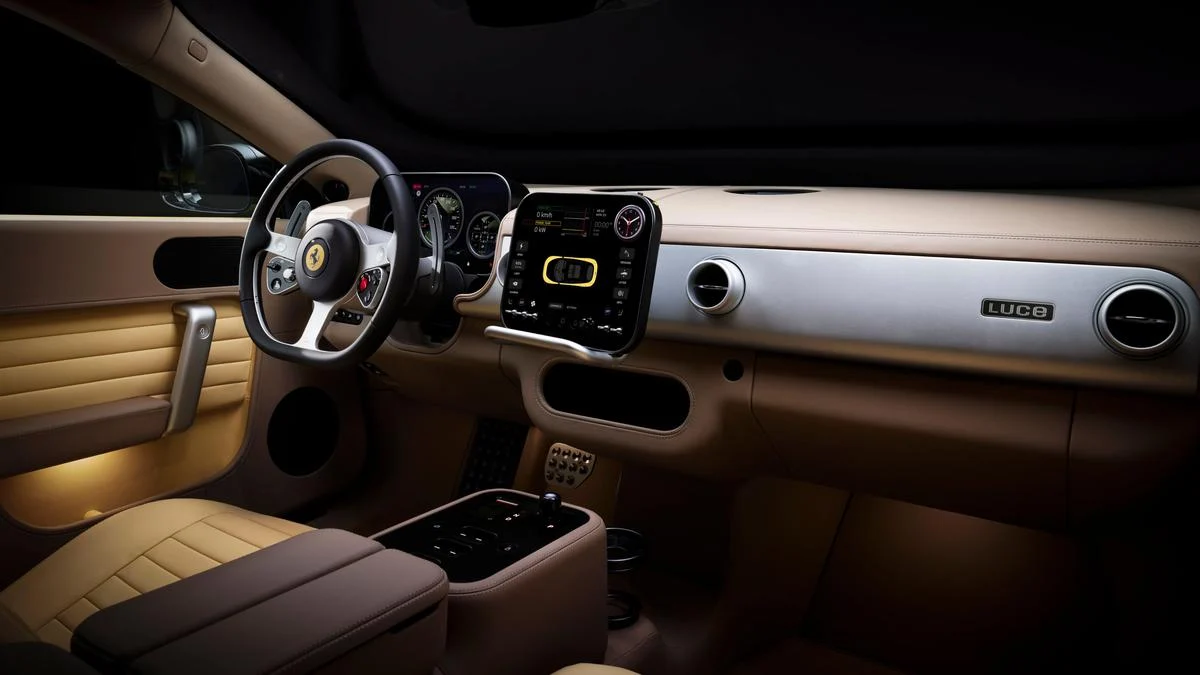
The Cabin: A Technological Tour de Force
Inside, the Luce moves away from the driver-centric, minimalist cockpits of Ferraris past toward a "shared experience" luxury.
- Visuals: In partnership with Samsung, Ferrari has integrated curved OLED displays that span the dashboard.
- Materials: The cabin uses Corning Gorilla Glass for durability and weight reduction, alongside sustainable Alcantara and polished aluminum.
- Innovation: The vehicle key utilizes E Ink technology, changing its display based on the car’s status, and the 21-speaker, 3,000-watt audio system is tuned specifically for the acoustics of a silent electric cabin.
4. Official Responses and Market Sentiment
The reception to the Luce has been a tale of two worlds: the financial markets and the enthusiast community.
Investor Anxiety
Following the reveal, Ferrari’s stock (RACE) reportedly saw a dip of nearly seven percent. Market analysts suggest this was not necessarily a vote of "no confidence" in the technology, but rather a reaction to the uncertainty of brand dilution. Investors are wary of whether Ferrari can maintain its industry-leading profit margins while pivoting to expensive EV architectures, and whether the "Luce" aesthetic might alienate the brand’s core demographic of collectors.
The Purist Backlash
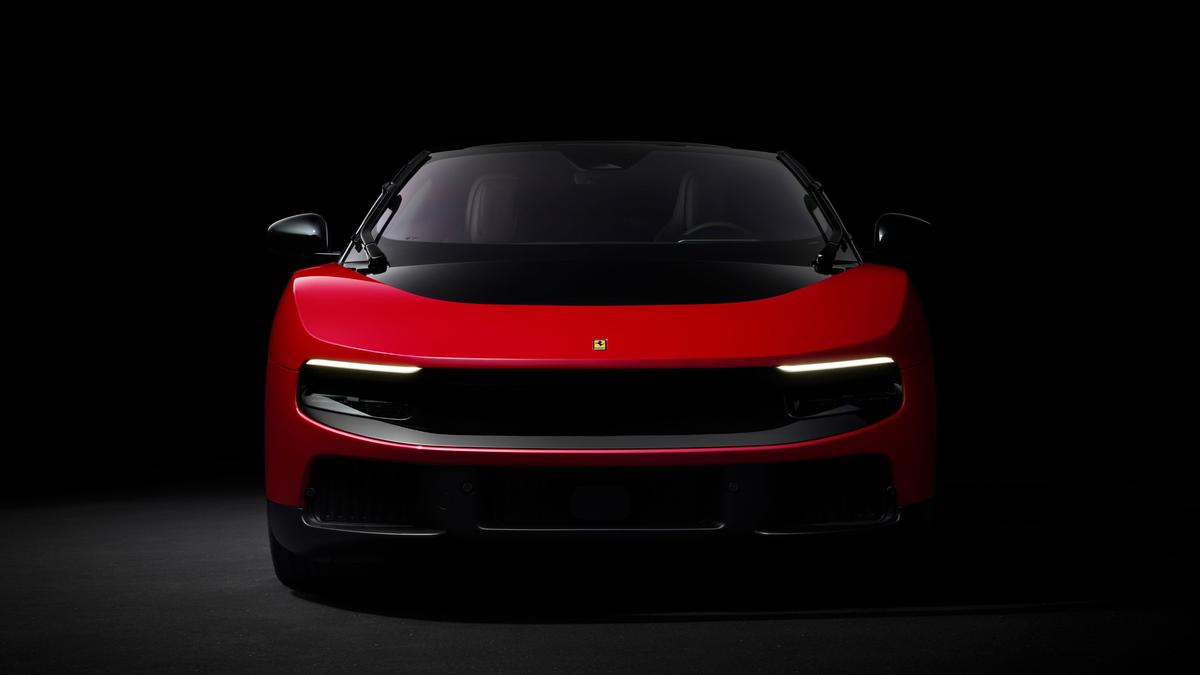
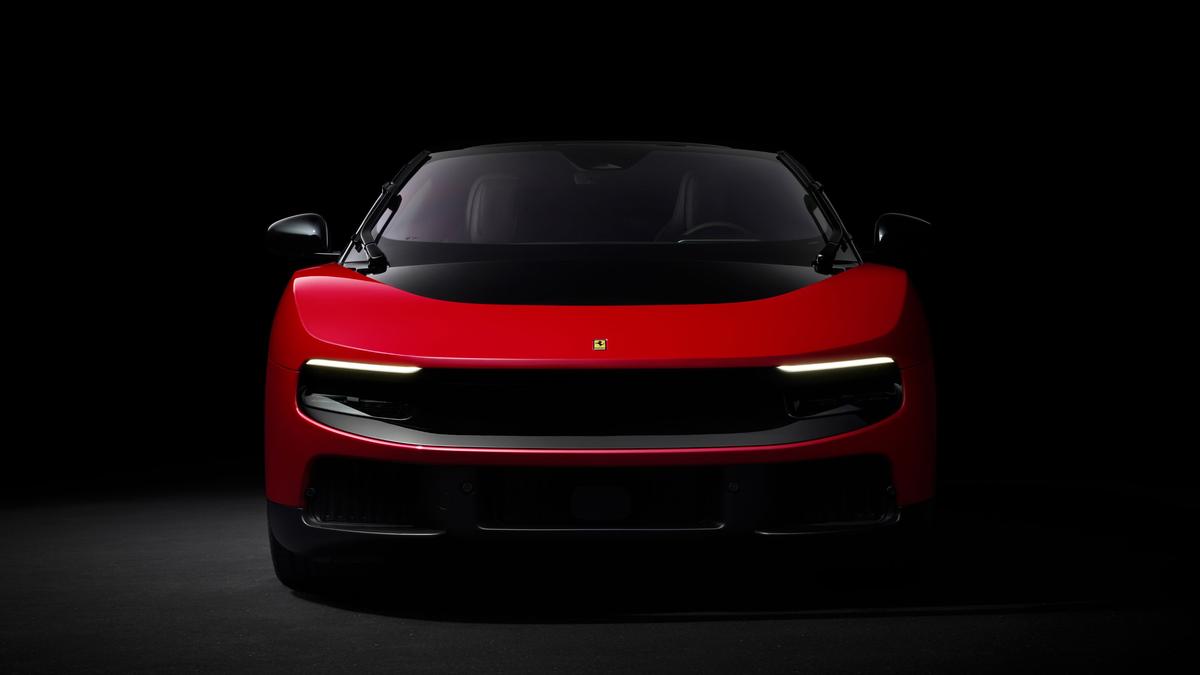
On social media and enthusiast forums, the critique has been sharp. Traditionalists have dubbed the Luce’s design—characterized by its "shell-like" smooth surfaces and lack of aggressive air intakes—as "clinical" or "tech-like." The collaboration with Jony Ive is evident in the car’s minimalist, Apple-esque aesthetic, which some argue lacks the "soul" and "passion" of Pininfarina-era Ferraris.
Ferrari’s Defense
Ferrari leadership remains steadfast. CEO Benedetto Vigna has emphasized that the Luce is an expansion of the brand, not a replacement. "Electrification is a new way to provide our customers with a different kind of thrill," Vigna noted during the launch. The company maintains that the Luce is intended for a "new generation" of buyers—younger, tech-oriented individuals who value sustainability and avant-garde design as much as 0–100 km/h times.
5. Implications: A Landmark or a Misstep?
The Luce represents the biggest gamble in Ferrari’s history. The implications of this launch will ripple through the automotive industry for years to come.
Redefining the "Luxury GT"
By creating a five-seat, four-door EV, Ferrari is moving into territory currently occupied by the likes of the Porsche Taycan, Lucid Air, and the upcoming electric Bentley. However, with a projected price tag of €500,000 (approx. ₹5 crore+ in India), Ferrari is positioning the Luce in a stratosphere of its own. It is a bet that the "Ferrari" badge can command a massive premium even without the V12 engine that many argue is the badge.
The "LoveFrom" Influence
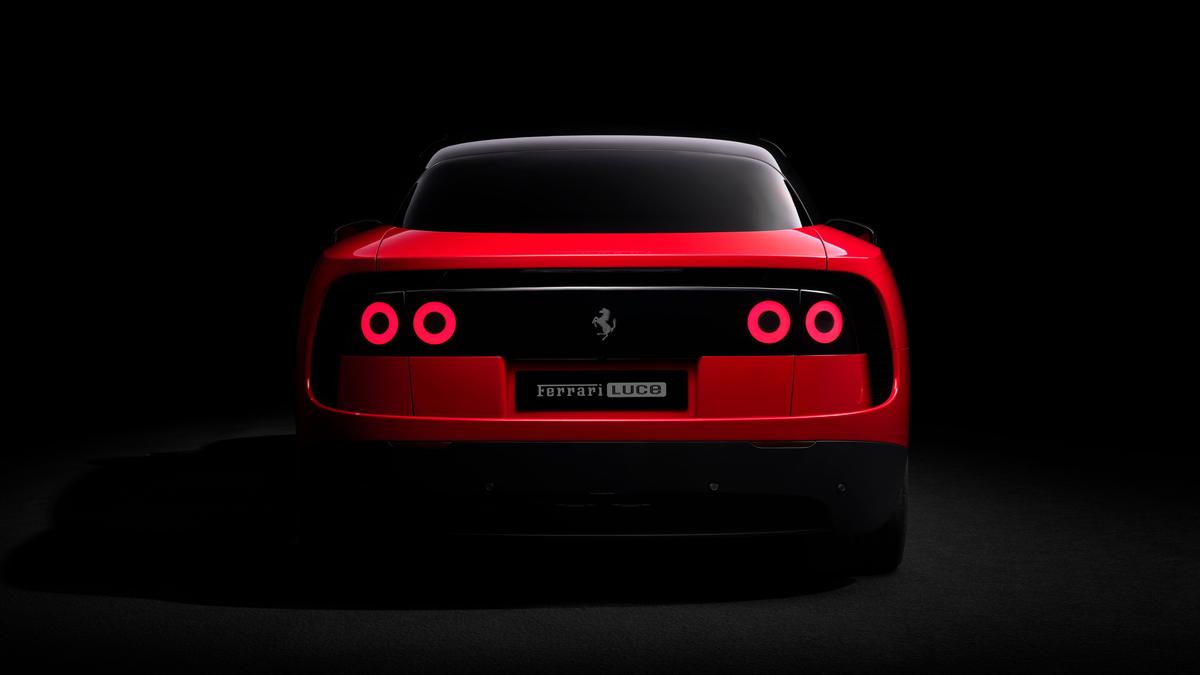
The design of the Luce suggests that Ferrari is moving toward a more "architectural" and "industrial design" focused future. If successful, this could see Ferrari becoming a broader luxury house, where the car is a piece of mobile art rather than just a performance machine. If it fails, it may be seen as the moment Ferrari lost its way, prioritizing Silicon Valley minimalism over Italian drama.
The Future of Maranello
The Luce proves that Ferrari is ready for the 2035 combustion bans in Europe and similar regulations worldwide. By developing its own electric motors and battery integration techniques in-house, Ferrari is ensuring it remains a manufacturer, not just an assembler of third-party tech.
Conclusion
The Ferrari Luce is a polarizing masterpiece of engineering. It offers performance figures that would have been unthinkable a decade ago, wrapped in a design that deliberately breaks every rule in the Maranello handbook.
Whether the Luce will be remembered as the car that saved Ferrari for the 21st century or the car that alienated its most loyal fans remains to be seen. What is certain is that Ferrari has refused to play it safe. In the world of ultra-luxury, relevance is often maintained through radical change. With the Luce, Ferrari hasn’t just turned on the lights; it has set the stage for a completely new era of the Prancing Horse—one that is silent, sophisticated, and undeniably controversial.
This report was prepared in association with Motorscribes and The Hindu.
