

TOKYO — There is a specific, visceral moment that occurs somewhere between the first high-speed transition and the second lungful of acrid tire smoke. It is the moment when drifting ceases to be merely automotive theatre and begins to make profound, albeit terrifying, sense.
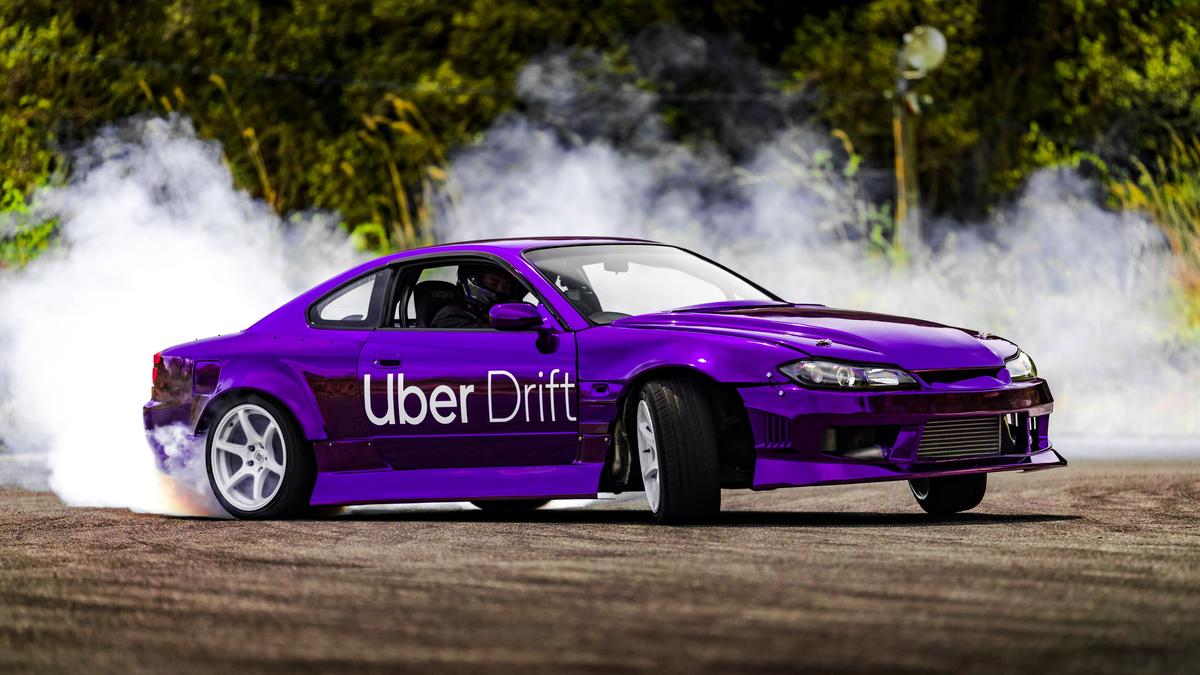
At the Mobara Twin Circuit, located approximately 90 minutes outside the neon sprawl of Tokyo, this realization arrives with a jolt. Strapped into the bucket seat of a Nissan Silvia S15—a car widely regarded as the "Holy Grail" of the drifting world—the world outside the windshield becomes a blur of grey tarmac and white smoke. Behind the wheel is Fausto, a reigning drift champion, who holds the vehicle at an angle that defies conventional Newtonian physics.
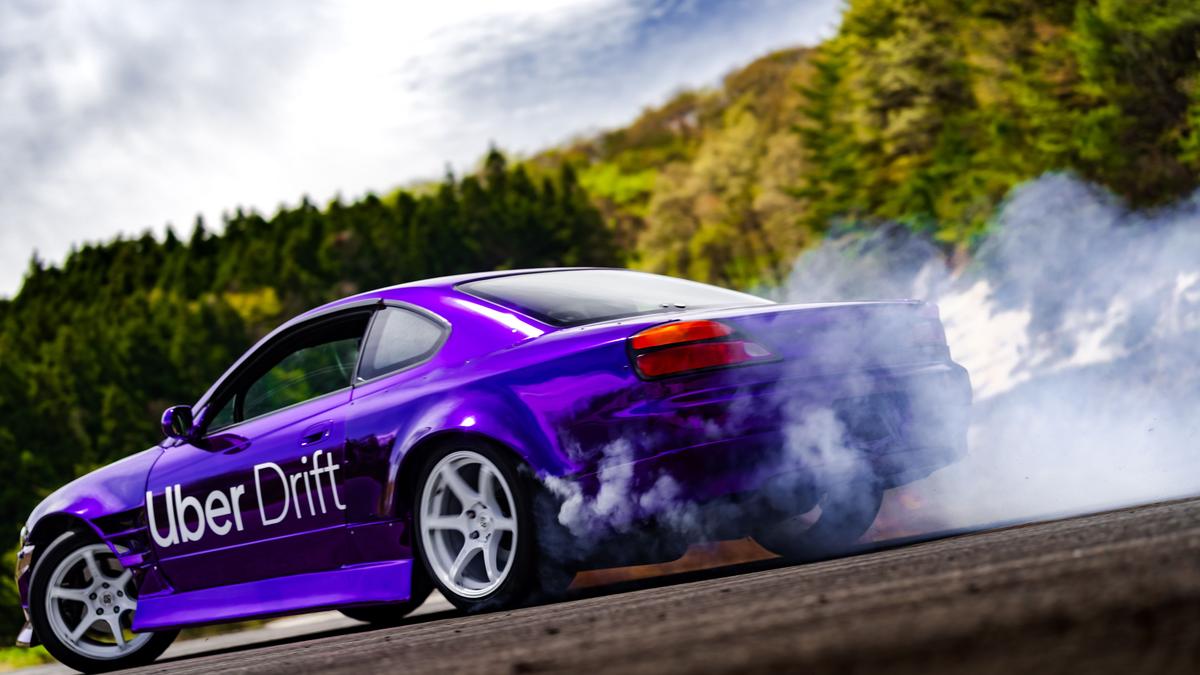
While the engine hammers relentlessly against the rev limiter and the rear tires evaporate into a thick white haze, another drift car hovers a mere few inches from the passenger window. To the uninitiated, this is a recipe for a catastrophic collision. To the practitioner, it is a "tandem run"—the highest expression of a discipline that Japan gifted to the world.
I. Main Facts: The Intersection of Precision and Pandemonium
Drifting, once a clandestine activity relegated to midnight mountain passes, has evolved into a multi-million dollar global motorsport. However, its spiritual home remains firmly rooted in the Japanese archipelago. Unlike traditional circuit racing, which prioritizes the "grip" method to achieve the fastest lap time, drifting is the art of intentionally breaking traction to navigate a course with maximum angle, speed, and style.
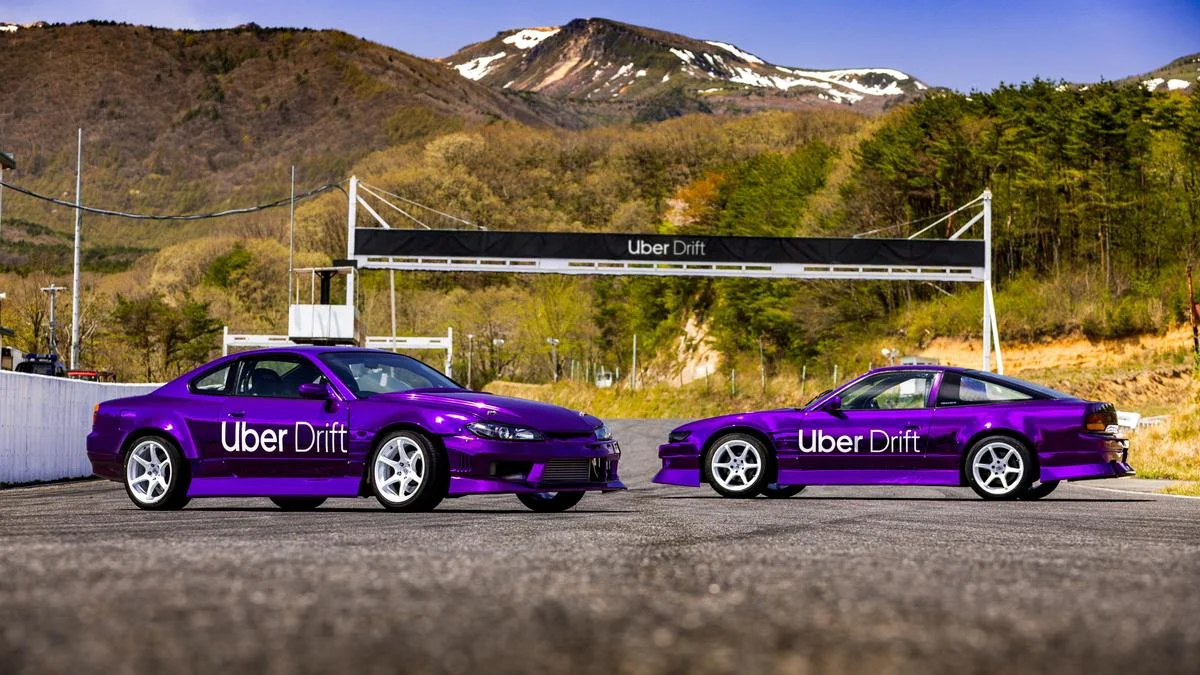
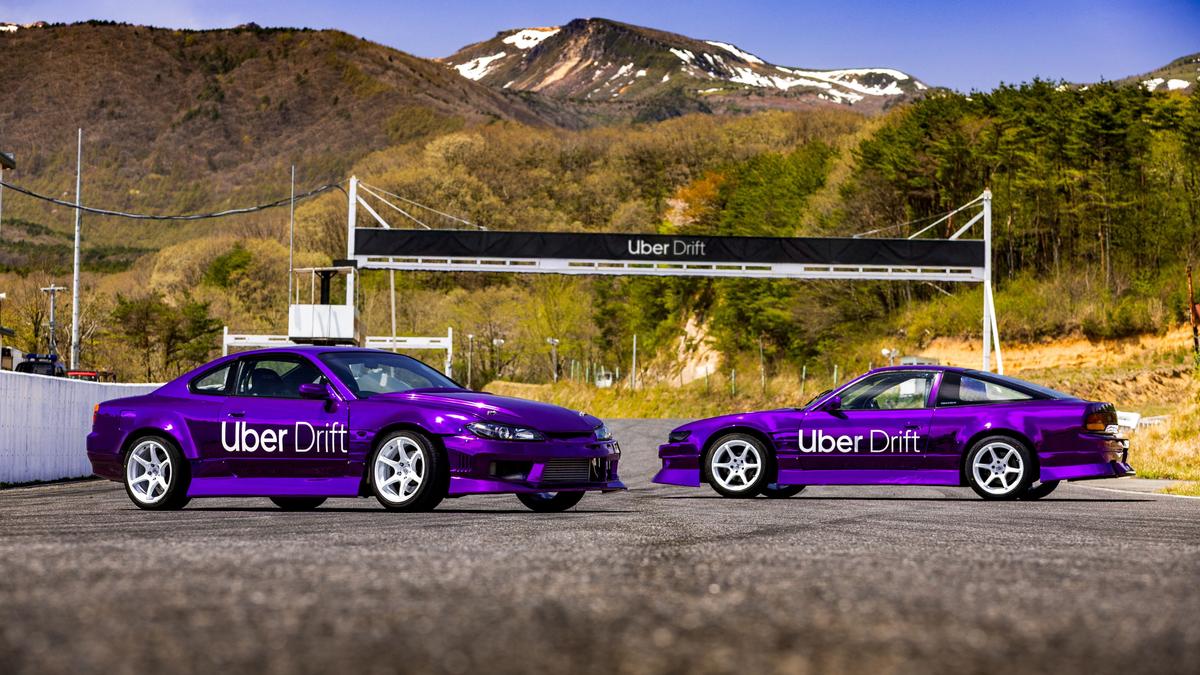
The current landscape of Japanese drifting is undergoing a significant shift. What was once a difficult-to-access subculture is now being integrated into the "experiential tourism" sector. The most prominent example of this is the "Uber Drift" initiative, part of Uber’s "Go Anywhere" limited-edition series. This program provides enthusiasts and tourists with a direct pipeline into the heart of the culture, offering professional-grade tandem experiences at historic venues like Mobara.
The Core Components of the Experience:
- The Venue: Mobara Twin Circuit, a grassroots stronghold for Japanese car culture.
- The Machinery: Iconic Japanese Domestic Market (JDM) vehicles, specifically the Nissan Silvia S15 and the Nissan 180SX, modified with high-angle steering kits and high-torque turbocharged engines.
- The Personnel: Licensed Formula Drift professionals who bridge the gap between "street" style and competitive precision.
- The Judgement Criteria: In professional drifting, drivers are scored on four primary pillars: Line, Angle, Style, and Proximity.
II. Chronology: From Mountain Passes to Global Stadiums
To understand the current state of Japanese drifting, one must trace the tire marks back to the 1970s. The evolution of the sport is a timeline of rebellion turning into a refined art form.
1970s: The Touge Roots
Drifting began on the touge—the narrow, winding mountain passes of Japan. Local street racers, known as hashiriya, discovered that by using a "side-brake" or "clutch-kick" to rotate the car’s rear end, they could maintain higher momentum through tight downhill hairpins.
1980s: The Rise of Kunimitsu Takahashi
The transition from utility to sport is often credited to Kunimitsu Takahashi, a legendary motorcyclist turned racing driver. His "over-entry" style in the All Japan Touring Car Championship involved hitting the apex with massive counter-steer, a technique that captivated crowds and inspired a young driver named Keiichi Tsuchiya.
1987: The "Pluspy" Era
Keiichi Tsuchiya, now known globally as the "Drift King," released a video titled Pluspy. This underground film showcased Tsuchiya drifting his Toyota AE86 on public mountain roads. While it resulted in a temporary suspension of his racing license, it solidified drifting as a cultural phenomenon and birthed the professional drifting movement.
2001 – Present: D1 Grand Prix and Global Expansion
The launch of the D1 Grand Prix in 2001 turned drifting into a professional judged sport. This era saw the introduction of specialized engineering, where cars were no longer just modified street cars but purpose-built machines capable of 90-degree steering angles and 1,000-plus horsepower.
III. Supporting Data: The Physics and Engineering of Controlled Chaos
The "impossible" look of a drifting car is the result of meticulous mechanical engineering. A modern drift car is a study in specialized geometry.
Steering Angle Kits
A standard road car usually has about 30 to 40 degrees of steering lock. A professional drift car, such as those used in the Uber Drift program, utilizes custom knuckles and control arms to achieve 65 to 75 degrees of lock. This allows the driver to maintain a "deep" angle without the car "spinning out," as the front wheels can point almost parallel to the chassis’s side.
Power-to-Weight Dynamics
Drifting requires an immense burst of torque to keep the rear tires spinning continuously. The Nissan Silvia S15s used at Mobara typically feature the SR20DET or 2JZ-GTE engines. These powerplants are tuned to provide a wide powerband, ensuring that even at low speeds, the driver has enough "wheel speed" to keep the tires from regaining grip.
The Physics of Weight Transfer
The initiation of a drift is entirely dependent on weight transfer. By abruptly braking or "flicking" the steering (the Scandinavian Flick), the driver shifts the car’s weight to the front tires, unweighting the rear and allowing the back end to slide. Once the slide begins, the throttle becomes the primary "steering wheel," controlling the radius of the arc, while the actual steering wheel is used to balance the car’s trajectory.
IV. Professional Perspectives: The Logic Behind the Spectacle
In interviews and observations at the circuit, professional drivers emphasize that drifting is "organized violence." While it appears chaotic to a bystander, the cabin of a professional drift car is a place of intense focus and micro-calculation.
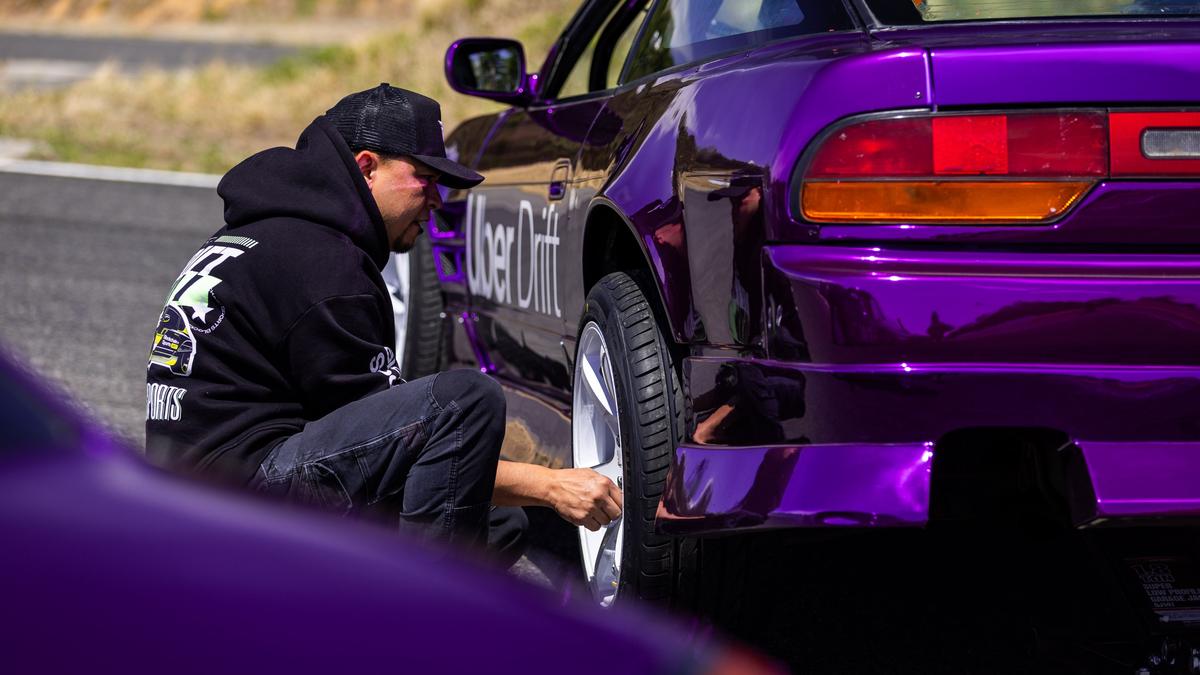
"The biggest misconception is that we are out of control," says one professional instructor involved in the tandem sessions. "In reality, we are managing a state of constant instability. If you are 1% too aggressive with the throttle, you spin. If you are 1% too hesitant, the car grips up and you understeer into the wall. It is a game of millimeters played at 100 kilometers per hour."
Official organizers of the "Uber Drift" experience suggest that the program was designed to solve a long-standing "gatekeeping" issue in Japanese car culture. For decades, authentic drifting was hidden behind a veil of local language barriers and "invitation-only" track days. By partnering with professional circuits and licensed drivers, the goal is to provide a "sanitized but authentic" entry point. It allows the passenger to feel the heat of the exhaust and the vibration of the limiter without the legal risks associated with the underground street scene.
V. Implications: The Cultural and Economic Future of JDM
The mainstreaming of drifting carries significant implications for Japan’s automotive industry and its tourism sector.
The "JDM" Appreciation
The global demand for 1990s Japanese sports cars—such as the Nissan Skyline, Toyota Supra, and the Silvia—has skyrocketed. Prices for these vehicles have tripled in the last decade, driven largely by the "drift aesthetic" popularized in movies like The Fast and the Furious: Tokyo Drift and the anime Initial D. Programs like Uber Drift further cement these vehicles as cultural icons, rather than just aging machinery.
Tourism as Subculture Preservation
As Japan moves toward a more regulated society, the traditional touge street drifting scene is being squeezed out by increased police presence and road "chicanes" designed to prevent sliding. The shift toward professional circuits and "drift tourism" provides a sustainable economic model for these tracks to remain open. It transforms a "nuisance" activity into a high-value export.
The Human Element
Ultimately, the survival of drifting depends on the "human-machine" connection. In an era of autonomous vehicles and electric powertrains, drifting remains one of the few motorsports that celebrates mechanical imperfection and human reflex. The smoke, the noise, and the "terrifying proximity" of a tandem run serve as a reminder that driving can be an art form rather than just a mode of transport.
For the passenger stepping out of the Nissan S15 at Mobara, the trembling in their hands is a testament to that art. Drifting in Japan is no longer just a secret shared on mountain roads; it is a world-class demonstration of discipline disguised as madness, now finally open for the world to ride shotgun.
