

TOKYO — There is a specific, fleeting moment—suspended somewhere between the first aggressive weight transfer and the second lungful of acrid tire smoke—when drifting ceases to be mere automotive theater and begins to make profound, visceral sense.
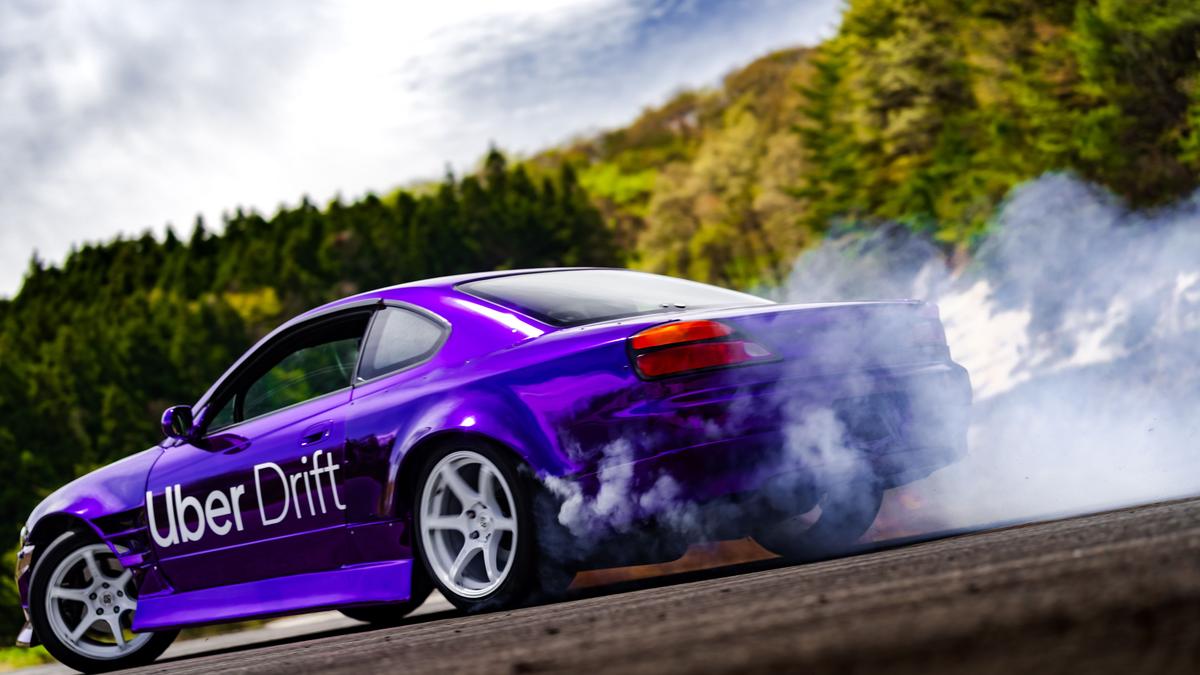
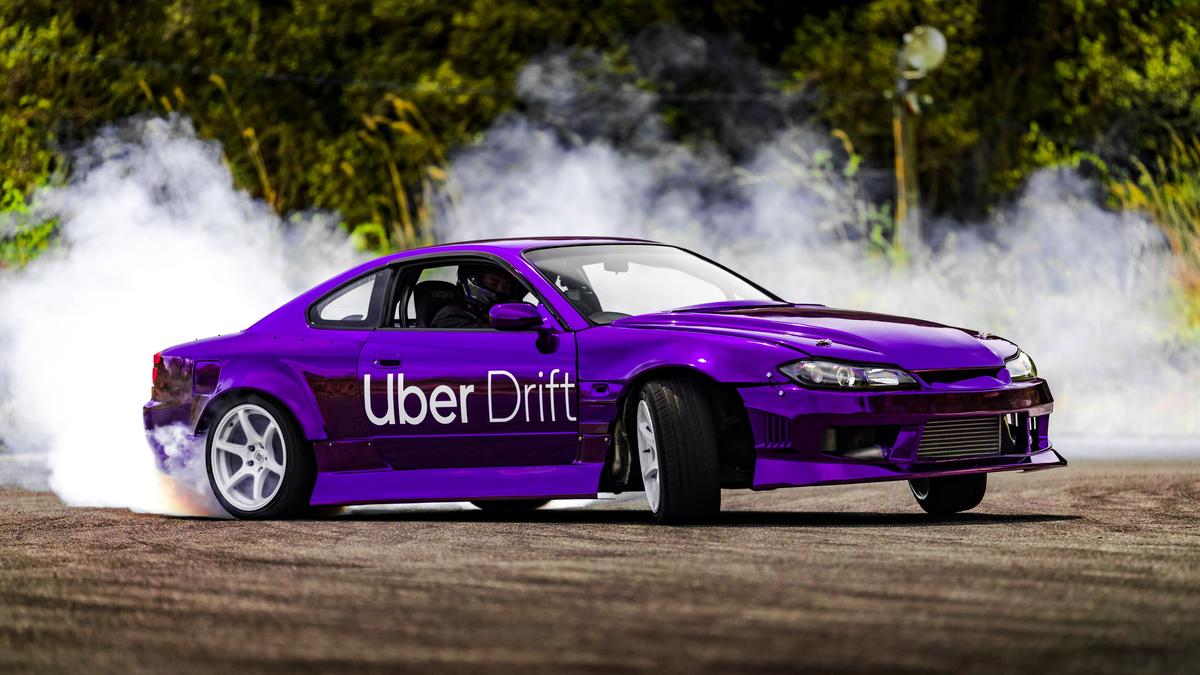
At the Mobara Twin Circuit, a winding ribbon of asphalt nestled in the Chiba Prefecture roughly 90 minutes outside the neon sprawl of Tokyo, the reality of this sport is stripped of its cinematic polish. Strapped into the bucket seat of a Nissan Silvia S15, the world outside the windshield becomes a blur of horizontal motion. Fausto, a reigning drift champion, holds the vehicle at an angle that defies conventional Newtonian physics. He balances opposite lock with millimetric precision while a secondary chase car hovers mere inches from the passenger-side window.
The rear tires do not simply spin; they evaporate into a thick, opaque white veil. The engine hammers relentlessly against the rev limiter, a mechanical scream that vibrates through the carbon-fiber chassis. While every survival instinct suggests an impending disaster, the prevailing sensation is one of eerie, absolute control. This is the paradox of Japanese drifting: a discipline where violence is disguised as precision, and madness is revealed to be a highly calculated form of commitment.
Main Facts: The "Uber Drift" Phenomenon
The world of authentic Japanese drifting has long been a difficult fortress for outsiders to breach. For decades, the subculture thrived in the shadows—on midnight mountain passes and in secluded industrial docks. However, a new initiative titled "Uber Drift" is signaling a shift in how this cultural heritage is accessed.
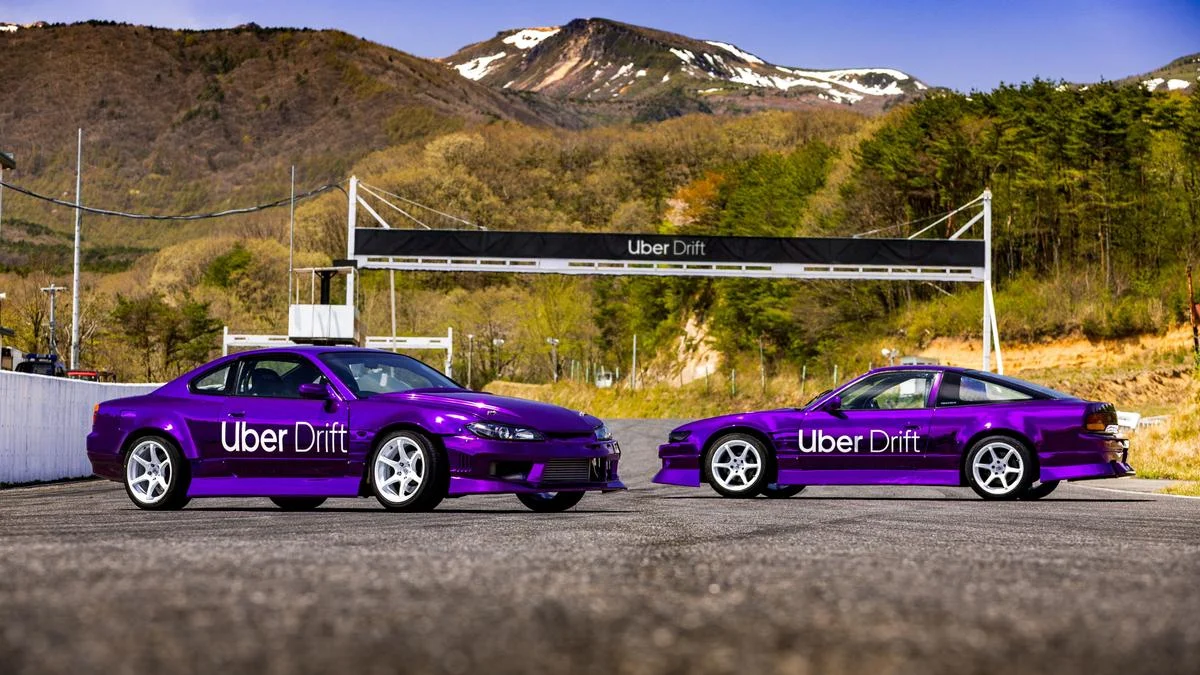
As part of Uber’s "Go Anywhere" series of limited-edition global experiences, the company has partnered with professional drivers to offer enthusiasts a direct pipeline into the heart of the drift scene. The package represents a significant departure from standard ride-sharing, beginning with an Uber Black pickup in central Tokyo and culminating in a high-intensity tandem session at Mobara Twin Circuit.
Key Components of the Experience:
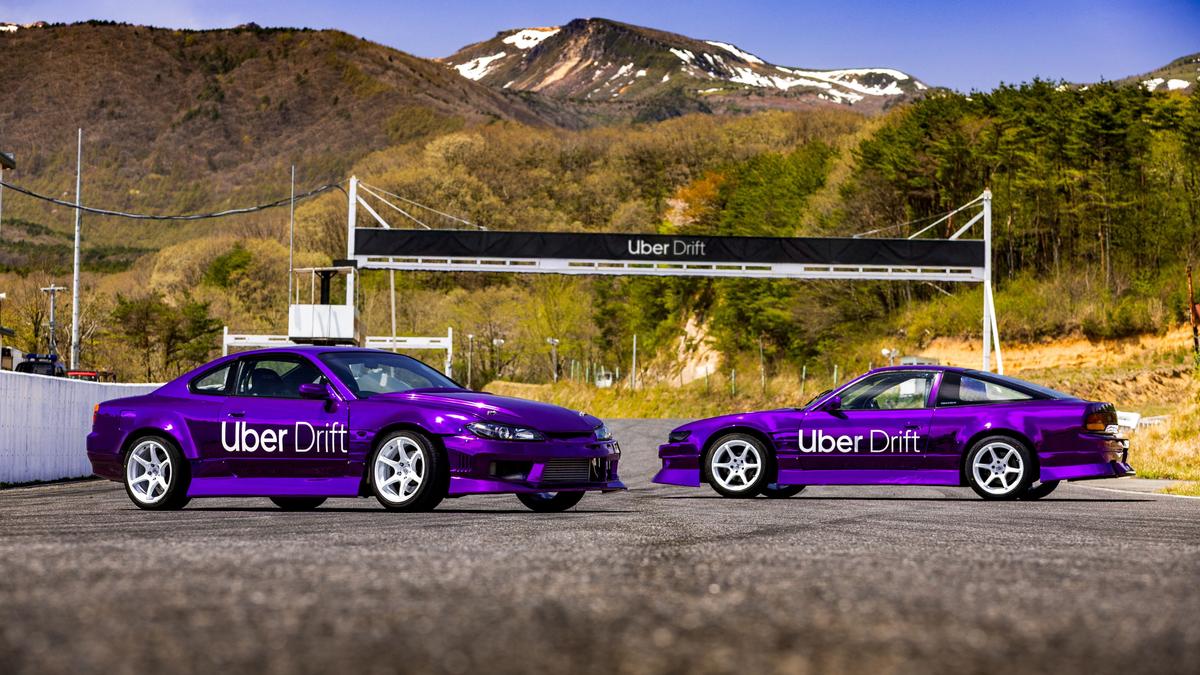
- The Machinery: Guests are paired with genuine icons of the "Golden Era" of Japanese performance: the Nissan Silvia S15 and the Nissan 180SX. These are not stock vehicles but purpose-built machines featuring reinforced roll cages, hydraulic handbrakes, and high-torque turbocharged engines.
- The Talent: The sessions are helmed by Formula Drift licensed professionals, ensuring that the "organized violence" remains within the strict parameters of safety and technical mastery.
- The Venue: Mobara Twin Circuit serves as a spiritual home for grassroots drifting, providing a technical layout that emphasizes "clipping points" and high-speed entries over raw straight-line speed.
Chronology: From Mountain Passes to Global Spectacle
To understand the current state of drifting, one must trace the tire marks back to the 1970s. The sport did not begin in a boardroom or on a sanctioned track; it was born on the touge—the narrow, winding mountain roads that crisscross the Japanese countryside.
1970s: The Functional Slide
Early street racers discovered that by intentionally breaking traction on tight downhill corners, they could rotate the car more quickly, maintaining momentum in sections where traditional grip driving would cause the engine to bog down. What began as a technique for speed soon evolved into a medium for expression.
1980s: The Rise of the "Drift King"
The foundations of modern drifting are often attributed to Kunimitsu Takahashi, a legendary racer whose aggressive, sideways entries into corners inspired a generation. However, it was Keiichi Tsuchiya, famously known as the "Drift King," who bridged the gap between underground illegality and mainstream legitimacy. Through the "Video Option" series and organized demonstrations, Tsuchiya proved that drifting was a skill-based discipline comparable to any traditional motorsport.
2000s – Present: Globalization and Digital Fame
The turn of the millennium saw the birth of the D1 Grand Prix, the first professional drifting series. This coincided with the global explosion of Japanese car culture via media like Initial D and the Fast & Furious franchise. Today, drifting is a multi-million dollar industry with factory-backed teams, yet in Japan, it maintains a "raw-around-the-edges" identity, visible at late-night meets in the Daikoku Parking Area and industrial zones near Yokohama.
Supporting Data: The Physics of the Perfect Slide
Drifting is perhaps the only motorsport where style is not a byproduct of performance; it is the objective. In professional competition, drivers are judged on four primary criteria:
- Line: Following a predetermined path marked by "clipping points" (inner corners) and "clipping zones" (outer edges).
- Angle: The degree to which the car is sideways. More angle generally equates to a higher score, provided the driver can maintain momentum.
- Speed: The velocity of the entry and the ability to maintain pace throughout the slide.
- Style/Impact: The fluidity of transitions and the "aggression" of the run.
The Engineering of Oversteer
Modern drift cars are marvels of specialized engineering. Unlike a standard road car, which is designed to understeer (plow straight) for safety, a drift car is configured for "stable instability."
- Steering Angle Kits: Modified hubs and control arms allow the front wheels to turn up to 65–70 degrees, allowing the driver to "catch" the car even when it is nearly perpendicular to the track.
- Suspension Geometry: High-end coilovers are tuned to manage weight transfer, ensuring that as the car pitches, the "contact patch" of the tires remains optimal for control.
- Differential Tuning: Welded or limited-slip differentials ensure that both rear wheels spin at the same speed, preventing the car from regaining grip prematurely.
Official Context: The Strategic Shift in Automotive Tourism
The introduction of experiences like Uber Drift reflects a broader trend in the Japanese tourism and automotive sectors. As the "shokunin" (craftsman) philosophy continues to permeate Japanese culture, there is a growing recognition that the country’s automotive subcultures are as much a part of its national heritage as tea ceremonies or ancient temples.
Industry analysts suggest that by "commodifying" the drift experience, Japan is finding a way to preserve its internal combustion legacy in an increasingly electric world. While environmental regulations tighten, the demand for visceral, analog experiences is skyrocketing.
"Drifting is a sensory overload," says a representative from the circuit’s technical team. "It’s about the smell of the rubber, the heat from the transmission, and the G-forces. You cannot replicate that in a simulator. By bringing tourists here, we are ensuring the survival of the tracks and the shops that build these cars."
Uber’s involvement also points toward a shift in brand positioning. By moving beyond "Point A to Point B" logistics and into "experiential travel," the company is tapping into a demographic of high-net-worth enthusiasts who value access over ownership.
Implications: The Future of the "Sideways" Identity
The mainstreaming of drifting carries both promise and peril for the local scene. On one hand, the influx of international interest and capital provides a lifeline for aging circuits like Mobara and Ebisu. It creates a professional pathway for young drivers who might otherwise have remained in the dangerous world of illegal street racing.
On the other hand, there is a palpable fear among purists that the "sanitization" of the sport could strip it of its soul. The "roughness" of the culture—the zip-tied bumpers, the mismatched body panels, and the grassroots camaraderie—is what many find appealing.
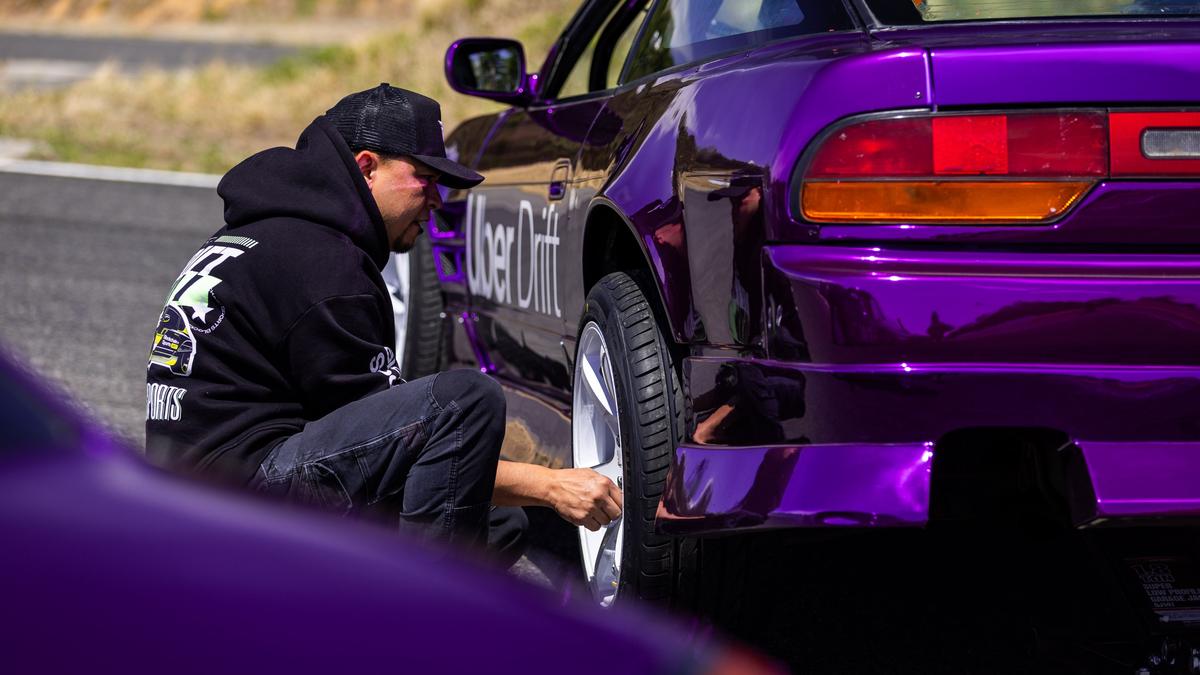
However, the Uber Drift experience suggests a middle ground. By utilizing professional drivers and authentic, battle-scarred Nissans, the experience maintains a level of grit. It doesn’t hide the fact that drifting is hard on the machinery and the body.
The Environmental Paradox
As Japan moves toward its 2035 goal of banning new gasoline-only vehicle sales, the drifting community faces an existential crisis. The engines that define the sport—the Nissan SR20DET and the Toyota 2JZ—are aging icons. The future of drifting may eventually lie in high-torque electric motors, which provide the instant wheel-spin necessary for the sport, but for now, the roar of the internal combustion engine remains the heartbeat of the Mobara Twin Circuit.
Conclusion
Drifting in Japan is more than a sport; it is a manifestation of the Japanese pursuit of perfection in the most unlikely of places. It is the art of losing control with such mastery that it becomes a new form of stability. Whether experienced from the sidelines of a mountain pass or from the passenger seat of an Uber-commissioned Silvia, the message remains the same: in the right hands, a car is not just a tool for transport, but a brush for an ephemeral, smoke-filled masterpiece.
For the motorsport enthusiast, the opportunity to witness this firsthand is a reminder that even in an age of autonomous vehicles and digital connectivity, there is still no substitute for the raw, terrifying, and beautiful reality of going sideways.
