


In today’s hyper-saturated marketplace, the allure of a product or service extends far beyond its functional utility or competitive price tag. Consumers are increasingly driven by a sophisticated interplay of identity, emotion, and social validation, transforming marketing from a purely transactional endeavor into an immersive, aesthetically charged experience. This shift, amplified by the pervasive influence of digital platforms and evolving cultural values, has elevated visual appeal from a secondary consideration to a primary driver of consumer choice and brand loyalty.
The notion that beauty is intrinsically valuable, independent of its practical application, echoes the sentiments of literary giants like Oscar Wilde, who famously declared, "The art that is frankly decorative is the art to live with." This philosophy, once confined to the realms of fine art and interior design, has now permeated the core of modern marketing strategy. Brands are no longer just selling products; they are curating experiences, crafting narratives, and offering pathways to self-expression. In this new paradigm, the aesthetic dimension of a brand is not merely a superficial layer of polish but a fundamental component of its identity and its appeal to the discerning modern consumer.
The Digital Revolution: Reshaping the Consumer Landscape
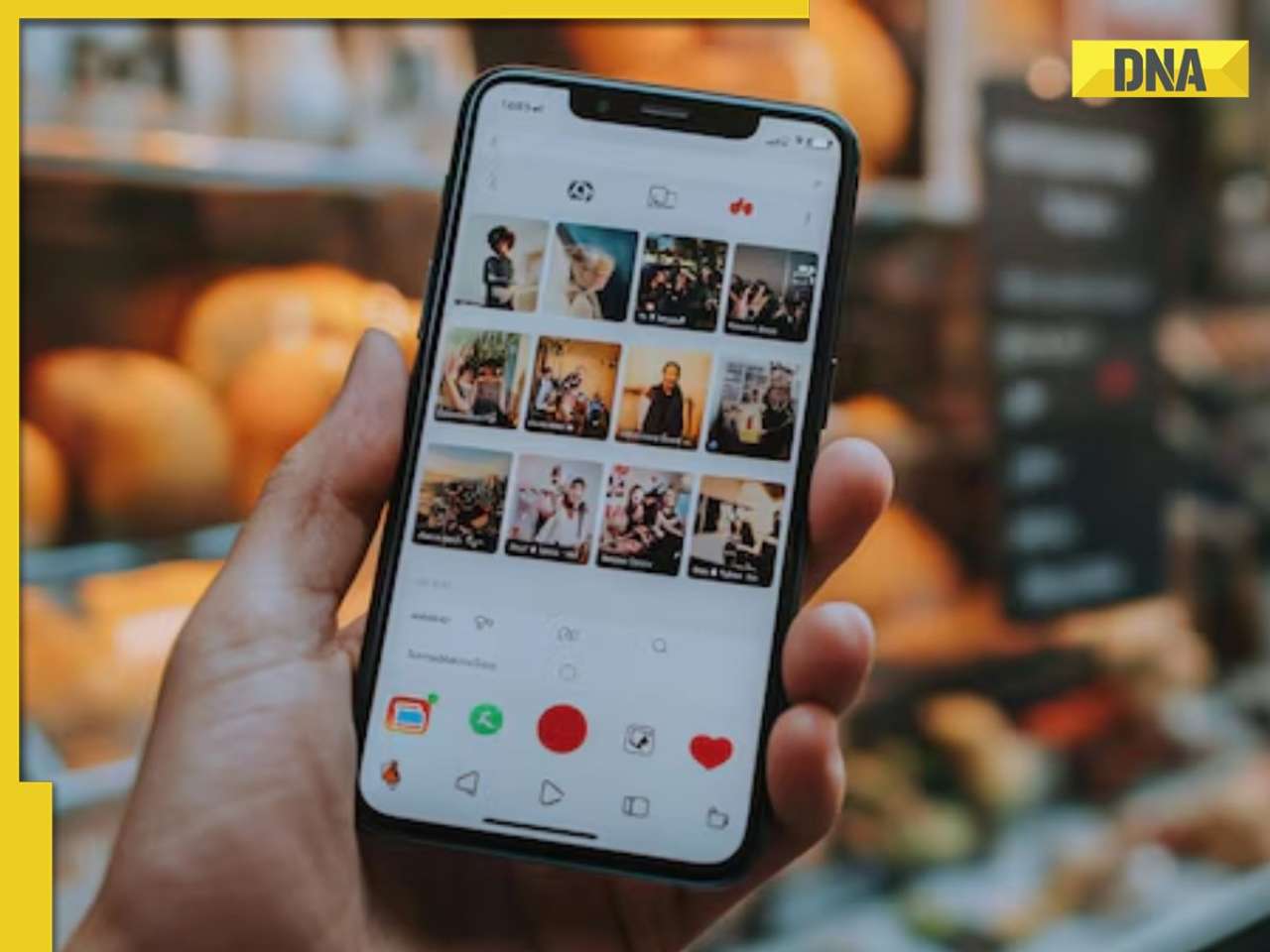
The digital revolution has been the most significant catalyst in this evolution of marketing. The once-dominant brick-and-mortar paradigm has been irrevocably altered by the rise of e-commerce, social media, and emerging digital frontiers like the metaverse. This technological surge has not only democratized access to information and products but has also fundamentally reshaped consumer behavior and expectations.
From the intricate algorithms that personalize online shopping experiences to the seamless integration of social commerce, consumers are now navigating a retail ecosystem that is both deeply personalized and visually driven. Mobile shopping has become the norm, with consumers expecting intuitive interfaces and aesthetically pleasing digital storefronts. The metaverse, though still in its nascent stages, promises to further blur the lines between the physical and digital, offering new avenues for brands to engage consumers through immersive visual experiences.
)
Amidst this technological whirlwind, however, a timeless element has reasserted its dominance: beauty. Aestheticism in marketing is no longer a fleeting trend; it has become the bedrock upon which consumer perception and brand preference are built. This emphasis on visual appeal is not merely about creating attractive packaging; it is about forging an emotional connection and communicating a distinct brand identity that resonates with the consumer’s aspirations and values.
Beyond Utility: The Rise of Identity-Driven Consumption
The days when price and quality were the sole arbiters of purchasing decisions are rapidly receding into history. Today’s consumers are more sophisticated and self-aware, seeking brands that reflect their personal identities, fulfill their emotional needs, and offer a sense of social validation. In an era of overwhelming choice, where functional parity is often a given, products are increasingly evaluated for their ability to signify lifestyle, aspirations, and belonging.

This shift is particularly pronounced among younger generations, especially Generation Z. Heavily influenced by the visual narratives of social media platforms like Instagram and TikTok, these consumers have transformed products into social symbols. The choice of a café is dictated by its ambiance and "Instagrammability"; skincare products are selected for their elegant shelf appeal; and technology gadgets are chosen not just for their performance but for their sleek design and how they complement a curated lifestyle.
This phenomenon underscores a fundamental change in consumer psychology. Purchasing decisions are no longer purely rational calculations of value; they are deeply emotional and social acts. Consumers are investing in brands that allow them to express who they are, who they aspire to be, and how they want to be perceived by their peers. This creates a powerful incentive for brands to cultivate a strong aesthetic identity that transcends mere product features.
)
The Genesis of Aesthetic Marketing: From Philosophy to Practice
The philosophical underpinnings of aesthetic marketing can be traced back to the 19th century, a period that championed the concept of "art for art’s sake." Oscar Wilde’s advocacy for decorative art, as a pursuit of beauty in itself, laid the groundwork for a movement that celebrated aesthetic experience above all else. This philosophy has now been ingeniously adapted and applied to the commercial world, permeating every facet of brand engagement, from product design and packaging to retail environments and digital interfaces.
In contemporary marketing, visual appeal is often the first and most potent message a brand communicates. Companies are meticulously designing their products and customer experiences to be inherently "aesthetic," recognizing that appearance profoundly influences perception, desirability, and ultimately, purchasing intent. This involves a holistic approach to design, where every visual element – from typography and color palettes to spatial arrangement and user interface – is carefully considered to evoke a desired emotional response and reinforce the brand’s unique narrative.
)
The success of this approach is evident in the strategies adopted by numerous global and homegrown brands. Apple, for instance, masterfully transformed minimalism into a powerful brand identity, creating a visual language that is synonymous with innovation and sophistication. Glossier, a digital-native beauty brand, built its empire on a soft, pastel-toned aesthetic that fosters a sense of community and aspirational beauty. Airbnb, in its curation of unique stays, actively rewards visually attractive and "Instagrammable" properties, leveraging user-generated content to enhance its brand appeal.
Indian Brands: Weaving Aesthetics into Cultural Fabric
The aesthetic imperative is also being powerfully embraced by brands in India, often by skillfully blending traditional cultural motifs with contemporary design sensibilities. Forest Essentials, a luxury Ayurvedic skincare brand, exemplifies this by integrating intricate Indian artistry with premium product offerings, creating an aura of opulence and heritage. Qua, a contemporary jewelry brand, uses minimalist designs inspired by Indian art forms to appeal to a modern, discerning clientele. Re-Ceremonial, focused on festive wear, masterfully combines traditional Indian aesthetics with aspirational lifestyle narratives.
)
Direct-to-consumer (D2C) brands are also leveraging dynamic visual branding to connect with younger audiences. boAt, an electronics company, employs vibrant and edgy graphic design to resonate with the energy of its target demographic, while The Souled Store uses pop culture references and eye-catching illustrations to build a strong visual identity.
Beyond product-centric brands, the hospitality and food sectors have also witnessed a significant transformation driven by aesthetics. Cafés, boutique hotels, and lifestyle restaurants are increasingly prioritizing ambiance and "photo-worthiness" as key selling points. Customers often become unwitting brand ambassadors, sharing their aesthetically pleasing experiences on social media, thereby generating organic reach and reinforcing the brand’s visual narrative. This symbiotic relationship between aesthetic appeal and social media virality has become a cornerstone of modern lifestyle marketing.
)
Fashion, Identity, and the Cultivation of Cultural Capital
The fashion industry serves as a quintessential example of how aesthetics have become deeply intertwined with personal identity and cultural capital. Brands like Sabyasachi, a renowned Indian designer, have elevated fashion to an art form by meticulously blending rich heritage craftsmanship with cinematic storytelling. Their collections are not merely garments but elaborate visual narratives that evoke tradition, luxury, and aspiration, transforming aesthetics into a tangible form of cultural capital.
The modern wedding landscape in India further illustrates this trend. Celebrations are increasingly curated for their digital visibility, with décor, attire, and overall visual coherence playing a significant role in social signaling and peer recognition. In the current attention economy, where visibility itself is a form of currency, products and experiences are expected to align with curated lifestyles, communicating notions of class, belonging, and aspiration. This makes the aesthetic presentation of brands and their offerings paramount to their success.
)
Navigating the Ethical Terrain: The Shadow Side of Aestheticism
While the rise of aesthetic marketing offers undeniable benefits for brands and consumers alike, it also raises significant ethical questions that warrant careful consideration. A paramount concern is whether the relentless pursuit of beauty might inadvertently overshadow genuine substance and quality. There is a tangible risk that sophisticated visual appeal can manipulate consumers into prioritizing superficial attractiveness over inherent value, leading to a potential devaluation of craftsmanship and durability.
Furthermore, the pervasive influence of narrowly defined beauty standards within marketing campaigns can inadvertently marginalize individuals from diverse backgrounds. When aesthetic ideals are predominantly dictated by specific class, ethnic, or body type representations, it can create a sense of exclusion and inadequacy for those who do not conform. This necessitates a conscious effort from brands to foster more inclusive and representative aesthetic visions, ensuring that beauty is not synonymous with exclusivity but rather a celebration of diversity.
)
The blurring of lines between authentic value and manufactured desirability is another critical ethical challenge. Brands must strive for transparency and authenticity in their aesthetic messaging, avoiding the creation of unattainable ideals that can lead to consumer disillusionment. The responsibility lies with both marketers to be ethical in their practices and consumers to be discerning in their choices, fostering a marketplace where aesthetic appeal enhances, rather than deceems.
The Enduring Power of Beauty: A Strategic Imperative
Despite these ethical considerations, the ascendancy of aesthetics in marketing is an irreversible trend, deeply rooted in a fundamental human desire for meaningful and emotionally resonant experiences. In a hyper-digital world, where consumers are bombarded with endless choices, aesthetics serve as a powerful heuristic, simplifying decision-making by offering immediate emotional connection and intuitive understanding.
)
Beauty in commerce is no longer a mere luxury; it has evolved into a fundamental expectation that shapes how consumers interact with brands, form loyalties, and ultimately, make purchasing decisions. It transforms mundane consumption into memorable experiences, imbuing products and services with a sense of delight and personal significance.
In conclusion, the current landscape of marketing is defined by the "aesthetic imperative." Beauty in marketing is no longer merely decorative; it is cultural, strategic, performative, and profoundly economic. Brands that successfully harness the power of visual appeal, while remaining mindful of ethical considerations and the pursuit of genuine value, are poised to thrive in this evolving consumer-driven world. The art of living with aesthetically pleasing brands has become an integral part of the modern consumer journey, shaping not only what we buy but also how we perceive ourselves and our place in the world.
